Shortwave listening and everything radio including reviews, broadcasting, ham radio, field operation, DXing, maker kits, travel, emergency gear, events, and more
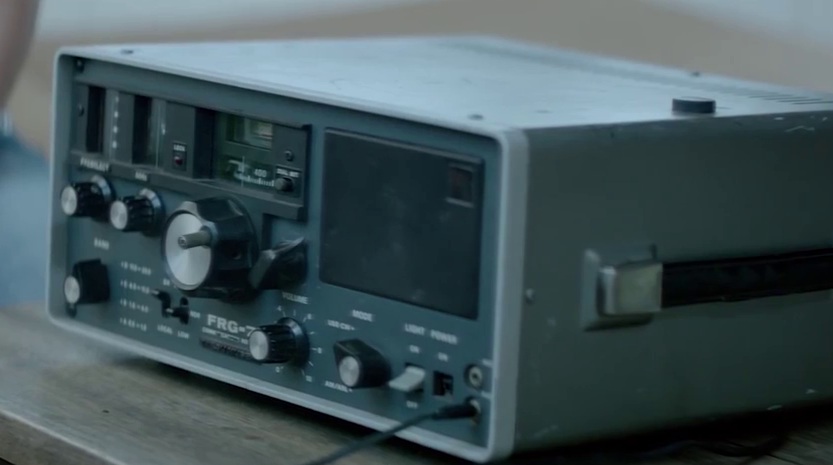
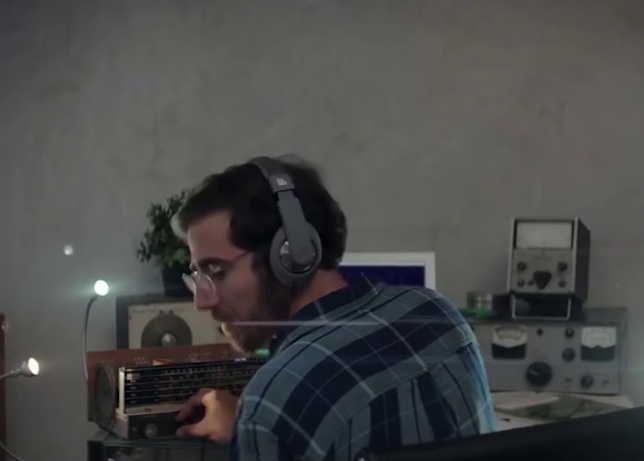
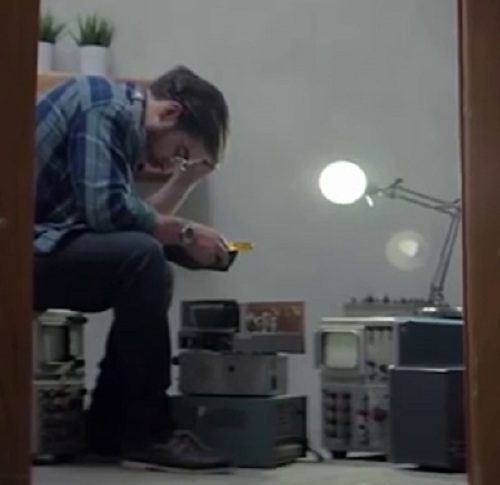
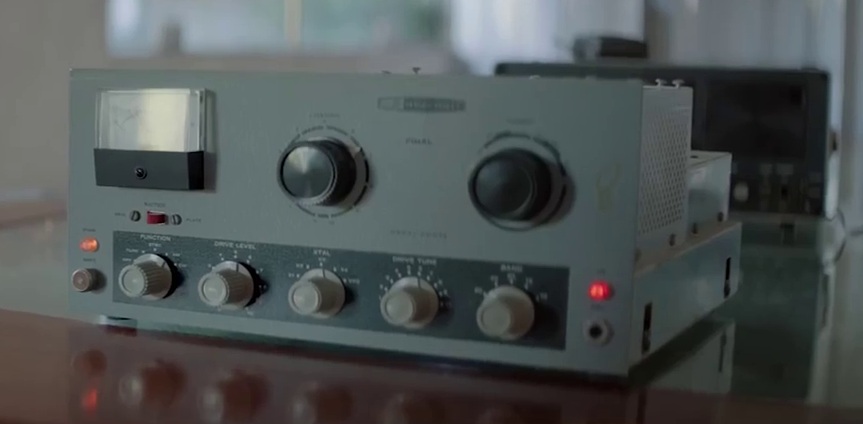
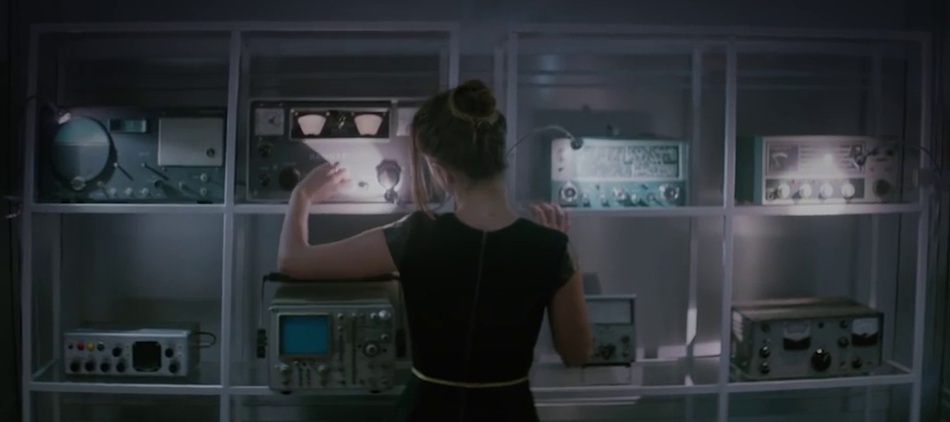
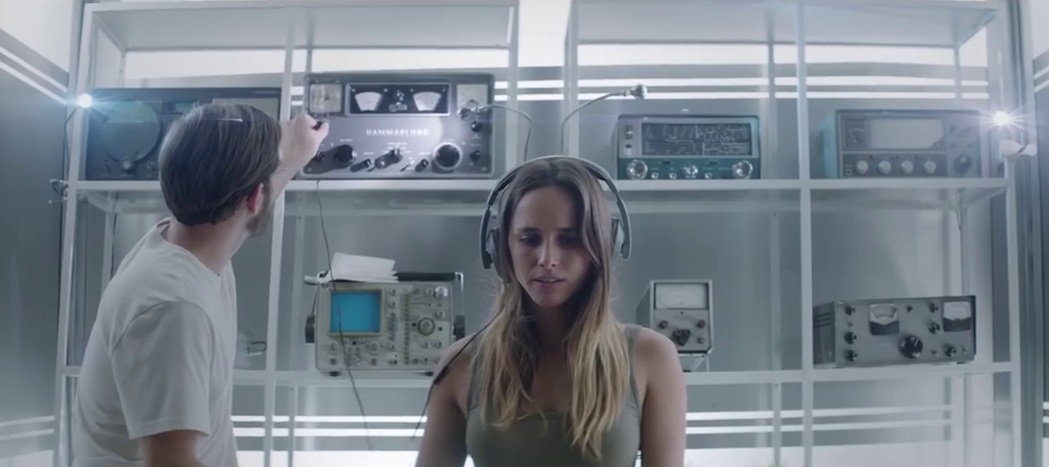
I saw that David posted a comment on your blog where he wondered what radio the guy in that “Shortwave” film might be using. Well, watched a couple trailers and discovered that the movie featured a few receivers.
So I took screen shots, and I thought some of your readers might be curious about this as well, and I’m sure some will ID all of them.
I had hoped the movie might feature Gene Scott or Pete Peters broadcasting from the underworld, but that doesn’t appear to be the case.
Anyway, here are some stills from the trailers[…]
Thanks, Prof! There are some classics here–Heathkit, Hammarlund, Hallicrafters and more.
Perhaps Post readers can comment with makes and models!
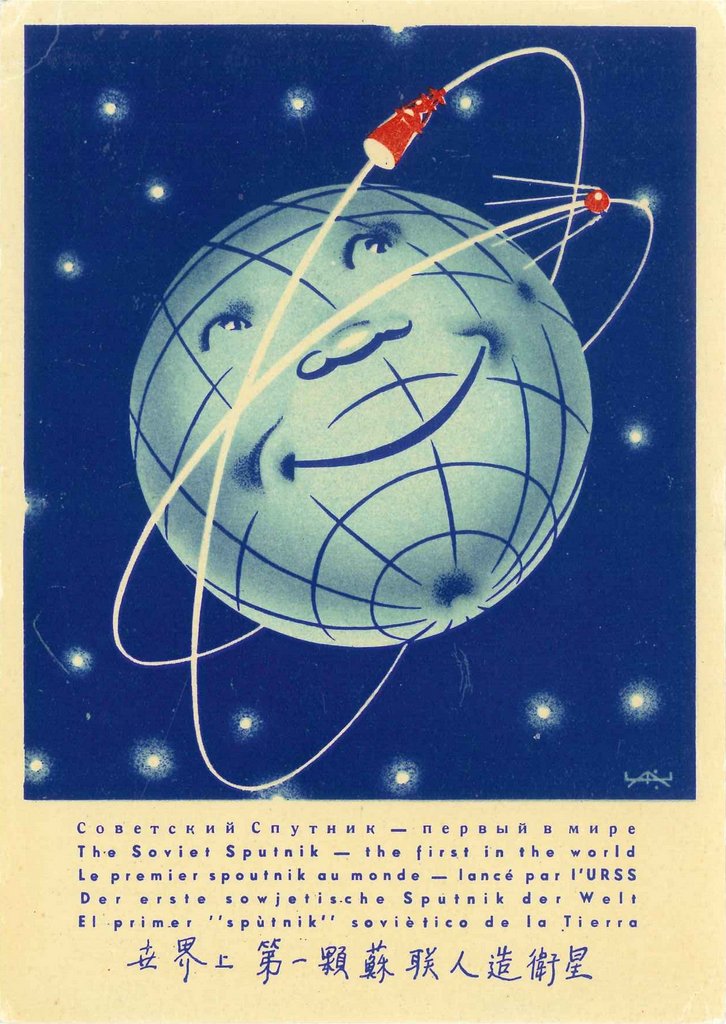
History changed on October 4, 1957, when the Soviet Union successfully launched Sputnik I. The world’s first artificial satellite was about the size of a beach ball (58 cm.or 22.8 inches in diameter), weighed only 83.6 kg. or 183.9 pounds, and took about 98 minutes to orbit the Earth on its elliptical path. That launch ushered in new political, military, technological, and scientific developments. While the Sputnik launch was a single event, it marked the start of the space age and the U.S.-U.S.S.R space race.
The story begins in 1952, when the International Council of Scientific Unions decided to establish July 1, 1957, to December 31, 1958, as the International Geophysical Year (IGY)because the scientists knew that the cycles of solar activity would be at a high point then. In October 1954, the council adopted a resolution calling for artificial satellites to be launched during the IGY to map the Earth’s surface.
In July 1955, the White House announced plans to launch an Earth-orbiting satellite for the IGY and solicited proposals from various Government research agencies to undertake development. In September 1955, the Naval Research Laboratory’s Vanguard proposal was chosen to represent the U.S. during the IGY.
The Sputnik launch changed everything. As a technical achievement, Sputnik caught the world’s attention and the American public off-guard. Its size was more impressive than Vanguard’s intended 3.5-pound payload. In addition, the public feared that the Soviets’ ability to launch satellites also translated into the capability to launch ballistic missiles that could carry nuclear weapons from Europe to the U.S. Then the Soviets struck again; on November 3, Sputnik II was launched, carrying a much heavier payload, including a dog named Laika.
Immediately after the Sputnik I launch in October, the U.S. Defense Department responded to the political furor by approving funding for another U.S. satellite project. As a simultaneous alternative to Vanguard, Wernher von Braun and his Army Redstone Arsenal team began work on the Explorer project.
On January 31, 1958, the tide changed, when the United States successfully launched Explorer I. This satellite carried a small scientific payload that eventually discovered the magnetic radiation belts around the Earth, named after principal investigator James Van Allen. The Explorer program continued as a successful ongoing series of lightweight, scientifically useful spacecraft.
The Sputnik launch also led directly to the creation of National Aeronautics and Space Administration (NASA). In July 1958, Congress passed the National Aeronautics and Space Act (commonly called the “Space Act”), which created NASA as of October 1, 1958 from the National Advisory Committee for Aeronautics (NACA) and other government agencies.
One of the joys of running the Shortwave Radio Audio Archive (SRAA) is that, over time, more and more people have become aware of it and submit recordings they’ve had in their private collections for decades.
Quite often, SRAA off-air recordings were originally made on reel-to-reel or cassette tapes which degrade with time. When SRAA contributors take the time to digitize these recordings, and share them via the SRAA, they put these collections in the hands of hundreds of archivists. We’re grateful each time we receive one of these shortwave or mediumwave/AM recordings.
You can imagine my excitement when I received the following message from one of our newest contributors, Colin Anderton:
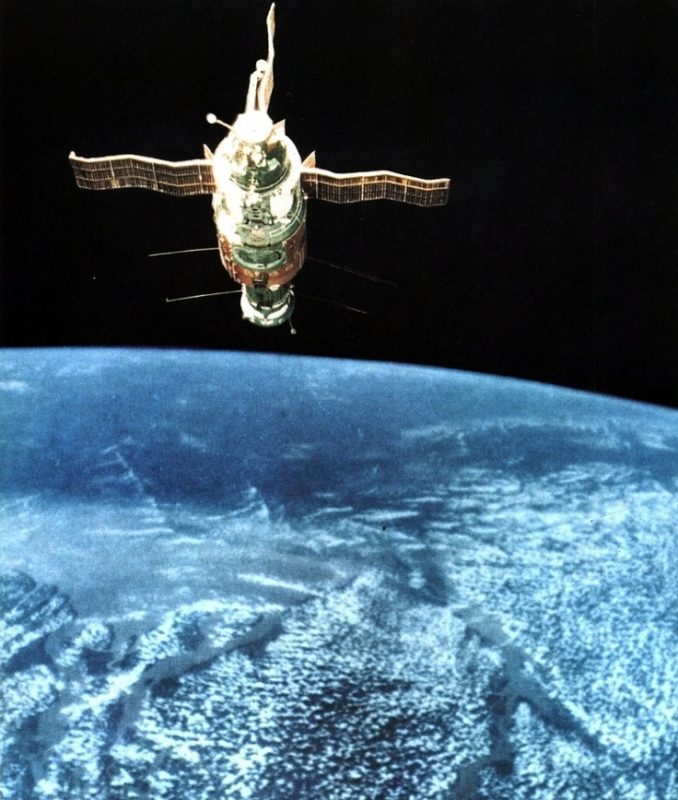
“As a space flight nut, I have many recordings from the 1970s from Radio Moscow. They used to broadcast on the medium wave, and I used to record the news bulletins during some of the space flights. In particular, there was a period between December 1977 and March 1978 when Soviet cosmonauts first lived aboard the Salyut 6 space station. I recorded each days’ news reports on the flights, and also some additional items about them.”
Colin’s recordings are amazing. Here’s a sample from December 10, 1977:
We’ve started publishing Colin’s recordings on the archive at regular intervals.
Interestingly, I discovered that Colin also has a website dedicated to NASA highlight recordings from the space age. Several months ago, he spent a considerable amount of time making the public domain series more listenable–removing voice-actuated recorder noises, tape clicks, etc.
Colin has made his collection of re-engineered NASA recordings free to download on his website. If you download and enjoy his recordings, consider dropping him a donation. If you’re into spaceflight like I am, you’ll certainly enjoy this collection:
Many thanks to SWLing Post contributor, Andy (G0FTD), who writes:
Back in the 1970’s, there was a rather strange medium wave transmitter on
1296Khz. Originally I think it was in Sussex, and then changed to Orfordness
in Suffolk UK.
It was a weird thing.
I think it was “owned” by the UK’s Diplomatic Wireless Service, not the BBC.
It seemed to be fairly random in its transmissions, and often sent the letter
V in a strange bong-bong-bong-BONG! loops for hours.
Programmes were English by Radio, and a seemingly random mix the BBC World
Service, and BBC Radio 1 (I think).
It slso had a creepy signature tune for the English by Radio programme,
and the modulation had an odd tinge to to it, like it was slightly over modulated.
At some time (the 80’s), I think it’s QTH changed, and the pause between the
letter V being sent was shortened from about 3 seconds to 1 second.
I understand that it had a sharp antenna beam, towards easter Europe, and
was not widely heard in the UK. Those of us that lived in the south east
of the UK could of course hear it off the back of it’s beam.
I’ve never ever seen it mentioned on any radio forums, no archive recordings
seem to exist of these creepy English by Radio them tunes or programmes,
or any off air recordings.
Saying that, I did come across a studio copy of the interval signal, but no
details about it. (But I knew what it was).
Sometime about 1995 I think it might have been mothballed, and lays ready
for possible future use should there be a need to by the DWS.
If you can help Andy identify, or at least provide more information about this station, please comment! I would love to know about this broadcast service myself.
Many thanks to SWLing Post contributor, Bill Patalon, who reminds us that 78 years ago today (September 21, 1939) radio station WSJV made an audio recording of its entire 19 hour broadcast day. Bill points to these details from Wikipedia:
This undertaking was a collaboration between the station and the National Archives, and it was the first time that such a comprehensive recording of a radio broadcast had been made. The station then donated its original set of recording discs to the National Archives, giving it a rare and complete artifact from an era frequently called the Golden Age of Radio. Due to their historical significance, the United States Library of Congress has since added these sound recordings to its National Recording Registry.
If you would like to relive September 21, 1939, you can listen to all of the WSJV recording segments courtesy of Archive.org. I’ve embedded the full playlist below–simply press play at the top of the player and each segment will load automatically as long as this page is open. Note that in the very first segment, due to a WSJV equipment glitch, there is a period of silence. Enjoy:
Many thanks to SWLing Post contributor, Andy Howlett, who writes:
Some while back I spotted an elderly ‘TW Communivator’ in use the a late episode of The Avengers TV series. The episode in question is called ‘All done with Mirrors’.
Studio Canal are a bit touchy about people nicking stills from their videos, but I sent my screen-grab to the website ‘TW Radio’ which is a site dedicated to Tom Withers and his products. The owner got permission for a one-off reproduction.
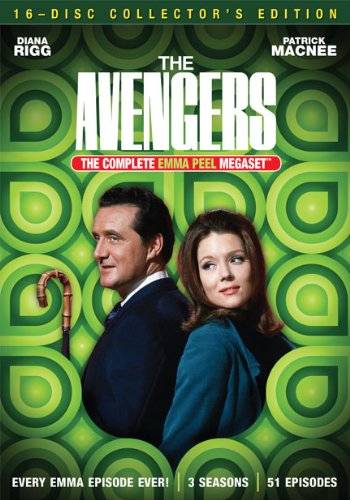
Thanks, Andy! The Avengers is one of my favorite action/adventure TV shows of the 1960s. Lately, I’ve been waiting for a used DVD box set of the series to appear at a local retailer. The fact that I’ve always had a crush on Diana Rigg (a.k.a. Emma Peel) has nothing to do with this. 🙂
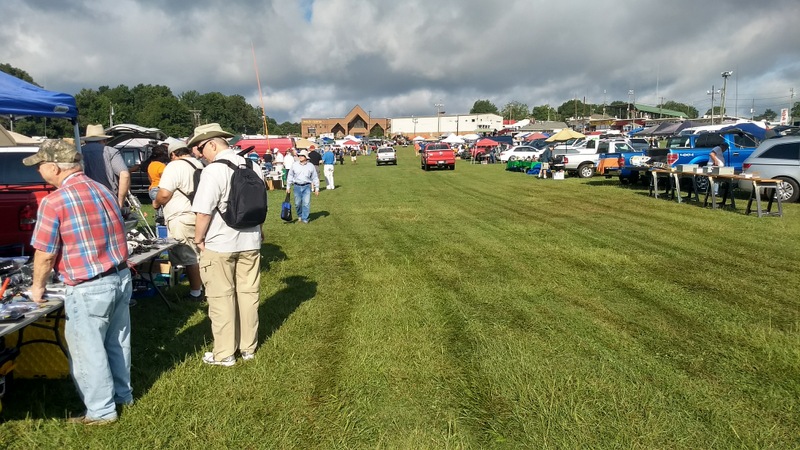
My Labor Day weekend was free of travel again this year, so I was able to make another pilgrimage to the Shelby (North Carolina) hamfest with my good buddy, Vlado (N3CZ).
The Shelby Hamfest–referred to, locally, as “The Grand-Daddy of them All”–has long been regarded as one of the largest hamfests in the southeast US. This is the third year I’ve made a concerted effort to publish a photo tour of the event.
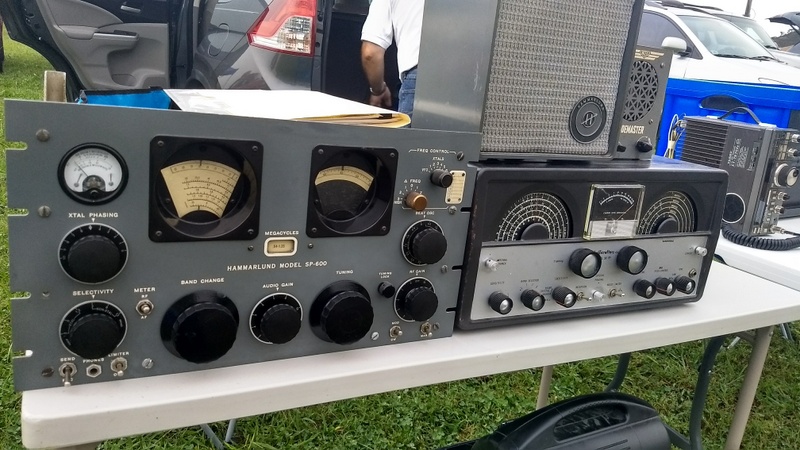
I sold both my Hammarlund SP-600 and Hallicrafters SX-99.
Like last year, we set up a table in the flea market to sell a few items along with other good friends from the NCDXCC. In other words, once again, I was in selling mode, not buying mode, as I need to downsize some of my collection and use the money to offset costs of review radios, and some of the conferences I’m attending this year (including the Radio Preservation Task Force Meeting in Washington DC on behalf of our Shortwave Radio Audio Archive).
Overall turnout was a little less than last year, I believe. No doubt, this was due to the possibility of rain that never materialized. By lunch time the sun was out and the foot traffic increased.
Shelby Photo Gallery
Click on the thumbnails below to enlarge or comment on the photos:
Note that if you’re viewing this post via our email newsletter, the embedded gallery (above) might not be viewable. Click here to view via web browser.
Please support this website by adding us to your whitelist in your ad blocker. Ads are what helps us bring you premium content! Thank you!

 Thanks, Prof! There are some classics here–Heathkit, Hammarlund, Hallicrafters and more.