Category Archives: Radio History

Treasure hunt: Seeking Somali radio recordings from 2010

Okay SWLing Post readers:  I need you to dig through your off-air recordings for something pretty obscure…

Over at the Shortwave Radio Audio Archive, I frequently receive inquiries from educators, researchers, historians, and enthusiasts looking for very specific off-air recordings, often for some worthy project or other.  It’s quite a thrill when I can lay hands on just what’s being sought in our rather deep recordings archive.

I recently received just such an inquiry from producer Meghan Keane at NPR, and though we were not able to provide immediate help, I’m quite intrigued by the subject and thus not quite ready to give up the search.  Meghan writes:

My name is Meghan Keane and I’m a producer for NPR’s Invisibilia. I’m working on a story about Somalia and music, and am currently looking for some archival sound.

Around 2010, many radio stations in Somalia broadcasted animal noises and gun shot noises to protest Al-Shabab. I am hoping to find audio of that to use in my story. Please let me know if you have any leads!

Fascinating stuff.  I do recall a news story about Somali radio broadcasts including animal and gun shot noises back in the day, but I never actually heard a broadcast on shortwave or mediumwave.

Post readers: Can you help Meghan track down such a recording? If you can, please comment and/or contact me!

“Empire of the Air” – a history of radio broadcasting

Many thanks to SWLing Post contributor, Mike Hansgen, who notes that Ken Burns’ film, Empire of the Air is now streaming on YouTube. This impressive documentary was originally broadcast in 1992.  The following is a summary taken from the Empire of the Air website:

For 50 years radio dominated the airwaves and the American consciousness as the first “mass medium.” In Empire of the Air: The Men Who Made Radio, Ken Burns examines the lives of three extraordinary men who shared the primary responsibility for this invention and its early success, and whose genius, friendship, rivalry and enmity interacted in tragic ways. This is the story of Lee de Forest, a clergyman’s flamboyant son, who invented the audion tube; Edwin Howard Armstrong, a brilliant, withdrawn inventor who pioneered FM technology; and David Sarnoff, a hard-driving Russian immigrant who created the most powerful communications company on earth.

Against the backdrop of radio’s “Golden Age,” Empire of the Air relates the history of radio through archival photographs, newsreels of the period and interviews with such well-known radio personalities as Garrison Keillor, the late sports commentator Red Barber, radio dramatist Norman Corwin and the late broadcast historian Erik Barnouw.

As with many videos on YouTube, this film could be removed at any time without warning. I suggest watching this soon:

https://youtu.be/COPi5-YXhR4

Click here to view on YouTube.

Report from the 2017 Radio Preservation Task Force meeting

SWLing Post readers might recall that, last year, I had the distinctly great honor of presenting at the 2017 Radio Preservation Task Force meeting at the Library of Congress.

Several readers have asked me to share my experiences at the conference, so I’ll note the conference highlights here.

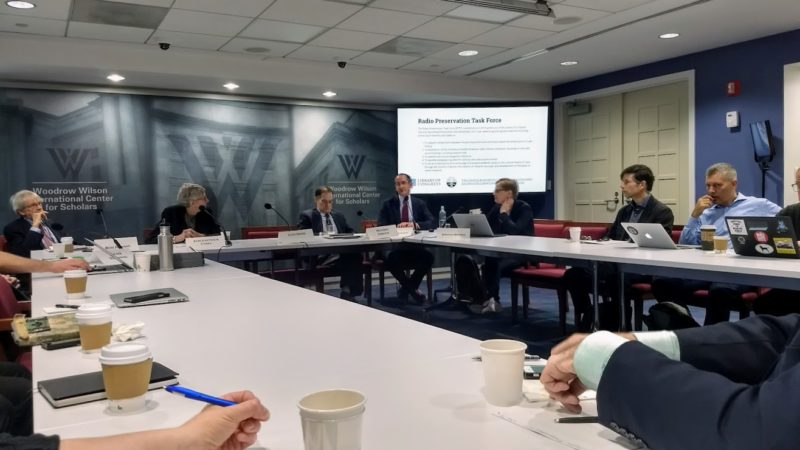
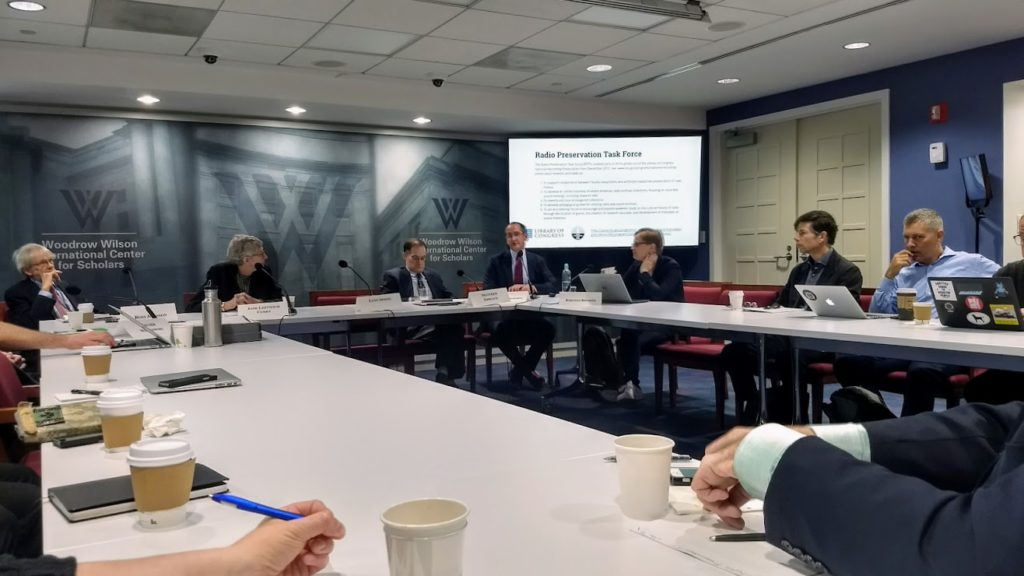
I attended all three days of the conference. The first day (Thursday, November 2) was held at the Woodrow Wilson Center and focused on Cold War broadcasting. It goes almost without saying that this was absolutely fascinating.  I learned a great deal. One of the day’s recurrent discussion themes, for example, focused on the keen awareness of those inside the Iron Curtain that they had been regularly subjected to propaganda.  In other words, the Cold War somehow created very discerning news listeners savvy enough to separate fact from fiction quite skillfully––an ability that many fear may (unfortunately) be eroding among today’s media audiences.  
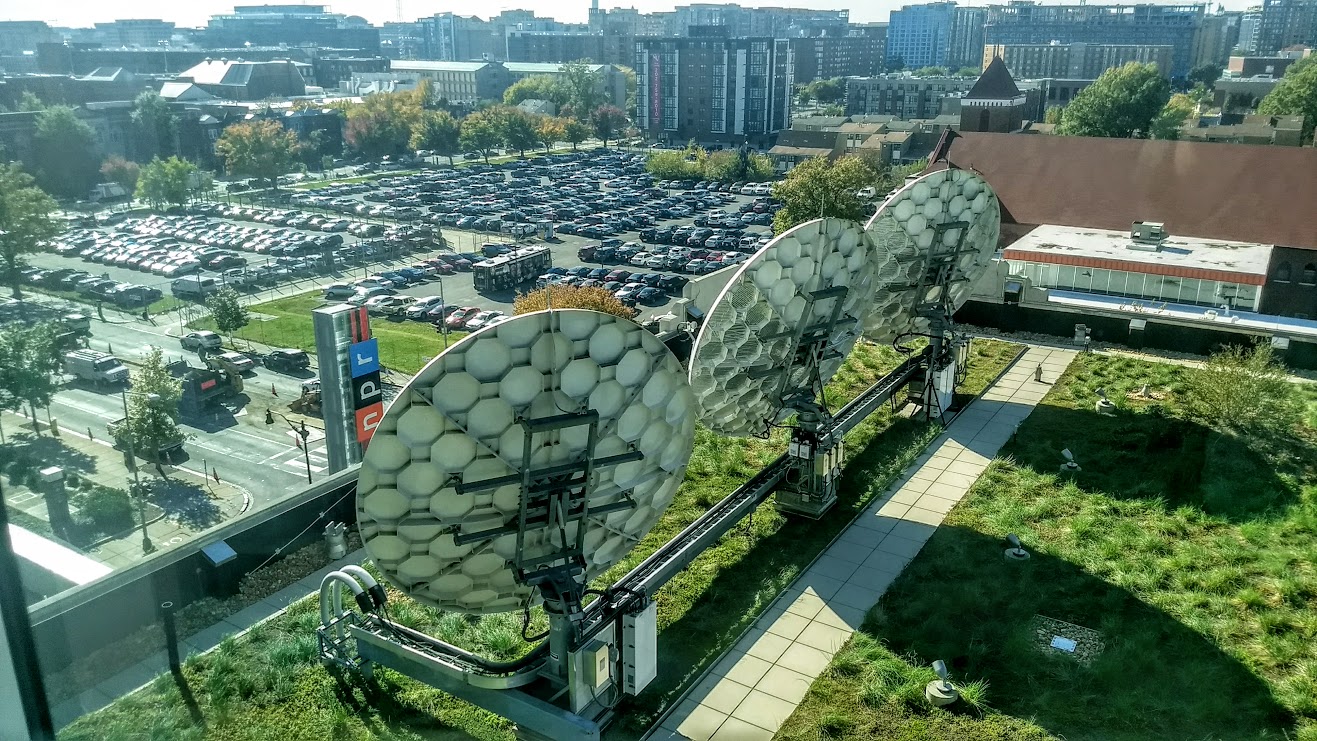
That afternoon, SWLing Post reader, Phil Ewing, took me on an amazing tour of NPR’s new headquarters [thanks SO much, Phil!].
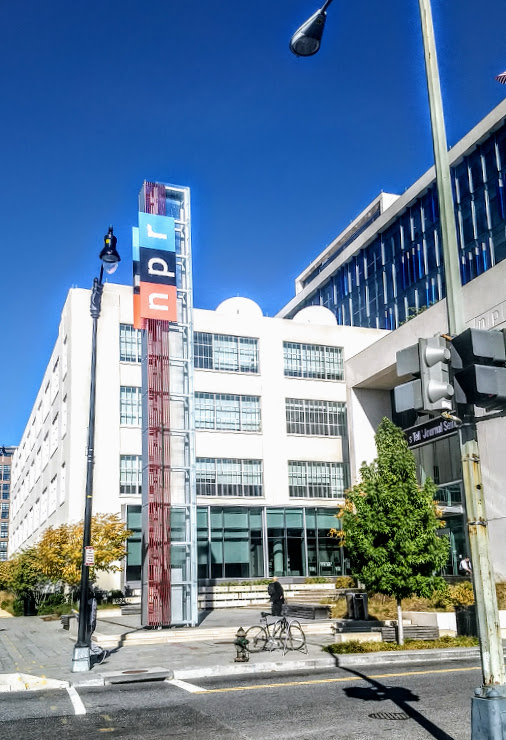
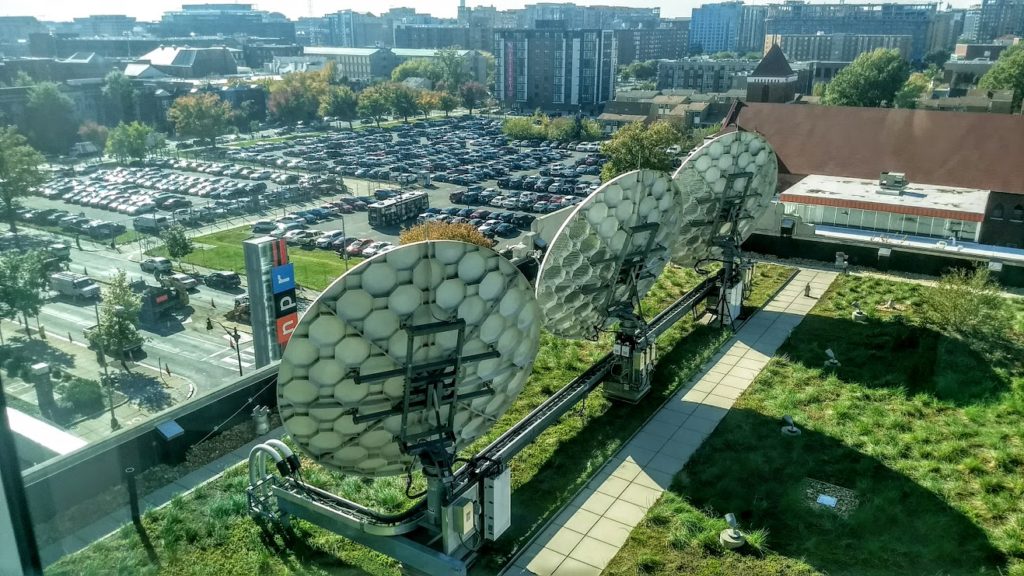
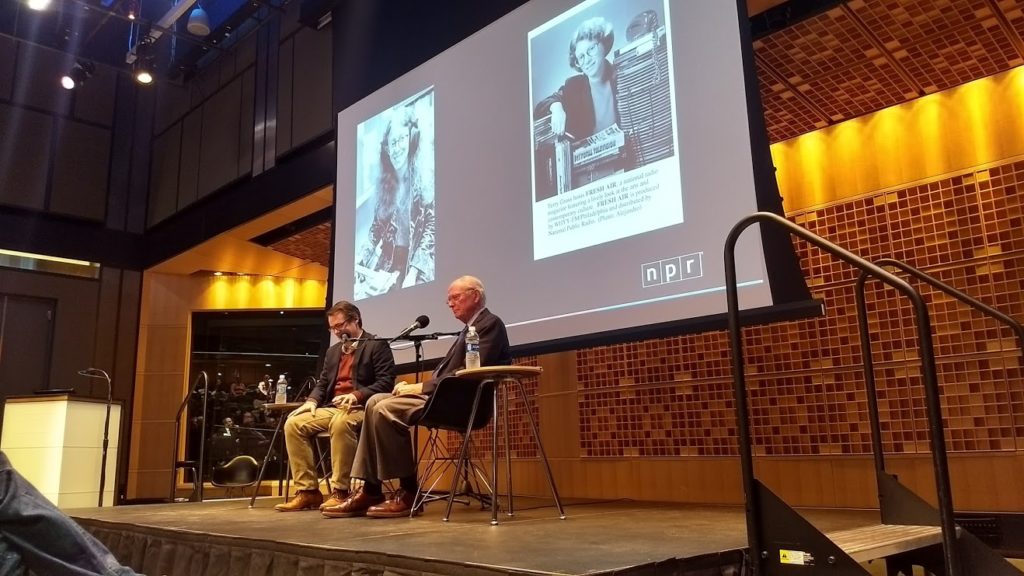
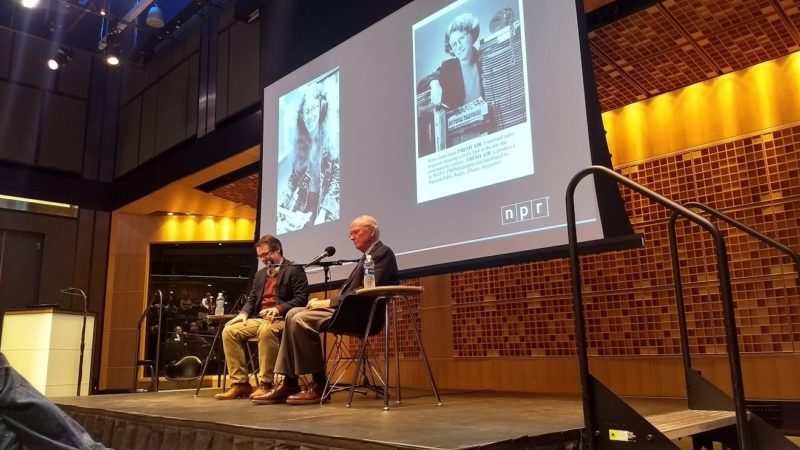
Later that afternoon at NPR, I attended an event celebrating NPR’s founding father and mission creator, Bill Siemering.  Bill and I co-presented at the Winter SWL Fest in 2011, and I admire him greatly both as a journalist and as an individual; I particularly enjoyed the opportunity to be at this event held in his honor.

Friday and Saturday sessions were held at the Library of Congress and were equally riveting as they covered nearly every aspect of radio preservation.
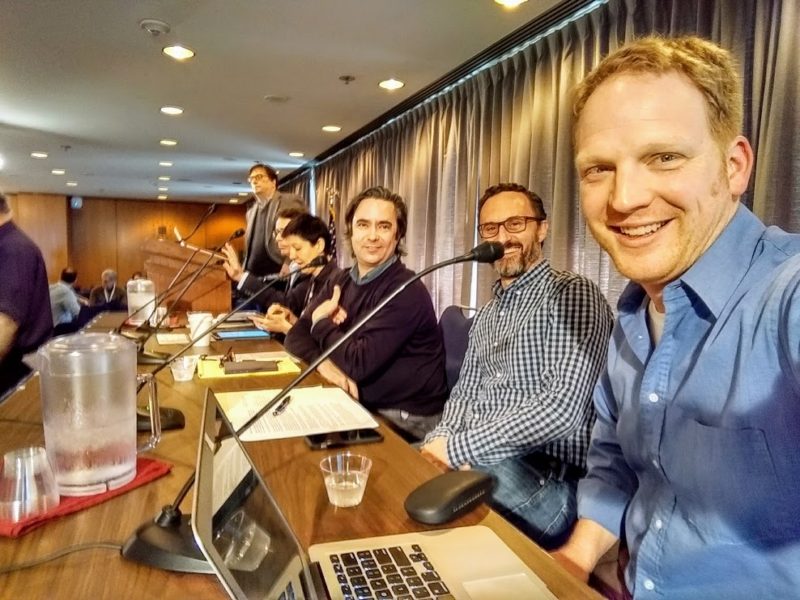
Here’s our panel just a minute before the forum began.

I was on the Digital Curation panel along with Charles Hardy (West Chester University and National Council on Public History), Jonathan Hiam (New York Public Library), Matt Karush (George Mason University and Hearing the Americas), Elena Razlogova (Concordia University) and Mark Williams (Dartmouth College and Media Ecology Project).

The discussion was dynamic, and to my pleasure, our Radio Spectrum Archive was quite the hit. The sincere interest in this project was beyond encouraging.  Indeed, after my presentation, I wasn’t able to address all of the questions from those in the audience because there were so many in line to speak to me about it; eventually the LOC had to re-arrange the room for a televised event, the 50th anniversary of the Public Broadcasting Act.

But there’s more.  And it’s a great ending to our story, which is really only a beginning: via Alex Stinson with the Wikimedia Foundation, I was introduced to the Internet Archive team last month, whom, to our profound delight, has wholeheartedly agreed to support the Radio Spectrum Archive by giving us nearly unlimited space to store our massive collection of spectrum files.

In a word?  This conference was brilliant. There simply couldn’t have been a better outcome for the Radio Spectrum Archive and I enjoyed every minute of it.

Many thanks to the entire RPTF team, especially Director, Josh Shepperd, for putting this spectacular event together.

I’ve been invited to a couple other archive conferences as a result of the RPTF meeting, and I’ll give these some consideration.  Regardless, I know this: I’ll make room in my schedule for the next RPTF conference. No way am I missing it!

And at the next conference I look forward to speaking to each one of those people with whom tight scheduling prevented my speaking at this one. After all, it’s this kind of enthusiasm that assures the Radio Spectrum Archive’s future.

If you’d like a more in-depth report of the RPTF conference, check out this article in Radio World (via Richard Langley). If you’d like to learn more about the Radio Preservation Task Force, check out their website by clicking here.

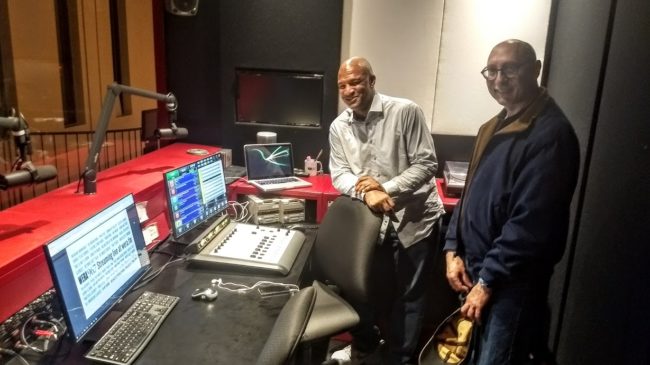
Many thanks to my buddy, Bennett Kobb, who also gave me a tour of the brilliant LPFM station, WERA (96.7) in Arlington, VA–what an incredibly dynamic station and staff!
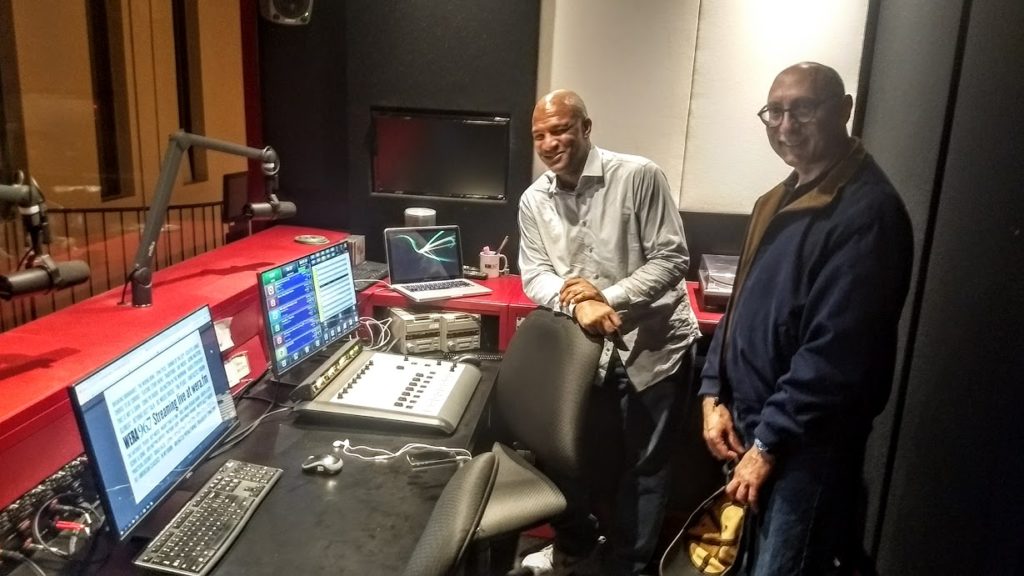
Ulysses E. Campbell (left) and Bennet Kobb (right) in the studios of WERA.

I’d also like to thank my friend Kim Elliott for generously hosting me during the multi-day event. Even modest accommodation in the DC area is very expensive–no doubt, Kim’s hospitality made the conference a reality for me. Thanks again, Kim!

Want a gorgeous 1940 RCA 50 kW shortwave transmitter from the RCI Sackville station?

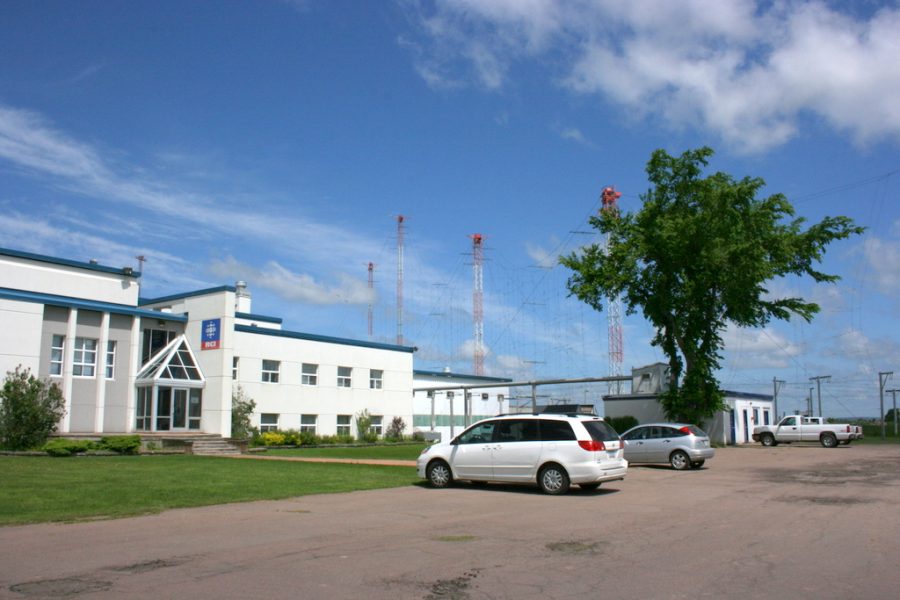
Many thanks to Amanda Dawn Christie who contacted me this morning regarding a message she received from Marc Goldstein, who is seeking a home for a beautiful piece of international broadcasting history. Marc writes:

We have been dismantling equipment at Radio Canada in Sackville, New Brunswick since July of last year. Most of the contents have been removed.

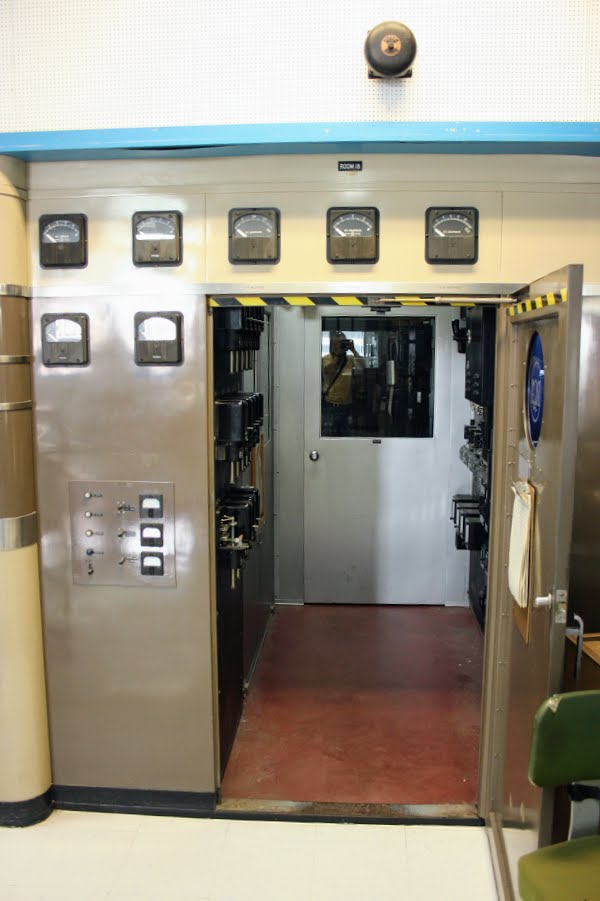
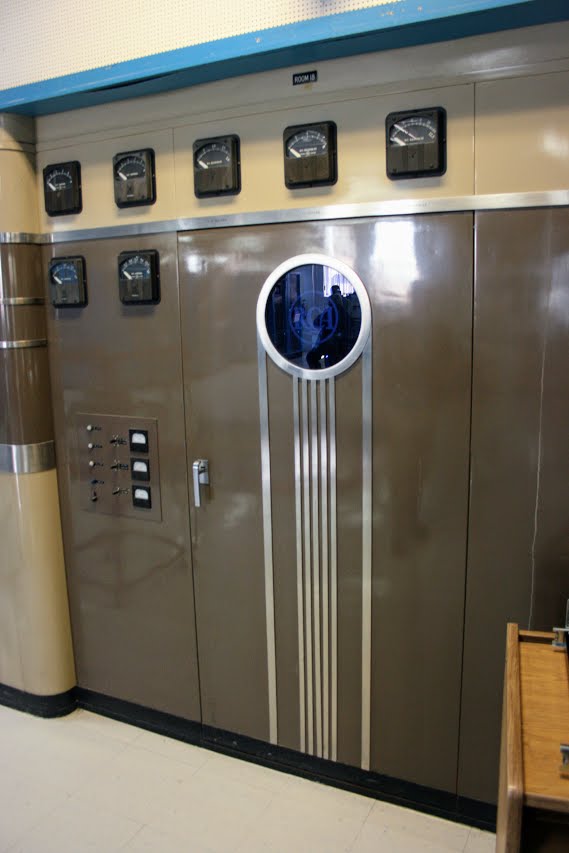
The original 1940 RCA 50 KW transmitter is still intact. First Nation’s–the current owner of the site–is looking for a home for this piece of history. […] I am hoping you may know someone, or an organization who may help preserve the radio. First Nations has requested $5,000 Canadian for the radio, and will remove and ready it for shipping at their expense.

Thanks for passing this information along, Amanda!

I actually snapped photos of this very transmitter when I visited the Sackville site in 2012–a few months before the site shut down. It’s an elegant piece:

I have no idea if this RCA transmitter is serviceable, but I did contact WBCQ with details just in case (if you recall, they’re in need of a 50 kW transmitter).

If you’re interested in purchasing this transmitter, contact me and I’ll put you in touch with Marc Goldstein.

Al shares vintage RAE theme

Many thanks to SWLing Post contributor, Al Quaglieri, who writes:

In the ’60s and ’70s, RAE had a really evocative theme song that opened and closed their broadcasts. For years I searched for a copy of this, even going as far as writing the station about ten years ago. They graciously obliged, sending me a recording of the LATER theme, not the one I wanted. Well, here it finally is. RAE used an edited-down version.

My clip begins with a vintage RAE open and close, and then the song! It’s an obscure composition by Argentine composer Waldo de los Rios, entitled “Sol Alegre,” from a 1957 Columbia album called “Kiss of Fire.” Hope it brings back some memories!

Click here to listen at Clyp.it.

Thanks for this stroll down Memory Lane, Al!

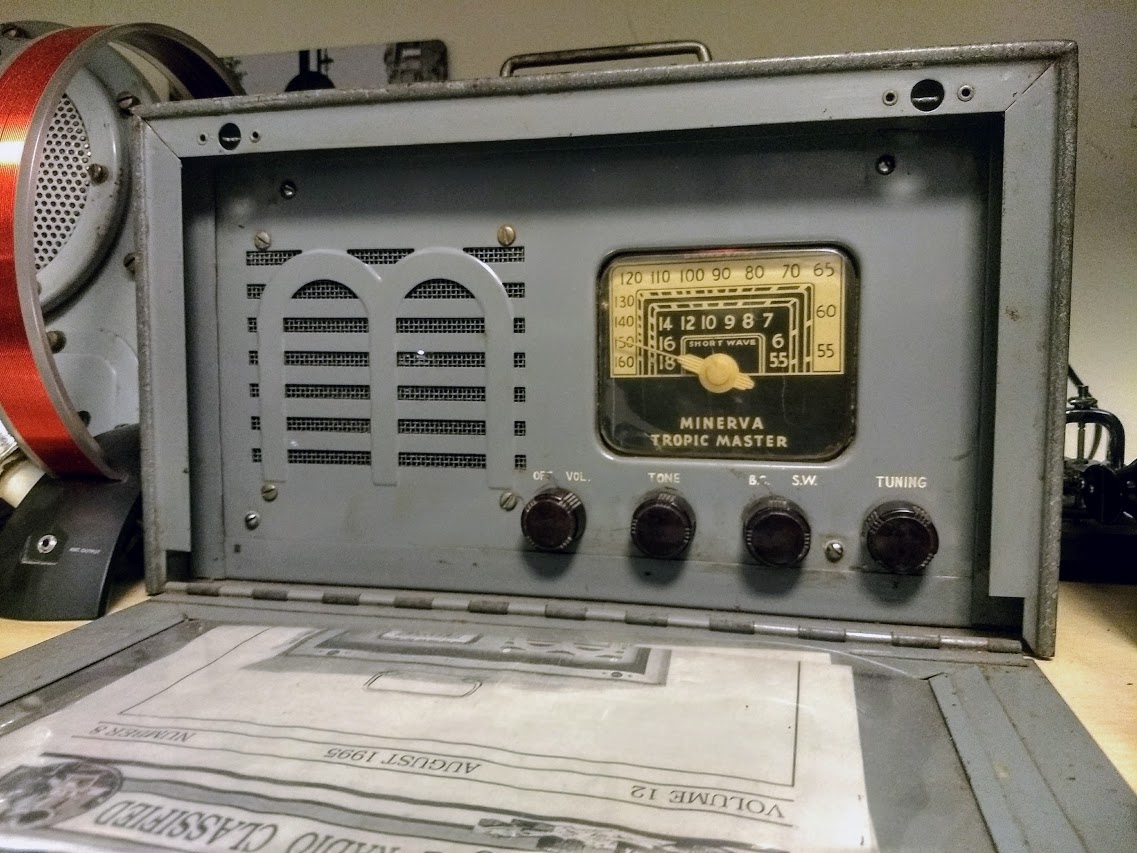
The Minerva Tropic Master: a portable WWII era morale radio

If you’re a regular here on the SWLing Post, you’ve no doubt discovered that I’m a fan of vintage radios.

Lately, I’ve been attempting to let go of some of my vintage gear to give my favorite rigs proper shelf space and dedicated antenna time. To keep temptation at bay when I visit flea markets or hamfests (like Hamvention and the one in Shelby, NC) I now focus on WWII era radios; specifically “morale” radios that were used for troop entertainment. I’ve two morale sets: the Scott Marine Radio Model SLRM (technically, a commercial version of a Navy set) and the Minerva Tropic Master.

I purchased this Minerva set off of eBay a couple years ago. I got it for $50 or $60, if memory serves (the seller originally wanted $180 + shipping!). He claimed it worked, but after I asked him a few questions prior to making an offer and learned that “working” meant the speaker prodeced a noise and the backlight worked. I made a low offer and he accepted.

Last year, I took Minerva over to my buddy, mentor and boat anchor doctor, Charlie (W4MEC). Charlie discovered the radio had many issues and several poorly implemented repairs. Still, in a few short weeks, when parts arrived he brought the girl back to life.

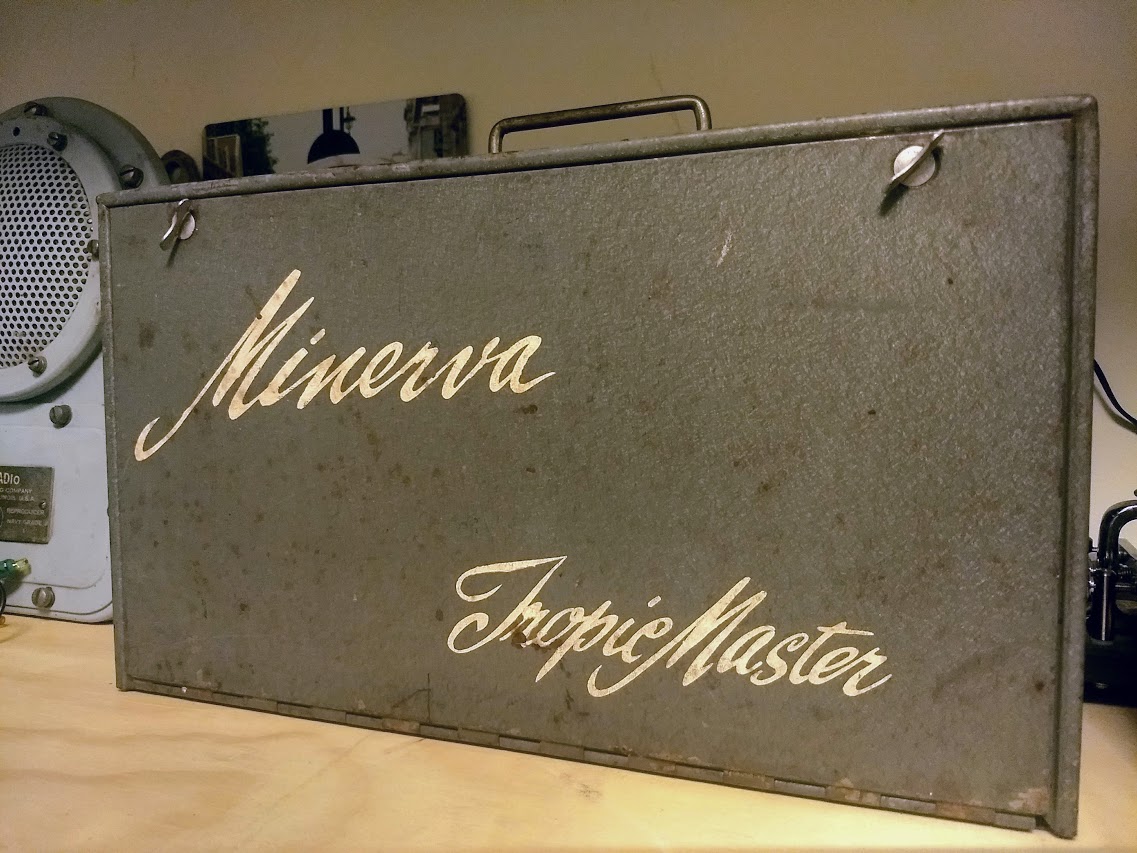
With front cover closed.

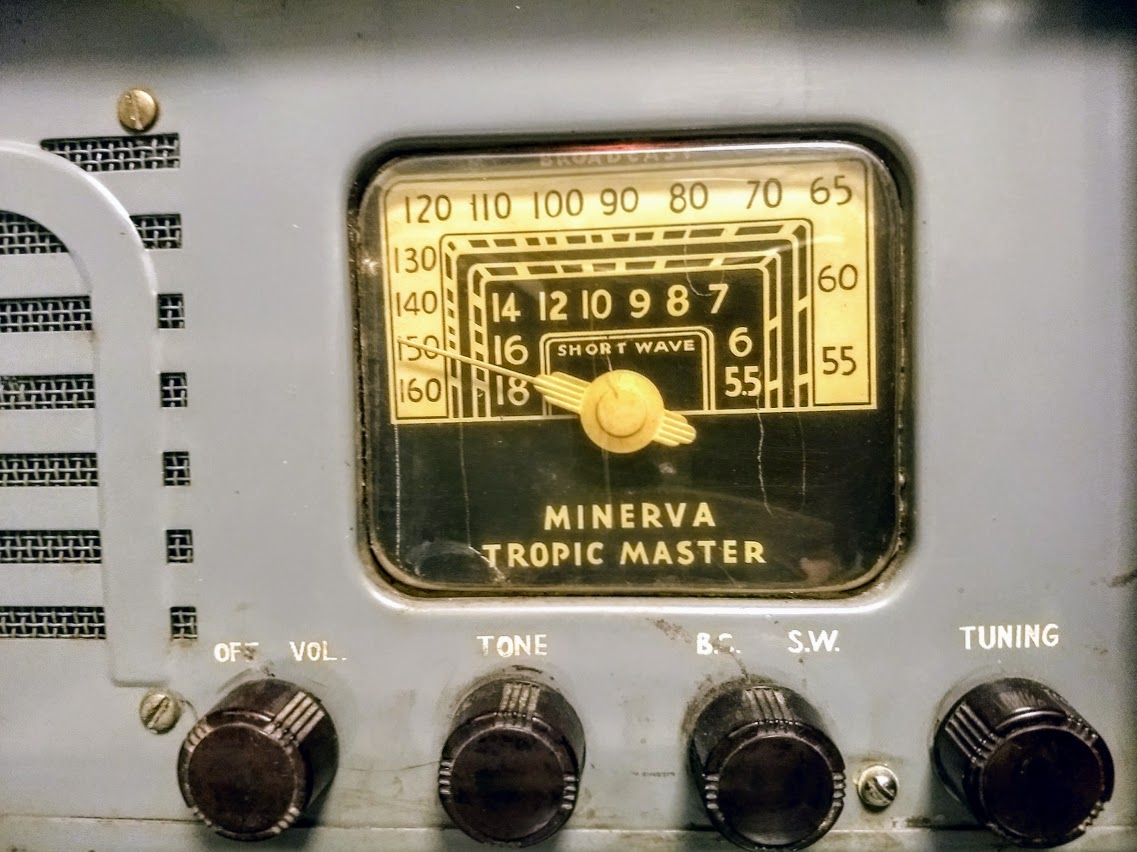
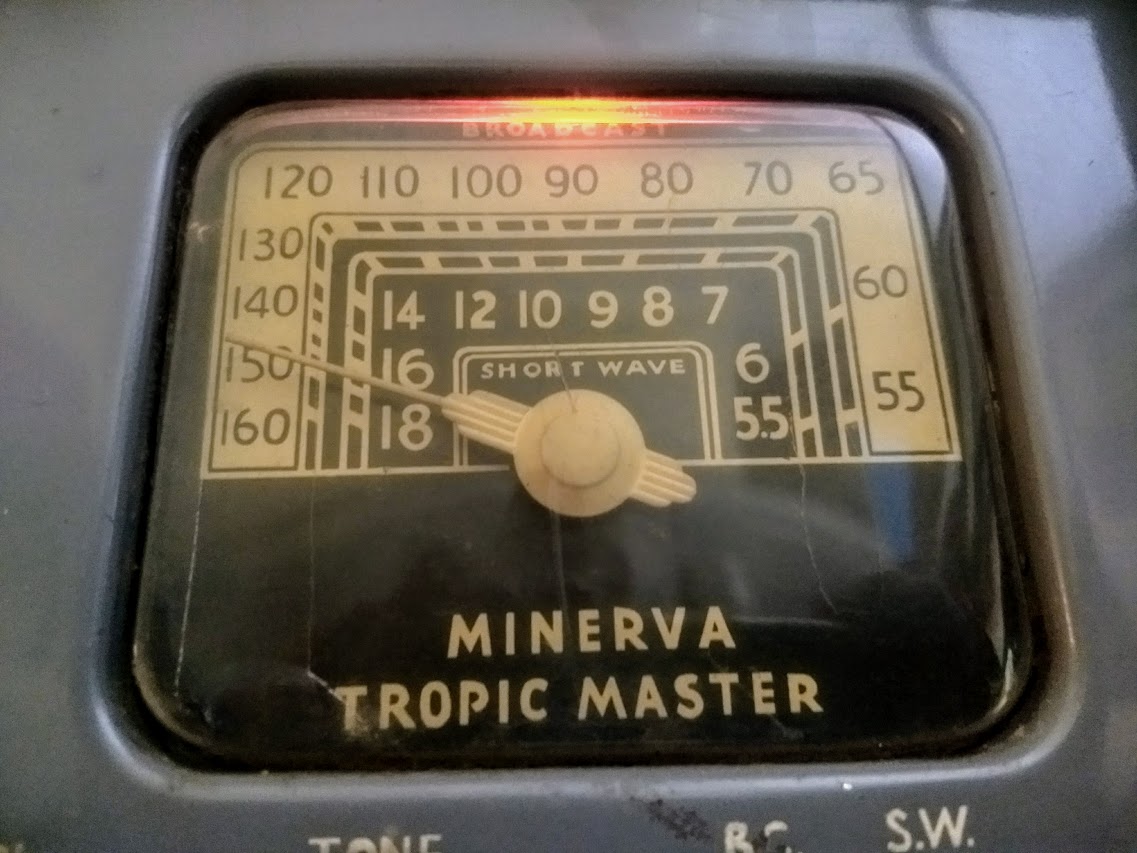
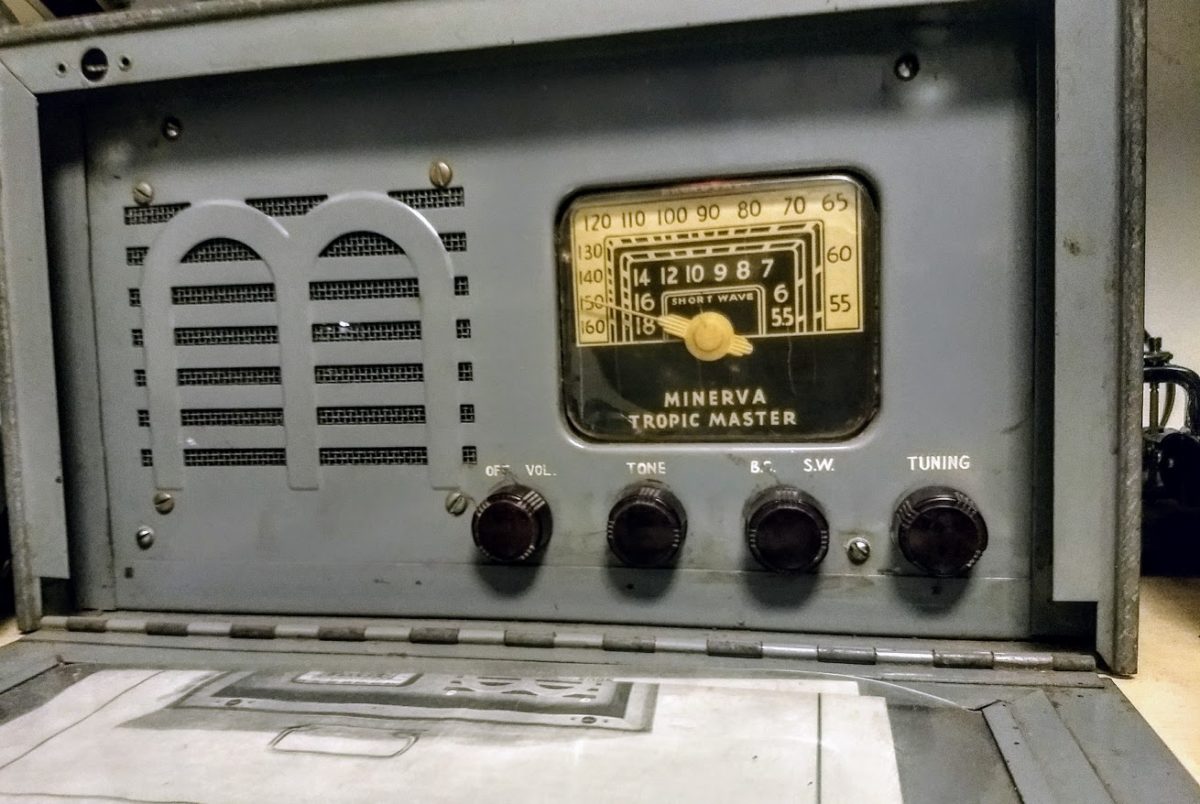
The Tropic Master is a portable eight tube receiver that covers both the AM broadcast band and shortwave bands from 5.5-18 MHz. It can be powered by AC or DC. It was “tropicalized” to withstand extreme heat and humidity. The internal speaker produces mellow, full-fidelity audio and the volume can be increased to room-filling.

To give you a taste, this morning I tuned the Tropic Master to my in-house AM transmitter on 1570 kHz which was being fed audio from The UK 1940s Radio Station (my favorite Internet radio station). This particular clip features Jay Lawrence’s excellent show, From Stateside:

Click here to view on YouTube.

The Tropic Master is portable and even has a fold down handle on top of the chassis. Though substantial, it must be the lightest of all of my vintage metal chassis radios.

Tuning isn’t exactly precise, but it does the job and is a pleasure to use. It’s quite sensitive on both shortwave and mediumwave. Last night, she was tuned to the Voice of Greece on 9420 kHz–I probably listened to two hours of Greek music while her eight tubes warmed the shack.

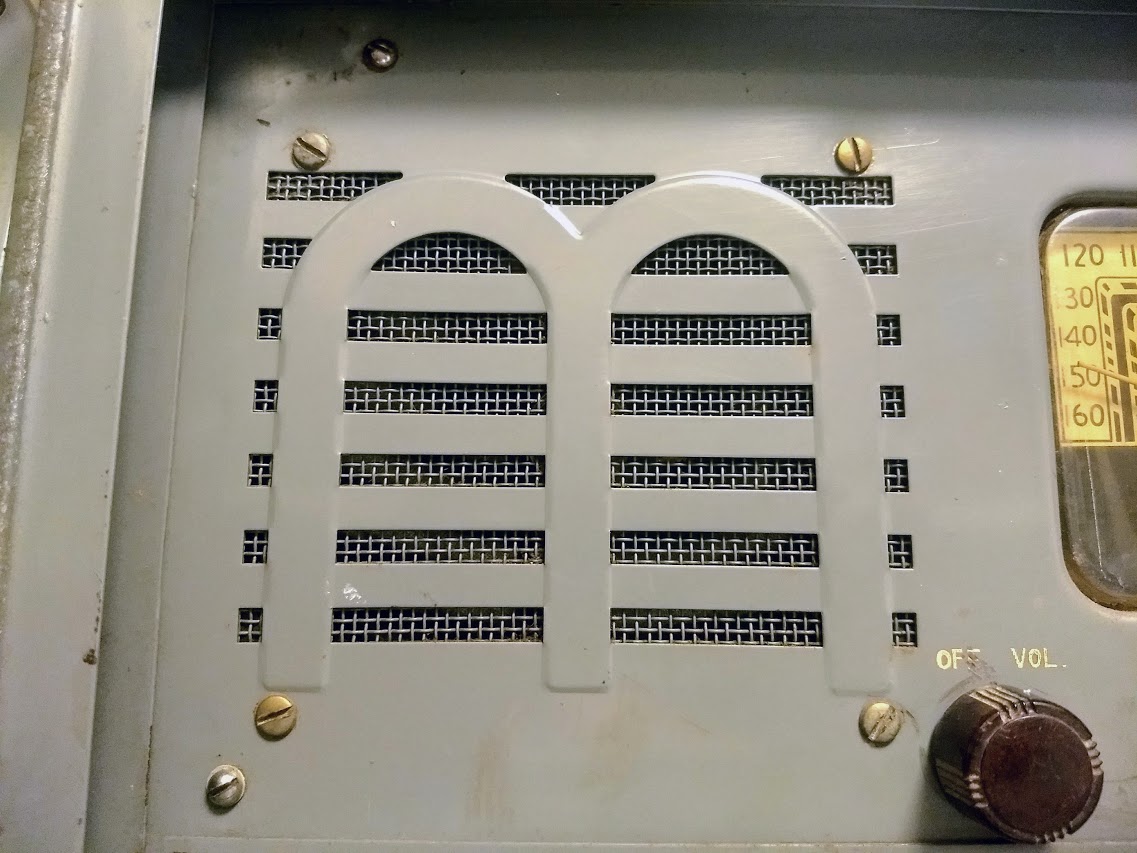
Who could turn down a radio with this speaker grill?

If you ever find a Minerva Tropic Master at a flea market or hamfest, I say adopt one! It’s a beautiful receiver and like all good vintage radios has a story and history of its own.

Post readers: Any other Tropic Master owners out there or do you have a morale radio? Have you ever spotted a Tropic Master in the wild? Please comment!

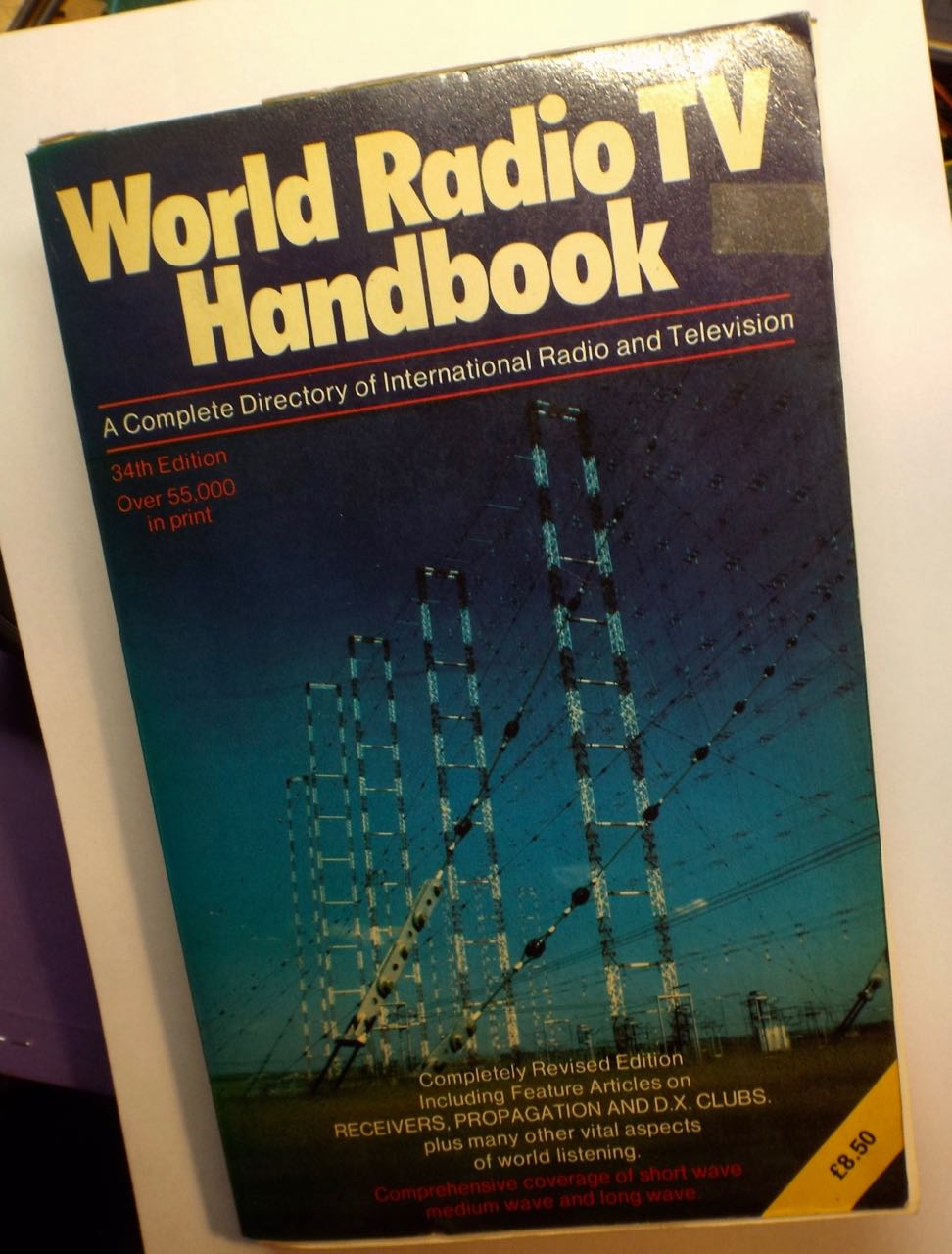
Andy remembers his first issue of the WRTH

Many thanks to SWLing Post contributor, Andy Howlett, who writes:

Always nice to see another WRTH arrive, even though I haven’t actually bought one for many years. Attached is a pic of the very first one I bought, back in 1980.

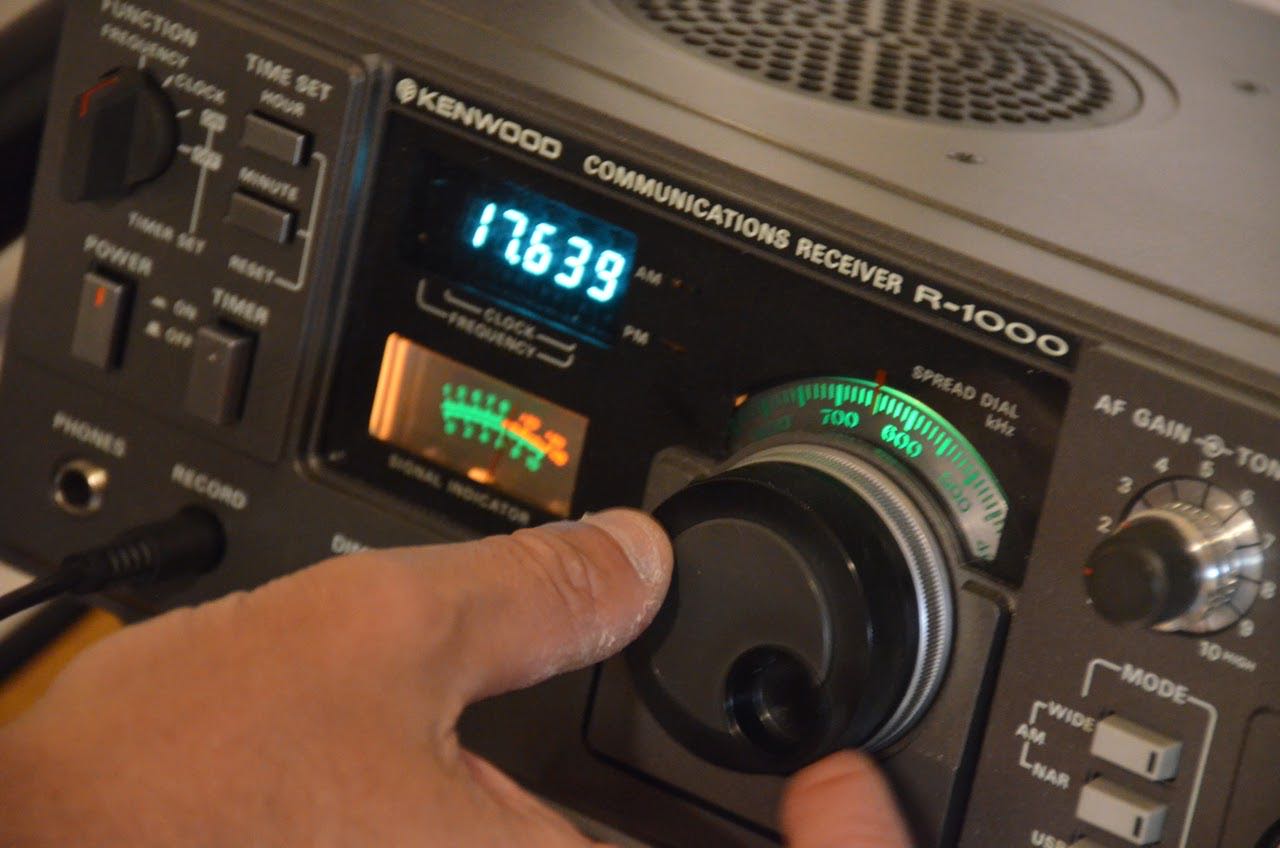
I only got it as it contained a review of the then spanking-new Trio R-1000 HF receiver, which I was thinking of splurging my meagre wages on.

On the basis of that review, I went ahead with the purchase and discovered it was a cracking RX and I only sold it on in the early 90’s to enable the purchase of an ICOM R-7000, another cracker!

Merry Christmas to you and all listeners everywhere.

Thank you for sharing your memories with us, Andy, and Merry Christmas to you!