Shortwave listening and everything radio including reviews, broadcasting, ham radio, field operation, DXing, maker kits, travel, emergency gear, events, and more
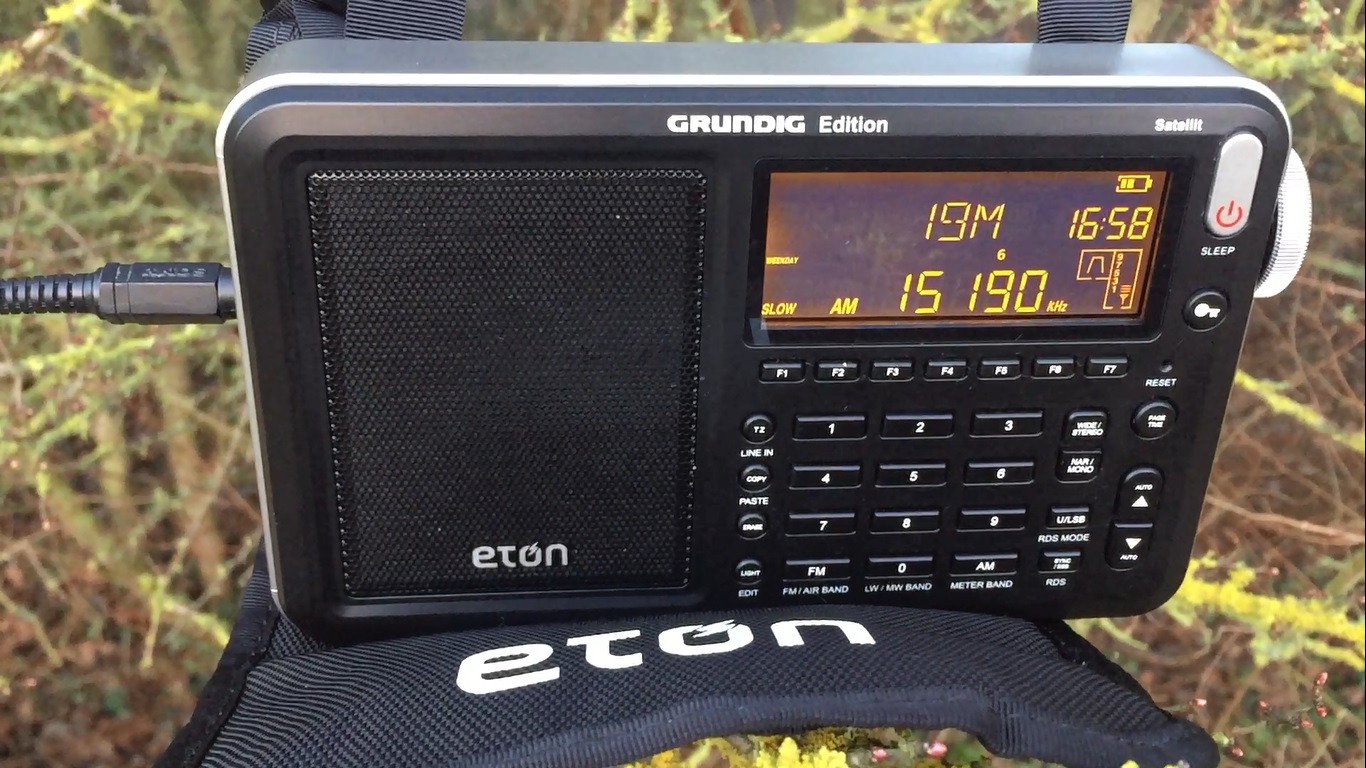
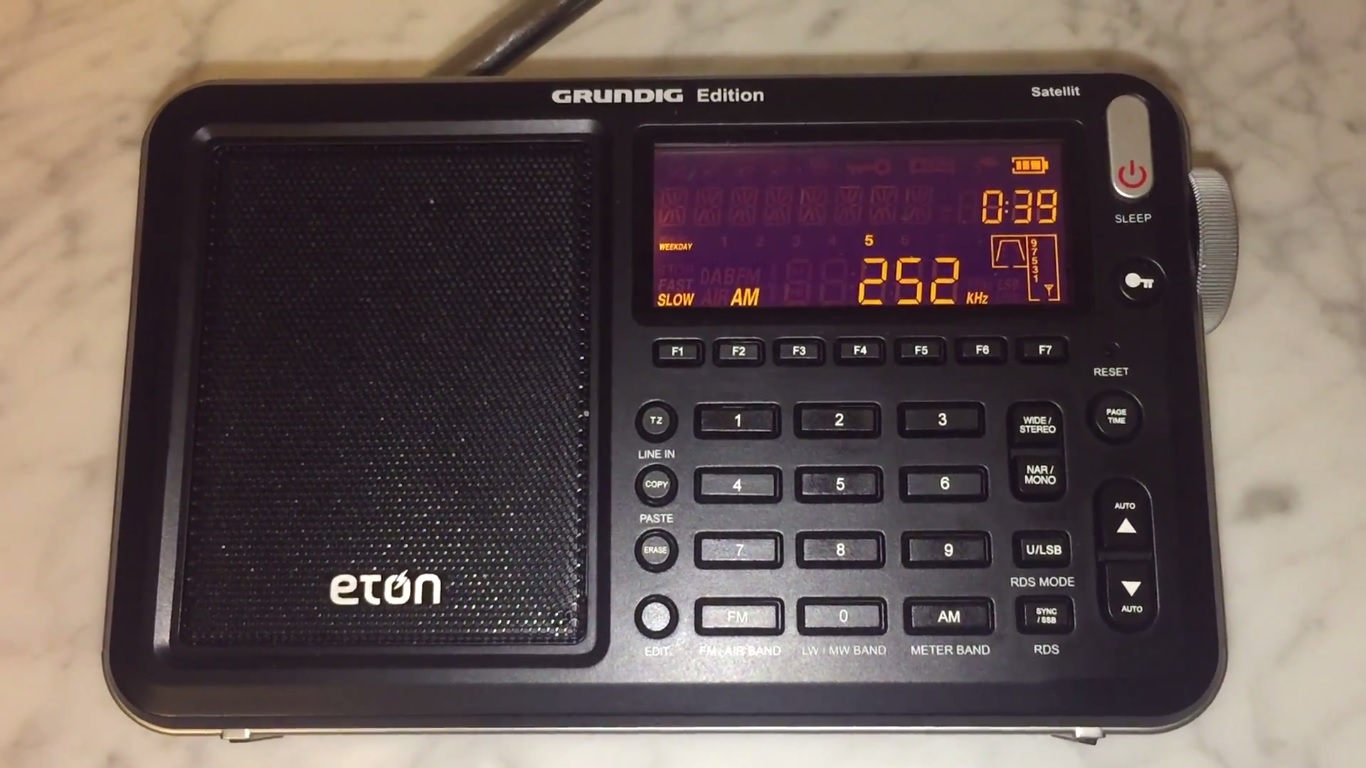
Hi there, it’s been about three weeks now since I started DXing with the Eton Satellit and I thought it time to post an updated review, based on my experiences thus far, along with some recent catches. Noting that other radio hobbyists with a strong presence online have been posting neutral to negative reviews on this receiver, I would just like to point out, perhaps rather obviously, that no receiver is perfect and just as importantly, the criteria on which a portable radio is judged will be different from user to user, based on their listening habits. I am almost exclusively engaged in DXing with the Satellit, whilst others will be listening on the broadcast bands on a more casual basis. I know that for some, the ultimate quality and finish of a product is as important as performance and they would make their physical assessment in a very detailed manner. I on the other hand focus mainly on performance and as regards quality, I’m reasonably satisfied if it doesn’t fall apart in my hands, straight out of the box! That actually happened – and it’s sort of where I draw the line 🙂 I guess the point is, I try to respect everyone’s opinion, irrespective as to whether we are in agreement or not and I believe that’s healthy for the future of our hobby.
Ok, back to the Satellit. Firstly, I am able to confirm that in terms of ultimate sensitivity, this portable is very close to my Sony ICF-2001D – one of the most highly regarded portables ever made. The delta in performance between the two is most perceptible on the weakest of fading signals that intermittently deliver audio with the Sony, but can’t be heard on the Eton. On stronger signals, my experience is that either radio might provide the strongest and or highest fidelity audio. I have a series of comparison videos already in the can, which will be uploaded to the Oxford Shortwave Log YouTube channel soon.
In terms of selectivity, the digital bandwidth filters work very well, although I note that even on the narrowest setting (2 kHz) when operating in a crowded band, adjacent channel QRM can occasionally still sound quite pronounced, as compared to my Sony ICF-SW55 or ICF-2001D receivers. As regards synchronous detection, this is more of a hit-and-miss affair. Subscribers to my channel might notice that in nearly all of my reception videos featuring the Eton Satellit, I have not engaged the SYNC. That isn’t to say it doesn’t work, however, even with selectable sidebands, the SYNC mode often appears to increase the overall signal amplitude and noise floor, without positively influencing the SNR. However, it’s interesting to note that signals on the Satellit in AM mode often almost match the ICF-2001D in SYNC mode, in terms of overall SNR. More on that to come.
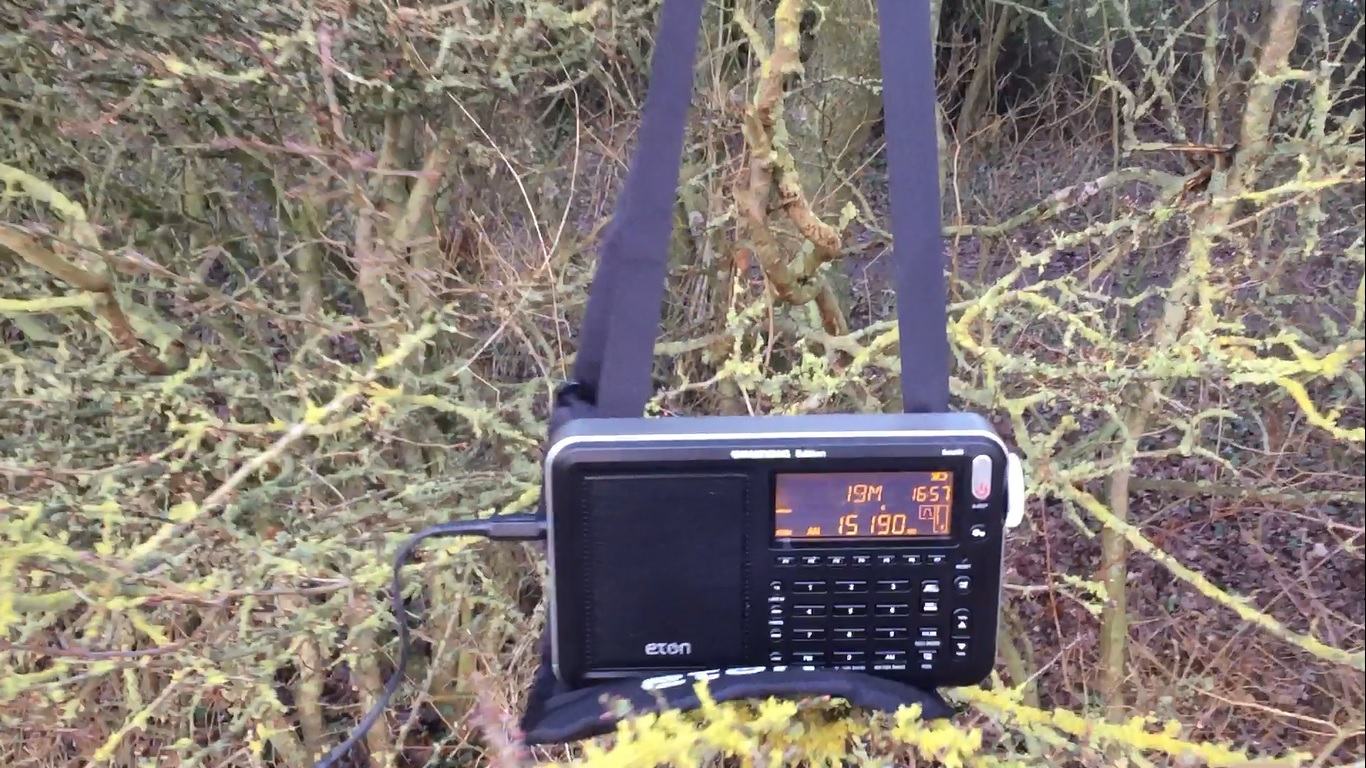
There are a number of ways to tune the radio; manually using the tuning knob (and this has a decent feel/ resistance to it), direct frequency input which requires pressing the ‘AM’ button to engage, automatic search and access to 700 memory locations, via 100 screen pages. In the real world – and by that I mean ‘my world’ which is most often in the middle of a field, or the woods, all of the above tuning options are as ergonomic as most of my other portables. With regard to SSB reception, there are fast, slow and fine tuning options with a maximum resolution of 10 Hz and this works very well to reproduce natural sounding speech in LSB and USB modes. The tuning speed/fine options are engaged by pressing the tuning knob inwards towards the set – quite a neat idea. With SSB and SYNC there’s always a little pause whilst the electronics engage – a set of chevrons appear on the screen to indicate the receiver is actually doing something. It’s similar to the Sony ICF-SW77 where you effectively toggle between SYNC USB and LSB and wait for lock. Not an issue for me, but it might annoy some, particularly those who have experience with the ICF-2001D, where SYNC engagement is instantaneous, if the signal is of sufficient strength. A small point, but worth making.
So, overall, a brilliant little radio that in my opinion is completely worthy of the ‘Satellit’ branding, at least in terms of ultimate performance. As I mentioned previously, one of the most experienced DXers I know, with more than 3 decades of listening to the HF bands and an owner of a number of vintage Satellit receivers noted that the Eton Satellit outperformed them – and by some margin. To further demonstrate this, I have included links to recent reception videos. In particular, I copied three of the regional AIR stations with signal strength and clarity that had never previously been obtained. I also copied HM01, the Cuban Numbers Station for the first time on the 11 metre broadcast band, Sudan and Guinea on the 31 metre broadcast band (a whopping signal from Guinea) and Polski Radio 1 on longwave. I hope you find them interesting. Since featuring the Satellit on my channel, one of two of my subscribers have purchased this radio and thus far have been very happy indeed with it’s performance.
Ultimately, I have to strongly recommend this portable to anyone interested in DXing and in particular those that embark on DXpeditions. I just hope that should you decide to buy one, you receive an example that performs was well as mine. Embedded reception videos and text links follow below, In the mean time and until my next post, I wish you all great DX!
Clint Gouveia is the author of this post and a regular contributor to the SWLing Post. Clint actively publishes videos of his shortwave radio excursions on his YouTube channel: Oxford Shortwave Log. Clint is based in Oxfordshire, England.
The University of Alaska Fairbanks Geophysical Institute is planning its first research campaign at the High Frequency Active Auroral Research Program facility in Gakona.
At the end of February, scientists will use the HAARP research instrument to conduct multiple experiments, including a study of atmospheric effects on satellite-to-ground communications, optical measurements of artificial airglow and over-the-horizon radar experiments.
Members of the public can follow one of the experiments in real time. Chris Fallen, assistant research professor in space physics, will be conducting National Science Foundation-funded research to create an “artificial aurora” that can be photographed with a sensitive camera. Observers throughout Alaska will have an opportunity to photograph the phenomenon, which is sometimes created over HAARP during certain types of transmissions.
Under the right conditions, people can also listen to HAARP radio transmissions from virtually anywhere in the world using an inexpensive shortwave radio. Exact frequencies of the transmission will not be known until shortly before the experiment begins, so follow @UAFGI on Twitter for an announcement.
Operation of the HAARP research facility, including the world’s most capable high-power, high-frequency transmitter for study of the ionosphere, was transferred from the U.S. Air Force to UAF in August 2015.
Research funding agencies include the National Science Foundation, Department of Energy’s Los Alamos National Lab and the Naval Research Laboratory.
ADDITIONAL CONTACTS: Contact HAARP personnel with any questions at [email protected].
Many thanks to SWLing Post contributor, Ashok Shankar Das, who shares the following guest post originally published on his blog SWLDAS:
International Radio Fair and World Radio Day
by Ashok Shankar Das
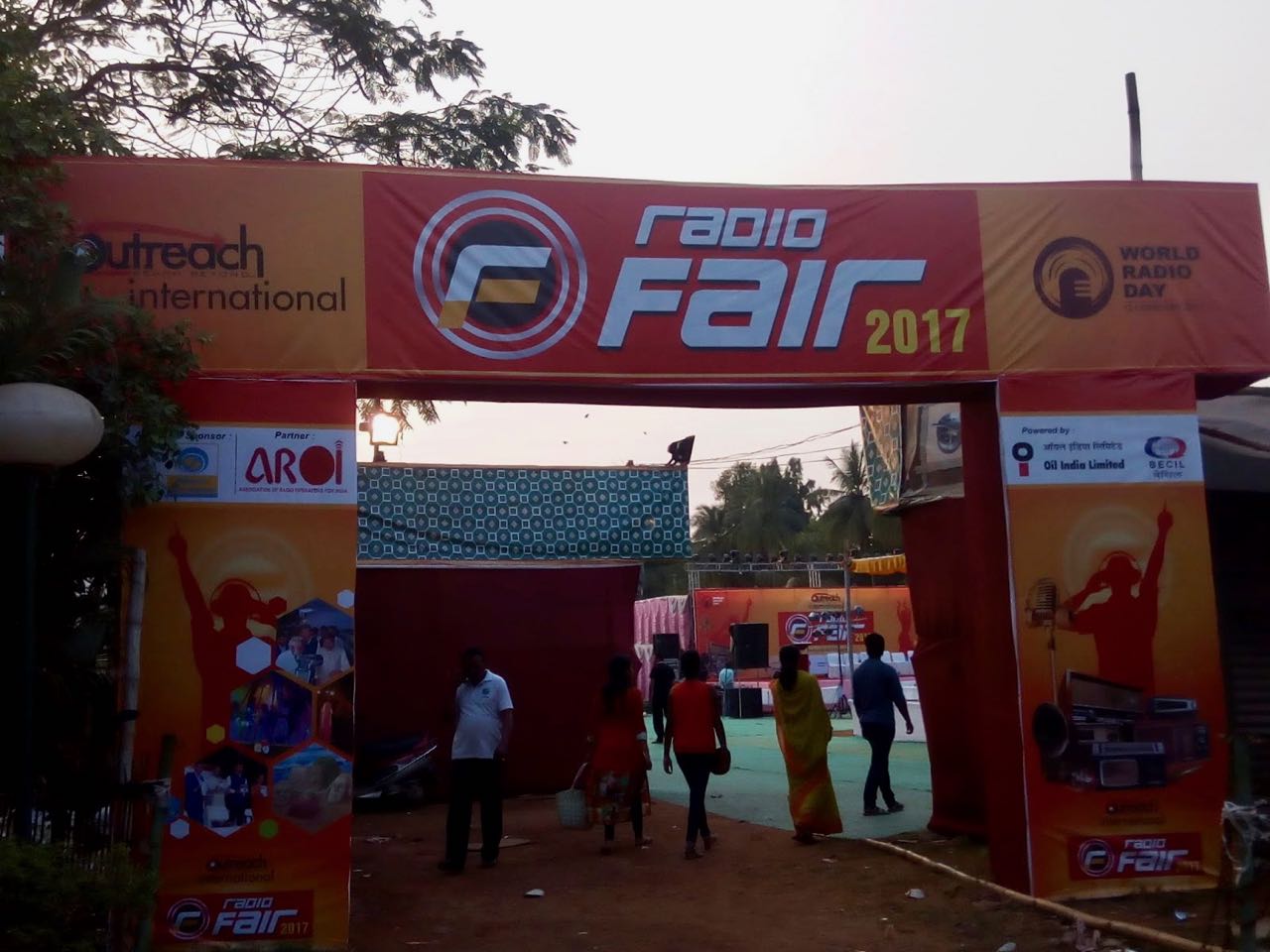
For last few years Outreach International used to organize a radio fair. This year too they organized “International Radio Fair 2017” at Bhubaneswar, Odisha. Besides other participants, Amateur Radio Society of Odisha (ARSO) participated in the fair too.
Main Attractions
The main attractions of this fair was HAM radio, vintage radio collection and radio related stamp collection.
International Radio Fair 2017 Bhubaneswar, Odisha.
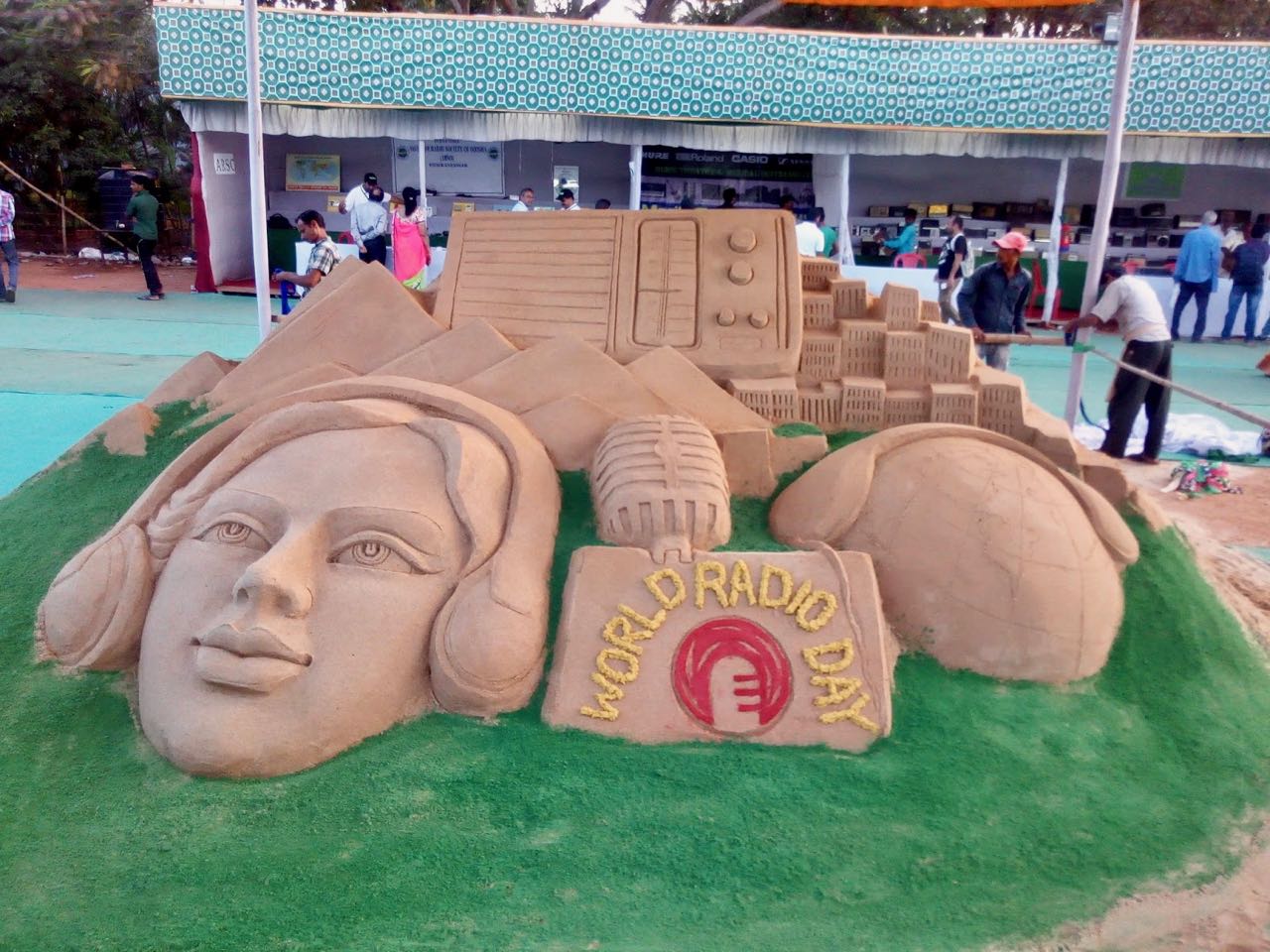
The Sand Art for World Radio Day in the venue
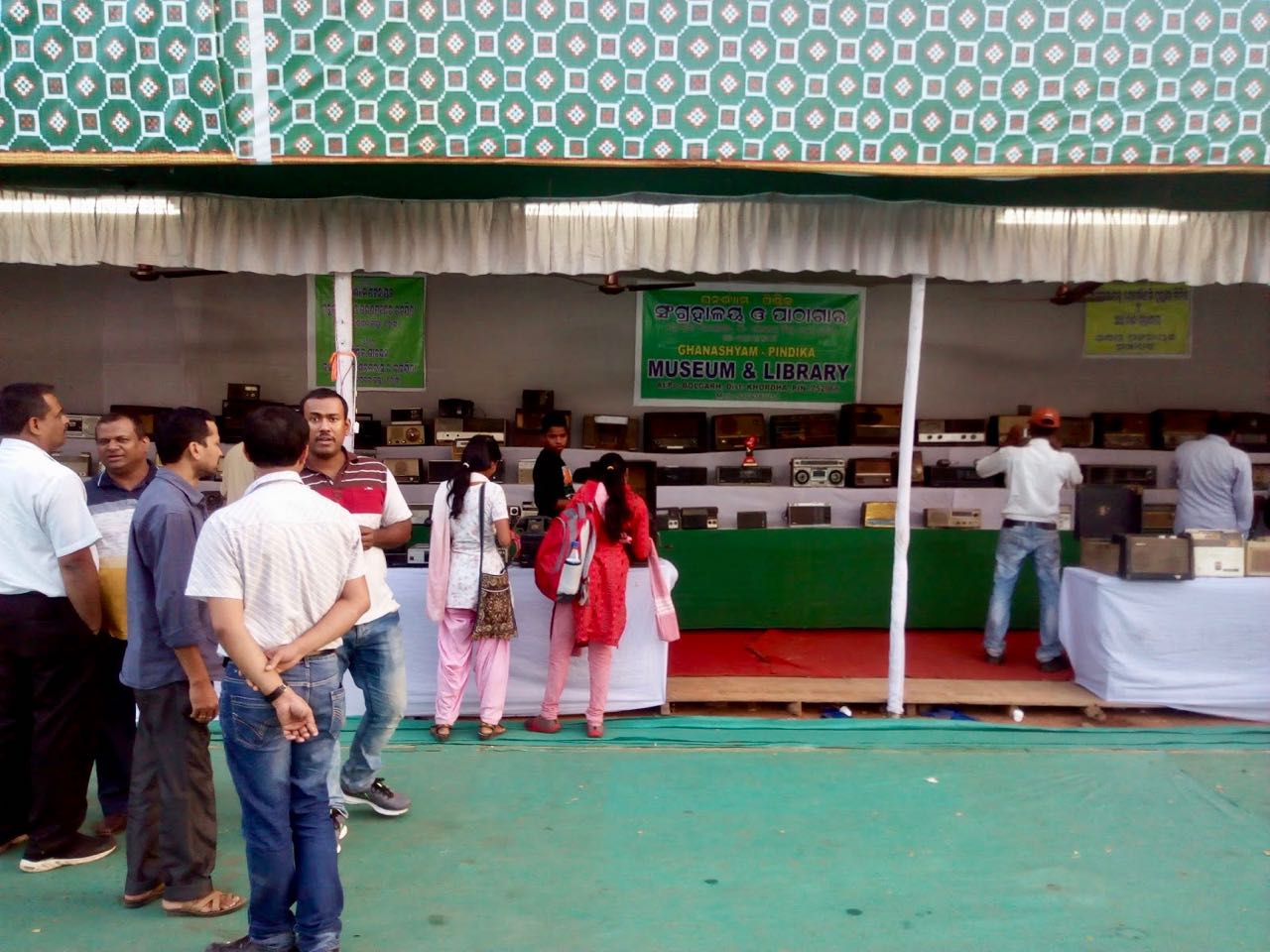
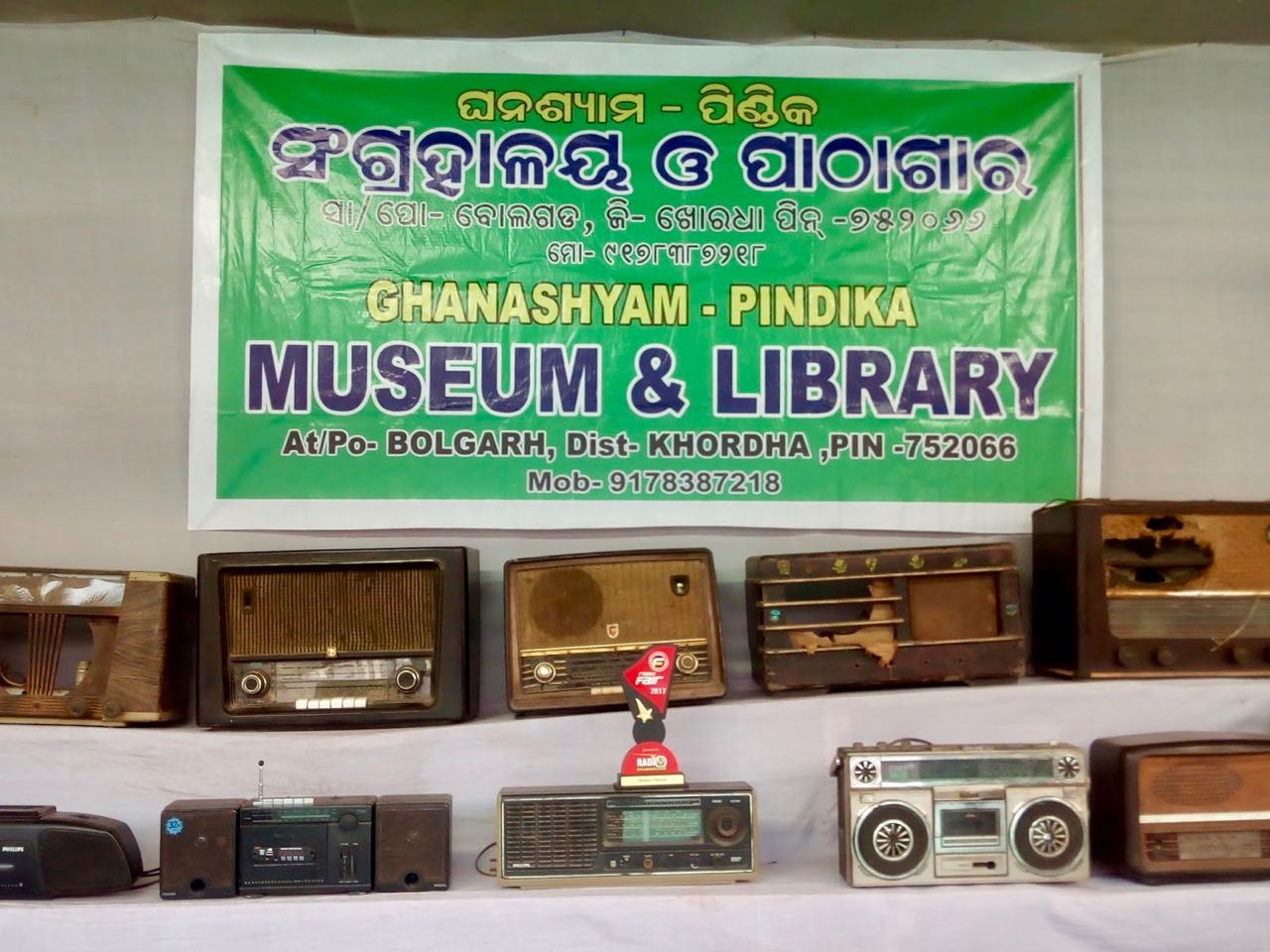
Vintage Radio collection
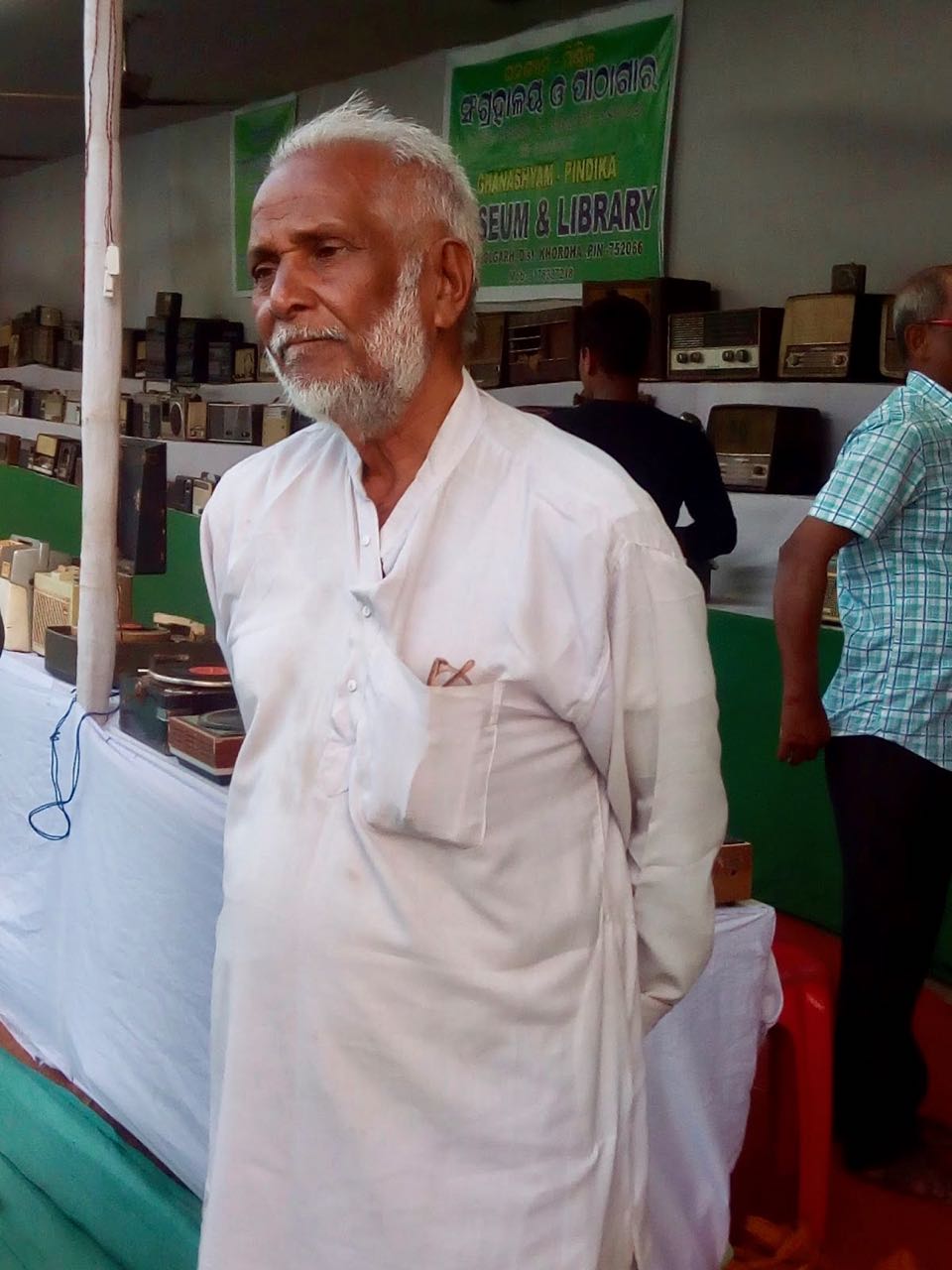
Mr. Ghanasyam collected several radios Most of them are vintage tube radios. Though they are non functional but for a museum it is very nice to see radios from my Grand fathers time. Around 500 to 600 radios were on display.
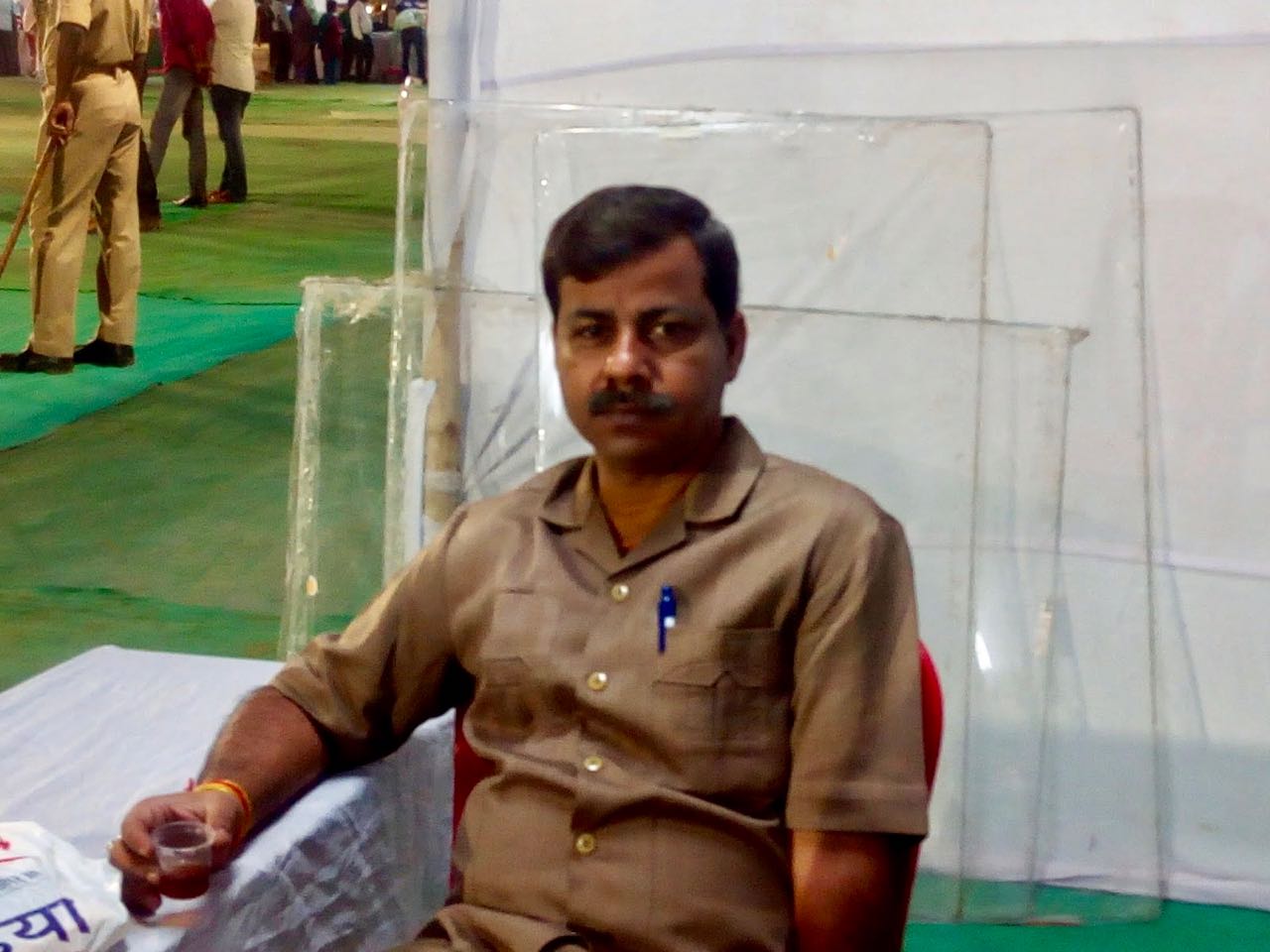
Mr. Ghanashyam in his 80s now a radio lover, I would say Radio Crazy man.
Vintage Radio Stall from a distance.
Few Radios with close-ups.
His collection includes several radios from Philips, Murphy, Bush and HMV to name a few…
Radio Philatelist
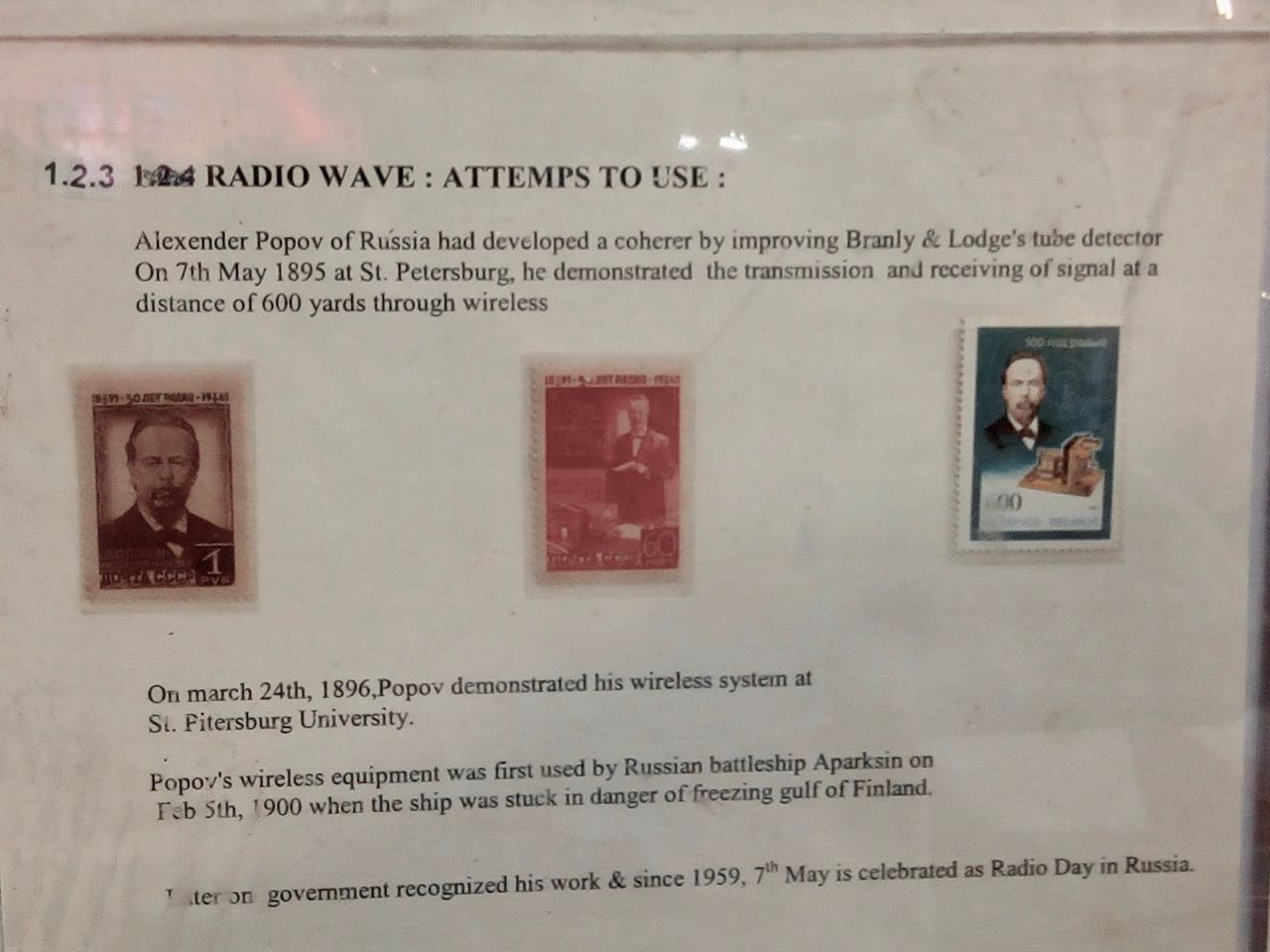
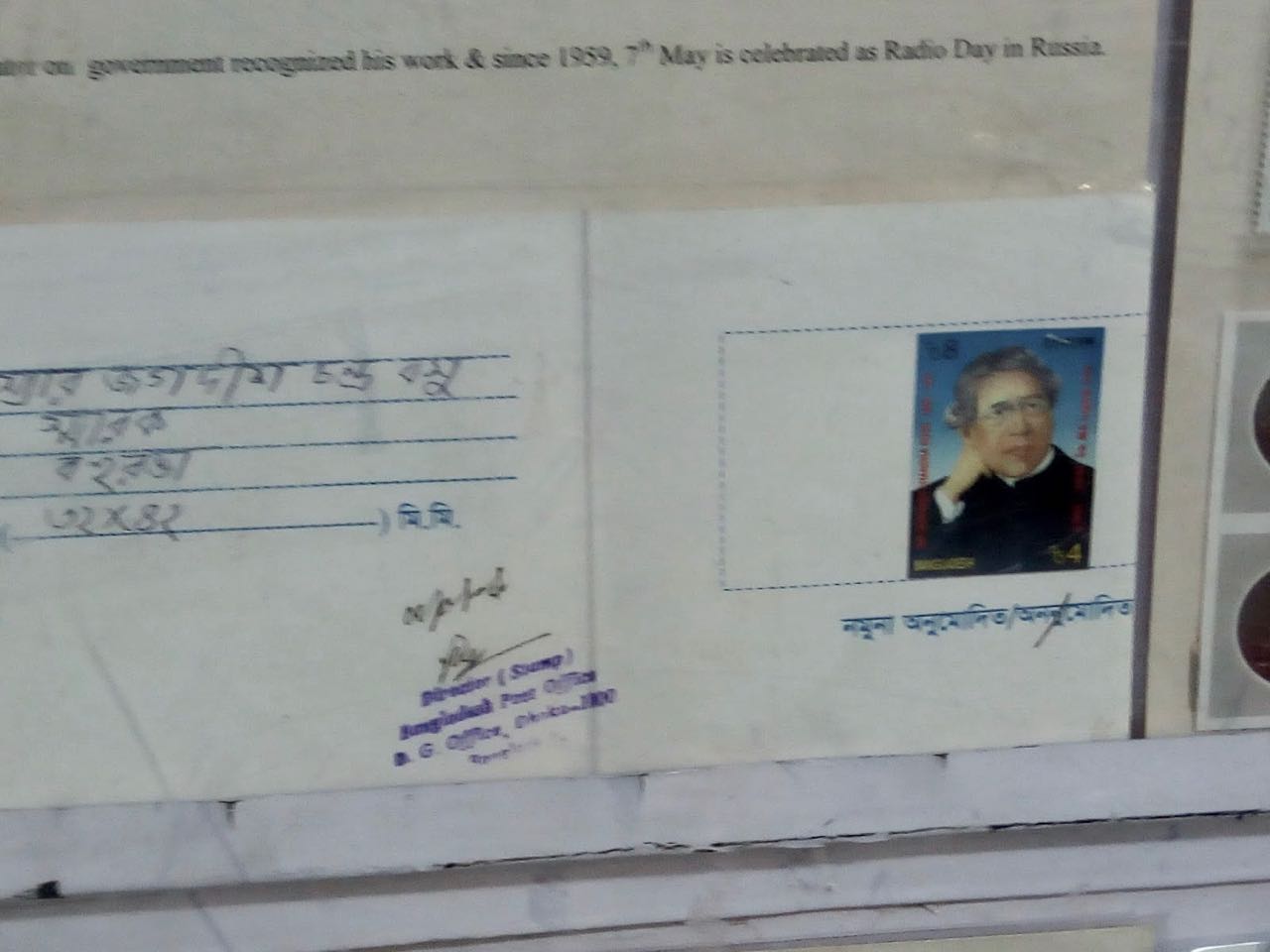
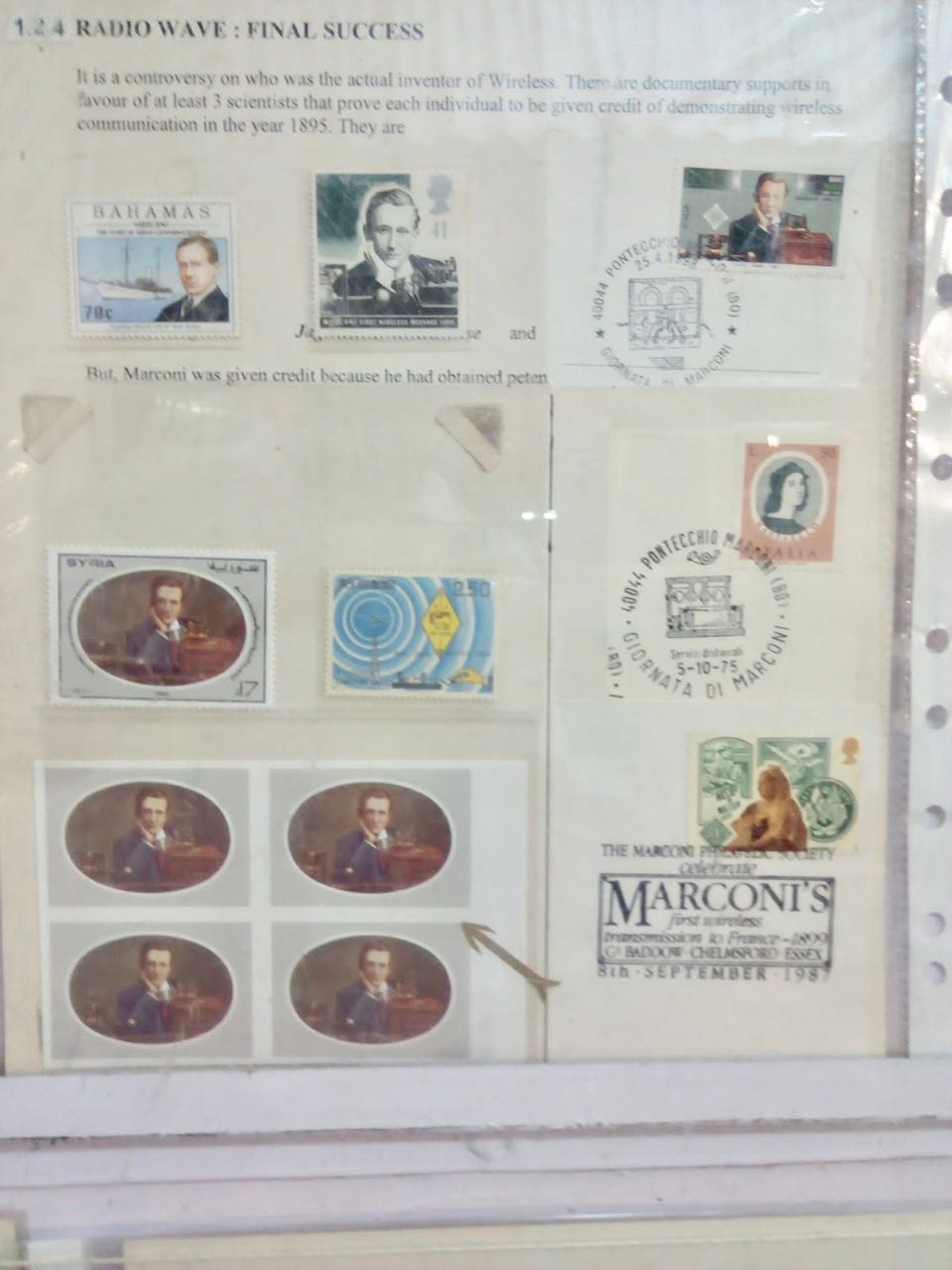
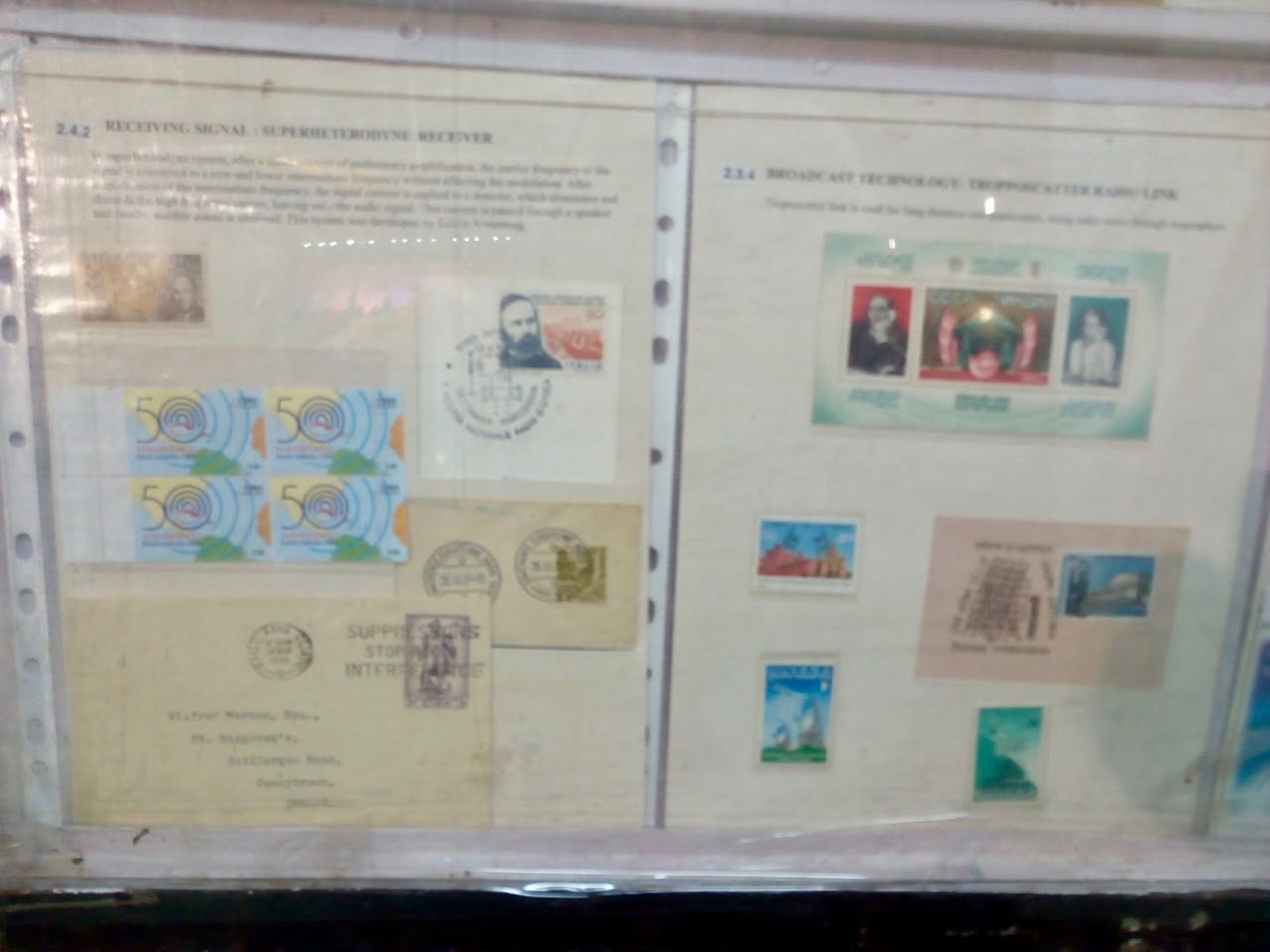
The other attraction is Philatelist Mr. Ashok Kumar Tiwari. his collection includes Radio inventors/researcher, development of radio, broadcast history, Emergency Communication and HAM radio. A very nice and exhaustive collection.
Alexander Popov
J.C Bose
G.Marconi
HAM radio related.
I could not put all the pictures of his collections, its huge…
Last but not the end…
The HAM radio stalls
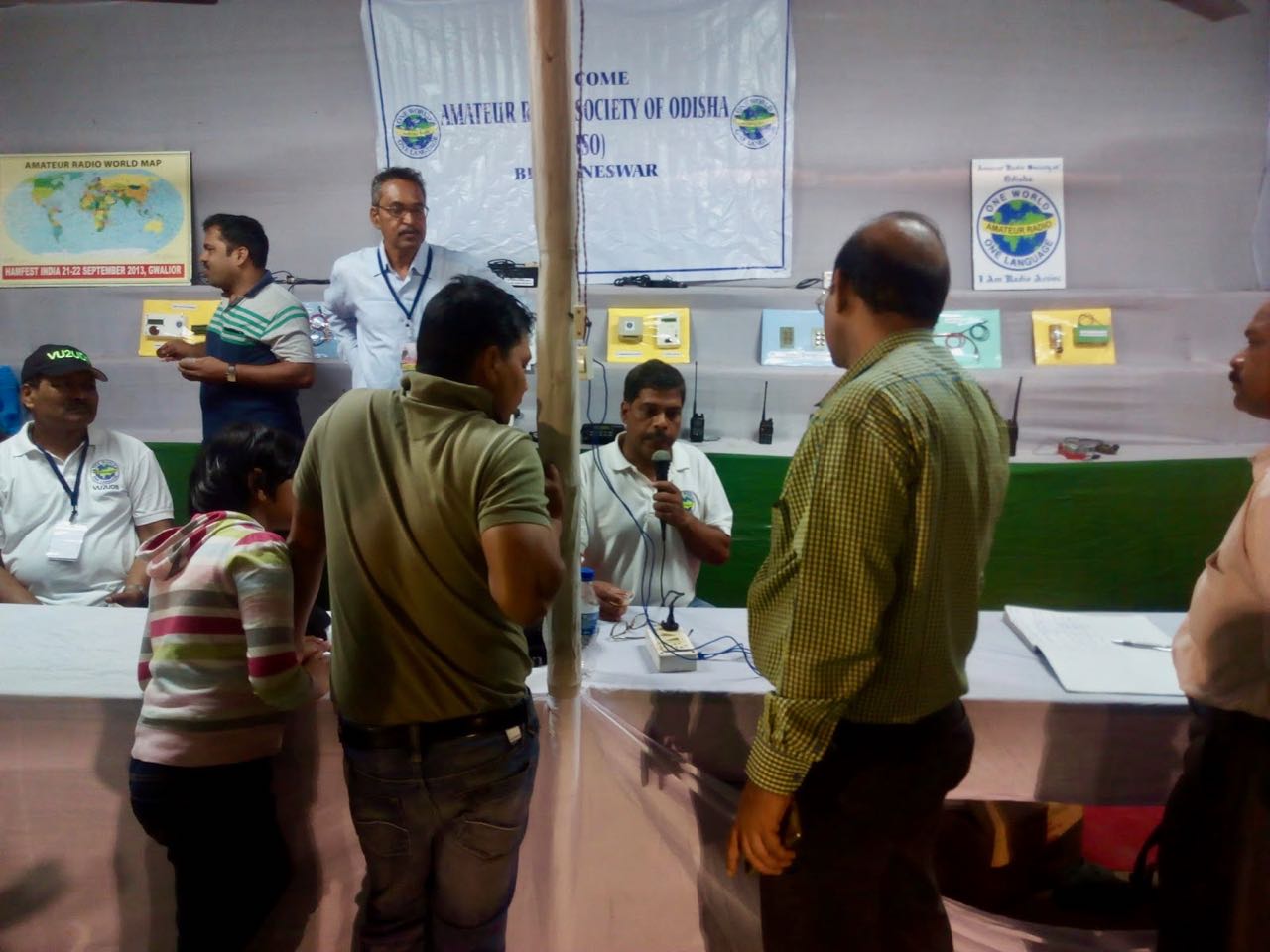
In this category ARSO Bhubaneswar and ARCCS from Kolkata put up their stalls. Evan they have made a special call-sign for this Event(AT0IRF). In ARCCS stall, they have displayed and try to promote ON-AIR and how to reach out more people. On the other hand ARSO team focused on HAM radio Homebrew and Radio concepts.
VU2PQS(sitting) VU3XUS and VU2AOR
VU2PQS describing About HAM radio
VU2ABG from Surat came to meet ARSO team.
Concluding remarks
Though it was a very nice initiative, participation should have been more. Though it is organized jointly by UNESCO no International participation seen. hope coming year these shortcomings are fulfilled.
Ashok, thanks so much for sharing your photos and comments from the International Radio Fair and World Radio Day in Bhubaneswar.
National VOA Museum to celebrate 75th anniversary of Voice of America
There’s an important birthday celebration in West Chester this year: the 75th anniversary of the Voice of America.
“We’re planning a series of events and exhibits this year to celebrate the VOA’s commitment across America and the world to embrace best practices in telling the truth in order to let the world decide,” said Jack Dominic, museum executive director.
The VOA was formed in 1942 as a way to counteract Nazi propaganda in Germany and provide war news to American troops and Allies overseas.
“WLWO, a division of WLW, was transmitting news via shortwave radio overseas long before 1942,” said Dominic. “In fact, broadcasters from WLWO provided the nucleus of the early VOA broadcasting team. Cincinnati’s shortwave technology and its broadcasters truly helped the U.S. win the war.”
The reentrant rhombic antennas at the VOA-Bethany station in West Chester were so powerful that they became quickly known as the “siege guns of radio” for their capacity to reach the far corners of Nazi-occupied countries with little audible distortion. A frustrated Adolph Hitler was known to call the VOA “those Cincinnati liars.”
The VOA-Bethany station transmitted VOA news to Europe during WW II and South America during the Cold War through its innovative shortwave rhombic antenna network developed by the Crosley Corporation. The Bethany station was decommissioned by the federal government in 1994, after shortwave radio technology was supplanted by television and satellite technology.
“The men and women who made up the VOA broadcasting system were our journalistic beacons of light during the 20th century,” said Ken Rieser, president of the VOA museum board.
“Elmer Davis, John Houseman, Edward R. Murrow and Robert Bauer all had positions of leadership within the VOA.
“We hope that the VOA enjoys many more years of embracing the highest of journalistic standards in its reporting so it inspires people in war-torn and oppressed countries to hope, dream and work toward democracy.”
The Voice of America, based in Washington, D.C., is the world’s largest international broadcaster, providing balanced and comprehensive news and information in 47 languages to 236 million people each week, according to the VOA website. It continues to reach people in countries lacking a fee press today and its languages include: Russian; Ukrainian; Azerbaijani; Serbian; Armenian; Thai; and Somali.
The National VOA Museum of Broadcasting is located in the art deco Bethany station building and houses three collections: Gray History of Wireless radios; VOA-Bethany station’s Voice of America control room; and the Media Heritage Cincinnati Museum of Broadcast History. The West Chester Amateur Radio Assn. operates station WC8VOA from the museum building.
The VOA museum now offers an annual $50 membership that provides free admission for the member, an adult guest, and up to three children under 12. Members also receive updates and advance information about new exhibits and programs.
For $250, members receive the benefits above, as well as a 50 percent discount on any and all lectures, programs or visiting exhibit tickets.
The National VOA Museum of Broadcasting is open the third Saturday of each month from 1 to 4 p.m. Admission is $5 for adults and $1 for children. The museum is located at 8070 Tylersville Road in West Chester.
Museum will be open this Saturday, Feb. 18
For more information, visit the VOA Museum website at www.voamuseum.org or call (513) 777-0027.
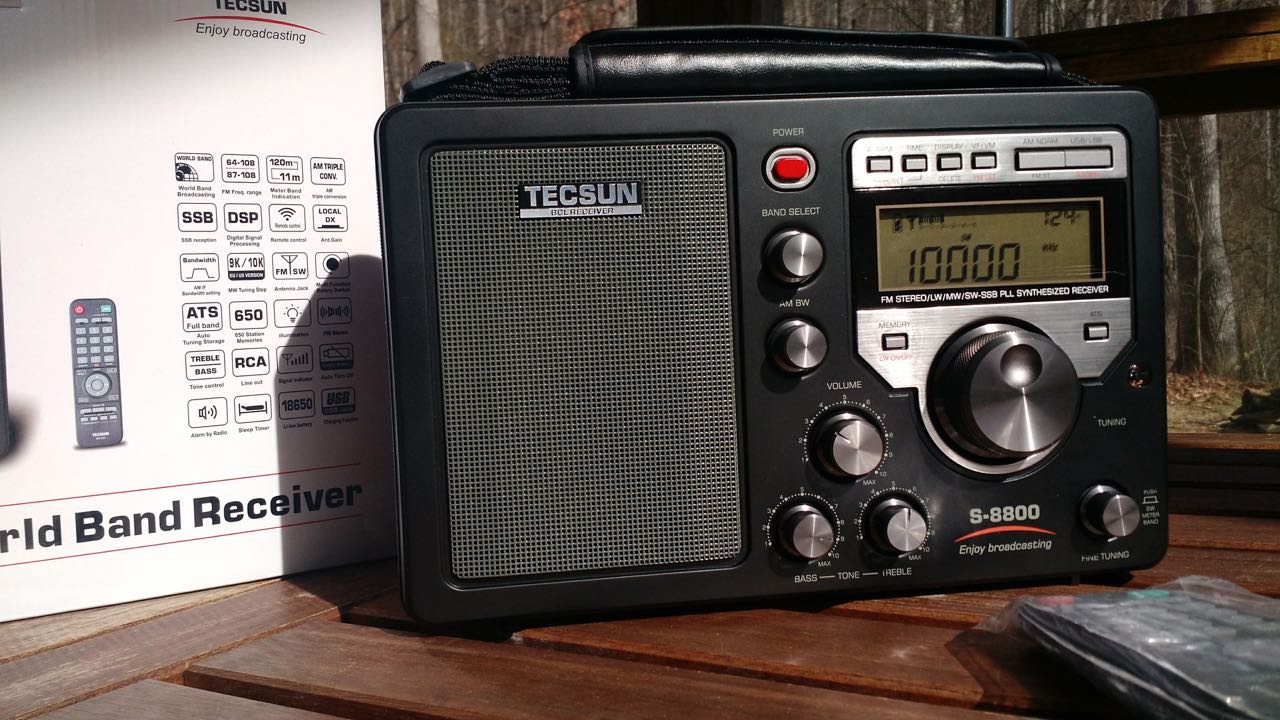
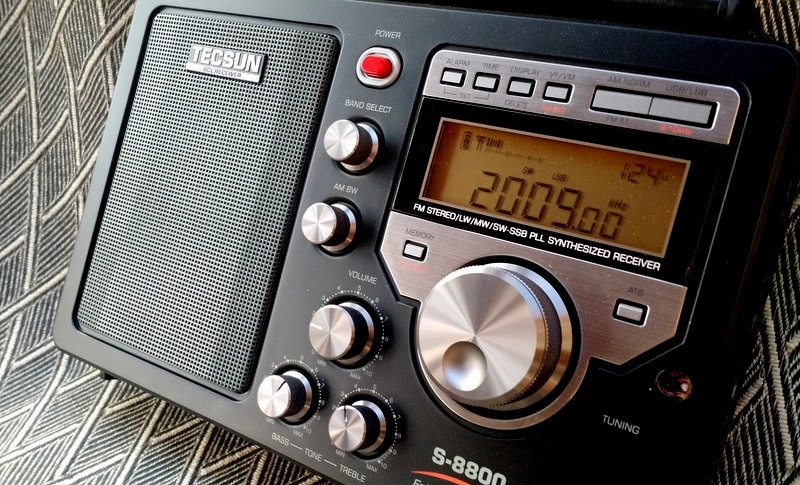
If you’re considering purchasing the Tecsun S-8800, this is an important post.
I’ve had the S-8800 for about two weeks and had planned to have audio clip comparisons prepared and posted by now. My exceptionally busy schedule has made this difficult–and there a few other complicating factors.
First off, the good news: in terms of sensitivity, selectivity and audio fidelity, I’m very happy with the S-8800. I’ve compared it a number of times with the Tecsun PL-880 and the Sony ICF-SW7600GR and it either holds its own or even has a leg-up on both radios in terms of overall performance. I find that the S-8800’s AGC is more stable than my 1st generation PL-880.
Of course, what will be most telling is what you, dear reader, think of the performance when compared in a blind audio test.
As I mentioned, though, there are complicating factors–It’s not just my schedule which has made the S-8800 review come to a halt.
Birdies…
Yes, birdies. Lots of them.
At first, I thought the noises were due to the fact my mobile phone and Zoom H2N digital recorder were too close to the S-8800. I dismissed this interference as it didn’t sound like the typical steady tone/carrier birdies I’ve come to loath over the years.
As my testing continued, though, I quickly realized these variable heterodyne and digital hash noises must be internally-generated.
Quite literally, as I was outdoors testing the S-8800 and making this discovery last week, I received a message from SWLing Post contributor, Bertrand Stehle (F6GYY). You might recall, Bertrand provided us with an initial review of his S-8800e (the European version of the S-8800). He also started noticing the birdies and, like me, initially assumed they were due to an external source of RFI.
Bertrand kindly mapped out the extensive list of birdies he found on his S-8800e–he noted a total of 81 birdie/carrier locations:
14 birdies on longwave
4 birdies on mediumwave
63 birdies between 1859 – 29095 kHz
Comparing notes, there are some differences between Bertrand’s S-8800e and my S-8800:
Only 50-60% of the birdies on my S-8800 are in the same frequency locations as those mapped by Bertrand on his S-8800e
The total number of birdies, however, are likely identical–I find birdies where Bertrand hadn’t noted them
The appearance and intensity of the birdies can vary depending on listening location and the strength of any nearby broadcast signals. I’ve noticed four distinct birdie sounds: a variable carrier, a steady carrier, digital hash, and something I might describe as digital variable noises.
I’ve even noticed some change slightly as you move the radio around.
Obviously, this is a major issue for an enthusiast-grade portable.
I’m sharing all of this information with Anna at Anon-Co. No doubt, she’ll share this information with Tecsun engineering. The last I heard, projected availability of the S-8800 from Anon-Co is late March 2017. Perhaps there will be time for Tecsun to eliminate these birdies by improving internal grounding and/or shielding?
Until the birdie issue is sorted out, I’m not proceeding with audio comparisons or a full review. It goes without saying that, at present, I couldn’t recommend purchasing the S-8800. Sad, because this is otherwise a great radio.
I hope Tecsun can sort this out, though.
I will share any/all updates here on the SWLing Post.

 Many thanks to SWLing Post contributor, Mark Hirst, who writes: