Category Archives: Shortwave Radio

KBS seeking reports for test transmissions this week

kbs_worldMany thanks to SWLing Post reader, @andy_fab, who shared the following press release from KBS via Twitter:

Test Transmission Notice

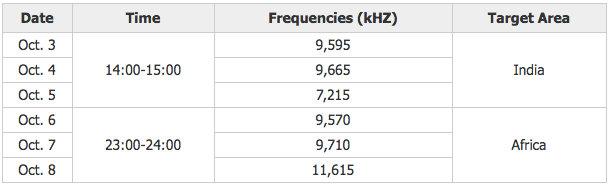
KBS World Radio English Service will carry out test transmission from October 3 to 8 ahead of the B16 shortwave frequency adjustment. Please tune into the following frequencies and send us your reception reports. Your feedback will help us greatly in choosing the best frequency option for the new season. Thank you!

kbs-schedule

Click here to submit a KBS listener report.

Hurricane Watch Net frequencies: monitoring “ground truth” observations

hurricane-matthew

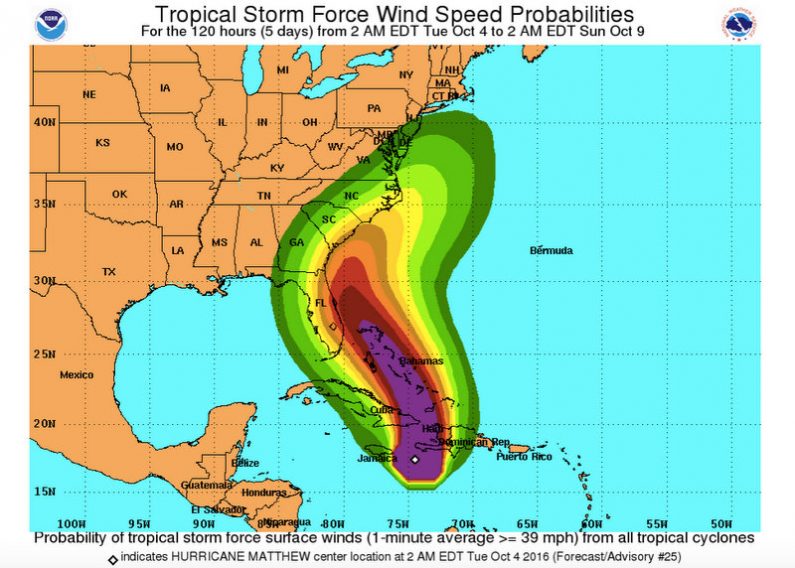
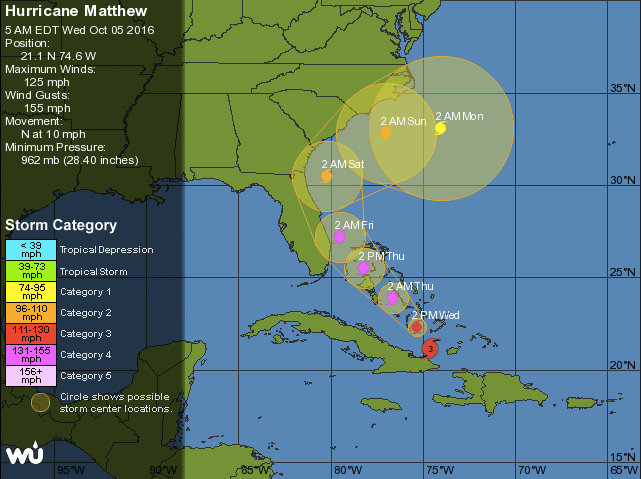
As Hurricane Matthew makes its slow trek through the Caribbean, it is expected to have impact on the Bahamas, Florida, South Carolina and North Carolina. It has already battered Haiti and Cuba.

A few readers have asked about frequencies to monitor as the storm approaches.

Hurricane Watch Net (HWN)
hwn-hurricane-watch-netThe Hurricane Watch Net is a group of amateur radio operators who are trained and organized “to provide essential communications support to the National Hurricane Center during times of Hurricane emergencies.” The HWN focuses on “ground truth” observations (much like SkyWarn nets).

The Hurricane Watch Net is activated when a hurricane is within 300 statute miles of expected land-fall. The HWN covers the Caribbean, Central America, Eastern Mexico, Eastern Canada, and all US Coastal States.

The HWN operates in both English and Spanish, and is active on 14.325 MHz (upper sideband) during the day and 7.268 MHz (lower sideband) at night. The HWN is known to operate on both frequencies if propagation allows.

Please keep HWN frequencies clear

If you’re an amateur radio operator, please avoid using 14.325 MHz and 7.268 MHz anytime the HWN has been activated.

Other emergency net frequencies

ARRL Southern New Jersey Section manager, Skip Arey (N2EI), recently noted several other frequencies being used in the Caribbean:

“CO2KK reports the Cuba National Emergency Net is operating on 7110 primary, 7120 secondary in the daytime, with provincial nets on 7045, 7080 and possibly others. At night the primary is 3740 and secondary 3720. The main net control station is CO9DCN, operating from the Cuban National Civil Defense Headquarters, in Havana, with CO2JC in charge. Volunteer hams across the island nation are going portable to check on flooding of rivers and roads and plan to report in.

The Dominican Republic on Cuba’s eastern neighbor, the island of Hispaniola, is using 7065 kHz LSB for emergency communications.”

Please note these frequencies and, again, keep them clear of non-essential communications.

Monitoring hurricane frequencies
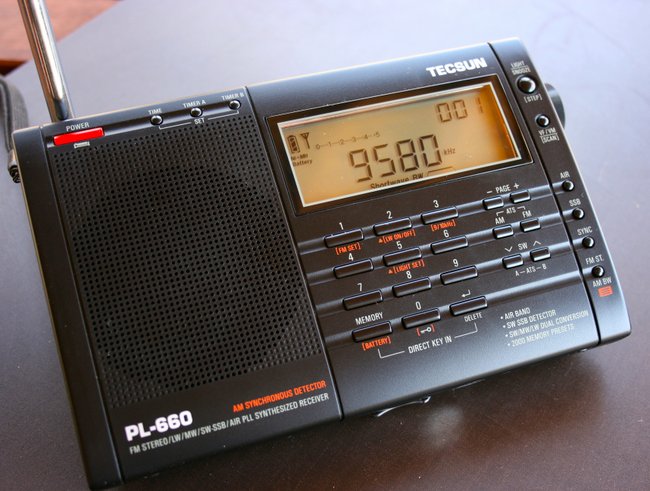
PL-660

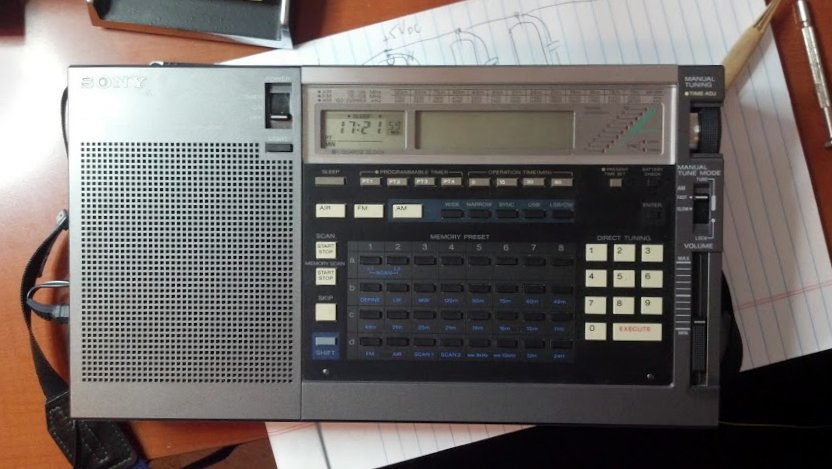
If you have a shortwave radio with a BFO/SSB mode–and you live within the propagation footprint–you can monitor the Hurricane Watch Net.

Note that you’ll need to use upper sideband on 14.325 MHz and lower sideband on 7.268 MHz.

You can also monitor the Hurricane Watch Net via the following web stream: http://www.broadcastify.com/listen/feed/20970/web

Click here to view the Hurricane Watch Net website.

Hurricane Matthew: VOA adds emergency shortwave coverage for Haiti

hurricanematthew

Many thanks to Mauno Ritola who notes the following news via the WRTH Facebook page:

VOA emergency shortwave coverage for Haiti in Creole & English has started as follows via Greenville [North Carolina]:

  • 2200-0200 7305 kHz
  • 0200-1200 7405 kHz
  • 1200-1630 9565 kHz

Last night, I looked at the projected path of Hurricane Matthew. Sadly, Haiti and parts of Cuba will receive the brunt of Matthew’s energy in the Caribbean.

North American SW DX Contest

IMG_20160903_085705777

Many thanks to SWLing Post contributor, John Cooper, who shares the following announcement:

To all North American SW DX contest survey respondents and other interested North American SW DXers. The proposed SW DX Contest is a go, and will be conducted in early January 2017.

I am in the process of drafting the contest rules/ guidelines/prizes together so I can get final approval, and send the information out to you. I will be the primary point of contact for the contest. As it stands right now the NASWA will be a sponsor for the contest according to Richard D’Angelo.

Thanks to everyone who completed surveys and gave me some great ideas. More information will be forthcoming in November. I will get the Contest info posted online at several websites, and by mail to those who sent letters to me.

At any rate; mark your calendars now for a proposed start date of 7 January, 2017. Those of you who might be interested but did not submit a survey are invited to participate fully.

You can contact me at [email protected] or John Cooper, 734 Sally Ann drive, Lebanon, PA 17046.

Many thanks, John, for making this contest a reality! We look forward to posting your updates.

SWLing Post Reader Contest: remembering your “dream radio”

The Sony ICF-2010 was my dream portable in the 1980s.

The Sony ICF-2010 was my dream portable in the 1980s.

Fred Osterman, President of Universal Radio, recently expressed his interest in supporting another SWLing Post Reader Contest. Of course, I eagerly agreed, and we quickly came up with a theme:

Think back to your first days in radio…What was your “dream” receiver?  And why?

Or–if you’re new to shortwave radio–what is your “dream” receiver currently, and why?

Many of us had a radio they dreamed of in their youth, or when they first began to hanker after the radio experience. What was yours?  For newer hobbyists, what is yours? And just what made–or makes–this radio so special? Did you ever obtain one?  And if so, did it live up to your expectations?  Share your experiences with the Post!

ShortwaveReceiversPastAndPresentThe winners of this contest will be chosen at random, using a randomizer application; an independent non-entrant will make these selections.
Thanks to Universal’s generosity, there will be two winners–a US winner and an international winner.

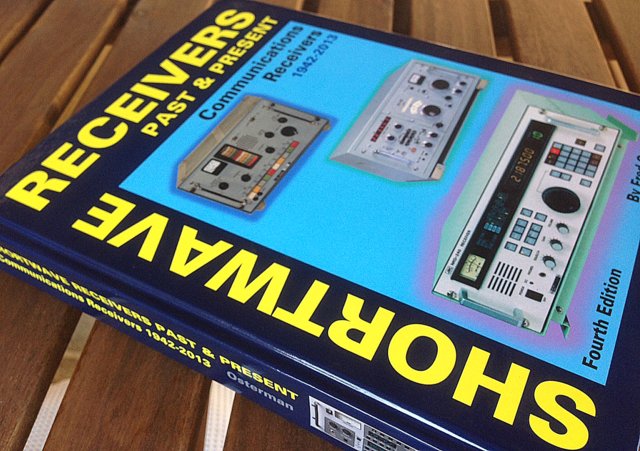
The US prize will be a copy of Shortwave Receivers Past and Present by none other than Fred Osterman. I reviewed this book a couple years ago: it is an invaluable reference tool and also a fun “dream” book.  With sincere apologies to my international friends, this prize must be limited to the US simply because shipping this weighty volume internationally would cost more than the book itself.

The international winner may select between the following (less weighty!) books, also very good references: Joe Carr’s Loop Antenna Book or Buying A Used Shortwave Receiver: A Market Guide To Modern Shortwave Radios.

Entering the contest is easy. Simply go to our entry form (below or click here) and fill in the required fields.  Be descriptive! This will make the contest fun. Let us know in detail why that radio was (or is) so significant to you.

Your entry will be recorded, and the winners chosen at random on Sunday October 16, 2016. We’ll publish the responses once the contest concludes, sharing only the name you provide.

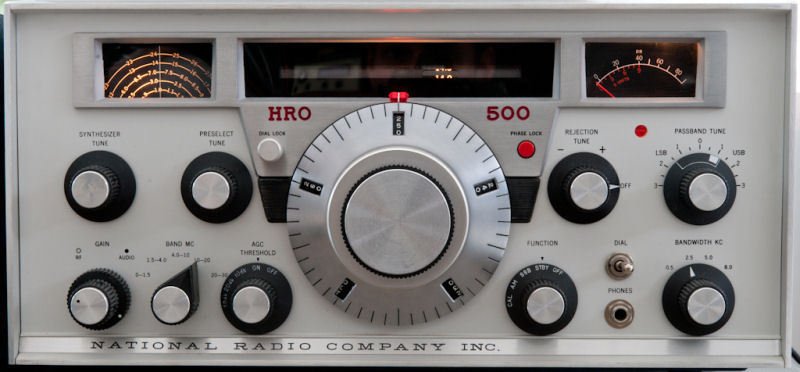
eBay Find: “exceedingly rare” National HRO-500 Receiver

national-hro-500-receiver

Many thanks to SWLing Post contributor, Dan Robinson, who writes:

The number of times a shortwave classic becomes available in this condition over the course of decades, can be counted on two hands, let alone one in new unopened condition:

Click here to view on eBay.

Thanks for the tip, Dan! I’ve never seen the HRO-500 in person, but it looks like a beautiful rig. I love the simple front panel and the classic HRO tuning knob.

I wonder what this HRO-500 will fetch!?!

Datawake: Steven’s new “floating lab”

stephen-roberts-datawake

Photo: Steven K. Roberts

Many thanks to SWLing Post contributor, Steven Roberts, who shares the following update:

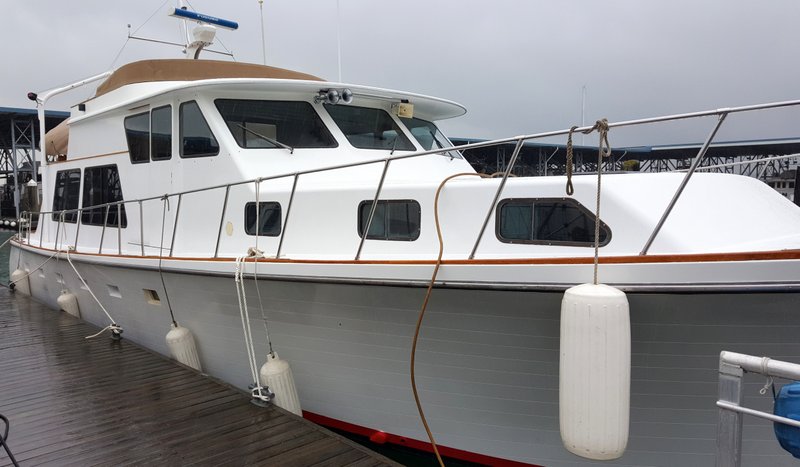
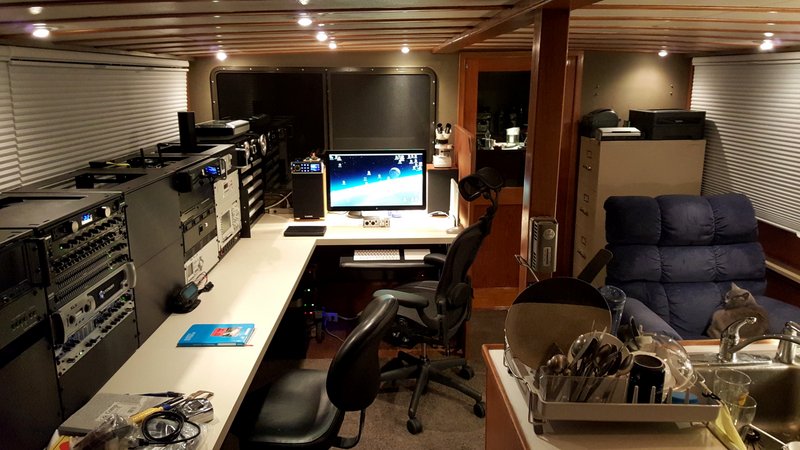
Hi, Thomas!! Thought I’d send an update… I did in fact find a buyer for Nomadness, and have since gone to the Dark Side… for 8 months, I have been living aboard my Delta 50 named Datawake. The sale of Nomadness was via the geek grapevine… last Spring I built a power cart named Shacktopus, and West Mountain Radio used my story about it as their quarterly newsletter. A fellow on the East Coast read that, followed the links, recognized my bike, saw the Amazon 44, and bought it… and he is now preparing to head down the Pacific Coast.

Photo: Steven K. Roberts

Photo: Steven K. Roberts

Here’s the new ship, and the console now includes four HF rigs, D-Star, a few SDR devices, crosspoint audio routing with web interface, electronics lab, and networking goodies. Nice to be back on the air after a year without a proper skyhook!

http://microship.com/meet-datawake/

Amazing, Steven! You have a super power in your ability to turn boats, bikes and pretty much anything into mobile techno-wonders! What craftsmanship!

I love Datawake and appreciate the tour with photos and details you’ve posted. I noticed the Icom IC-7300–perhaps we can have a QSO someday on the air? I’ll look forward to any report you may have about the IC-7300 as a maritime mobile station.

We look forward to future updates!