
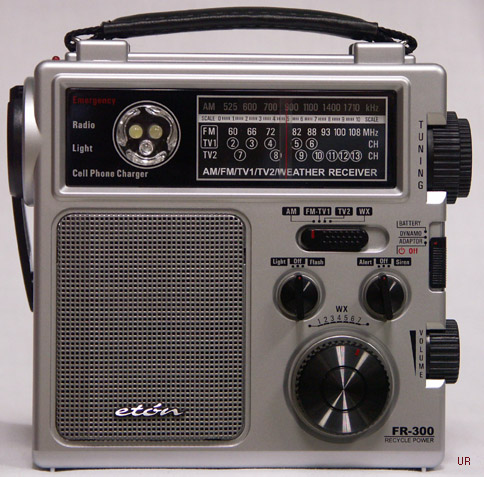
The Eton FR-300 (Source: Universal Radio)
Many thanks to “HoustonCleanListener” who writes:
One more “sticky radio” suggestion.
Here in the Houston area we are getting in to the heart of hurricane season. I have a little Eton FR-300 radio that has am, fm, tv and weather bands, a flashing red light, a white light, and a siren. I hadn’t picked it up in some time, and, while doing a “emergency inventory” today, I picked it up and it was so STICKY!!!
The first thing tried was rubbing alcohol, but the type suitable for first aid which is only 50% which just spread the stickiness around.
I did a “sticky radio” search and up came your blog, which I am already familiar with (no stickiness issues on my trusty Sony ICF-SW/7600GR) .
When I browsed the suggested solutions, “citrus-based” came up. Turns out I had the solution under my sink: “Veggie Wash” is a citrus-based product used to clean fruits and vegetables, and now, radios!
Squirted some on a paper towel and it does the job nicely.
Thanks for the suggestion! Like you, I imagine many others will have Veggie Wash on hand.
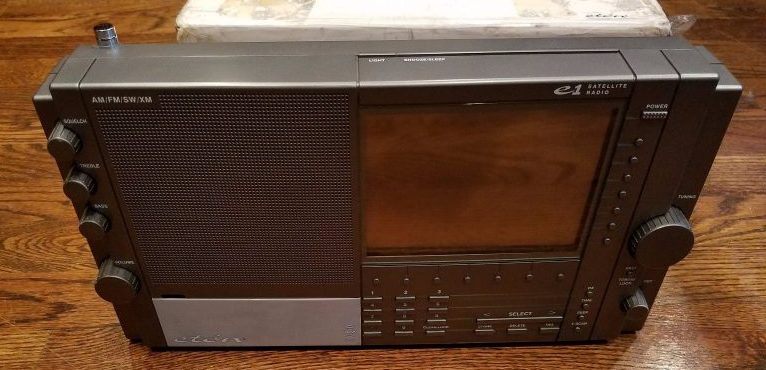
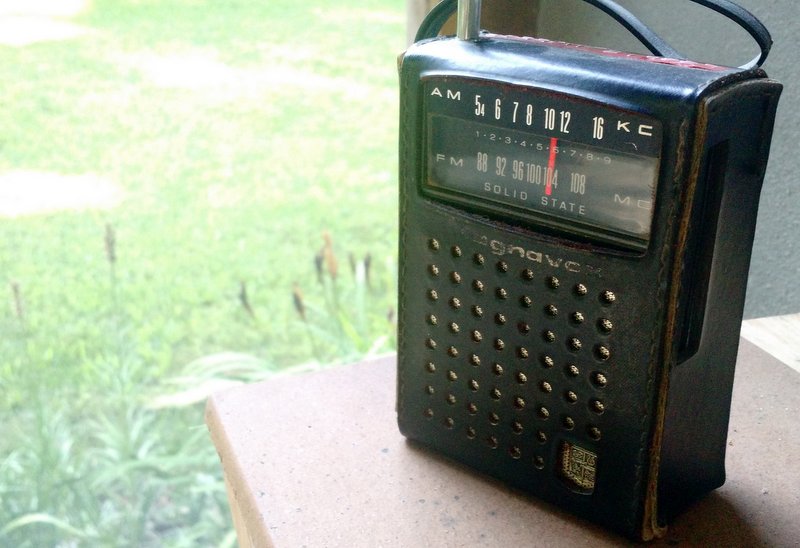
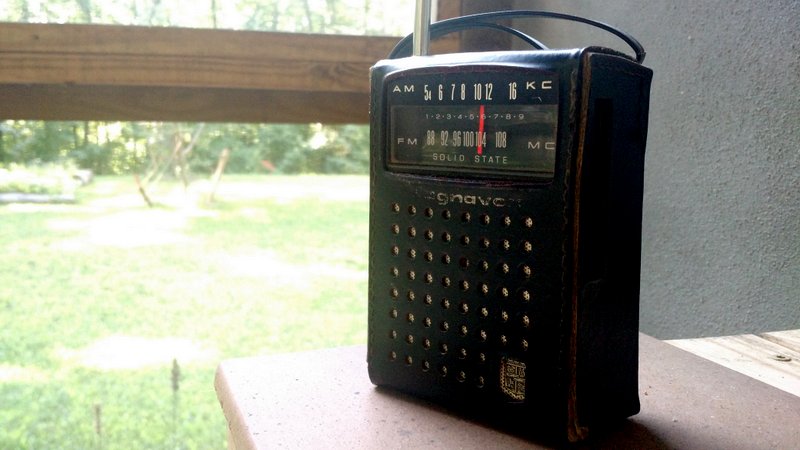 I’ve always had an affinity for pocket transistor radios.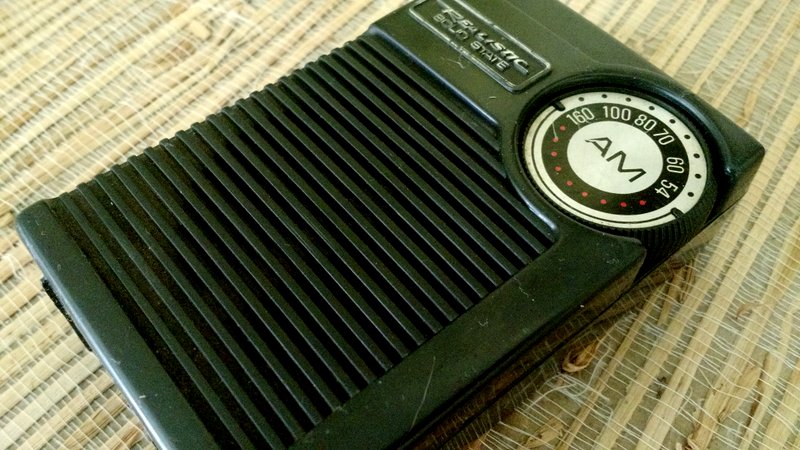
 Hi there, I thought I would share some Brazilian shortwave catches with you, obtained using my Sony ICF-2001D receiver and 200 metre experimental longwire. The first is Radio Bandeirantes, Sao Paolo on 9645.4 kHz. This is a station that I’ve only heard once or twice previously, but was received with excellent signal clarity and strength recently, using my deployable longwire antenna. I would rate this station as moderately difficult to receive with reasonable discernibility. The second is Radio Novo Tempo from Campo Grande, on 4894.9 kHz. This station I would rate as difficult to hear with discernible audio. The key is always signal-to-noise, thus moving yourself out of the ubiquitous blanket of QRM most modern environments endure will usually achieve this and of course coupled with sufficient space outdoors to erect a larger antenna will hopefully also improve signal strength. My final video on this post is Radio Nacional Brazilia on 6180 kHz. I would regard this station as quite easy to hear well; their effective TX power towards Europe is around 2 MW, however, outdoors, this station can literally boom in, with what might be perceived as local-AM signal strength. I hope you enjoy watching the videos and seeing/ hearing what’s possible with a modest set-up. As for the Sony ICF-2001D? Well the design is more than 30 years old, but in my opinion at least, still one of the very best portable shortwave receivers ever manufactured. Thanks and 73.
 (Source: Christian Milling via