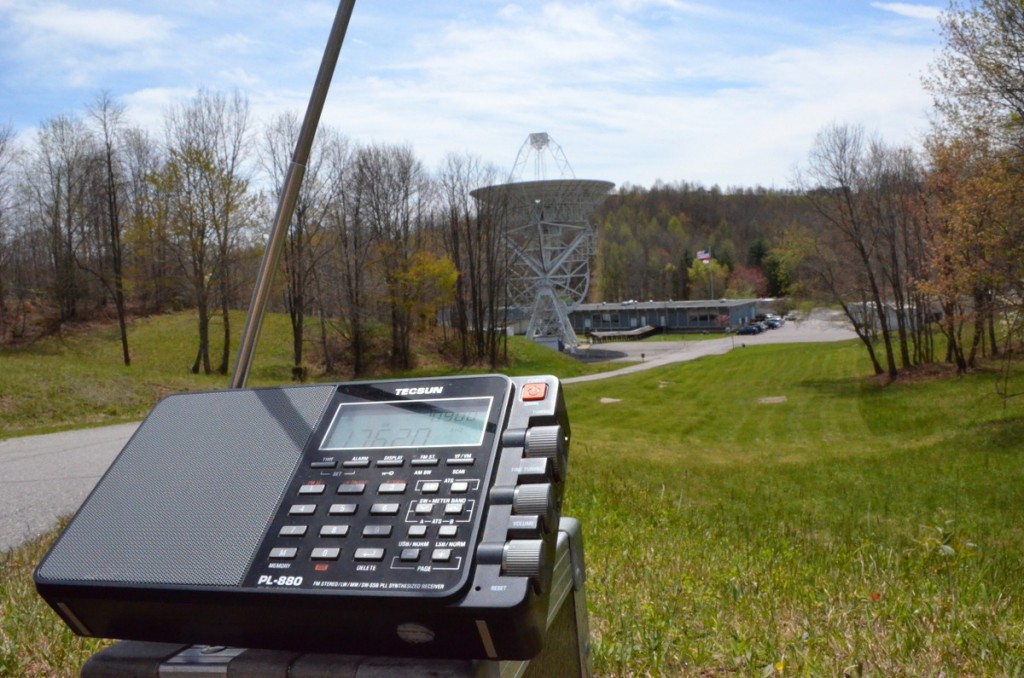
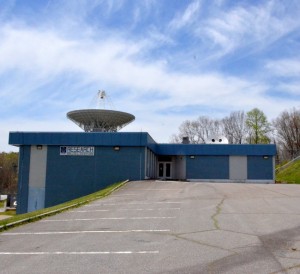
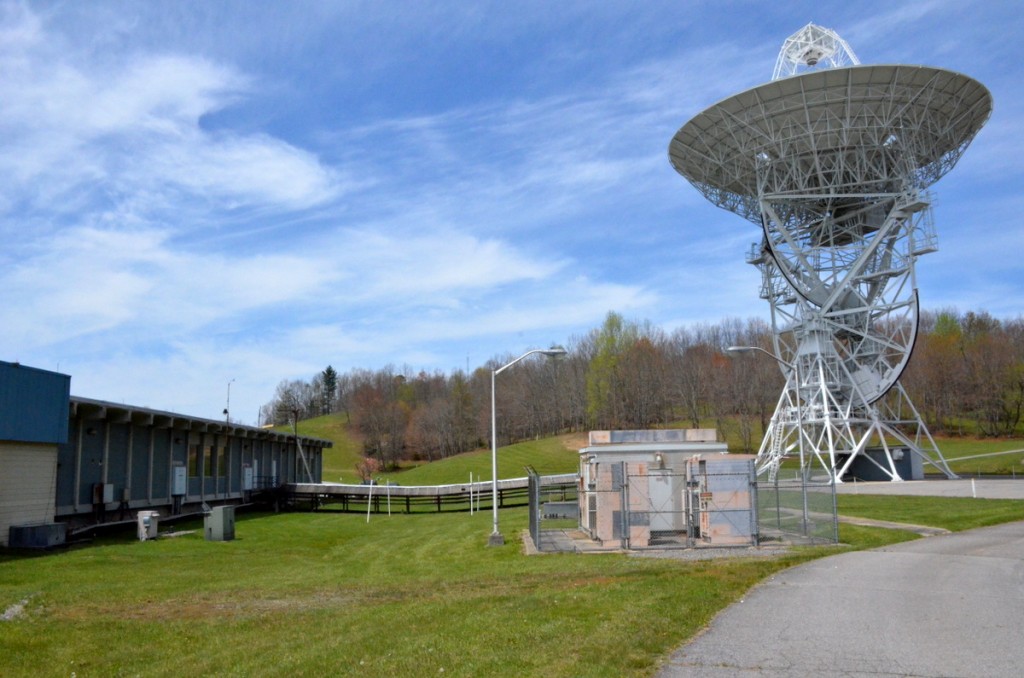
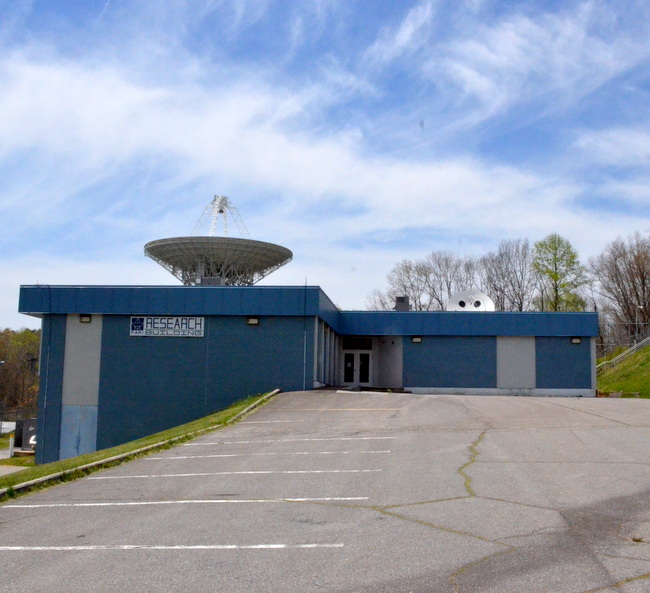
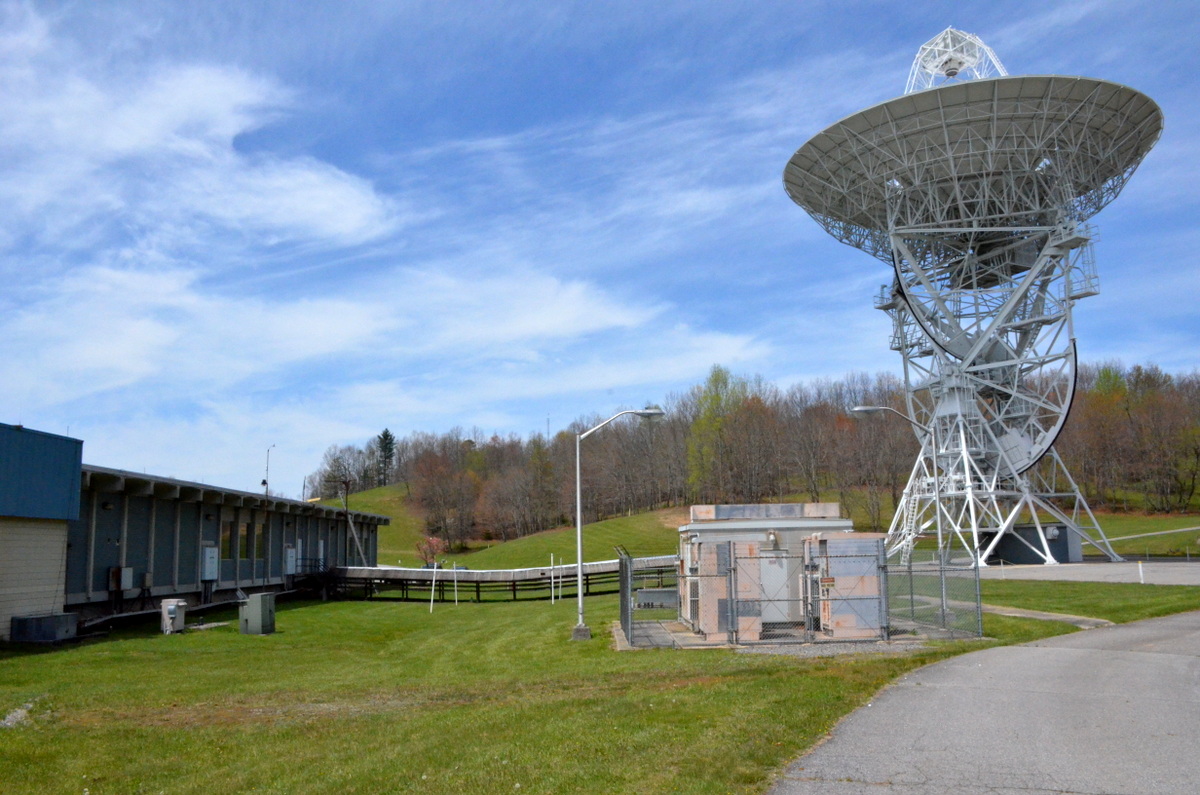
 Some of you may recall a post I published last year regarding a shortwave and medium wave DXpedition at the Pisgah Astronomical Research Institute (PARI), a 200-acre radio astronomy observatory and former NASA tracking station located deep in the mountains of western North Carolina.
Since this is the first event of its kind, we’ve been working closely with PARI staff to put the DXpedition together. And come together, it has.
I’m pleased to announce that we’ve now received the official go-ahead: we’re clear to launch the (first-ever!) 2015 SWLing Post DXpedition, which will take place Friday, October 9, through Sunday, October 11. Come join us!
PARI will soon post the official registration form on their website; of course, I’ll post an update when this form is ready.
Meanwhile, those of you who may be interested in attending, keep reading…and do join our dedicated email discussion group (more info below).
A few DXpedition details…
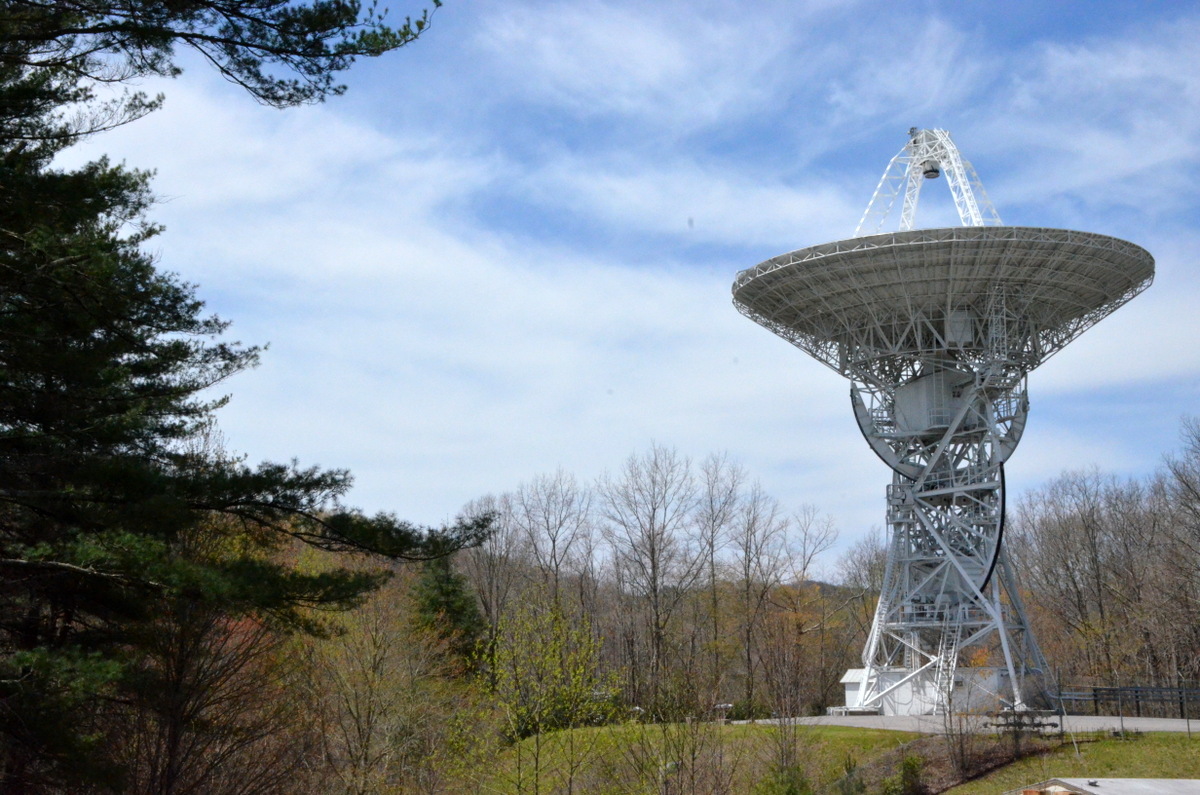
As I mentioned last year, PARI has agreed to handle all of the event’s arrangements, and will even provide a limited number of basic shared dormitory rooms to the first registrants who request them. An event fee will pay for facilities and PARI staff (see below); modest profits, should there be any, will benefit PARI’s worthy science education mission.
We are fortunate to be sharing the beautiful PARI campus with with a larger party of amateur astronomers, aka, a “star party,” taking place the same weekend; the DXpedition will benefit from this in terms of expanded facilities access. An additional benefit is that we can share our passion for radio with members of the star party, while learning a little about astronomy from their members. And for those of us who enjoy both, all the better.
Costs
The costs associated with the event are as follows:
Registration fee: $100
Lodging: On campus, the fee is $50 per night, per person, in a shared dormitory room; or $20 per night, per tent or travel trailer (no hook ups, though electricity is available). Want to come along, but not interested in roughing it? You’ll find numerous comfortable hotels and inns within a 30-40 minute drive of PARI’s mountain campus.
Meals: Catered meals will be provided for a modest charge to be determined (PARI is working with local food services to arrange our meals currently). Of course, you can always bring your own food and prepare it on-site, as well. The campus has a lunchroom with a microwave.
The PARI campus and accommodation
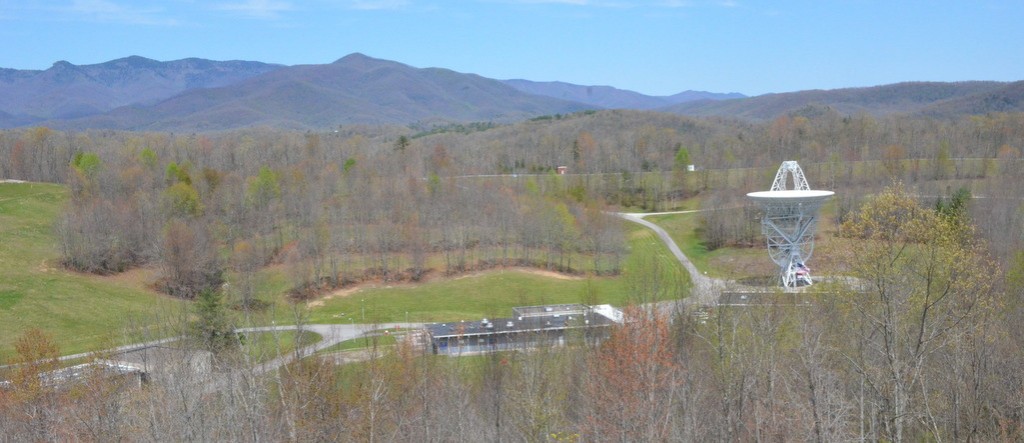
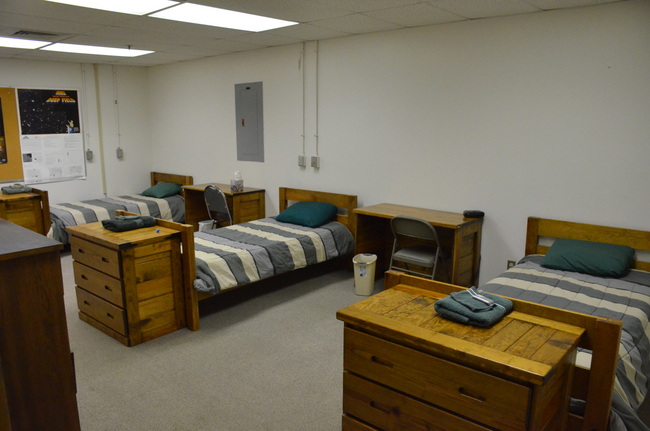
PARI was formerly a NASA tracking station, and following that, a Department of Defense monitoring facility. Because of the remote nature of the campus, basic on-site dormitories were built; scientists use these throughout the year as they conduct their research, and the shared rooms are available upon request.
Typical PARI dorm room (click to enlarge)
The dormitories are conveniently located in the heart of the 200-acre campus, and sleep about four to each room. These are simple facilities, and no private rooms are offered. Bathrooms (with showers) are shared, and separate buildings house men and women; thus the dormitories may not be the best option if you plan to bring a spouse, a large family, or young children.
Of course, if you enjoy camping and/or star-gazing, you can pitch a tent (just $20/night), or park your travel trailer on campus (also just $20/night). Note that this is not a travel park, thus hook-ups for travel trailers are not supplied, although power is available.
For those who prefer not to camp or stay in a shared room, the nearby mountain town of Brevard, NC (approximately 35 minutes from PARI by car) is a charming small town offering numerous hotels, bed-and-breakfasts, and other comfortable private accommodations. PARI often recommends the Hampton Inn in Brevard, NC. Hotels.com and AirBnB offer alternatives.
Receivers, antennas, and other radio equipment
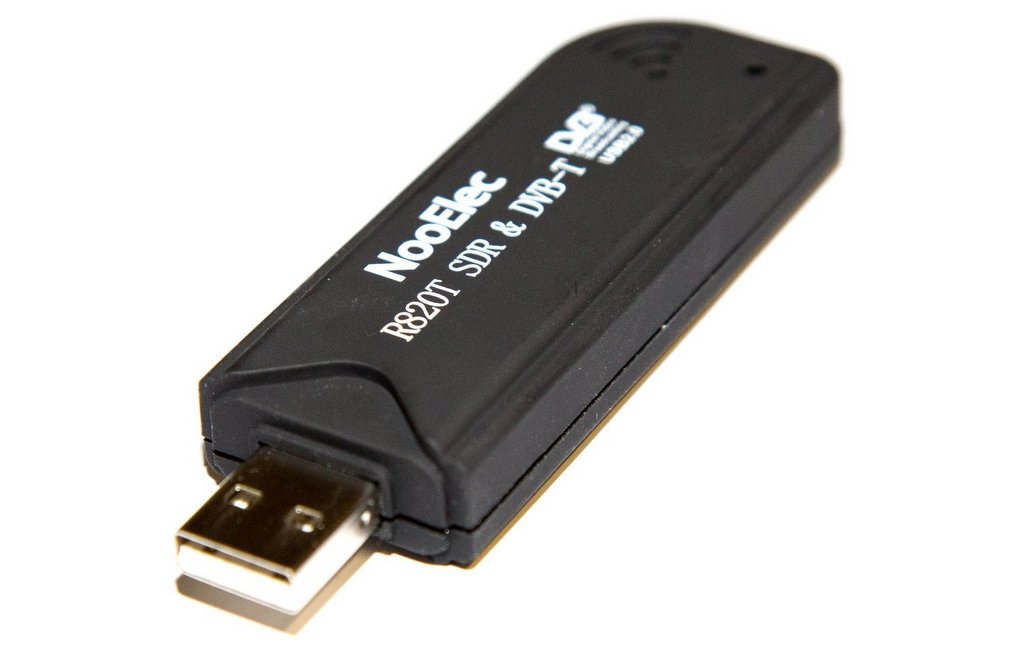
 DXpedition participants should bring their own receivers, antennas, and accessories. If you wish to bring an SDR or tabletop receiver, there are quite a few places on campus where you’ll have access to power. At least one main listening post will be set up under cover, as well, for our participants.
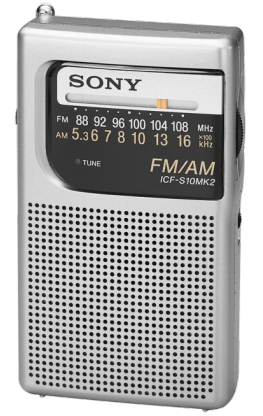
Feel free to bring any type of receiver you like. A few potential participants have noted that they plan to bring a portable receiver only, and that’s absolutely fine–this is your DXpedition, your chance to sit back and listen to your radio without distraction, so any radio you choose to bring is the right one.
Of course, a few SDRs, tabletops, and portable receivers will be available for participants to try out, so if you can’t bring your own receiver, please let me know in advance; I’ll try to reserve a time slot for you to use one of the available rigs.
SWLing Post DXpedition email group
We have created an email discussion group for the DXpedition. If you are seriously considering joining the DXpedition, click here to become a member of the group as this is the place where we’ll organize and make further plans.
Since this is the first time the SWLing Post and PARI have sponsored a DXpedition, we’re certainly trail-blazing here. My sincere hope is that this event will lead to future DXpeditions…not to mention, real friendships among our readers and fellow SWLers.
Looking forward to the DXpedition–we’ll see you at PARI in October!

 SWLing Post reader, Dr. Phil, recently contacted me regarding a collection of articles he’s written about DXing and radio modifications.
 I asked Dr. Phil for links to two of his most popular publications. He replied: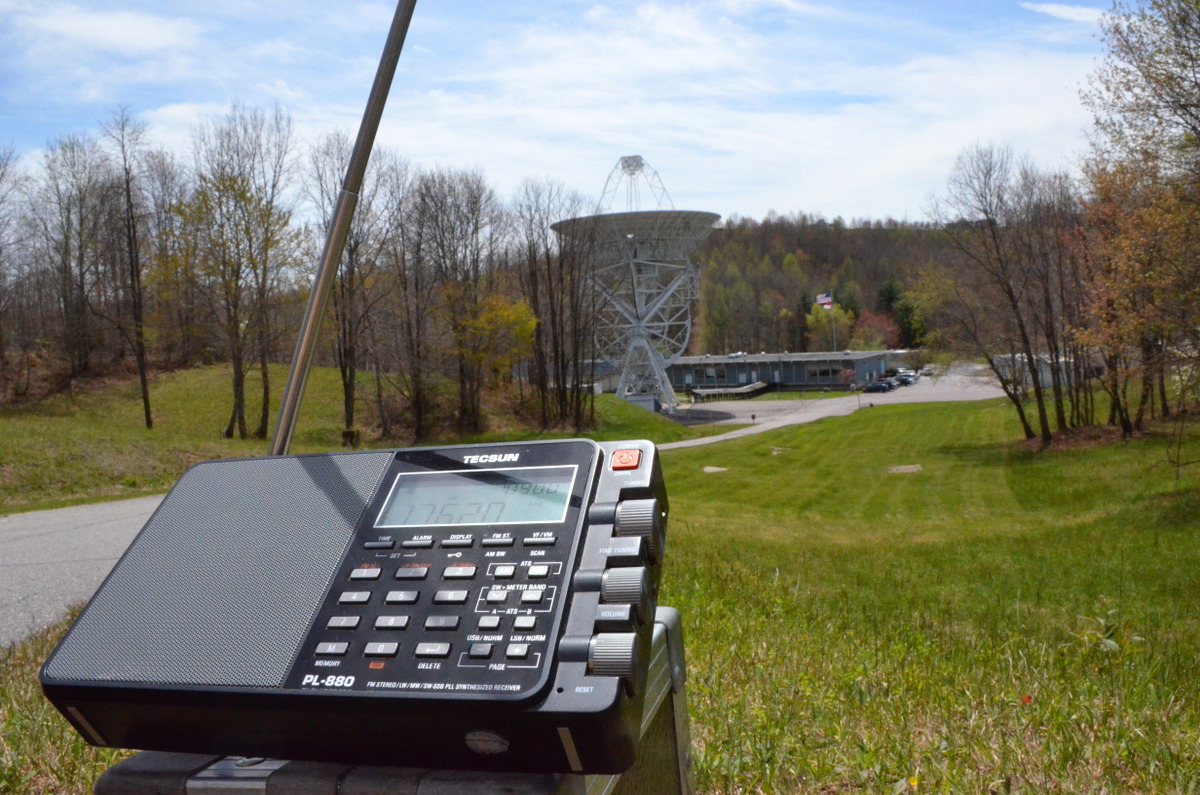



 Two weeks ago, at the