Tag Archives: DX

Did the Miyako earthquake affect Medium Wave reception at a Japanese DXpedition?

by Satoshi Miyauchi, JP1SCQ, with Nick Hall-Patch, VE7DXR

Introduction

In early November 2025, several members of our Totsuka DXers Circle in Japan (TDXC  https://www.tdxc.net/abouttdxc/ ) traveled from the Tokyo area to Tanohata village in Iwate prefecture on northern Honshu island in order to take part in a medium wave (MW) DXpedition that took place on the 8th and 9th of the month.  The site was about 500m (1/3 mile) from the Pacific Ocean, overlooking Kitayamazaki cliffs, a very scenic area (Figure 1), but also one from which a great deal of long-haul DX had been heard in the past, including trans-polar WBZ-1030kHz, as well as the farthest possible Antipodes DX such as R. Nacional in Argentina on 870kHz and Radio Monte Carlo in Uruguay on 930kHz.
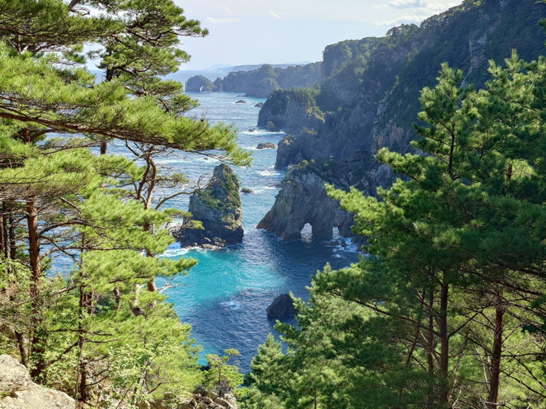
Figure 1

Our listening post was a meeting room in the Tanohata Nature Training Center, where we set up our receivers, such as Perseus and Airspy HF+discovery, plus our recording gear and accessories (Figure 2).
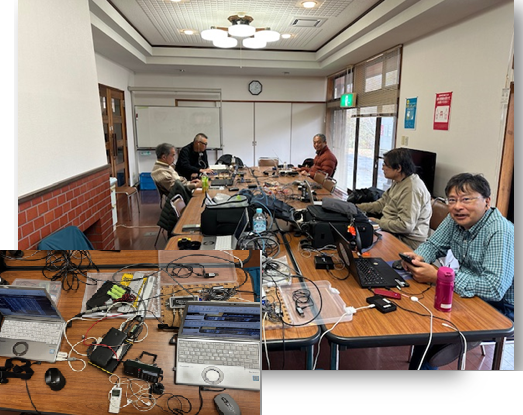
Figure 2

My recording software was SDR Console, but playback and analysis also used WavViewDX.  We set up a TDDF (Twisted Double Delta Flag) antenna with a northeast directional pattern in order to receive medium-wave broadcasts from North America. (Figure 3)
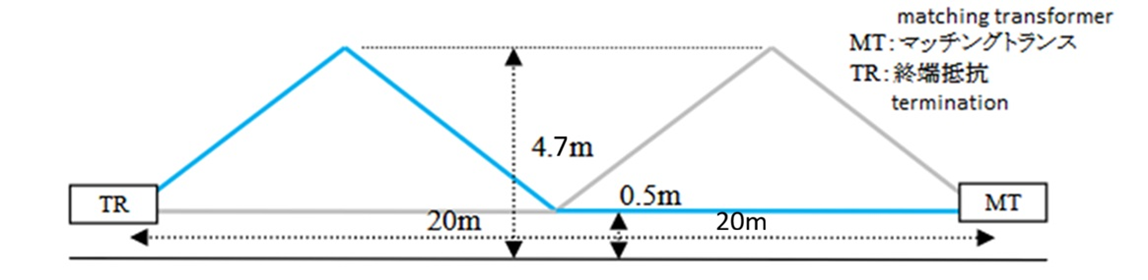
Figure 3 – TDDF antenna; note that low-noise pre-amplifier with bias-T is a must.
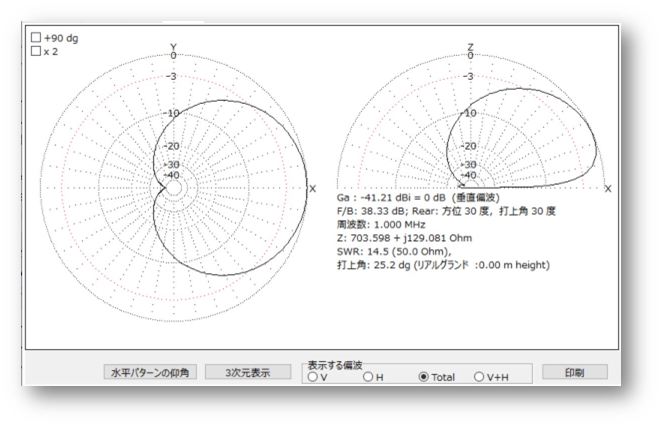
Directional patterns from Kazu GOSUI

On the second evening, November 9th, while enjoying the reception, an emergency earthquake alert was issued, and shaking struck. Inside our building, nearly 200 meters above sea level on the solid bedrock of Kitayamazaki, the shaking felt less intense than the reported magnitude of 6.9, even with an epicenter only 140km away. (Figure 4)
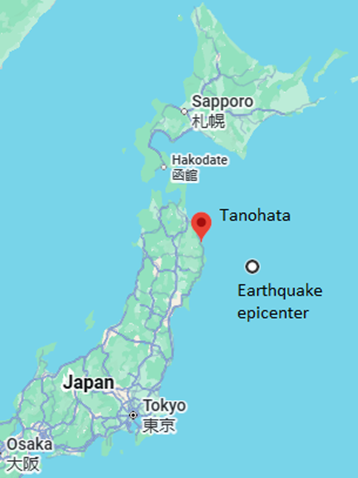
Figure 4

However, since earthquakes had been occurring even before that day and numerous aftershocks were felt afterward, it left us with a vague sense of unease. Later, a tsunami advisory was announced on the radio, plus the Tohoku Shinkansen train back to Tokyo had also stopped, and I myself couldn’t help worrying about whether it might affect my return home the following day. At that moment, I had a conversation with the members there, thinking, “If there’s something related to the earthquake recorded, that would be amazing.” However, during the real-time reception, we were targeting signals from North America in 10kHz steps, and there was no effect noticed upon those receptions.

Unusual Signal Dropouts Observed

I played back the SDR files using WavViewDX (https://rweiss.de/dxer/tools.html), a software with many capabilities, including a choice of displaying all signals across the MW band at 9 or 10kHz channel spacing, but, because I was looking for North American DX, I only realized a week after returning home that the reception conditions for the 9kHz spaced domestic Japanese stations had significantly changed around 0715 to 0745UT (16:15 to 16:45 Japan time) on 9 November, based on our recordings. The dropouts on various channels over 0715 to 0745UT are quite obvious in Figure 5; I had never seen such sudden attenuation before.  For those not familiar with WavViewDX, the green vertical lines on the display represent stronger signals being received on broadcast channels, while gray or black areas represent weak or no signal. (For a more detailed description of WavViewDX and its capabilities, see https://swling.com/blog/2025/10/an-introduction-to-wavviewdx-sdr-playback-software-a-totsuka-dxers-circle-article-by-kazu-gosui
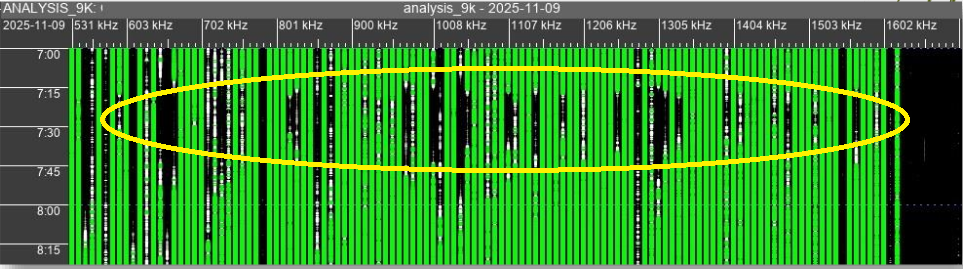
Figure 5 – WavViewDX display of signal dropouts. X-axis is frequency of received signal, Y-axis is time UTC

A first look at the data led to a couple of other observations:

  1. Signals originating north of the receiving site, primarily from the island of Hokkaido, were largely unaffected by the attenuation. (It is true that our antenna’s directionality was northeast, but it also received the stronger domestic stations from southwest of the antenna.)
  2. Regarding signals from North America, even during the same time period, the intense attenuation observed in domestic stations was generally not seen. It is unclear, however, whether some dips in North American signals around that time were due to normal fading or to the same cause that brought about the attenuation in domestic stations.

What Could Have Caused These Dropouts?

Local sunset?

These sudden drops in signal strength corresponded quite closely with local sunset at 0722UT, normally a time of disturbed propagation (see Figure 6), so the most straightforward possibility is simply the well-known change in ionospheric propagation conditions that occurs at sunset.   Was that all that there was to it?  However, we had been listening and recording the previous day as well, and analyzing those recordings with WavViewDX yielded no sign of dropouts in domestic signal strength at sunset on that day.   Examining recordings that had been made at the same site, using similar equipment, on 24 October 2024, also showed no dropouts taking place at local sunset.
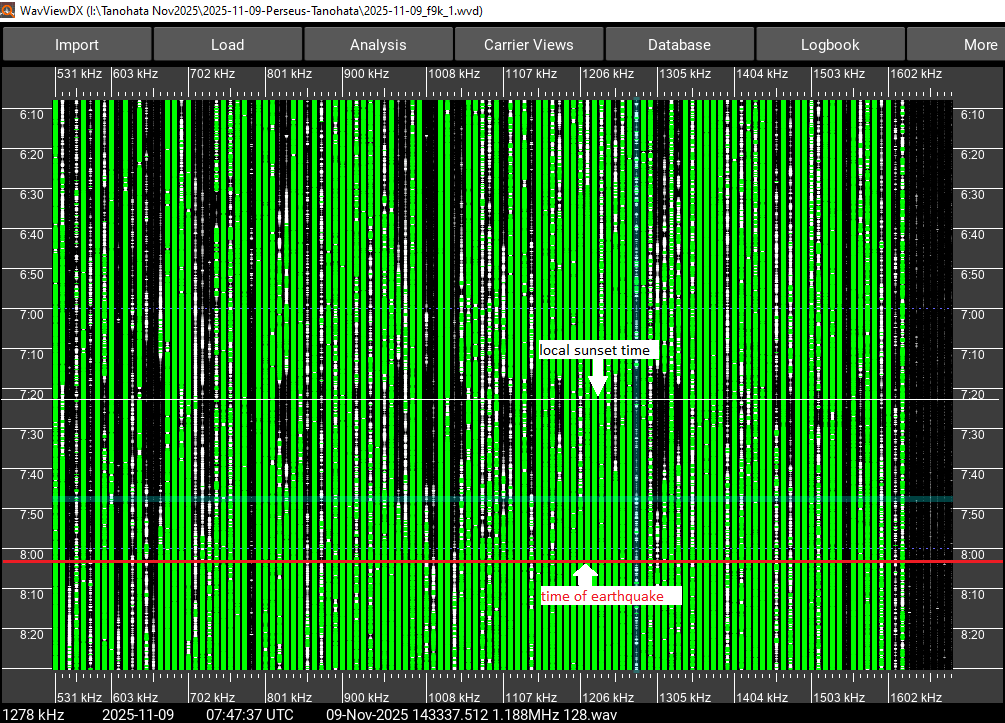
Figure 6

In fact, over many years in Japan, not only at this location but across various areas, records have been accumulated during the same time window, because good trans-Pacific DX occurs around local sunset.  Nowhere in these records has a situation such as observed this time—a significant attenuation of domestic stations at local sunset—been found. Therefore, it seemed unlikely that sunset was the cause of the dropouts, but what else could it have been? Continue reading
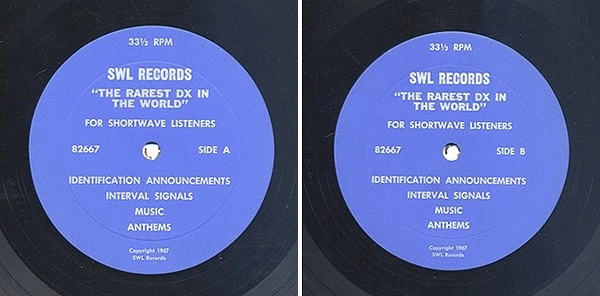
“The Rarest DX In The World” – A 33 RPM Journey Through 1960s Shortwave

Many thanks to SWLing Post contributor Bruce, who writes:

Hi Thomas,

I came across this item on eBay and then found a copy on YouTube:

Enjoy!

– Bruce F.

Wow–what a nostalgic treat! Thank you for sharing, Bruce!

The eBay seller listed all of the broadcasters on the recording:

Side “A”

    1. RadioNepal, Kathmandu, Nepal [00:00]
    2. Radio Thailand, Bangkok,Thailand [04:10]
    3. Fiji Broadcasting Commission, Suva, Fiji[07:09]
    4. Voice of Kenya, Nairobi, Kenya [09:53]
    5. Radiodiffusion du Togo, Lome, Togo [11:57]
    6. Sierra Leone Broadcasting Service, Freetown, Sierra Leone [16:55]
    7. Radiodiffusion-Television Belge, Brussels, Belgium [18:27]

Side “B”

    1. RadioVietnam, Saigon, South Vietnam [00:00]
    2. Radio Hong Kong, HongKong [3:45]
    3. Radio Wewak (VL9CD), Wewak, Papua New Guinea[04:19]
    4. Voice of Tarawa /Gilbert & Ellice IslandsBroadcasting Service (VTW2), Tarawa [07:35]
    5. Radio CookIslands, Rarotonga, Cook Islands [12:36]
    6. Radio Mauritania,Nouakchott, Mauritania [16:22]
    7. Radio Andorra, Roc Des Anellettes, Andorra [18:01]

I’m wondering if any readers have a copy of this record and can share a photo of the jacket notes. I haven’t been able to find a clear image of the back cover online. I’m interested in finding out who produced the album—any information would be appreciated!

Why I DX?

…… or as all the locals call it, “Talking to the aliens at the International Space Station.” You might ask yourself, what in the world? Well, I live in a very small, remote bush Alaska village, and my DXing is done outside, yes… even in winter. I’ve been here 3 1/2 years now, and when I first got here, 2 or 3 people seriously thought I was trying to talk to aliens.

I’m kinda “late” to the DXing game… starting seriously in 2014 when I was 30 years old but dabbling in it as young as 5th grade when I thought it was SO COOL I could hear WOWO 1190 Fort Wayne, Indiana, and KDKA 1020 Pittsburgh, Pennsylvania, in central Connecticut clear as a bell at night.

In like 6th grade, my uncle gave me a beautiful tabletop Firestone radio and hooked up a long wire about 100 feet long from my bedroom window to a tree in my yard… wow, WLW 700 Cincinnati every night in Connecticut, I was hooked!

When I discovered how radio waves traveled great distances and at the same time, listening to a really fun oldies station, Big D 103… I was like “This is for me,” and started my quest and desire to work in radio… something about speaking into a radio and being heard 10-20-30-40-50 miles away fascinated me to the umpteenth degree.

That was really before the internet, but I’m 40 now and have been working in radio for 20 years, still DXing mostly every day. Most of my money is spent on food and DXing accouterments.

I’ve had people ask me, especially those who in the small Alaskan village I’m in, “Why, especially in cold weather do you do this?”

I tell them a couple things… I moved up here in part for the hobby, so I’m going to take every advantage I can. There’s too much electrical noise for me to do it from home.

Sitting out here at the park is my “Happy place,” especially after a particularly trying day at work for any number of reasons; this is my place to escape and decompress while being by myself… peace and quiet.

Plus, it’s the magic of how these radio waves travel that got me interested in working in radio. I’ve never lost that childhood magic and wonderment of radio waves and how things work, even though I’m 40. I’m really 40 going on 12 anyways.

I like how when I know when and where to listen, I can hear some amazing things up here in Alaska that many people wouldn’t expect I’d hear at all or as well. There’s something to sitting at the park, especially on a nice summer afternoon, and getting a solid S9+60 or better signal on Radio Nacional de Amazonias 11780 kHz from 12,400 km, opening my radio’s audio filter to 8 kHz bandwidth, and listening to a football match, sounding like I’m right in the stadium or tuned to their music/listener interactive show “Eu de Cá, Você de Lá” hosted by Mauricio Rabelo and sound like I’m tuned in on a 50,000 Watt AM from 50 miles away.

And no, I don’t understand 99.5% of Portuguese, and I only know a few basic words I can speak. I’m way way outside of their target area, but RNA from Brazil being anywhere from “listenable” to “Banging in like a ton of lead bricks” is very common because I’m in just the right place for it.

And I do it all without the internet. Well, OK… I do use the schedule from www.eibispace.de.

All of that combines to fascinate me. And yes, remember… I know how it all works, and I still do a lot of internet streaming, but radio waves continue to fascinate me because it takes some twisting of knobs and fiddling with the antenna to get it just right.

And the fact that it just works and travels through the air is amazing to me.

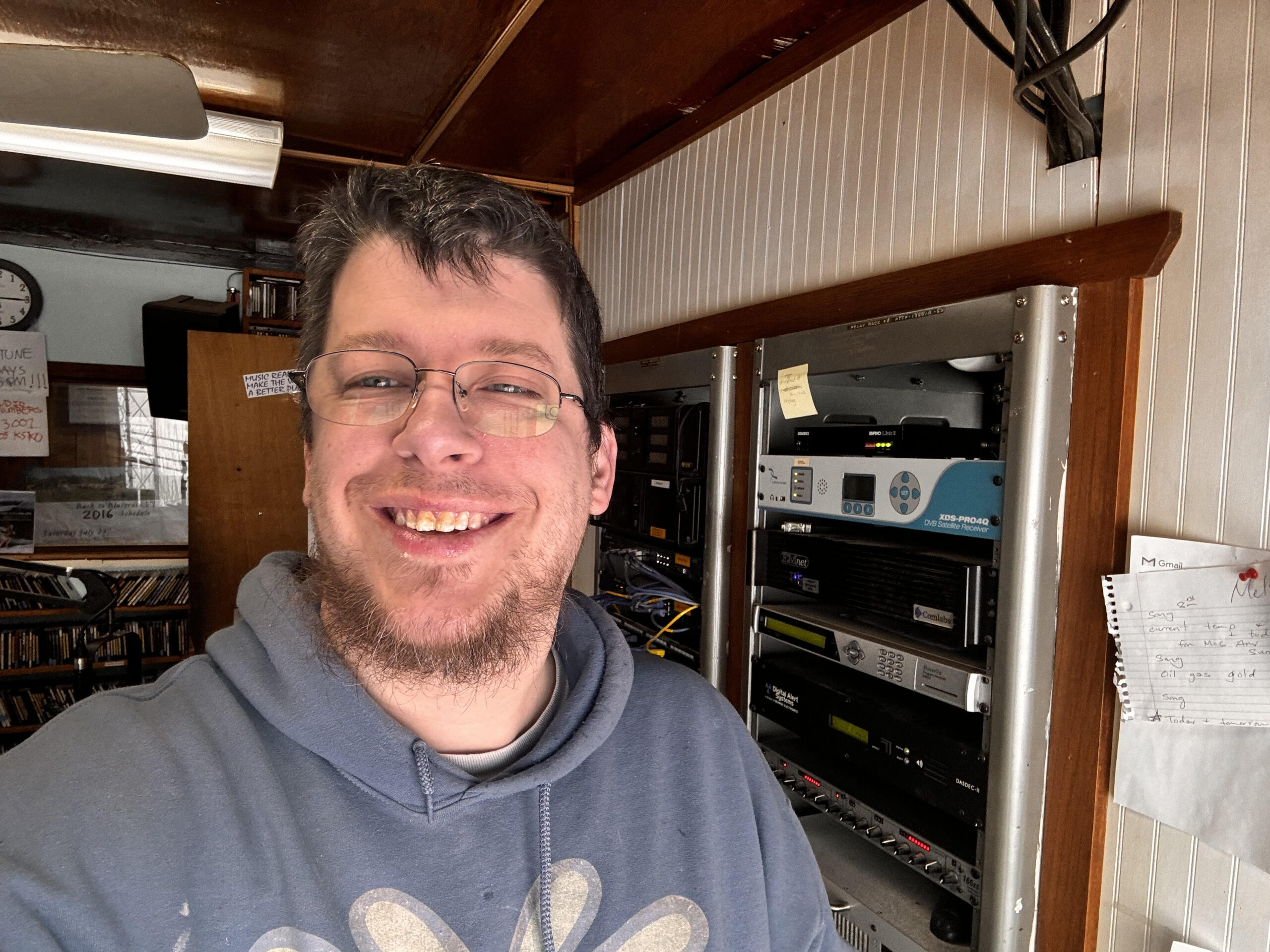
I live in McGrath, Alaska, which is a community of 275 people that is 355 km NW of Anchorage, completely off the radio system. I manage the daily operations of KSKO Public Radio, an NPR member station, with 8 FM transmitters spread across several hundred miles of Alaska. You can also catch me every Friday on Spaceline Bulgaria’s 5900 kHz transmitter across Europe 2100-2200 UTC with a live relay of my very local KSKO Lunchtime show.

I moved up here for the job, but also knowing that from past experiences living 125 miles north of here 7 years ago, that DX would be amazing. And it’s far exceeded my expectations along with the knowledge and expectations of some of my broadcast engineer friends and station owner friends!

Dockside DXing with the super-portable Belka-DX receiver

I’ve been on the coast of South Carolina enjoying a little R&R with my wonderful family.

We rented a vacation home on a tidal river just south of Charleston, SC and it was just what the doctor ordered. The location was gorgeous, the weather was amazing, and there was very little RF interference outside our home.

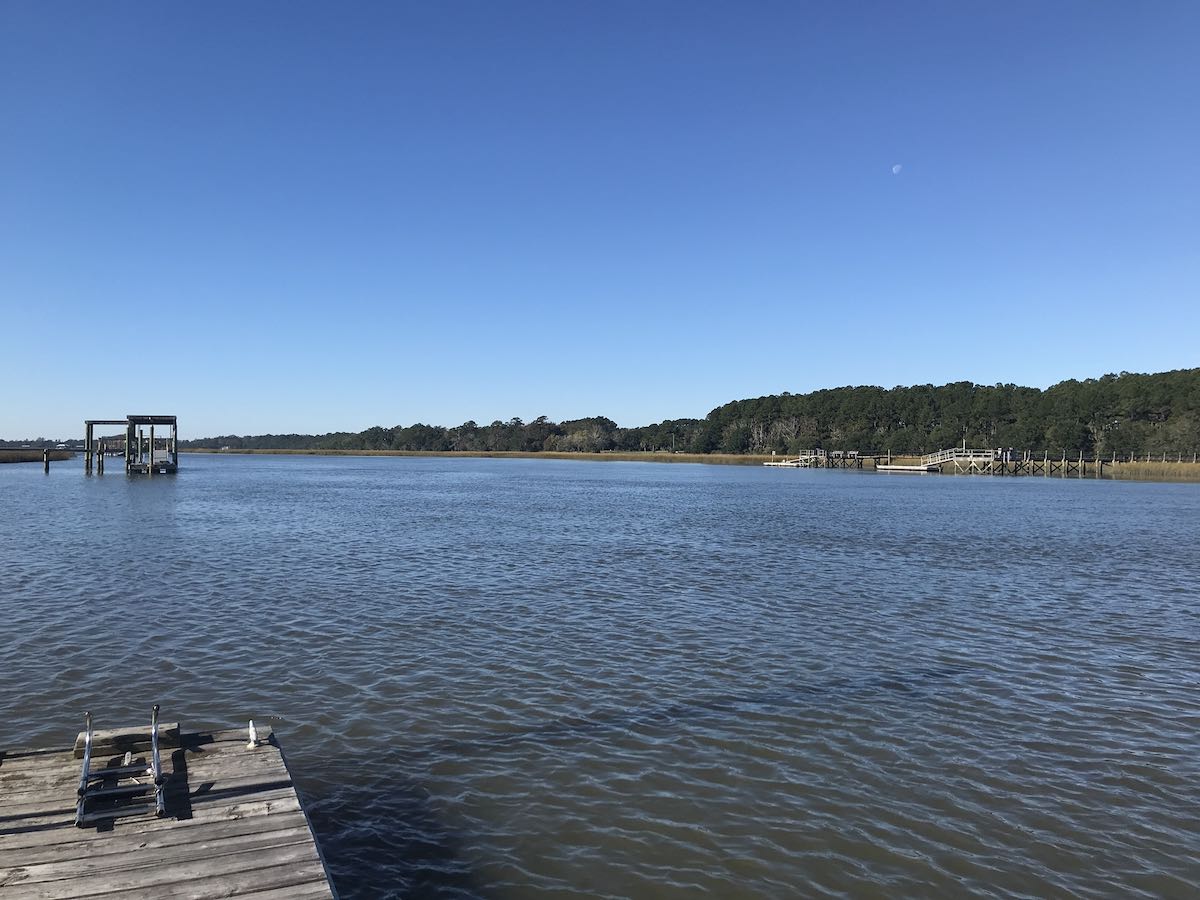
The best part? We had full access to a private dock.

I took a few portable radios on vacation (ahem…obviously!) but I so thoroughly enjoyed my time with the Belka-DX.

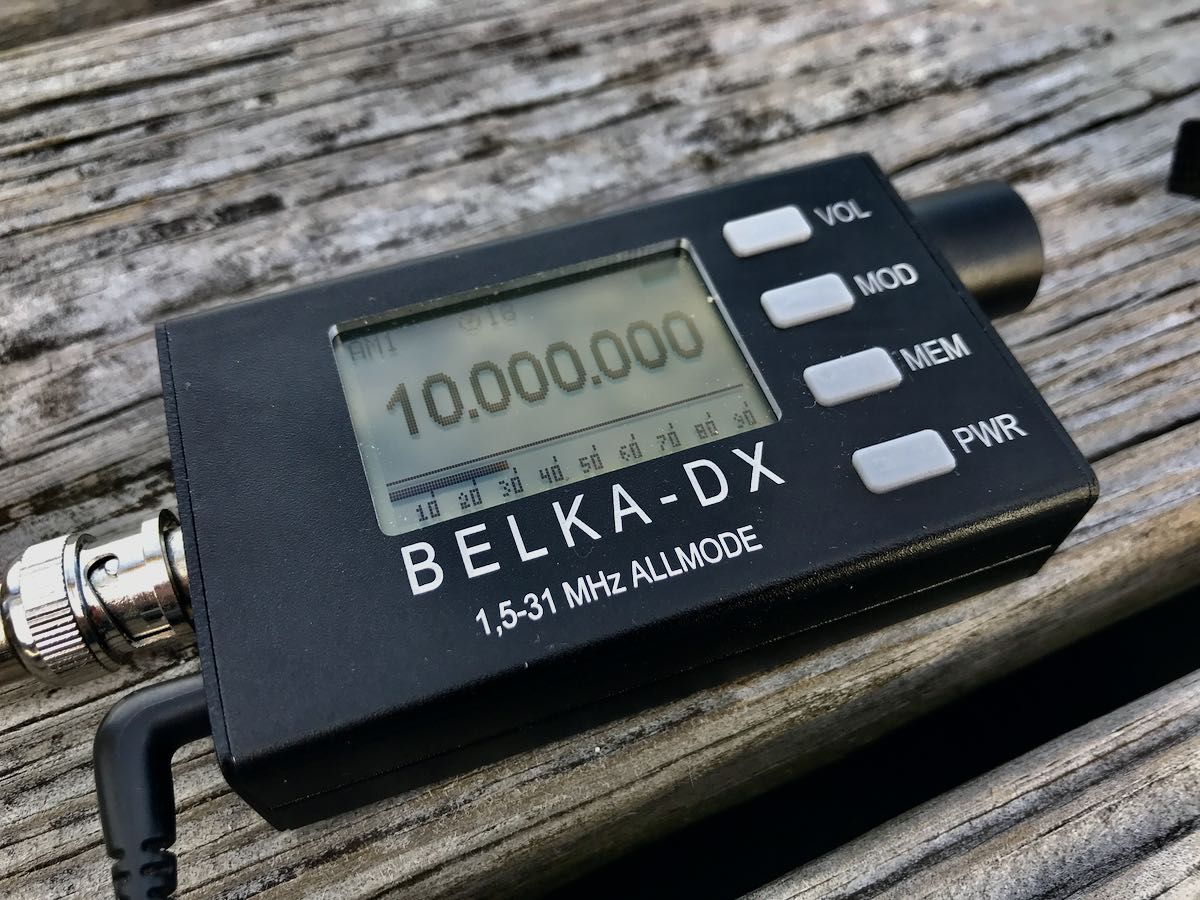
If you haven’t gathered already, I really appreciate simple radios for field operation and it doesn’t get much more simple than the Belka-DX or Belka-DSP.

The radio is so incredibly compact, durable, and a pleasure to operate–especially if cruising the broadcast bands.

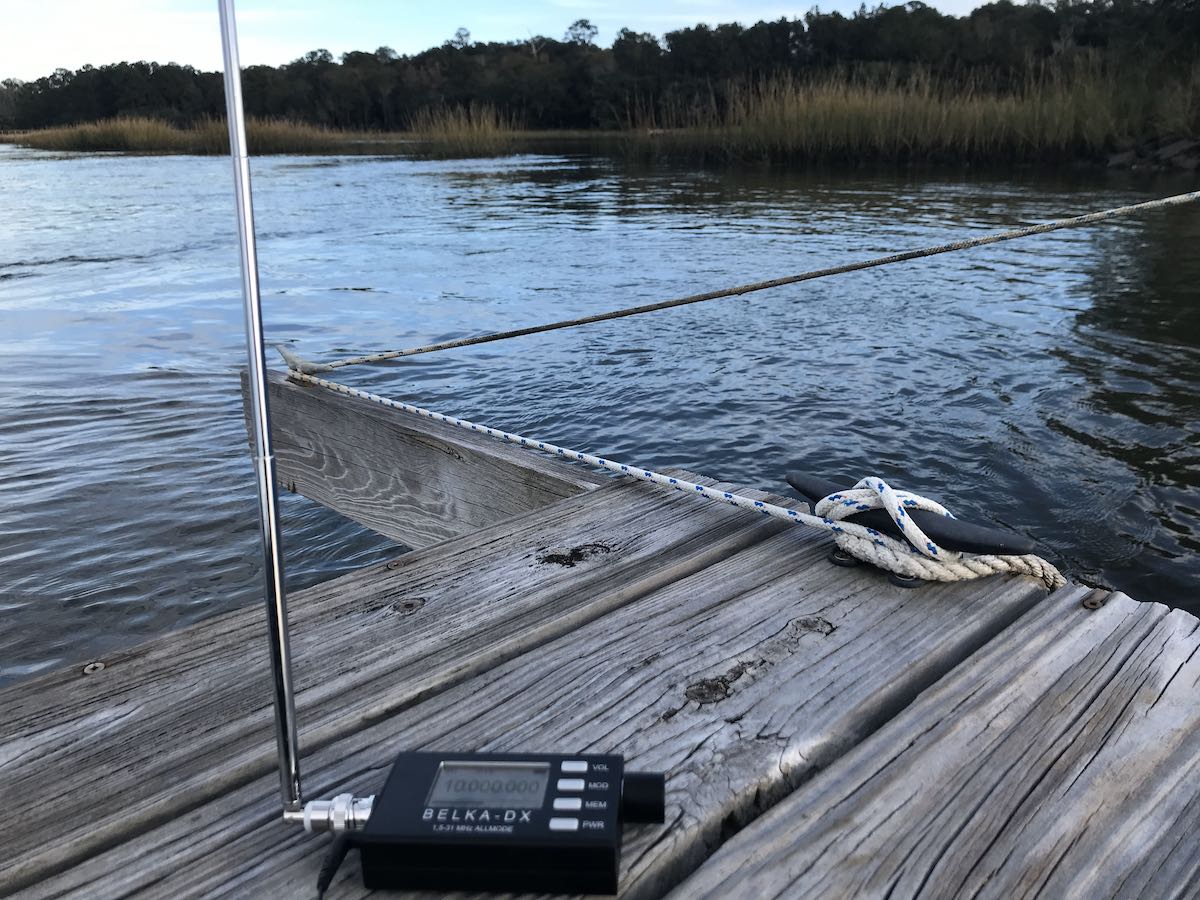
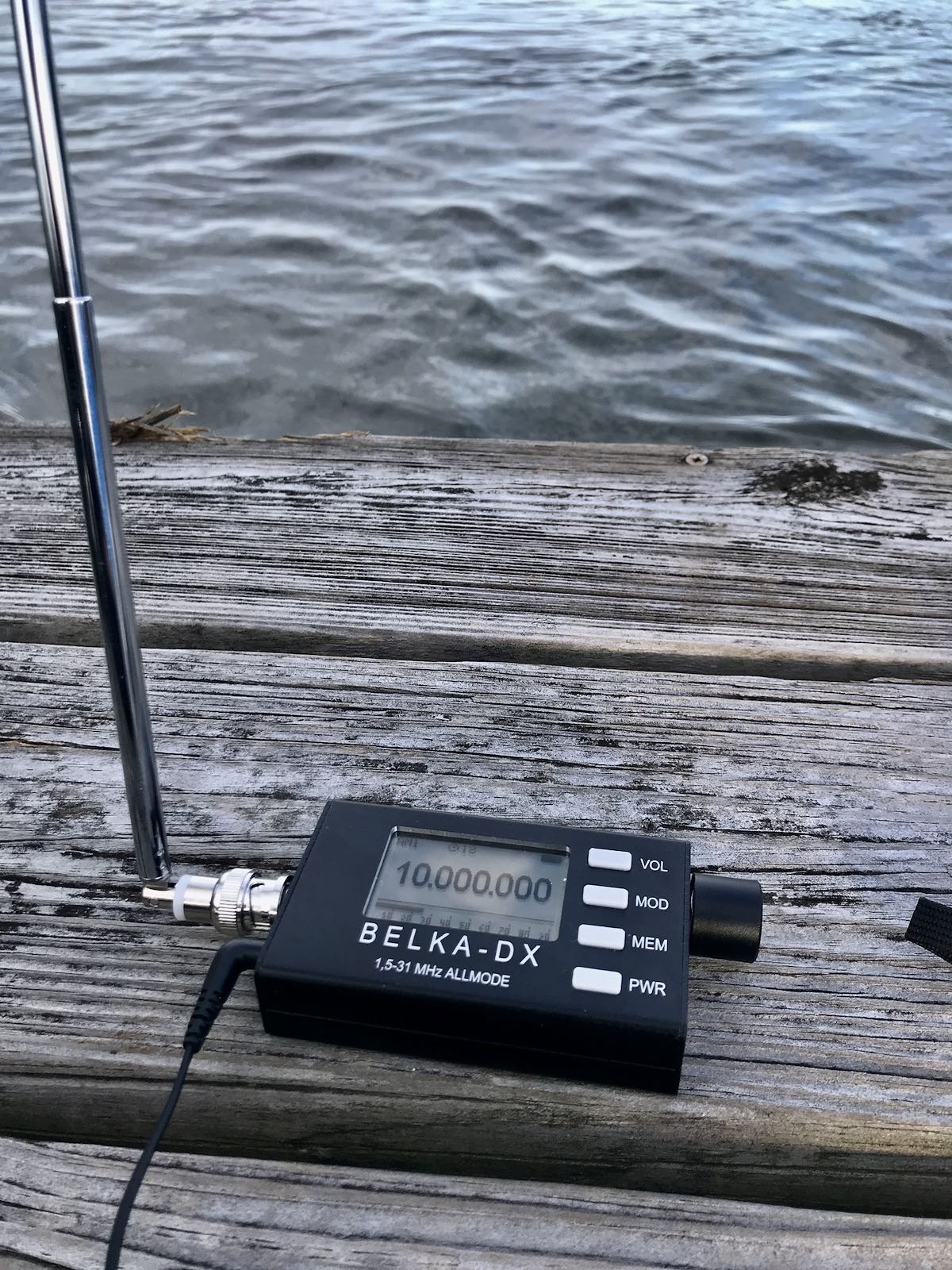
On the dock, I didn’t have a place to easily hang a wire antenna, so I used the supplied telescoping whip antenna. It served me well on a number of listening sessions.

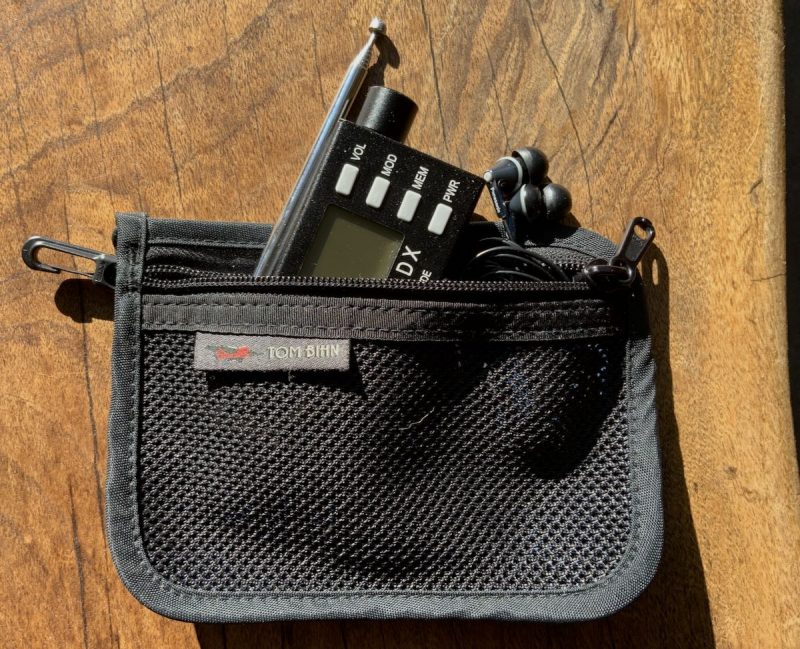
As 13dka pointed out in his brilliant review of the Belka-DSP, the Belka radios are so compact, yet pack so much performance, they smack of a little spy radio! On top of that, the chassis is incredibly durable. I can’t tell you how much I love this. My Belka receiver has been living in my EDC bag in a small zippered pouch.

I barely notice it in my bag–it take up almost no space and weighs so little–but in the back of my mind I know I have a portable DXing machine everywhere I go.

I have no fear of being damaged in my bag, either–the chassis protects it so well.

Since London Shortwave has sorted out how to make spectrum recordings using the Belka-DX I/Q out, you’d better believe I’ll be sampling spectrum as I travel the globe post-pandemic!

I didn’t have time to gather what I needed for making Belka-DX spectrum recordings on this trip, but you can be certain I will when I return!

I should add that one of the little joys about my dockside DXing spot this past week was watching dolphins swim by as I tuned to some of my favorite broadcasters. Bliss.

Post readers: Have you taken your radios on vacation recently? Please comment! Better yet, consider submitting a guest post with photos!

A little QRP radio magic this weekend

SWLing Post readers: I originally posted the following article on QRPer.com where I publish most of my ham radio field reports. It was the first full Parks On The Air activation with my recently re-acquired Elecraft KX1 transceiver and it was very memorable. I hope you enjoy:

Yesterday [Saturday, November 14, 2020] my family decided to make an impromptu trip to one of our favorite spots on the Blue Ridge Parkway at Richland Balsam–the highest point on the BRP.

Of course, it was a good opportunity to fit in a Parks On The Air (POTA) activation, but I had also hoped to activate Richland Balsam for Summits On The Air (SOTA) simultaneously.

It being well beyond leaf-looking season, we had hoped the BRP would be relatively quiet, but we were wrong.

Trail heads were absolutely jam-packed and overflowing with visitors and hikers. We’ve noticed a sharp hiker uptick this year in western North Carolina due in no small part to the Covid-19 pandemic. People see hiking as a safe “social-distance” activity outdoors, but ironically, hiker density on our single-track trails is just through the roof.   One spends the bulk of a hike negotiating others on the trail.

The trail head to Richland Balsam was no exception. Typically, this time of year, we’d be the only people parked at the trail head but yesterday it was nearly parked full.

Being natives of western North Carolina, we know numerous side-trails and old logging/service roads along the parkway, so we picked one of our favorites very close to Richland Balsam.

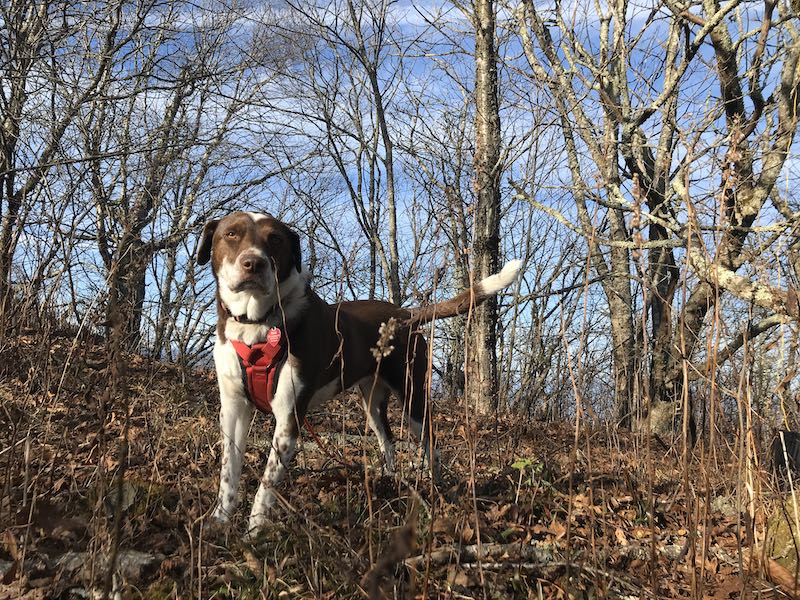
We hiked to the summit of a nearby ridge line and I set up my POTA station with the “assistance” of Hazel who always seems to know how to get entangled in my antenna wires.

“I’m a helper dog!”

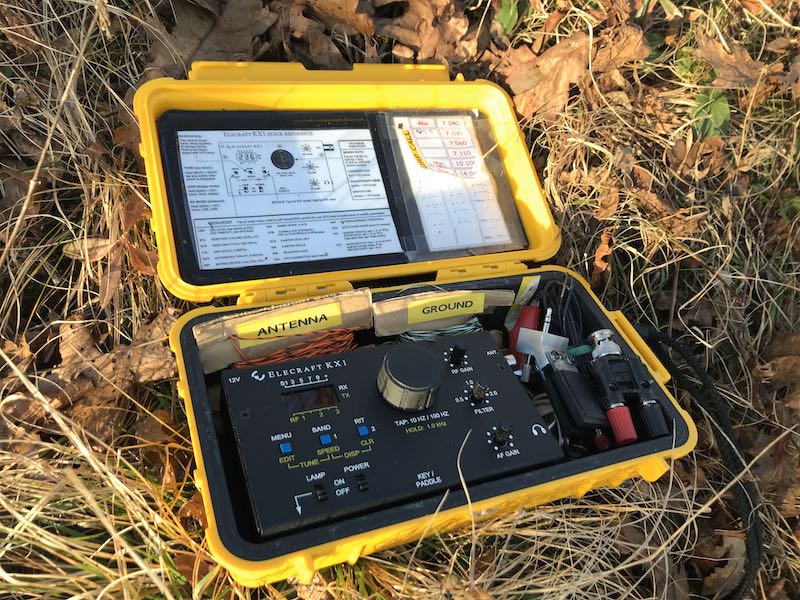
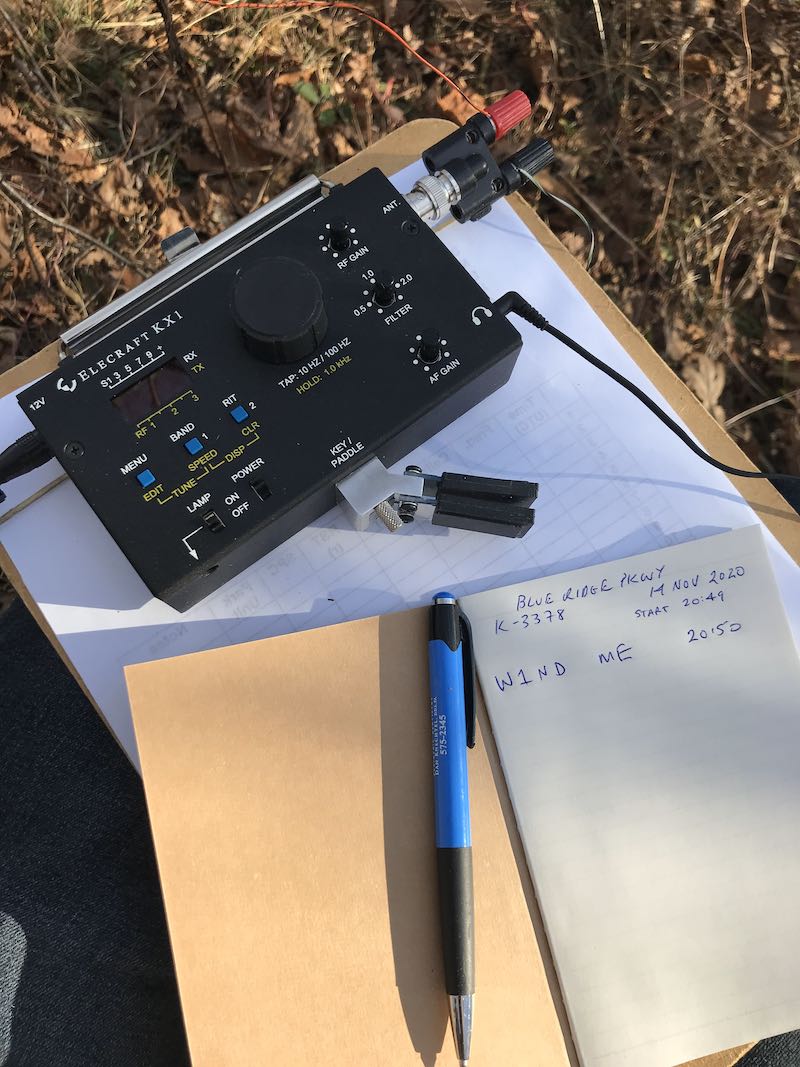
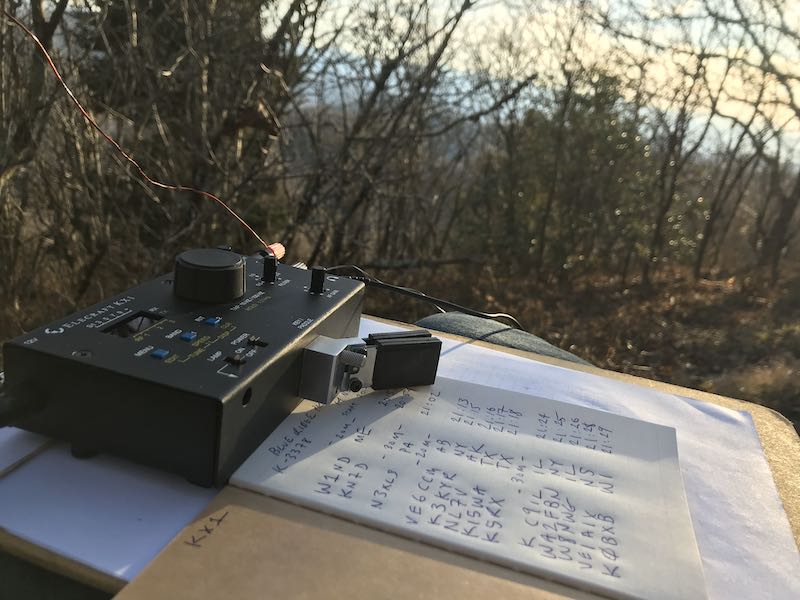
Taking a break from using the Icom IC-705, I brought my recently reacquired  KX1 field radio kit.

Gear:

I carried a minimal amount of gear on this outing knowing that there would be hiking involved. Everything easily fit in my GoRuck Bullet Ruck backpack (including the large arborist throw line) with room to spare.

I took a bit of a risk on this activation: I put faith in the wire antenna lengths supplied with my new-to-me Elecraft KX1 travel kit. I did not cut these wires myself, rather, they are the lengths a previous owner cut, wound, and labeled for the kit.

With my previous KX1, I knew the ATU was pretty darn good at finding matches for 40, 30, and 20 meters on short lengths of wire, so I threw caution to the wind and didn’t pack an additional antenna option (although I could have hiked back to the car where I had the CHA MPAS Lite–but that would have cut too much time from the activation).

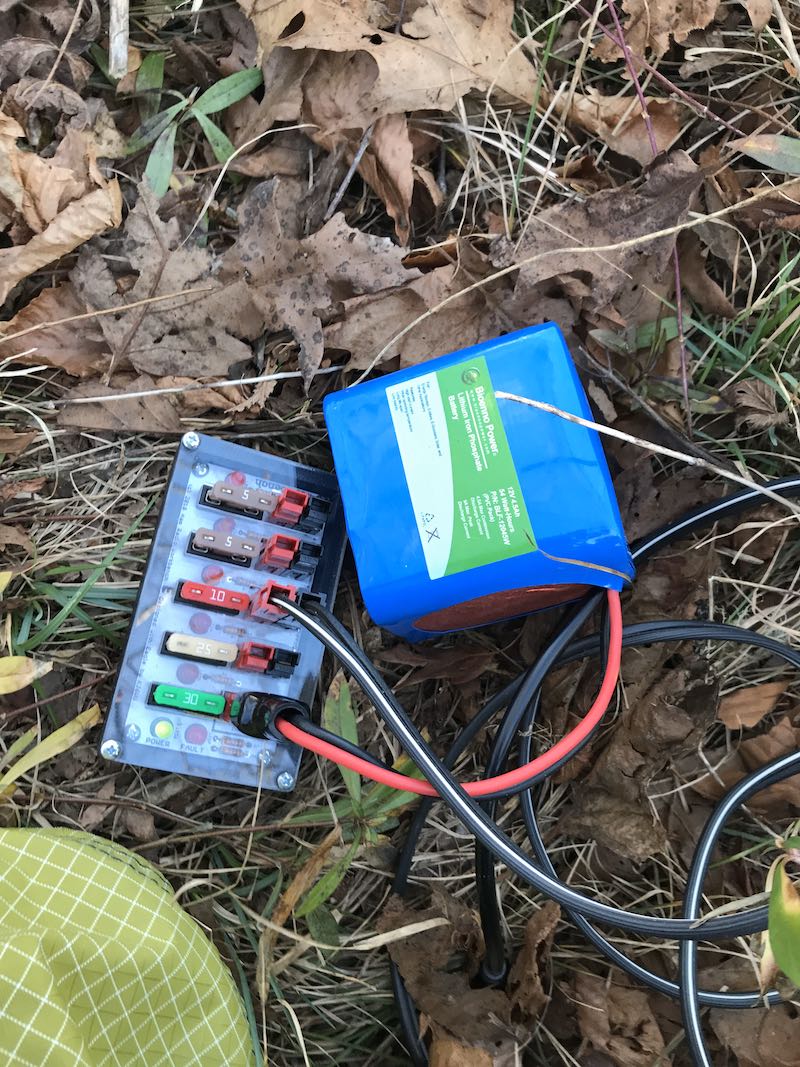
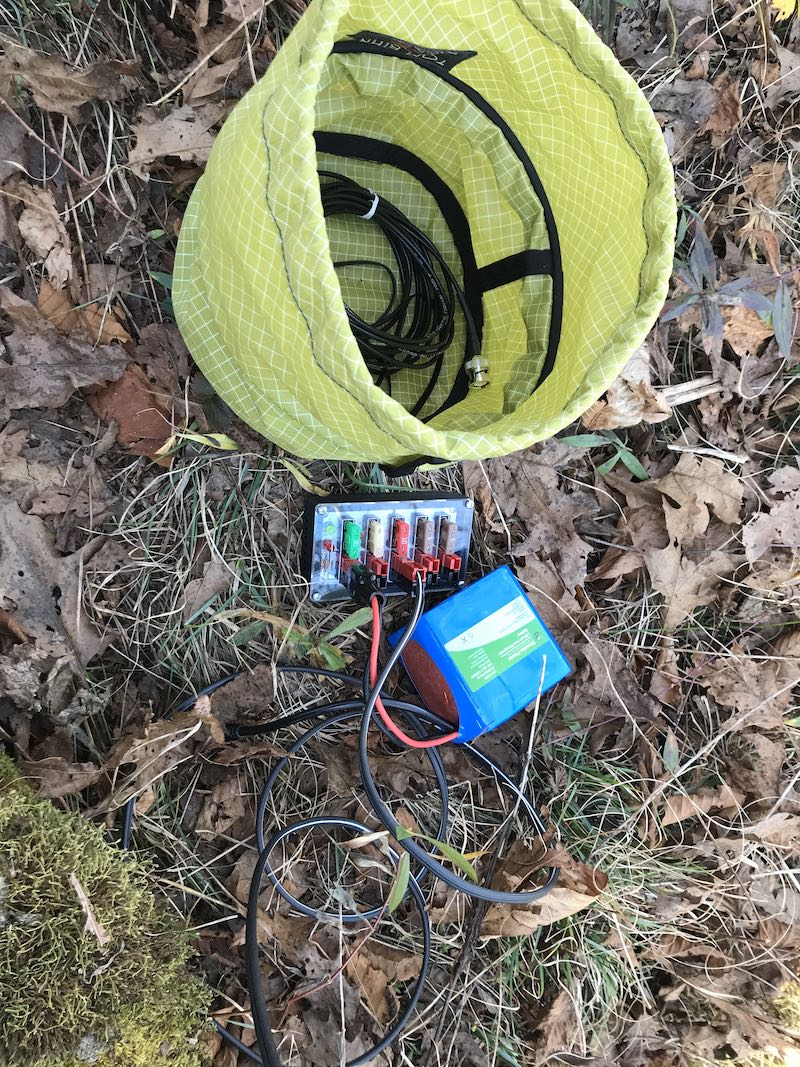
I didn’t use internal batteries in the KX1, rather, I opted for my Bioenno 6 aH LiFePo battery which could have easily powered the KX1 the entire day.

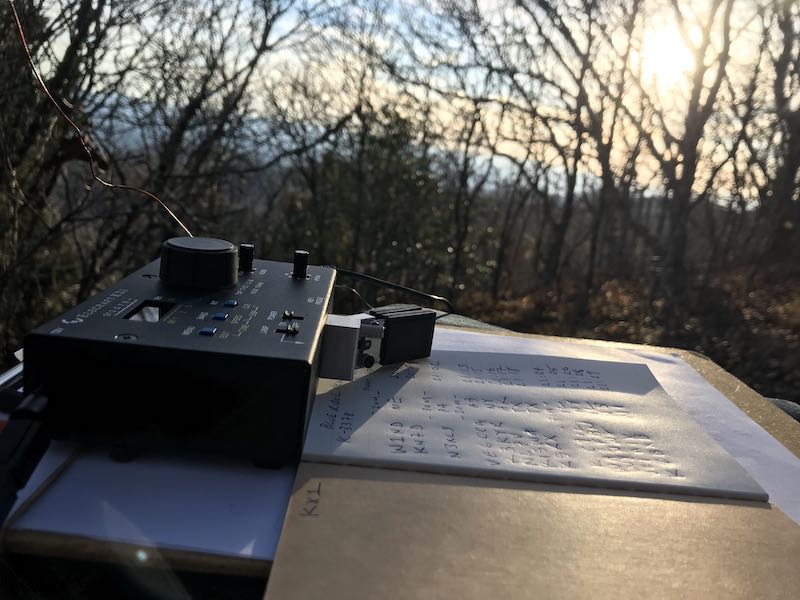
I deployed the antenna wire in a nearby (rather short) tree, laid the counterpoise on the ground, then tried tuning up on the 40 meter band.

No dice.

The ATU was able to achieve a 2.7:1 match, but I don’t like pushing QRP radios above a 2:1 match if I don’t have to. I felt the radiator wire was pretty short (although I’ve yet to measure it), so clipping it would only make it less resonant on 40 meters.

Instead, I moved up to the 20 meter band where I easily obtained a 1:1 match.

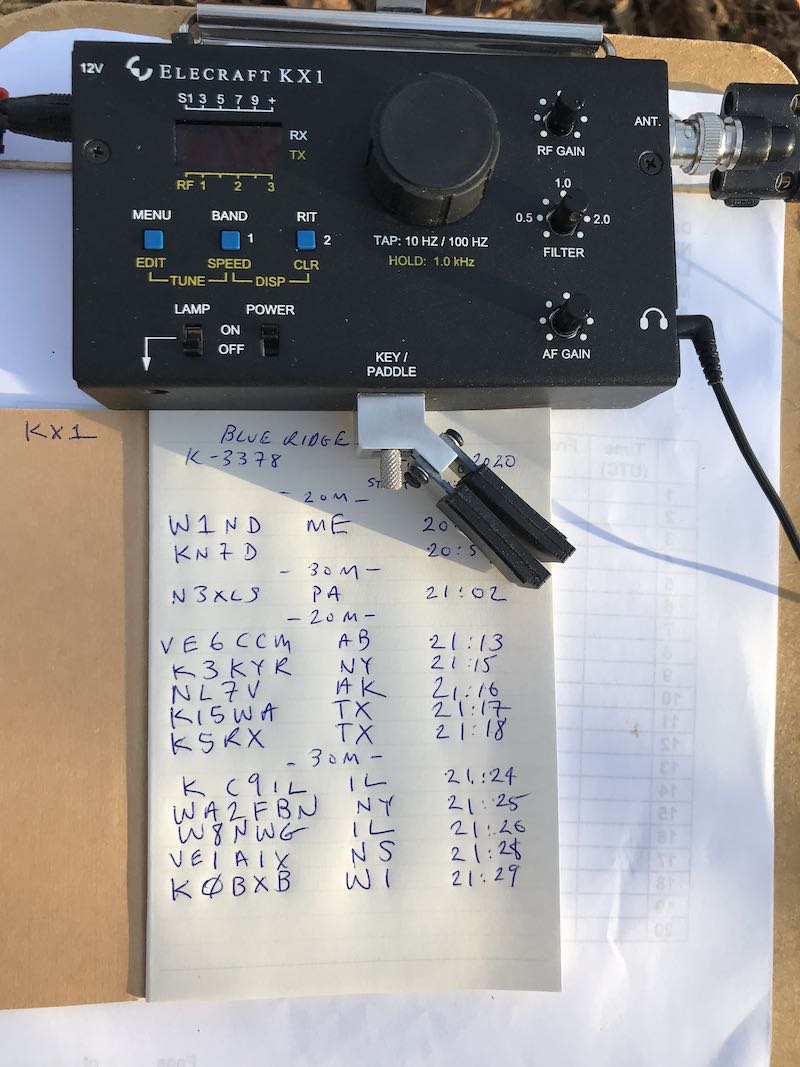
I started calling CQ POTA and within a couple of minutes snagged two stations–then things went quiet.

Since I was a bit pressed for time, I moved to the 30 meter band where, once again, I got a 1:1 match.

I quickly logged one more station (trusty N3XLS!) then nothing for 10 minutes.

Those minutes felt like an eternity since I really wanted to make this a quick activation. I knew, too, that propagation was fickle; my buddy Mike told me the Bz numbers had gone below negative two only an hour before the activation. I felt like being stuck on the higher bands would not be to my advantage.

Still, I moved back up to 20 meters and try calling again.

Then some radio magic happened…

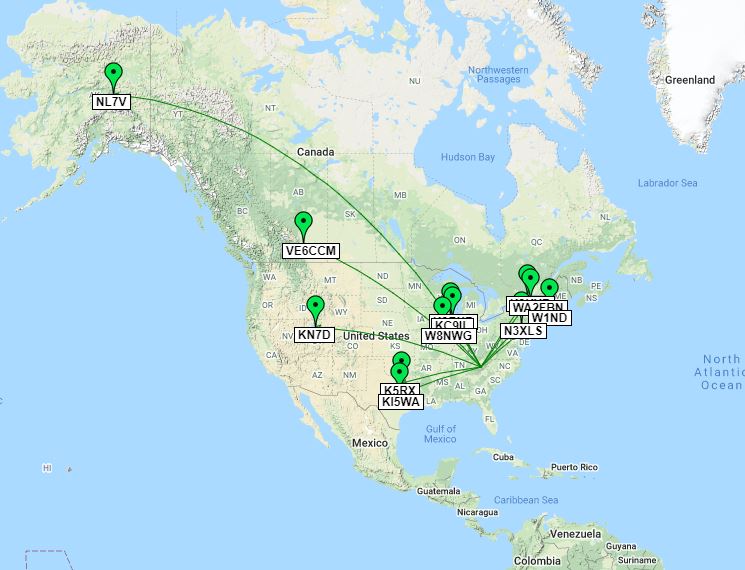
Somehow, a propagation path to the north west opened up and the first op to answer my call was VE6CCA in Alberta. That was surprising! Then I worked K3KYR in New York immediately after.

It was the next operator’s call that almost made me fall off my rock: NL7V in North Pole, Alaska.

In all of my years doing QRP field activations, I’ve never had the fortune of putting a station from Alaska in the logs. Alaska is a tough catch on the best of days here in North Carolina–it’s much easier for me to work stations further away in Europe than in AK.

Of all days, I would have never anticipated it happening during this particular activation as I was using the most simple, cheap antenna possible: two thin random lengths of (likely discarded) wire.

People ask why I love radio? “Exhibit A”, friends!

After working NL7V I had a nice bunch of POTA hunters call me. I logged them as quickly as I could.

I eventually moved back to 30 meters to see if I could collect a couple more stations and easily added five more. I made one final CQ POTA call and when there was no answer, I quickly sent QRT de K4SWL and turned off the radio.

Here’s a map of my contacts from QSOmap.org:

I still can’t believe my three watts and a wire yielded a contact approximately 3,300 miles (5311 km) away as the crow flies.

This is what I love about field radio (and radio in general): although you do what you can to maximize the performance of your radio and your antenna, sometimes propagation gives you a boost when you least expect it. It’s this sense of wireless adventure and wonder that keeps me hooked!

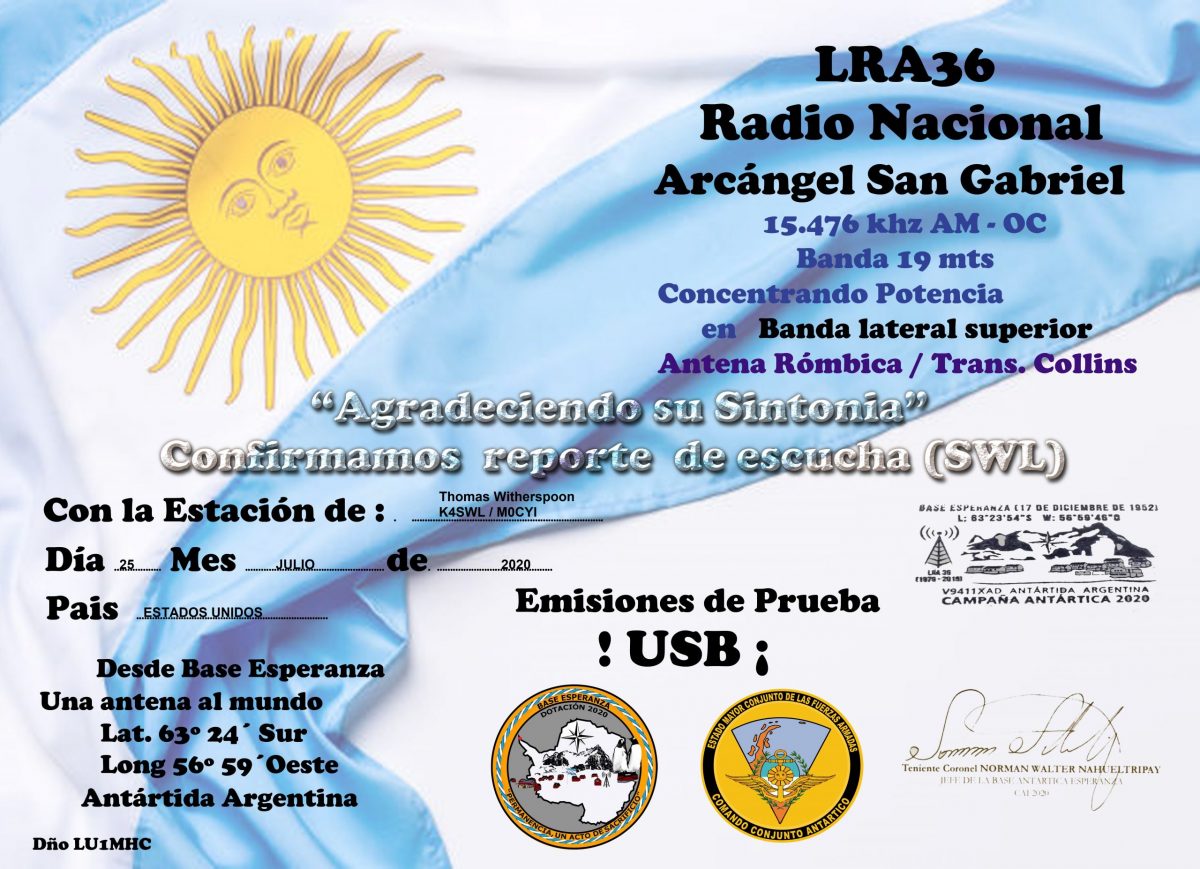
Finally confirmed reception of LRA36 Radio Nacional Arcángel San Gabriel Antarctica

For years now I’ve attempted to get decent reception of LRA36 Radio Nacional Arcángel San Gabriel in Antarctica. At times, I’ve been able to barely hear their AM signal here in North Carolina–at least, see it as a faint line on my spectrum display and barely hear audio rise above the noise. But in truth I could never confirm anything more than “male voice” and “music” thus never bothered with a report in good faith.

Recently, we’ve posted announcements for a series of test broadcasts from LRA36 in single sideband (SSB). Two weekends ago, I couldn’t receive a single inkling of their signal, but this past Saturday, I finally heard the station well enough to submit a detailed report and recording in confidence.

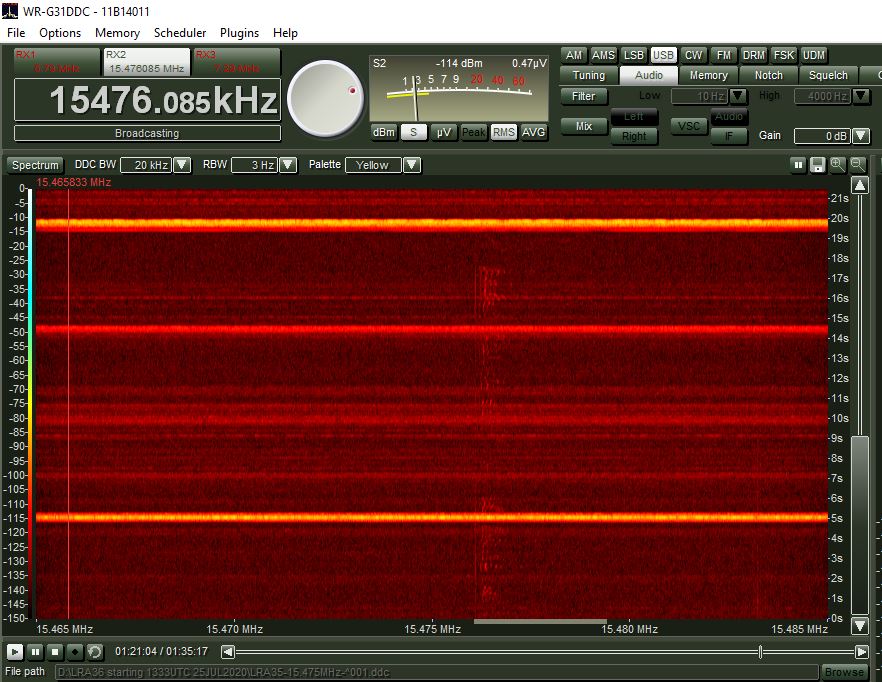
I had actually set my SDR to record 20 kHz of spectrum at home while I made my first CW POTA activation at the nearby Blue Ridge Parkway. A pop-up storm chased me away from the POTA site and it worried me that I had left my SDR running and connected to the antenna. Fortunately, none of the small thunder storms were directly over my home. Although there was heavy QRN due to local pop-up thunderstorms, their signal was there.

The following sample recording starts at 17:51 UTC  (July 25, 2020) on 15476 kHz.  It’s weak signal DX for sure, but interpretable. I made the recording with my WinRadio Excalibur SDR hooked up to a large Skyloop antenna. This clip starts with the song  Juana Azurduy by Mercedes Sosa:

I’m so chuffed to add the LRA36 QSL to my collection! Broadcasting in SSB made all the difference!

Have you successfully logged LRA36 from your home?  Please comment!

Bill’s first DX contest using a Panasonic RF-2200 and a hombrew diode/loop radio

Many thanks to SWLing Post contributor, Bill Hemphill (WD9EQD), who shares the following guest post:


My First DX Contest

by Bill Hemphill, WD9EQD

Being a recent new member of NJARC, this is my first time competing in this contest.  I have always been a big fan of BCB DXing and have recently got back into it – especially with the amateur radio bands being in such poor conditions.  The acquisition of a couple of Loop antennas plus two Panasonic RF-2200 radios have just enhanced my enjoyment.

For the contest, I used two completely different radios.  First was the RF-2200 and second was a spur of the moment creation.

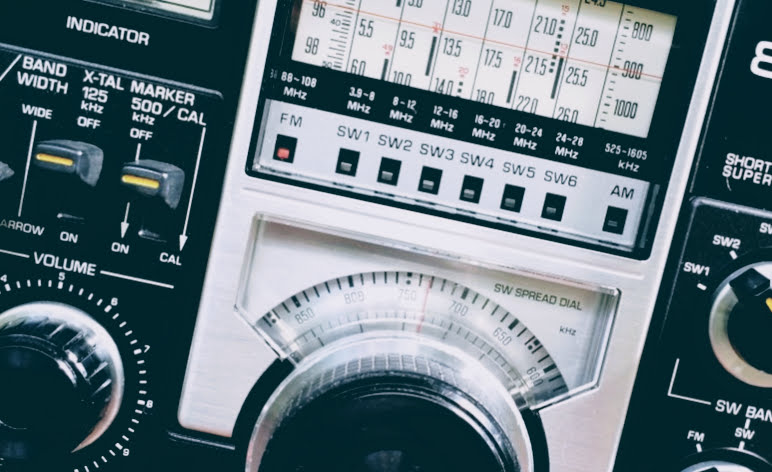
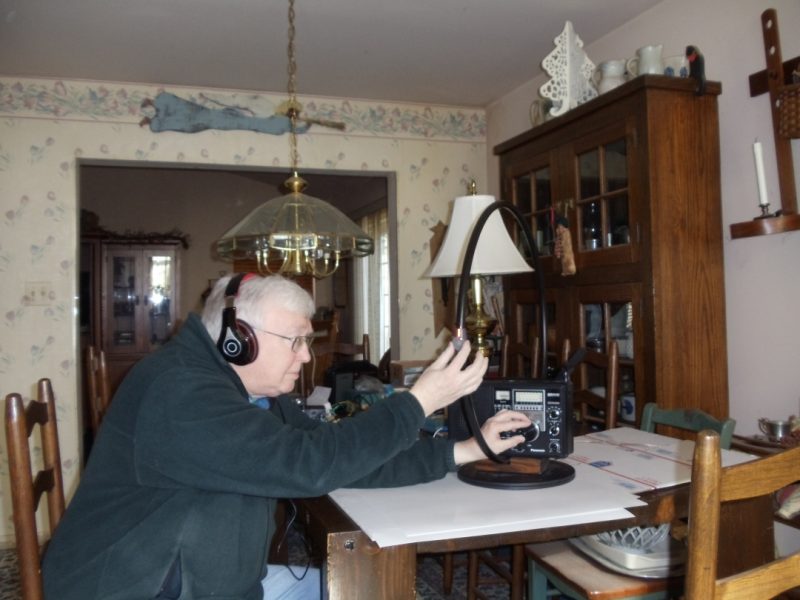
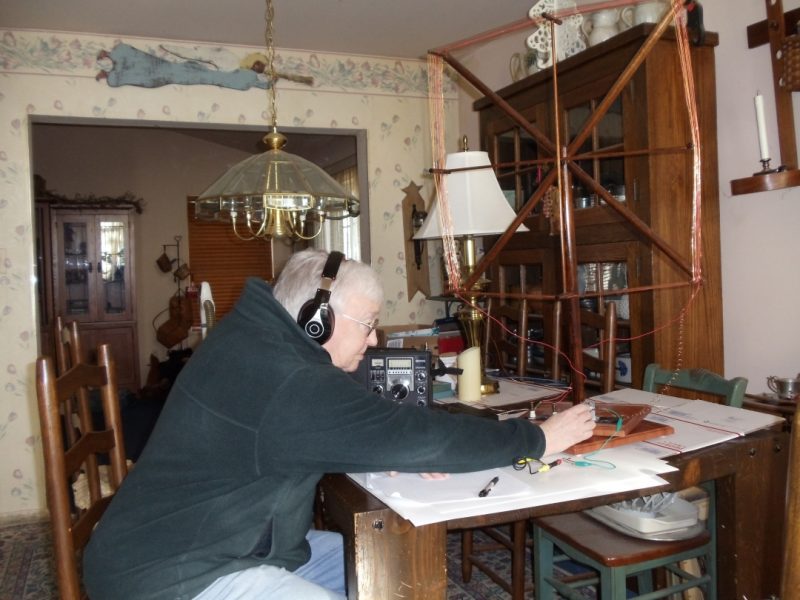
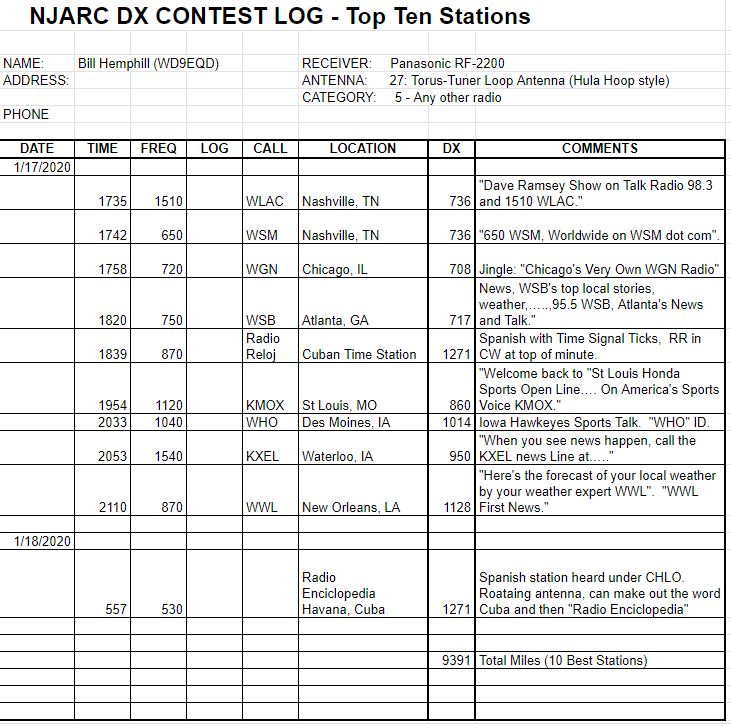
The RF-2200 was its usual good performer. While the RF-2200 has a beautiful built-in rotating bar antenna, I enhanced it with the 27” Torus-Tuner Loop Antenna as made by K3FDY, Edmund Wawzinski.  I think I had picked this antenna up at one of NJARC’s swap meets.  So I wish to thank whoever it was that was nice enough to bring it and sell it at the meet.  I have really enjoyed using it.  With this setup, I was hoping that I might be able to pull in Denver, Salt Lake City and maybe even a Mexican station, but it was a complete bust on them.  But I did have a nice surprise in receiving the Cuban station Radio Enciclopedia on 530 in addition to the usual Radio Reloj time signal station.  Following is photo of it in operation:

Originally, I had thought that my second contest entry would be done with a 1962 Sony TR-910T three-band transistor radio.  This radio has a fairly wide dial along with a second fine-tuning knob which would be a big help.  I would have again used the 27” hula-hoop antenna.

But I made the nice mistake of running across Dave Schmarder’s Makearadio website:

http://makearadio.com/

Dave’s site is a wonderful resource for creating your own Crystal, Tube, and Solid State radios as well as Audio Amplifiers and Loop Antennas.  While going down the rabbit hole of his site, I ran across his Loop Crystal Set, #19 Crystal Radio:

http://makearadio.com/crystal/19.php

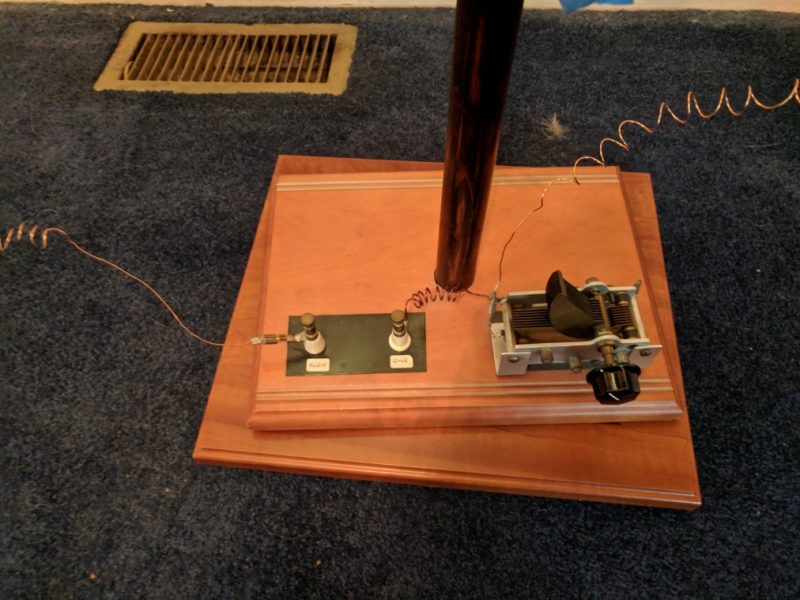
What grabbed my attention was the wood frame loop antenna which is similar to one I had acquired a couple of years ago at a ham fest:


It was a really nicely constructed, nice swivel base.

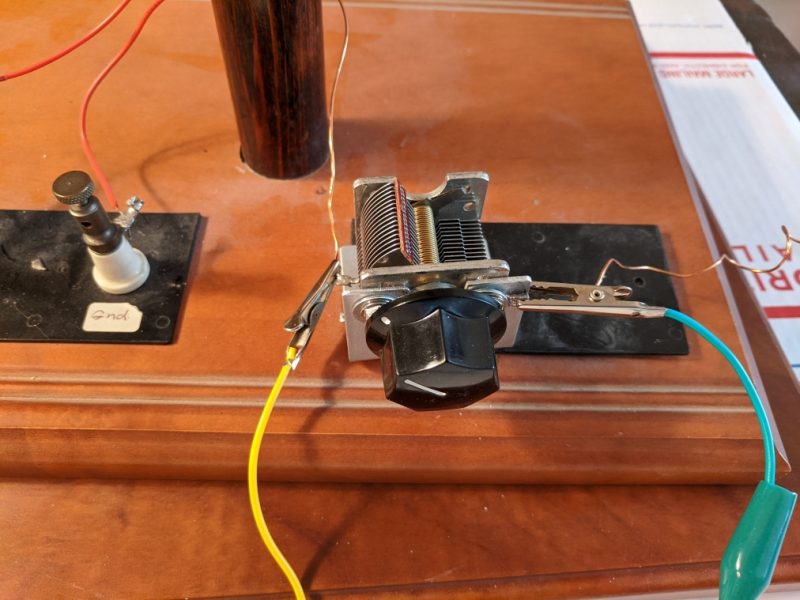
I replaced the tuning capacitor with one that has a 6:1 ratio.

At this point I started thinking that I could create something similar with my loop.

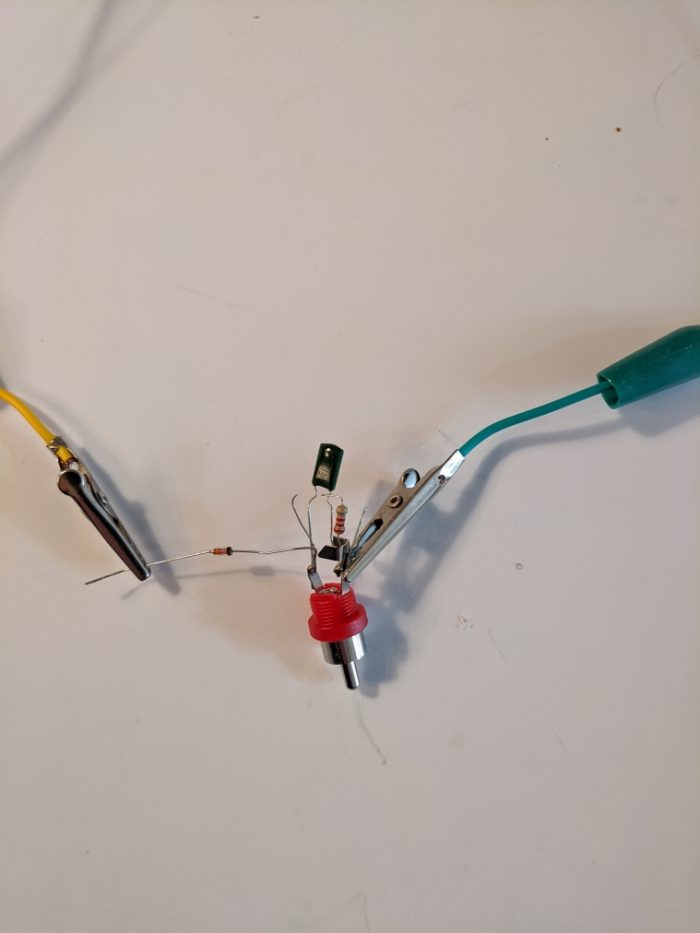
I randomly grabbed a diode from my parts box.  Not sure what the exact model is.  (I later found out that it was an IN-34 which is what I was hoping it was.)  Then quickly soldered the diode, a resistor and capacitor to a RCA plug:

I then proceeded to use some jumper cables and just clip it to the tuning capacitor on the antenna base:

The RCA plug was then the audio out (I hope) from the radio.

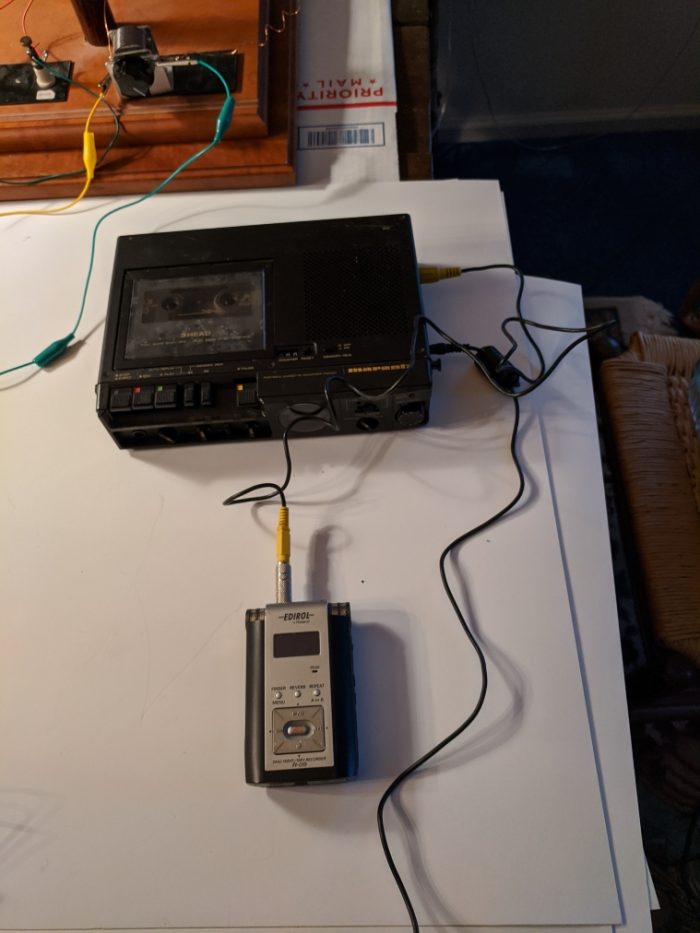
I quickly realized that I did not have a crystal headset or any headset that would reproduce any audio.  So I used an old Marantz cassette recorder to act as an amplifier.  Fed it into the mic jack and then tried to listen to the monitor out.  Bingo – I could pick up or local station on 1340 really weak.

So I then fed the audio from the Marantz into a Edirol digital recorder.  Now I was getting enough audio for the headphones plus could make  a recording of the audio.

At last I was receiving some signals.  To boost the audio some more I removed the resistor from the circuit.

I found out the I could only tune from about 530 to 1350.  I probably needed to clip the lead on one of the loop turns, but I really wanted to see how it would do at night.  I spent several hours and was just totally amazed at how well it performed and how good the audio was.  The hardest part was when there were very strong signals on the adjacent frequency.  What I found really interesting was that it was not linear in its tuning.  At the low end of the band the stations were more spread out than at the higher end.  This made tuning fairy easy at the low end and very touchy at the high end.  I was able to hear a couple of Chicago stations along with Atlanta and St. Louis.

Here’s photo of it in action:

I have created an audio file of the station ID’s heard with the diode/loop radio.  The audio file is on the Internet Archive at:

https://archive.org/details/bcbstationidsondioderadio

I had a lot of fun in the contest and especially enjoyed trying something really different with the diode/loop radio.  Now I have a whole year to try to think up something really creative for next year’s contest.


Absolutely brilliant, Bill! I’m so happy to see that your ham fest homebrew loop has served you so very well in a contest. I love how you pulled audio from your homebrew, make-shift diode radio as well–using your audio gear in a chain for amplification obviously worked very well.

Thanks so much for sharing your experience, Bill!