Category Archives: Radios

RadioShack auction includes a number of shortwave radios

Many thanks to SWLing Post contributor, Kim Elliott, who shares a link to this RadioShack auction:

UBid Estate & Auction Services LLC

ICONIC RADIOSHACK MEMORABILIA AUCTION
From humble beginnings in Boston in 1921, over the past 95 years RadioShack established itself as a globally recognized leader and the go to retailer for consumer electronics. RadioShack has always been known as the place for answers to the American public’s technology and electronics questions. “You’ve got questions, we’ve got answers.”

Over the years, RadioShack introduced consumers to exciting and affordable gadgets and electronics that have become household items. As we cleaned out our historic archives in Fort Worth, Texas, we uncovered a cache of iconic memorabilia in 12 huge safes, including: unused original TRS-80 Microcomputers, Realistic Transistor Radios, Tandy computer software games, original brick cell phones and so much more. We all remember coming into RadioShack whether it was for the battery-of-the-month, new walkie-talkies, or to check out the newest RC toy cars. Now we reintroduce many of those nostalgic items and more with our rolling online memorabilia auction.
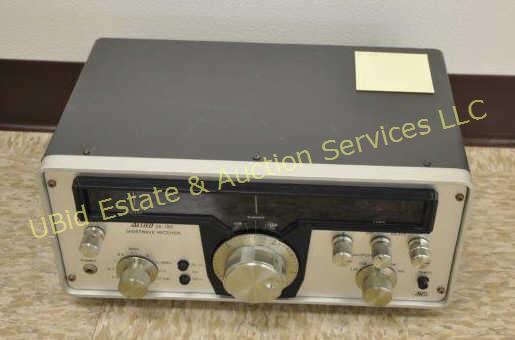
Click here to view the auction items.

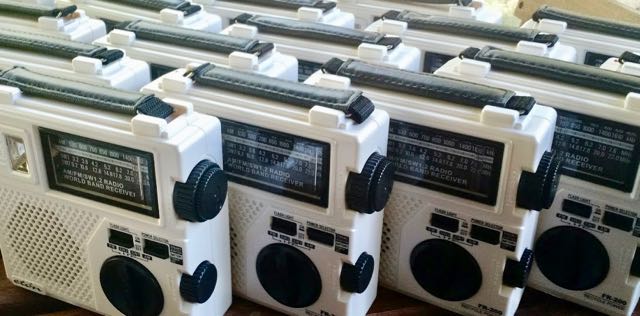
Allied Shortwave Receiver

I must admit, it would be fun to own a few of these new-in-box/unused RS items. Besides the shortwave radio offerings, I used to drool over the TRS-80 systems.

I still own my original Tandy Color Computer 2 (the “Co Co 2”). Someday, I plan to hook it up and show my kids what a proper volatile memory meant–turn it off and the memory is wiped clean! I remember how revolutionary the cassette tape was–it changed my world!

No doubt, these RS offerings will fetch top dollar. Even though it’s still early in the auction, many items already have a rather high price and all of them have a soft closing:

“The closing time of this lot will be extended by 2 minutes if a bid is placed on this lot in the last 2 minutes.”

Most, if not all, of these auctions end on July 3, 2017. I doubt I’ll bid on anything…still…I’m enjoying the stroll down memory lane.

The best transceiver for a new ham and seasoned SWL?

The Yaesu FT-890: One of many general coverage HF transceivers spotted in the 2017 Hamvention flea market.

Many thanks to SWLing Post reader, Joe, who writes:

I’ve been practicing for my Technician ham radio license here in the US and am ready for the test. I’m already looking at HF transceivers even though I don’t have my General license yet.

Here’s what’s important to me:

  • I will still do a lot of SW DX
  • Something that has at least decent audio
  • Something that isn’t too too huge; though I’m a little flexible on size
  • I need something that has a receiver that handles weak DX well

I’d be comfortable spending $500 any day all day no problem. Anything higher than that and I’d really have to think it’s an investment in my radio future.

Thanks for your question, Joe, and allowing me to post it here for comment as this is one I’m frequently asked.

First of all, congratulations on studying for and taking your ham radio license exam! I’m a ham and absolutely love the radio privileges my license provides.

At the same time, I’m still more of an SWL than a ham–meaning, I spend way more time chasing SWL DX than doing on-air ham operations.

With that said, I always seek radios that will serve me well as both a ham and SWL, if possible.

My humble advice

If we stick with your $500 budget strictly, then we’re certainly looking at used transceivers. That’s okay–there are many good ones on the market!

I posted the following review of general coverage transceivers a few years ago. The info in it is still very much accurate in the used market. I would suggest you give it a good review as it goes into more detail about the ins and outs of your first transceiver and the importance of leaving budget to purchase a good power supply:

The best general coverage transceivers for shortwave listening

Click here to read the full review.

 If you’re willing to spend a bit more than $500…

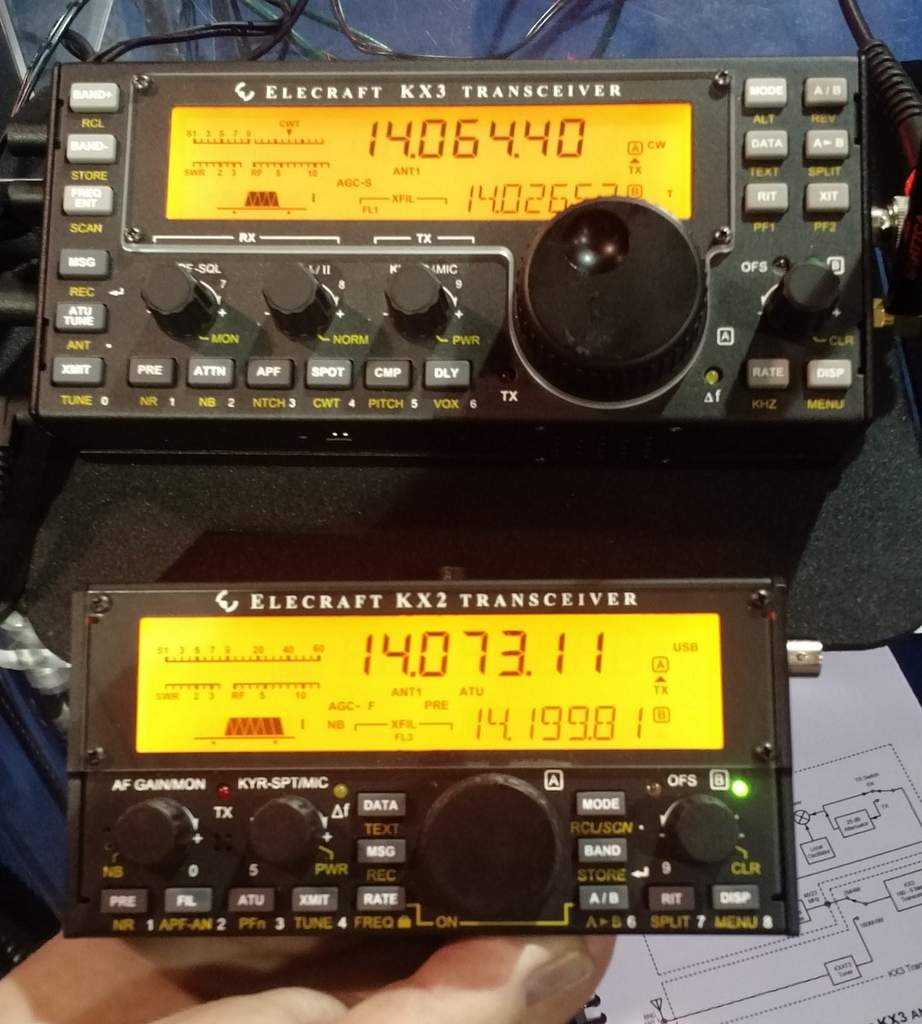
I’m a big fan of the Elecraft KX3 and Elecraft KX2. I have both and use them frequently.

Comparing the size of the Elecraft KX3 (top) and KX2 (bottom) at Elecraft’s Dayton Hamvention booth.

You can find the KX3 used for $700-900 (depending on options). The bare-bones model of the KX2 can be purchased new from Elecraft for $749.

Of course, something to keep in mind about the Elecraft KX series transceiver is that output power is limited to 12-15 watts. Some of the general coverage transceivers mentioned in our review have a much higher 100 watt output power.

Additionally, the audio fidelity (via the internal speaker) is not as good as many other general coverage transceivers. Audio amplification is not as powerful, because both transceivers are designed to operate on a small battery pack (a major plus in my world because I love field-portable rigs).

Since I do 90% of my radio work with headphones, audio amplification is not a problem for me and I’m quite please with both KX line transceivers. Many KX series owners purchase external amplified speakers to improve audio.

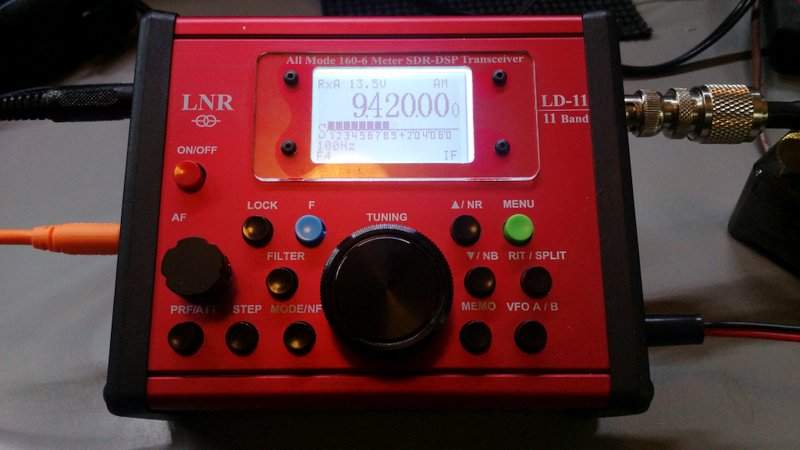
The LnR LD-11 tuned to the Voice of Greece.

While we’re looking at QRP transceivers, I would also recommend the LnR Precision LD-11. Its broadcast afidelity is even better (via headphones) than the KX2/KX3 since the AM filter can be widened to an impressive 9.6 kHz. It’s a top-notch transceiver and can be purchased new for $780 US. Click here to check out my full review of the LD-11.

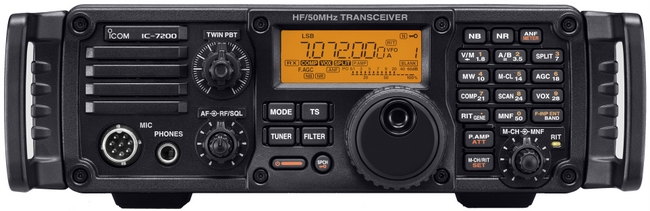
The Icom IC-7200

Of course, as I mention in the general coverage transceiver review, the Icom IC-7200 is also a gem of a transceiver.

Keep in mind, the ‘7200 was such a popular radio that after Icom discontinued the model in January of 2016–due to overwhelming customer demand–they re-introduced it earlier this year. No kidding.

New, the IC-7200 is about $879 US, but they can be found used closer to the $650 – 750 mark. A very good value in my book. In fact, I’m very tempted to buy one as my 100 watt “shack and field” rig. It’s way more user-friendly on Field Day than my Elecraft K2/100 and, in many ways,  a better option than purchasing an Elecraft amp for my KX3/KX2.

Any other good suggestions?

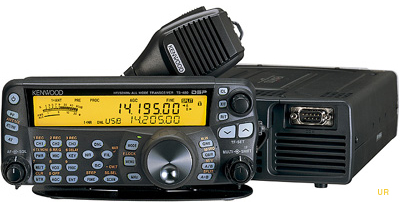
The Kenwood TS-480SAT is full-featured, small, and has a detachable face plate. A very good general coverage transceiver.

There are hundreds of HF transceivers on the new/used market. I’m sure I’ve missed some excellent options in this post and my general coverage transceiver review.

Please comment with your favorite dual-purpose Ham Radio/SWLing rig. Tell us why you love it!

Video: EB3DYW’s Homebrewed regenerative receiver

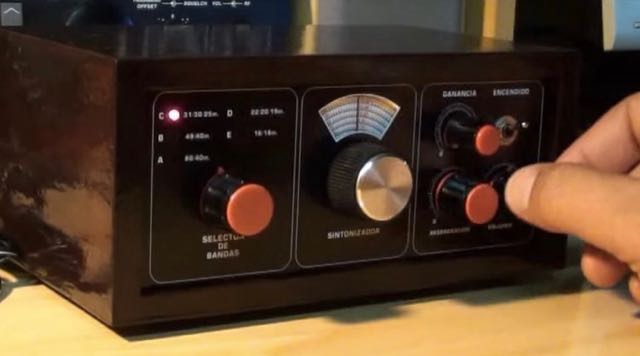
While browsing a videos on YouTube, I stumbled across this demonstration of a brilliant little homebrewed regen receiver by Javier Guillaumet (EB3DYW):

Click here to view on YouTube.

What a beautiful little receiver!

Though I’ve build a number of receiver kits, I’ve never built one from scratch. Someday, I will muster up the courage and do so, though!

If you like home-grow regen receivers, you must check out Dave Richards’s Sproutie II regen receiver as well. A true work of art!

Post readers: Do you have any homebrew projects to share? Please comment!

Surviving a nuclear disaster: “Go in, stay in, tune in”

There are so many reasons having a reliable radio at the ready is a good idea.

We radio geeks get it.

This morning, an item from Business Insider UK appeared in my news feed. The focus of the article was what not to do after a hypothetical nuclear detonation. Researchers discovered that the knee-jerk reaction from most would be to get in their car and drive away from the affected area as quickly as possible. Turns out, this is about the worst thing you can do because vehicles are such poor insulators from deadly nuclear fallout.

Here’s what’s recommend instead, according to Brooke Buddemeier, a health physicist and radiation expert at Lawrence Livermore National Laboratory:

“Your best shot at survival after a nuclear disaster is to get into some sort of “robust structure” as quickly as possible and stay there, Buddemeier said. He’s a fan of the mantra “go in, stay in, tune in.”

“Get inside … and get to the center of that building. If you happen to have access to below-ground areas, getting below ground is great,” he said. “Stay in 12 to 24 hours.”

The reason to wait is that levels of gamma and other radiation fall off exponentially after a nuclear blast as “hot” radioisotopes decay into more stable atoms and pose less of a danger. This slowly shrinks the dangerous fallout zone — the area where high-altitude winds have dropped fission products.

(Instead of staying put, however, a recent study also suggested that moving to a stronger shelter or basement may not be a bad idea if you had ducked into a flimsy one.)

Finally, tune in.

“Try to use whatever communication tools you have,” Buddemeier said, adding that a hand-cranked radio is a good object to keep at work and home, since emergency providers would be broadcasting instructions, tracking the fallout cloud, and identifying where any safe corridors for escape could be.”

Read the full article at Business Insider UK.

Regardless of the scenario, a preparedness kit should always include radio. Mobile phones have limited utility when the network infrastructure is disrupted or overloaded. TVs aren’t practical or portable.

Radios are a simple way of main-lining life-saving information during disasters.

But again, we radio geeks get it!

Buyer Beware: Dan shows us how to spot a scam on eBay

Many thanks to SWLing Post contributor, Dan Robinson, who writes:

This is an example of a classic scam — and these are usually seen involving
Watkins-Johnson 8711/A receivers.

The seller puts a photo of what appears to be a good condition WJ up,
with additional photos. But often these photos are faked or taken from
other ended Ebay auctions.

The description is usually, as with this item, in blue letters noting
the item is available only for immediate sale, and not for auction,
despite the fact that the auction is — an AUCTION and has a
starting price.

I make it my business to reports items like this to eBay and eBay has
a pretty good record of recognizing scams and removes them.

I think it’s important to point out these items to SWLing readers to
help avoid people being ripped off.

No doubt!  Thank you so much for sharing this, Dan. I didn’t realize scams like this were prevalent on eBay.

I’m willing to bet this scammer’s plan is to get you to outside the boundaries of eBay’s protection as soon as possible, luring you with a believable bargain price. This is why they ask for you to message them instead of bidding.

In my opinion, eBay is one of the safest sites for online purchases, but it is certainly not void of scammers. Remember the proverb, “If it sounds too good to be true, it probably is!”

Thanks again, Dan!

DK’s Barn Find: A GE Super Radio II

My good friend, David Korchin (K2WNW), has a knack for finding diamonds in the rough.

He’s been known to find a radio that needs TLC, take it home and restore a bit of its former glory. He’s had some amazing luck in the past.

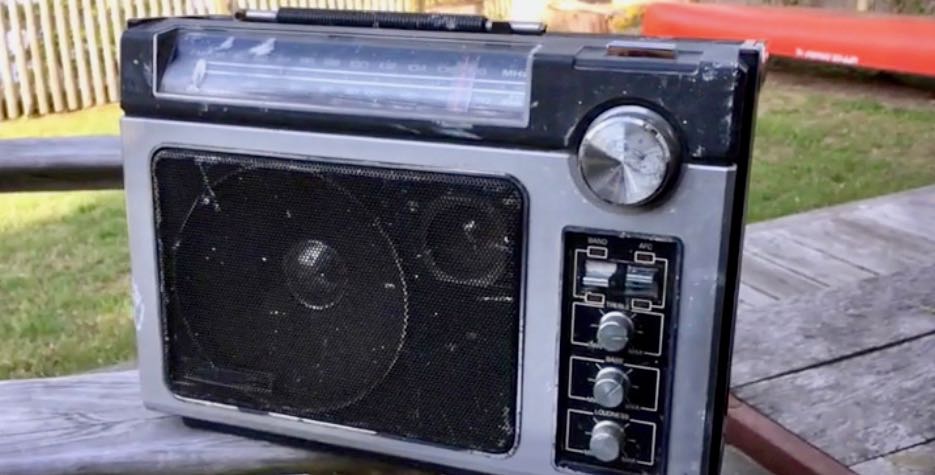
Recently, DK sent a video of of his recent acquisition: a beat-up GE Super Radio II he purchased for two dollars. This radio will win no beauty contests, but it still plays well.

Check out DK’s video:

Click here to view on YouTube.

Many thanks, DK, for allowing me to post this video. It goes to show you that you should never pass up an opportunity to adopt a Super Radio. Even if the telescopic antenna is all but missing, the internal ferrite bar is where the money is!

Play on!

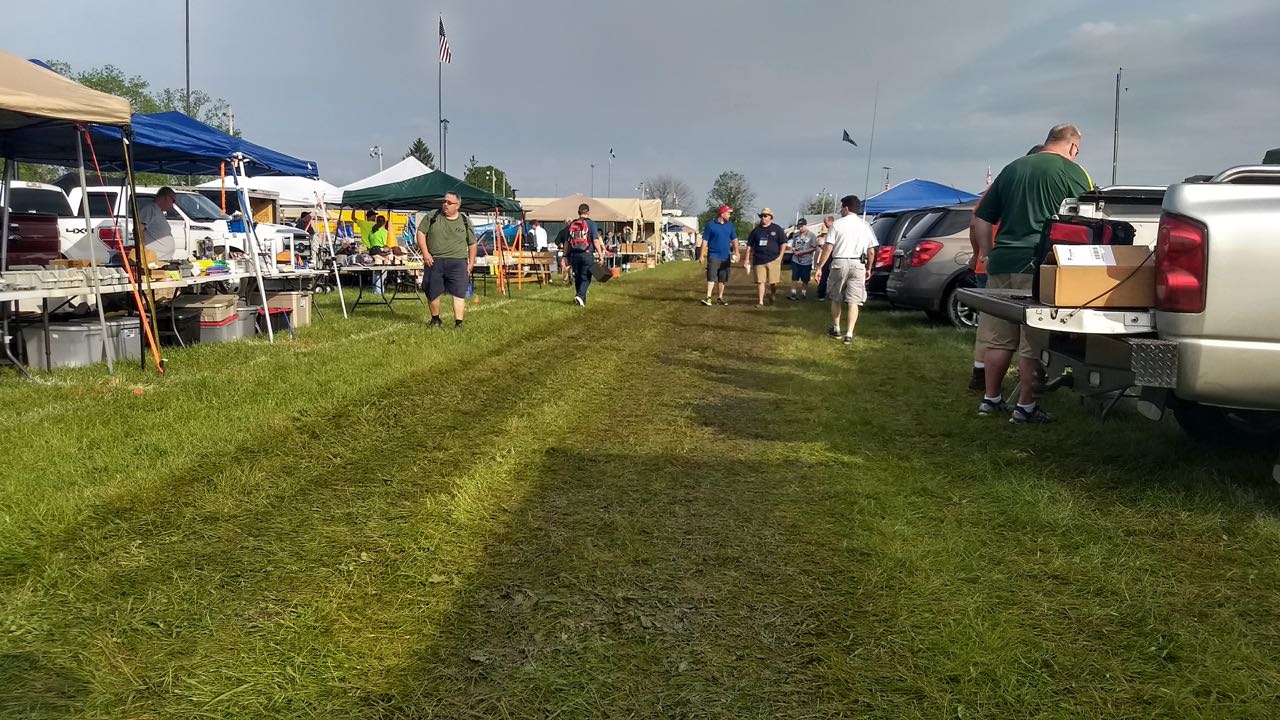
Back from Xenia: My 2017 Hamvention spoils

I’m finally back from a week of travels which included the 2017 Hamvention held a the Greene County Fairgrounds in Xenia, Ohio.

As an inside exhibitor, I was quite busy at Hamvention–indeed, my voice is only now recovering.

I did manage to sneak away from our table on several occasions to visit with vendors, friends, and check out new innovations (thanks to ETOW volunteers Eric McFadden, Miles McFadden and Robert Gulley!). I also attended the NPOTA (National Parks On The Air) forum on Sunday.

This year, I posted hundreds of photos of the event here on the SWLing Post: both inside exhibits and flea market booths.

I’ve also already started a re-cap/review of the 2017 Hamvention which I plan to post in the next few days. Stay tuned.

In the meantime, though, a number of readers have asked what I brought home from the Hamvention. Though I had no intention to buy stuff this year–seriously–I did manage to come home with a few treasures.

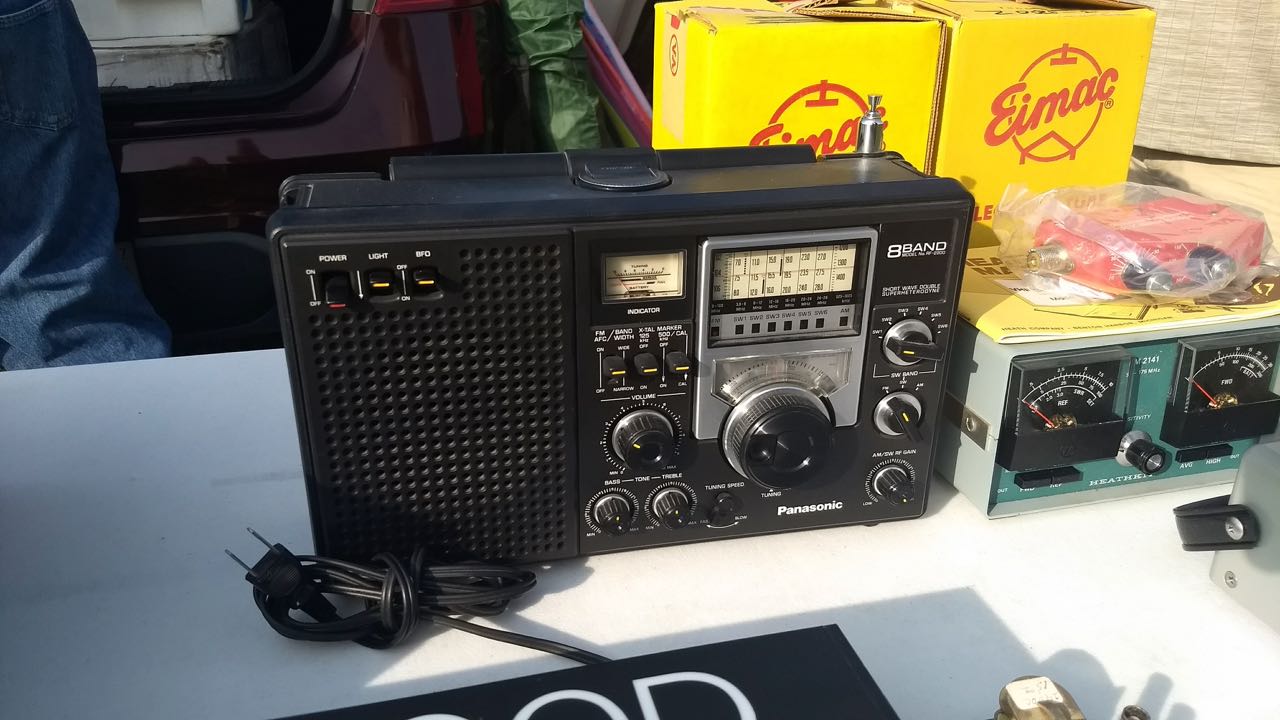
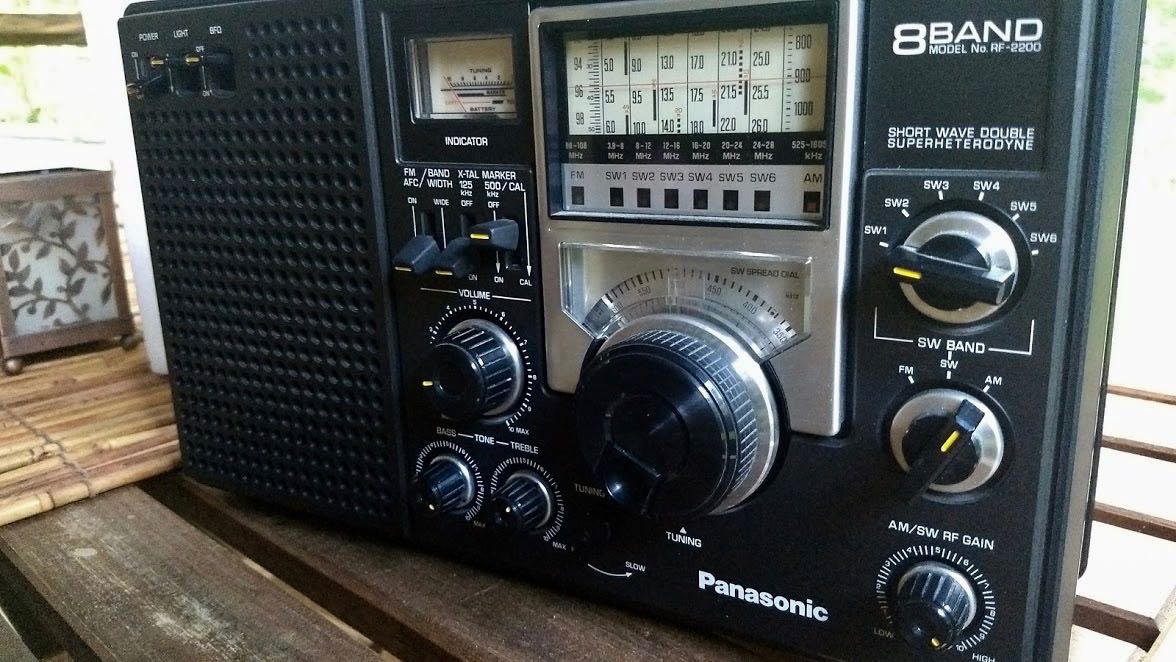
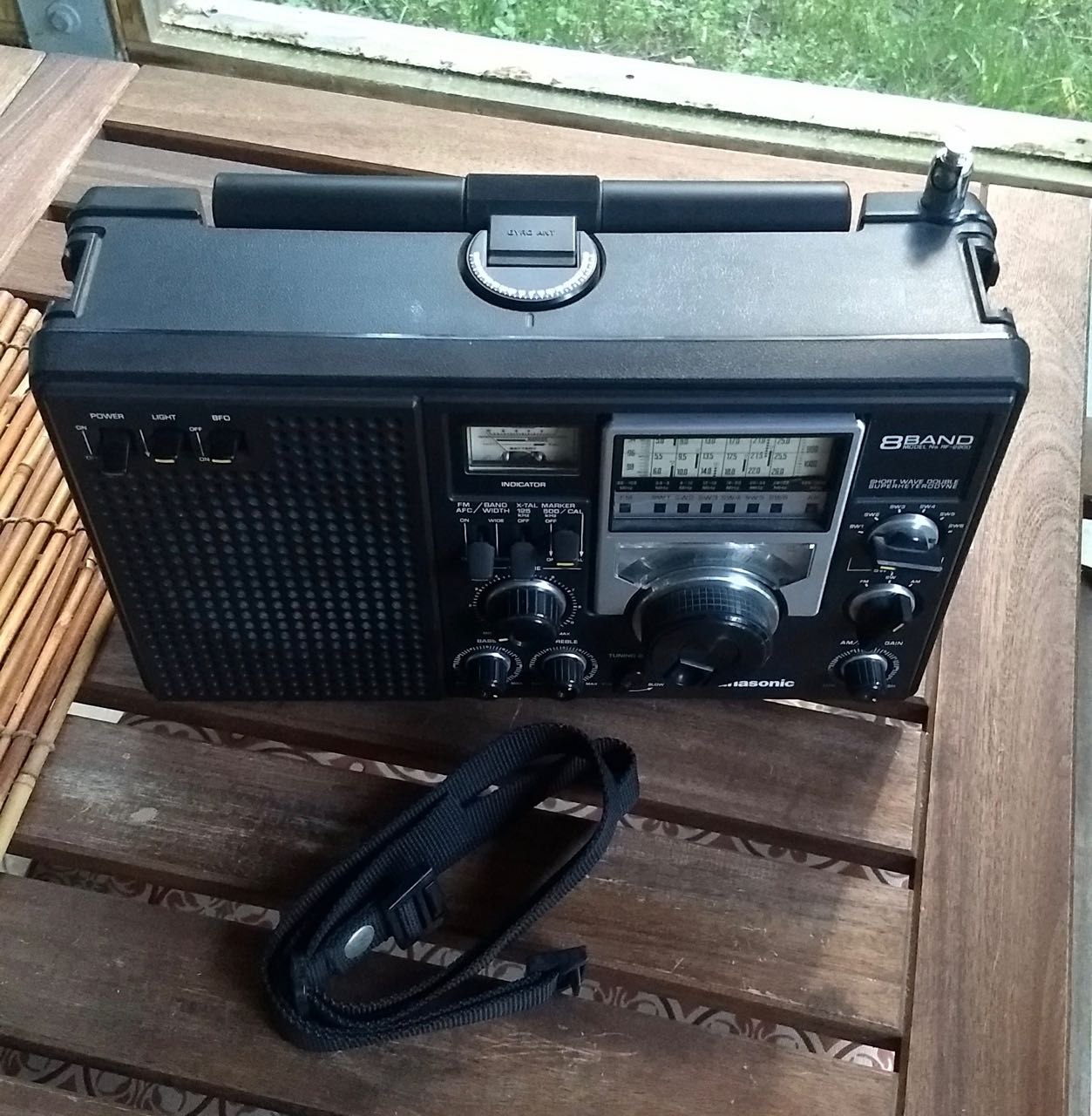
Panasonic RF-2200

If you’ve been reading the SWLing Post for a while, you’ll know I’m a big fan of the ‘2200. On the shortwaves, it’s a great performer even though the analog tuning can be a bit squirrelly.

Where it really shines is on mediumwave, though. It’s easily the best AM portable I own.

My buddy, Eric (WD8RIF), pointed out this RF-2200 (see photo above) in the flea market. Since I already own an RF-2200, I had no intention of buying one.

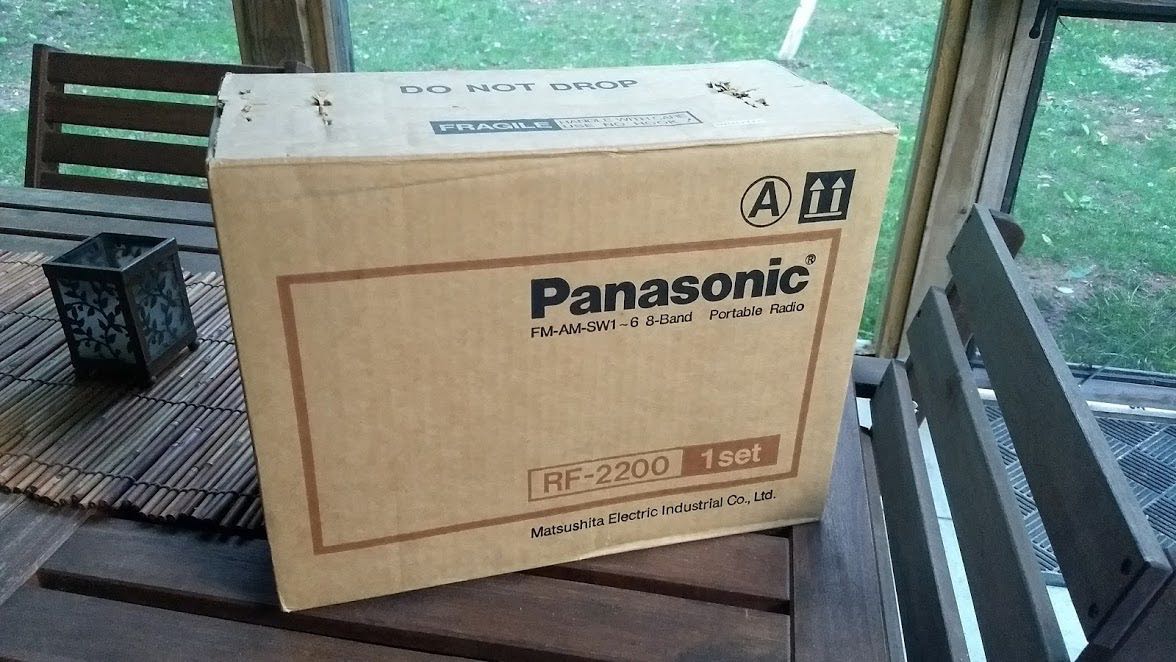
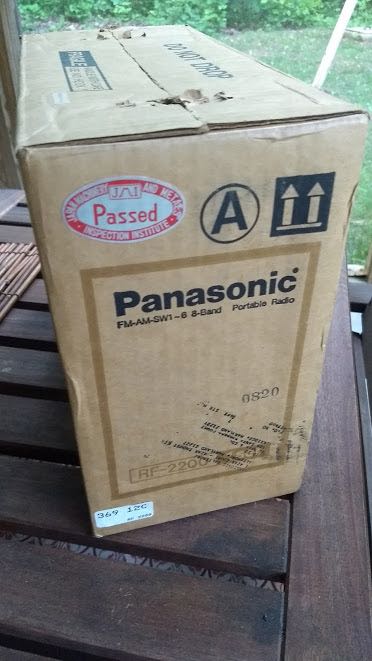
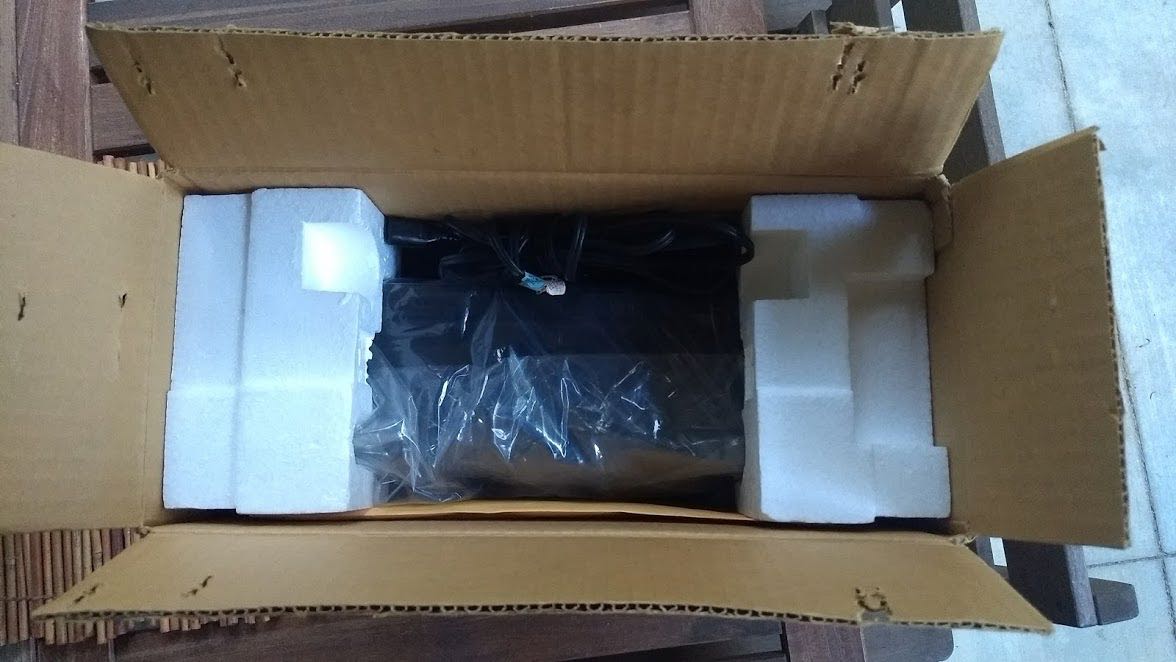
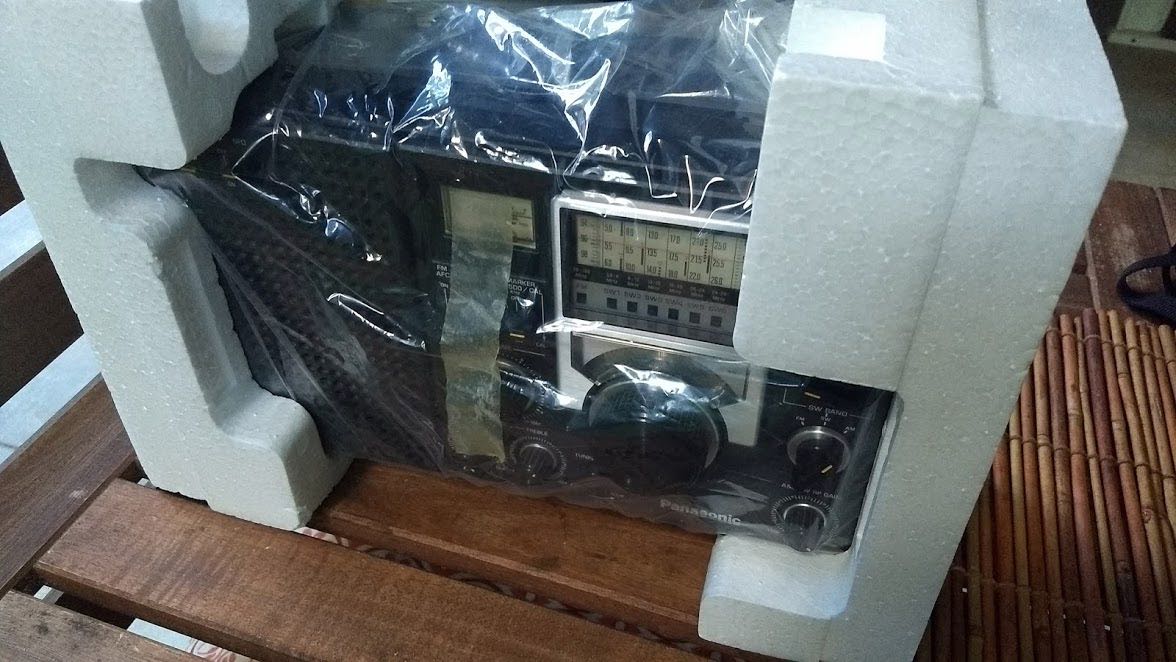
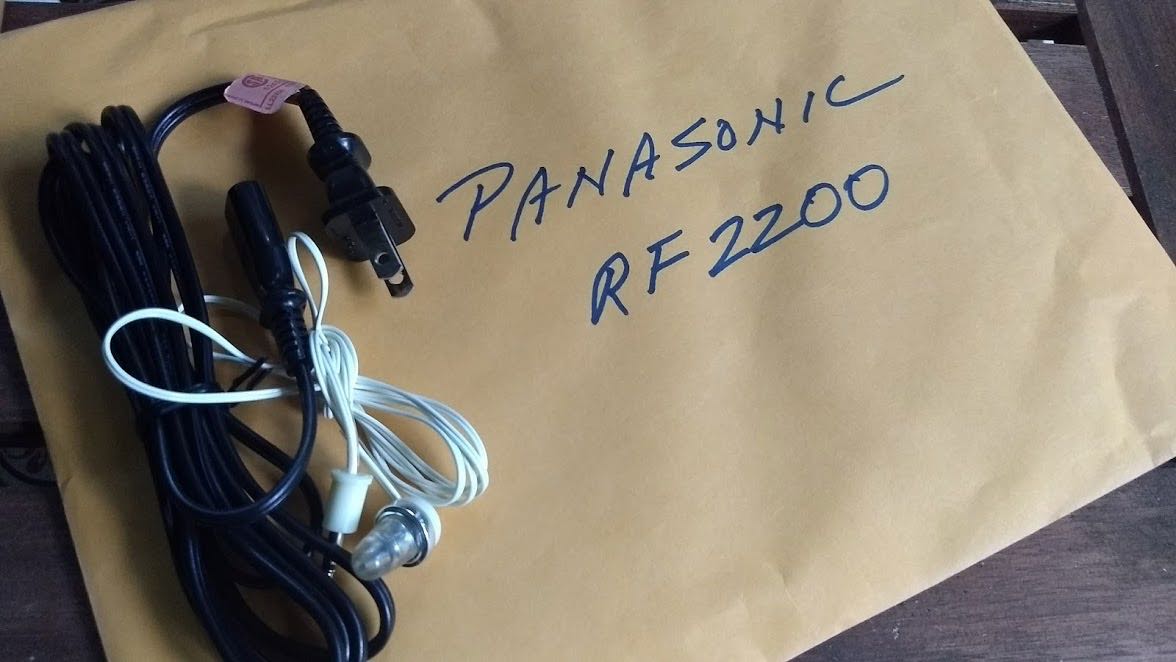
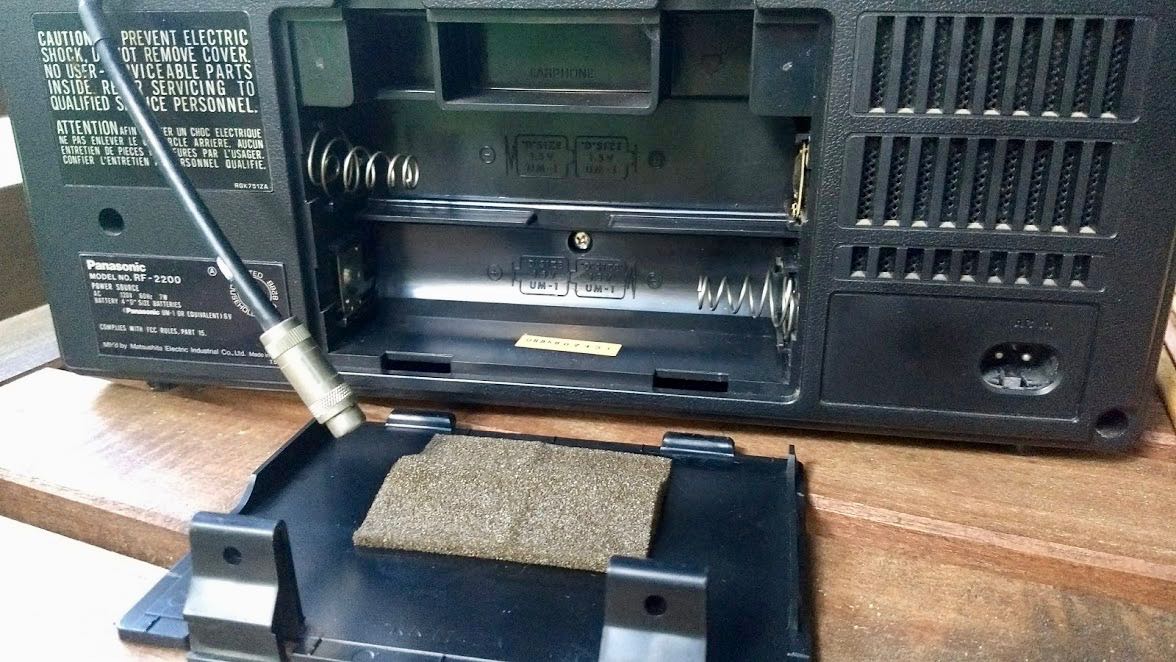
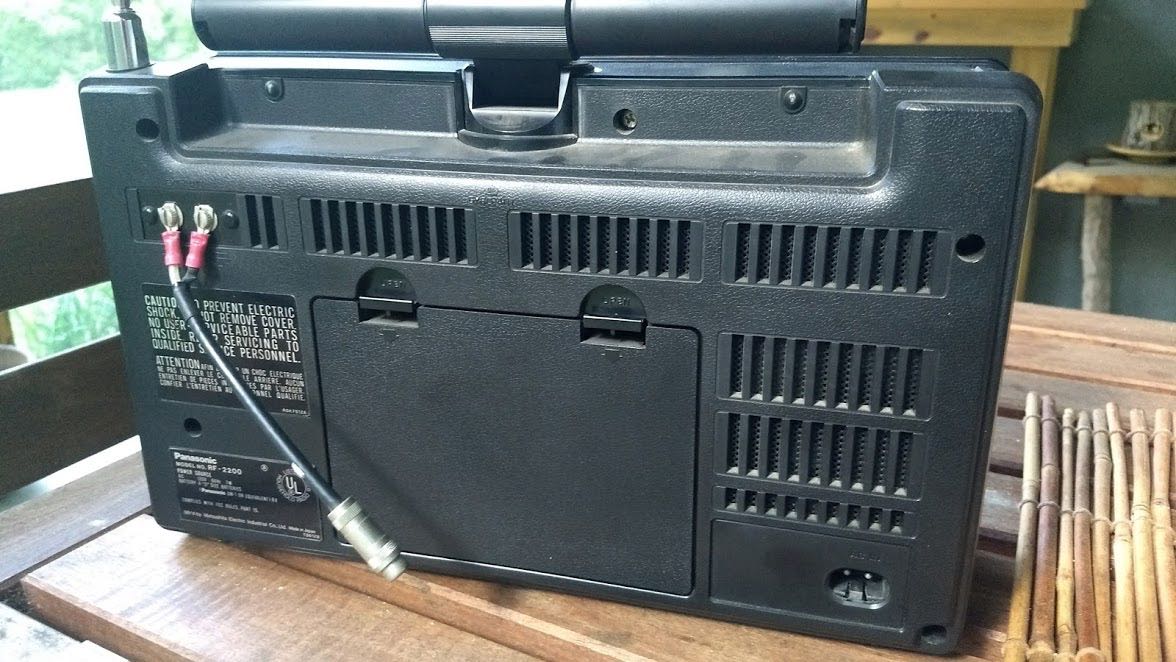
While taking a photo of it, the seller started telling giving me details. He said he’d never used batteries in it, and only used a small external wire antenna connected on the back (his homebrew connector was still attached). He then mentioned that he also had the original box, manuals, accessories and packing materials.

I put my camera phone away and picked it up to take a closer look. It had obviously been taken care of over the years. The battery compartment was immaculate and the telescoping whip didn’t have any bends or missing sections–it was straight, clean and original.

Out of curiosity, I asked how much he wanted for it.

He wanted $70.

Sold!

With absolutely no hesitation, I reached for my wallet. Sure, I’ve already got an RF-2200, but one can never have too many RF-2200s. Right?

I took a few photos of the RF-2200 this morning:

Without a doubt, this was my exciting 2017 flea market find. .

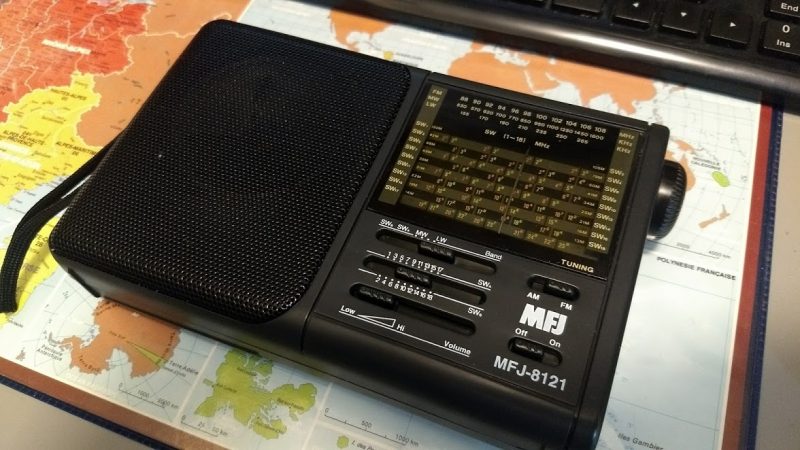
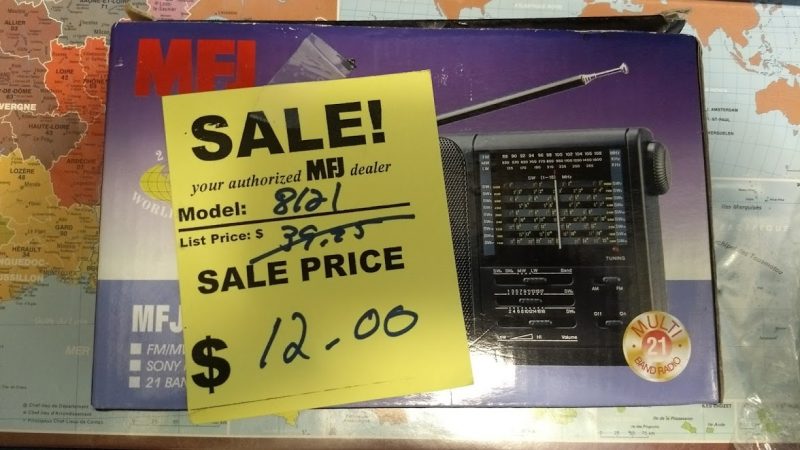
MFJ-8121 Analog Shortwave Portable

While browsing the inside exhibits late afternoon on Saturday, I spotted this analog portable from MFJ Enterprises.

In truth, I didn’t realize MFJ even had a shortwave portable in their product line.

This particular unit was on the clearance table and was labeled as a “factory second.” The sales person told me it was likely due to the damaged box (the unit inside had no visible blemishes).

At $12, I decided to purchase it.

You see, I get a lot of requests from readers asking for recommendations of simple analog portables. I thought I might eventually review this MFJ unit.

Last night, I popped some AA batteries in the radio and, sadly, it produced no audio. The tuning indicator works, but the speaker doesn’t even produce a hiss. I suspect this is the real reason it was being sold on the clearance table.

I might contact MFJ and let them know about this, or I might simply pop the radio open and see if it’s a broken connection.

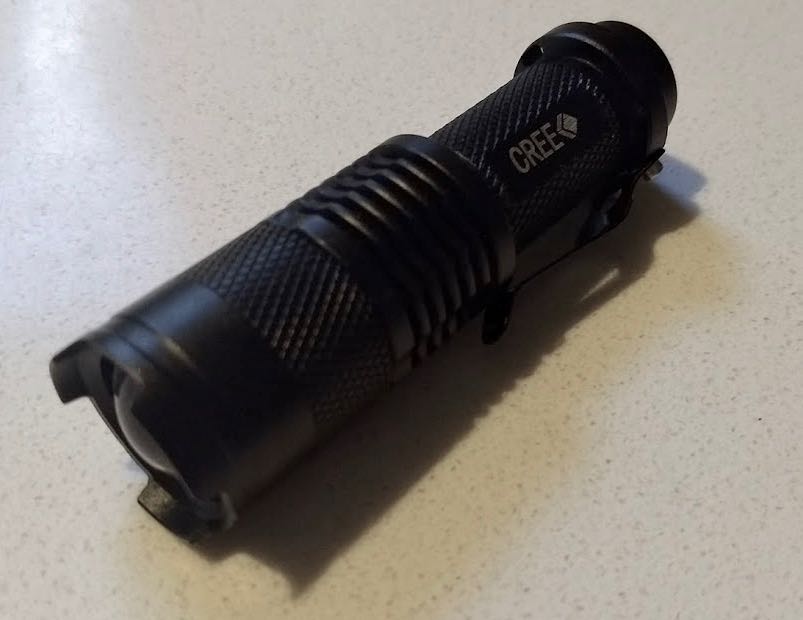
HamSource flashlight

And finally–while not a terribly exciting purchase–I did also pick up this CREE LED flashlight at the Ham Source booth. It’s small, bright and runs on one AA battery. It has three settings: high, low and flashing. It appears to be very durable and the beam can be focused. For eight bucks, it’s the perfect flashlight to live in my new Tom Bihn Synapse 25 backpack.

That’s all, folks!

Looking back, I’m quite impressed with my self-control. I really didn’t want to return home with any new finds. If anything, I’m trying to downsize right now.

But a Panasonic RF-2200?  I always have room for another FR-2200!

Post readers: Have you acquired any flea market finds recently?  Please comment!