Shortwave listening and everything radio including reviews, broadcasting, ham radio, field operation, DXing, maker kits, travel, emergency gear, events, and more
In a video he posted on YouTube, Fenu demonstrates reception, speaker quality (including a small issue with button vibration at high volume), and how you can connect IQ out to an SDR application like SDR#:
Many thanks to SWLing Post contributor, Dan Robinson, who shares the following guest post:
Tecsun PL-330: The Powerful Mini With One Serious Design Issue
by Dan Robinson
As SWLing Post readers know, I have a huge radio collection – including premium receivers and portables, now nearly 100 in all.
So, these days I am hesitant to add too many, but I continue to take interest in what companies such as Tecsun and Sangean are doing in the way of stuffing the latest chip technology and capabilities into portables radios.
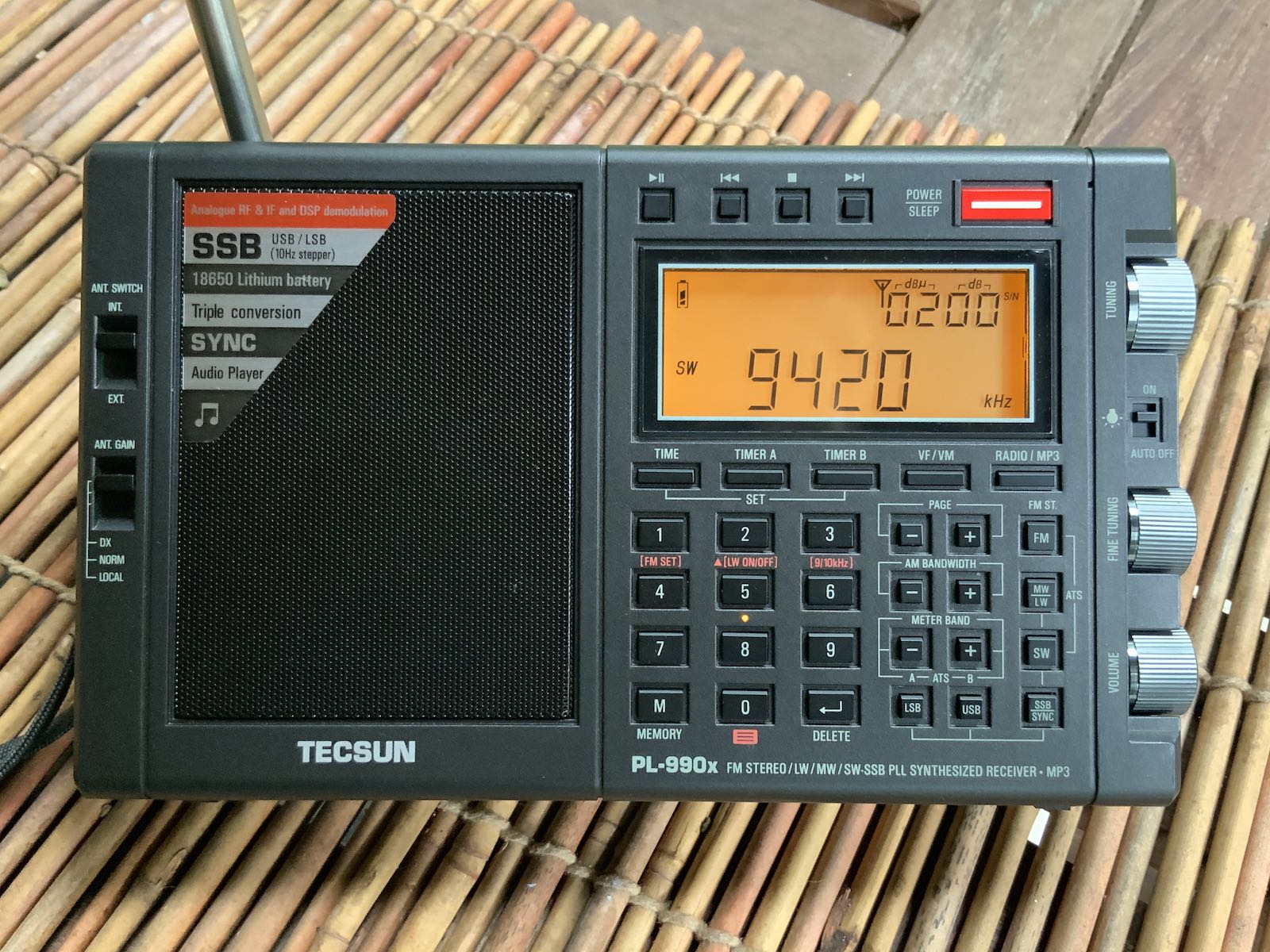
The last receivers I reviewed included the Tecsun PL-990x, which has developed quite an enthusiastic following since its consumer version was released in 2020, and the Tecsun S-8800.
Out for some time now is the Tecsun PL-330. By now there are many reviews of it on You Tube and elsewhere.
It’s become a familiar observation for many of us – if this were still the 1960’s and 1970’s – even into the 1980’s, which could be considered the golden days of shortwave and we had receiver technology like this, well what a joy that would have been.
When I traveled around the world both before and after college, and professionally for Voice of America in the 1980s and 1990s, wow what a good time I could have had with today’s portables!
Some world band portables radios back then were superb performers. The Grundig Satellit series 500/700/600/650 come to mind – but these were not exactly what I would call small portables.
Paging through Passport to Worldband Radio from 1990 (wow, that’s 30 years ago!) you see others such as the SONY SW-1, Panasonic RF-B65, and of course, the SONY ICF-2001D/2010 which introduced killer synchronous tuning technology in the 1980s and remains popular today decades after it first appeared.
Also available were the SONY ICF-SW55 and later in competition with the 2010, the SONY ICF-SW77. Today, I have four SW-55s and two SW-77s and still use them regularly.
Tabletop receivers back in the good ol’ days offered multiple selectivity positions. One of those was the Lowe HF-225 (and later Europa version) along with the HF-250, Kenwood R-5000 and R-2000, ICOM IC-R71A, and Yaesu FRG-8800 among many others.
But as far as smaller portables go, features such as synchronous detection and multiple selectivity were still pretty limited, and a number of receivers didn’t offer selectable synchronous as was eventually offered on the Drake R8B and later production of the SW-8.
The RF-B65 by Panasonic – which today remains sought after for its amazing sensitivity – was hobbled by having a single selectivity position. Same with SONY’s SW-1 and SW-100, and 7600GR, though SONY’s PRO-80 had two bandwidths.
Indeed, it wasn’t until Eton brought out the E-1, with its three bandwidths combined with Passband Tuning (though no notch filter) that a portable finally reflected capabilities of some of the better tabletop radios (though lacking a notch filter).
The Grundig Satellit 800 was close in competition with the E-1 (though the earlier Sat 600/650 series also had multiple bandwidths) but was bulky.
Fast forward to 2021 – credit due to Tecsun and more recently to Sangean with its 909X2, for some years now we have enjoyed Asia-originated portables with multiple selectivity and synchronous mode, though sync implementation on some has left much to be desired.
Which is where the PL-330 comes in. When I look at the 330, I am reminded of one of the now ancient SONY portables, the ICF-4920 which was a super small slide-rule receiver that nevertheless was quite sensitive.
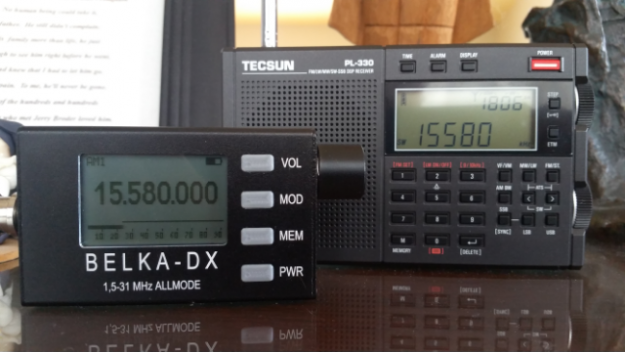
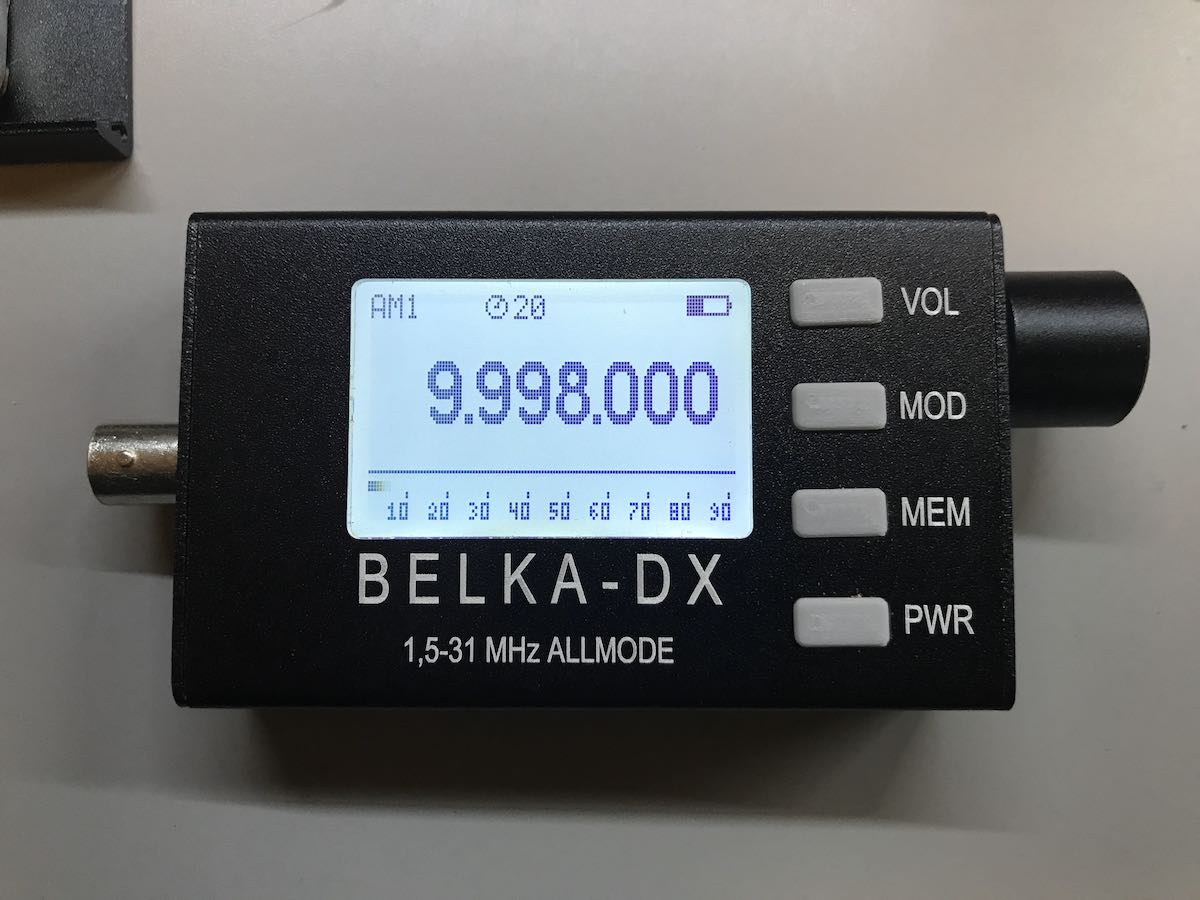
Like the 4920, which you could easily slip in a pocket, the PL-330 is a perfect travel portable. Only the Belka-DX SDR and still wonderful SONY SW-100 compete in terms of performance and size.
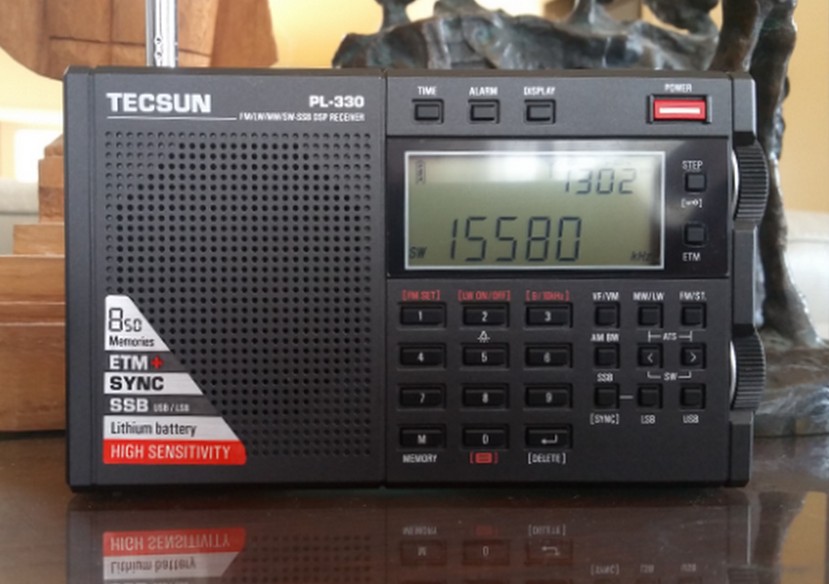
The 330 is basically a PL-990x in miniature: smaller speaker obviously, shorter antenna, no bluetooth capability or card slot. But as many people who frequent the Facebook groups have observed, pretty much anything the 990x can do, so can the 330.
This radio has ETM/ATS tuning, synchronous detection, multiple bandwidths in AM, SSB and MW, FM mono-stereo speaker control, alarm/timer functions, external antenna jack, display light, and other features.
Tecsun decided to go with a BL-5C battery here – the same with the new PL-368. I think this is unfortunate, since it requires one to obtain a number of those flat batteries if you want to travel and not have to re-charge. On the other hand, this is not a crippling design decision.
What is an unfortunate design problem, in my view, involves the simple question of tuning the receiver.
The main and fine tuning knobs on the right side of the PL-330 are embedded into the cabinet just far enough as to make easy rapid finger tuning of the radio nearly impossible.
In fact, in my testing it’s impossible to thumb tune the radio more than 10 kHz at a time. The same applies to using the lower knob which controls volume. When in FM mode, this issue make tuning just as frustrating almost forcing one to use rapid scan mode.
Another puzzler: Tecsun limited bandwidths in AM SW to three, while in SSB you have 5 bandwidth options. In AM mode, you have a 9 kHz bandwidth, another puzzling choice. Longwave too is limited to 3 bandwidths.
But overall, none of these problems really knock the PL-330 down very far. This is one mini powerhouse of a radio, one that makes you think “wow, if I had just had this back in 1967 or 1973 or 1982.
Some additional thoughts. My particular PL-330 was supplied by Anon-co but is a pre-production version and so does not have the latest firmware. Thankfully, I have not experienced the issue of SSB tuning running in reverse as others have.
NOTE: As most users know by now, but some newer users may not, you cannot charge one of these radios – whether Tecsun or Sangean – using the mini-USB port and use them at the same time. . . there is just too much noise introduced from the charging process.
This little mentioned feature: just as the Tecsun 990x has a re-calibration function, so does the PL-330. Tecsun itself initially declined to acknowledge this, but finally confirmed through Anon-co.
The procedure: Switch to LSB/USB. If the station is not zero beat, hit STEP button once and then quickly again to move the flashing display down arrow so it’s above the far right digit. Then fine tune the station for zero beat. Hold LSB or USB in for a couple of seconds. The LCD blinks. You then have zero beat – but be sure to repeat the process for LSB and USB.
I should mention that just like on the 990x, the re-calibration process doesn’t mean the receiver is then zeroed up and down the shortwave bands. You will likely have to repeat the process from, say 25 meters, to 19 meters, to 49 meters, etc.
I have come to enjoy using the PL-330 here in my house, though like other portables in my collection I need to position it in one particular corner of my home away from incoming cable TV lines.
The PL-330 and the Belka DX are currently king of the pile when it comes to my smaller travel portables.
I fully expect there will be no further receiver development by Tecsun after the PL-330/990x/H-510 radios – but that company will certainly have left us with some great receivers as the days of shortwave approach an end.
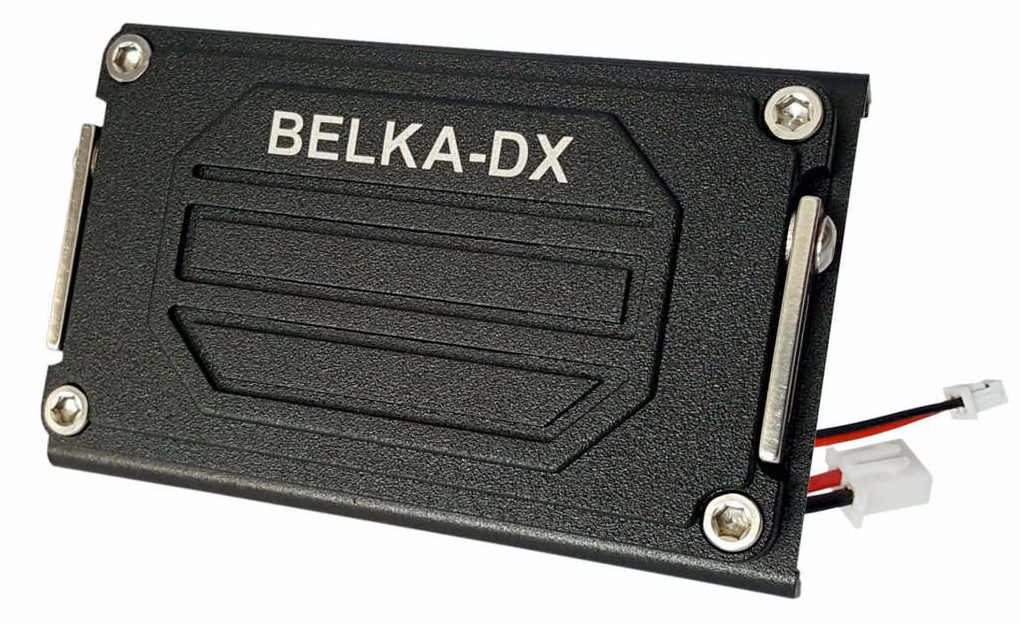
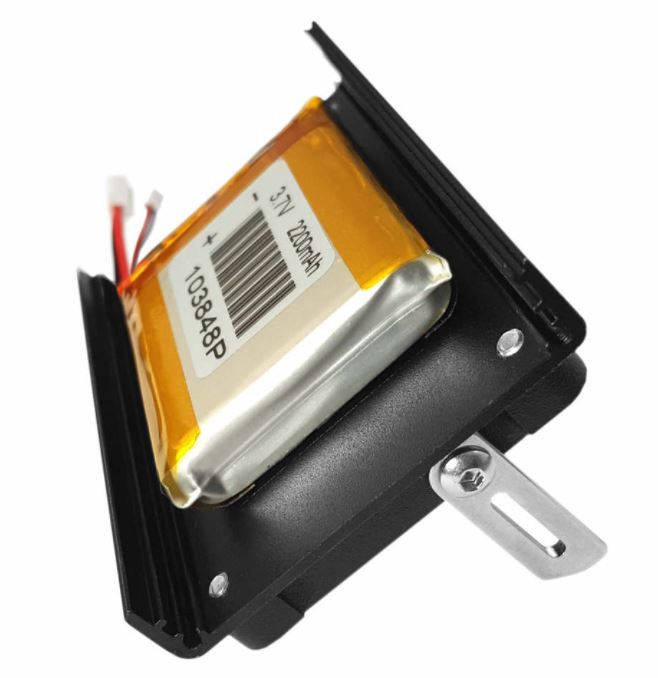
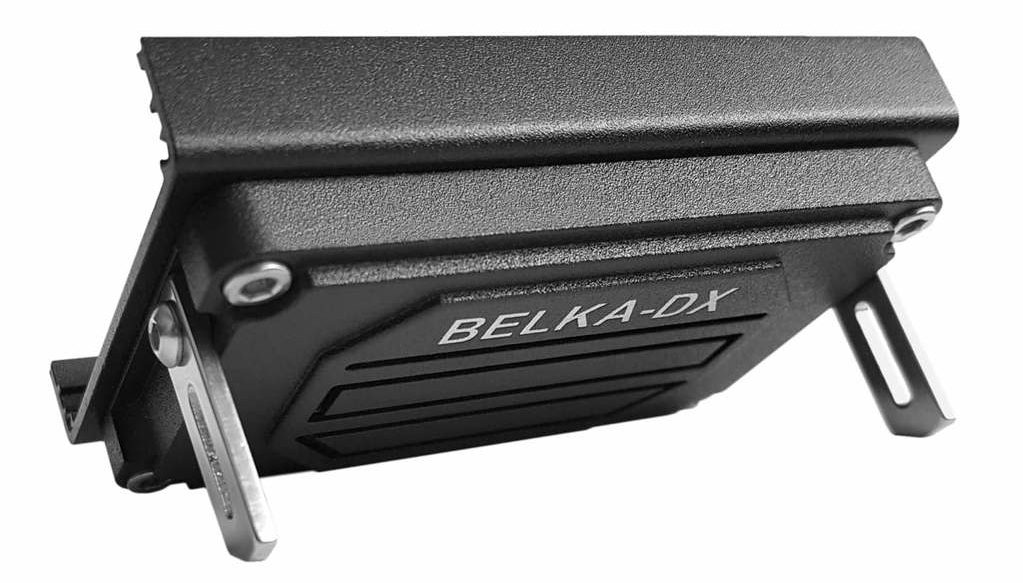
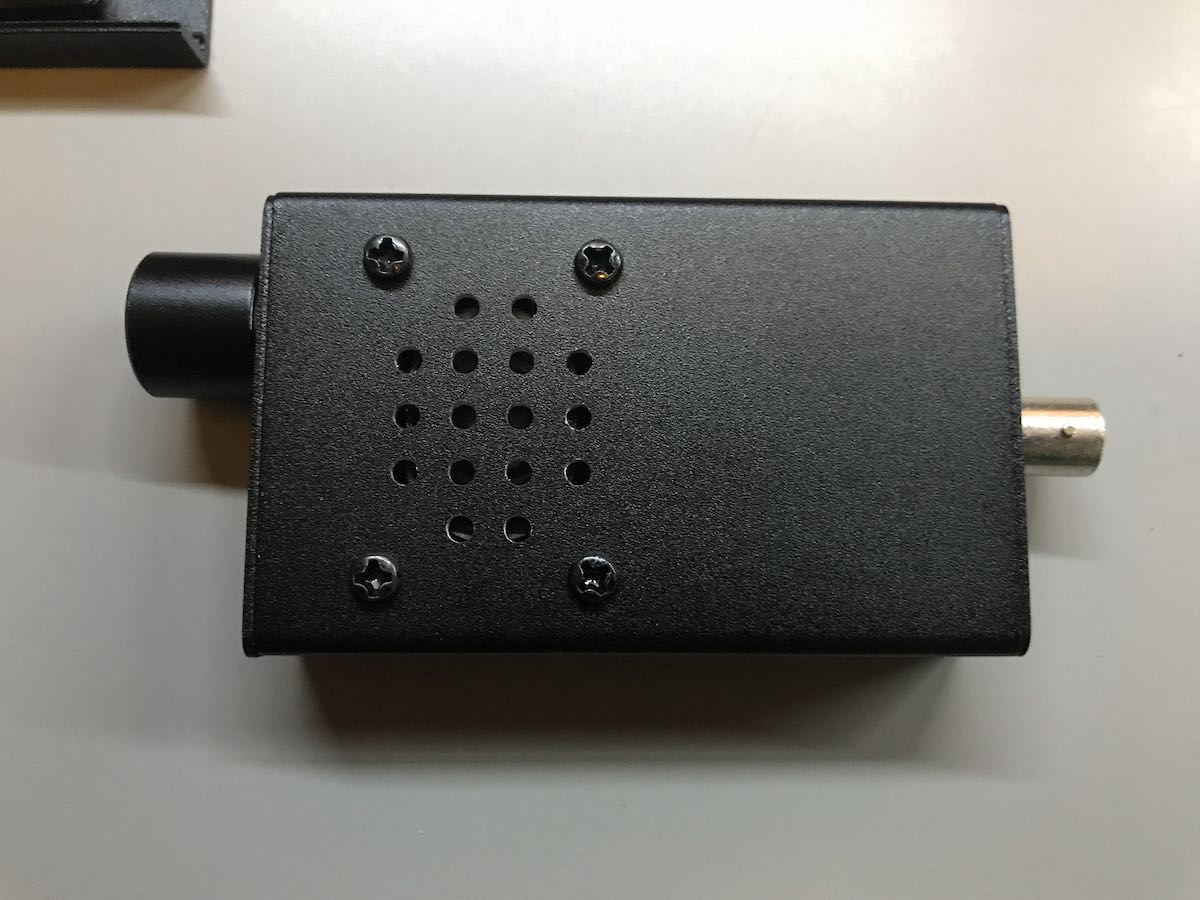
This speaker option is similar to the one we featured a few months ago, but keeps the larger 2200 mAh battery pack and has fold-out legs. The compromise is the case will be a bit thicker/deeper than the speaker option without the larger battery and fold-out feet.
We’re talking about a pretty small radio, though, so I think this will be another great option for the excellent little Belka-DX.
I will plan to check out one of these in the near future.
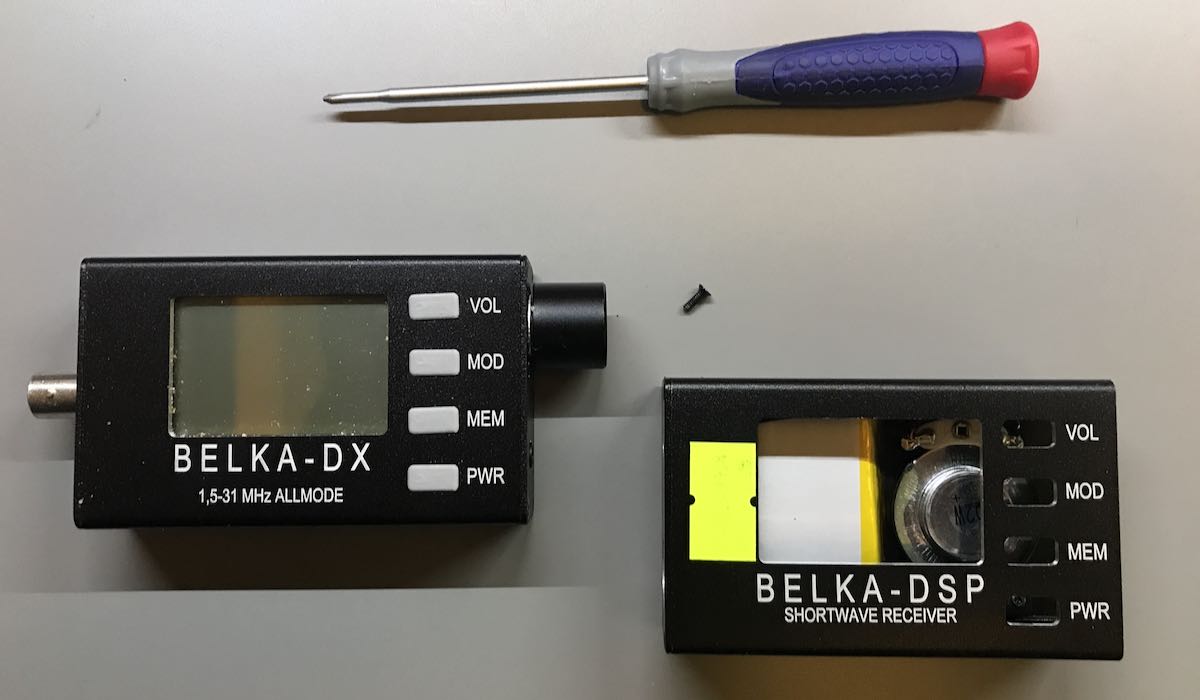
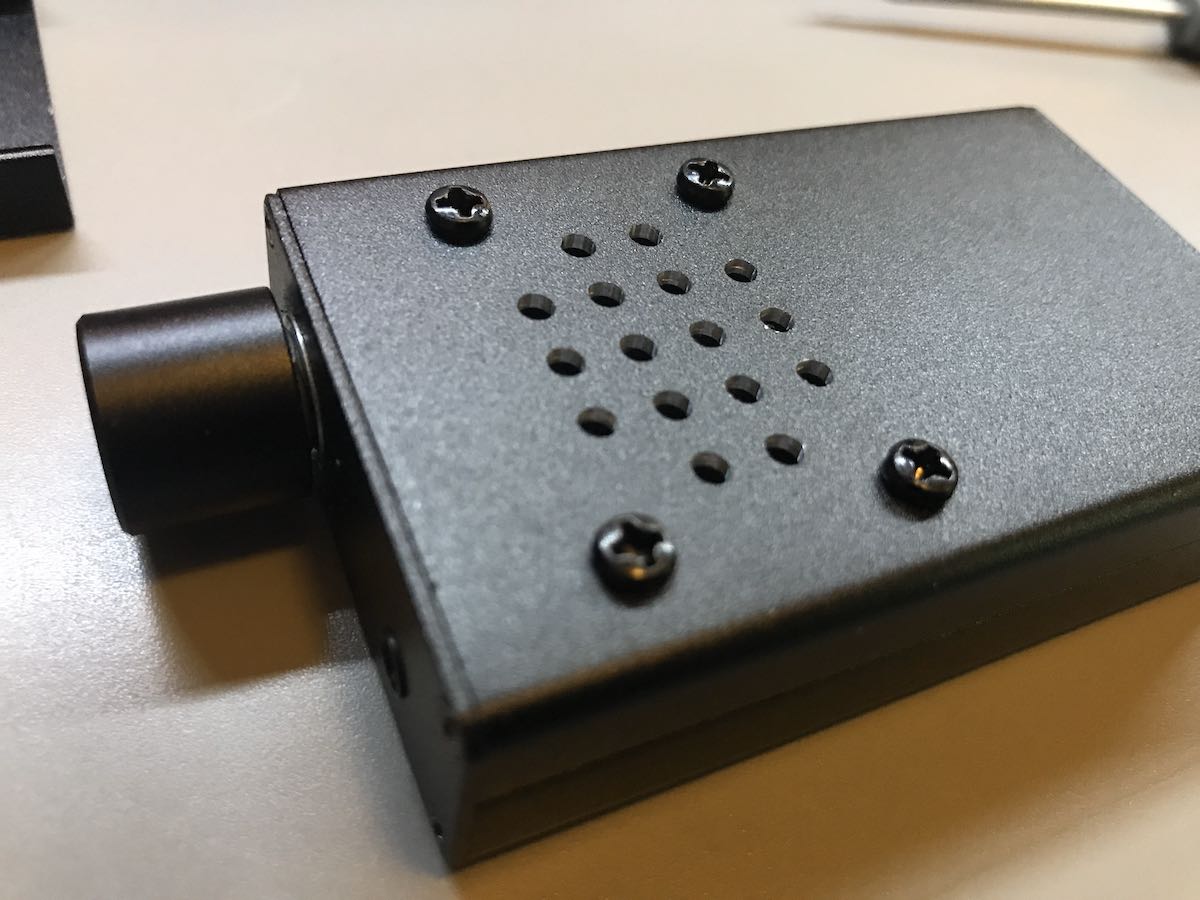
This month, I received my Belka DX speaker option in the post and recently did this very simple install. All it really requires is a small Phillips-Head screwdriver and maybe 10 minutes of time.
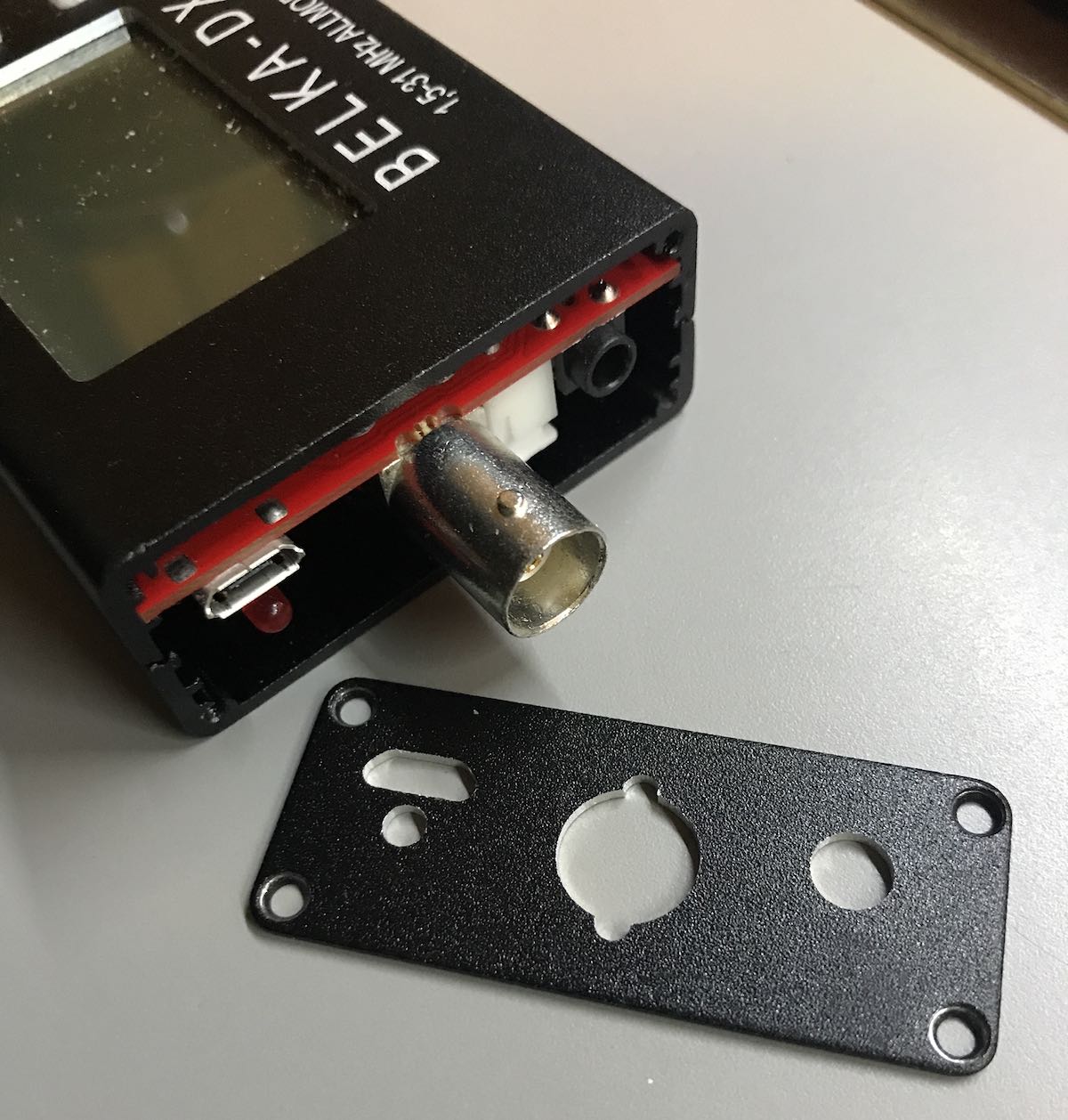
You start by removing the four screws holding on the left side panel. The side panel easily slides off over the BNC connector.
You then remove the bottom two screws of the right side panel. There’s no need to remove the top two screws as you will not remove this panel or the encoder knob. After removing the bottom two screws, carefully pull the bottom panel off.
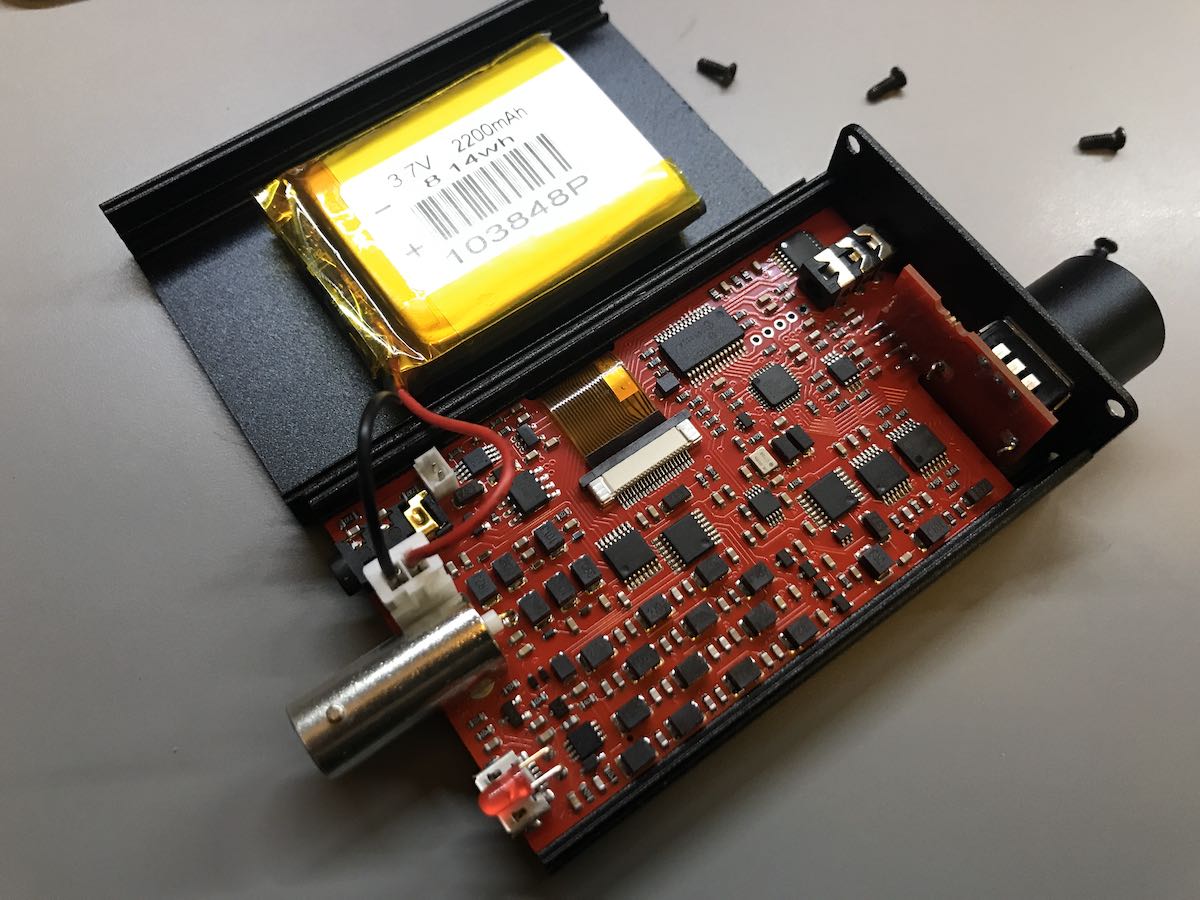
The battery is connected to the Belka-DX DSP board with an end that’s easy to unplug.
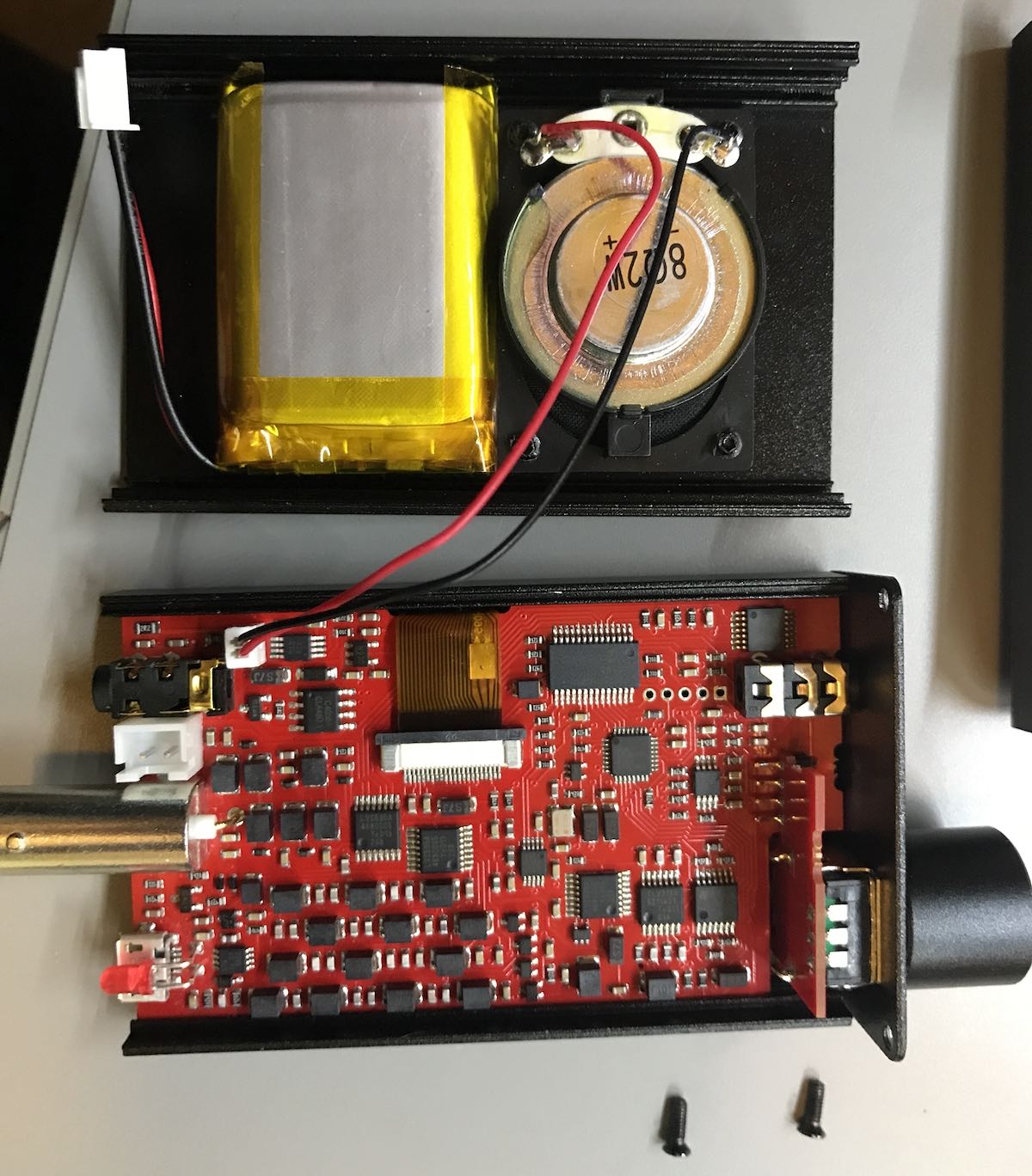
Simply unplug the battery, and plug in the new (smaller) battery of the speaker panel in the same position.
The speaker on the new panel needs to be connected, of course. In the photo above, you can see where it attaches to the Belka DX board (next to the headphone port).
Once you’ve plugged in the new battery and speaker, attach the new bottom panel to the radio, making sure the speaker and battery wires fold in properly. After you’ve put the two right panel screws in, reattached the left panel with four screws and the installation is complete!
The speaker is quite small, of course, but very functional. I love the fact that I no longer need a set of earphones or external amplified speaker to listen to the Belka DX.
I was concerned that the speaker would be too small to be functional and that the smaller battery in combination would dramatically decrease listening time per charge.
Not the case.
Although I haven’t done a continuos battery longevity test with the volume at a constant moderate level, it will power the radio for extended listening sessions. Of course this teeny internal speaker isn’t going to deliver room-filling audio, but has exceeded my expectations and certainly does the trick!
If you own a Belka-DX DSP receiver, this is a worthy, affordable upgrade. The great thing is, you can always swap out the covers easily if you need the larger battery capacity during travels or DXpeditions.
This morning, I’m looking at the calendar and I see and end in sight for 2020. I think most of us can agree that 2020 will be one for the history books, in large part due to the Covid-19 global pandemic which has had a pretty dramatic affect on many of our lives. It certainly brough my planned travels to a halt. I think many of us are quite happy to show 2020 the door!
As each year comes to a conclusion, I often look back at my radio activities during that year and see how it played out. I especially note the radios I used most heavily throughout the year.
Since I evaluate and test radios, models that are new to the market obviously get a lot of air time. Still, I’m also known to pull radios from the closet and give them some serous air time.
I’m very curious what radios you gave the most air time in 2020?
Here’s my list based on type/application:
Portable shortwave receivers
Since they’re new to the market, both the Tecsun PL-990 (above) and Belka DX (below) got a lot of air time.
I do like both radios and even took the pair on vacation recently even though packing space was very limited. I see the Belka DX getting much more air time in the future because 1.) it’s a performer (golly–just check out 13dka’s review of the Belka DSP) and 2.) it’s incredibly compact. The Belka now lives in my EDC bag, so is with me for impromptu listening and DXing sessions.
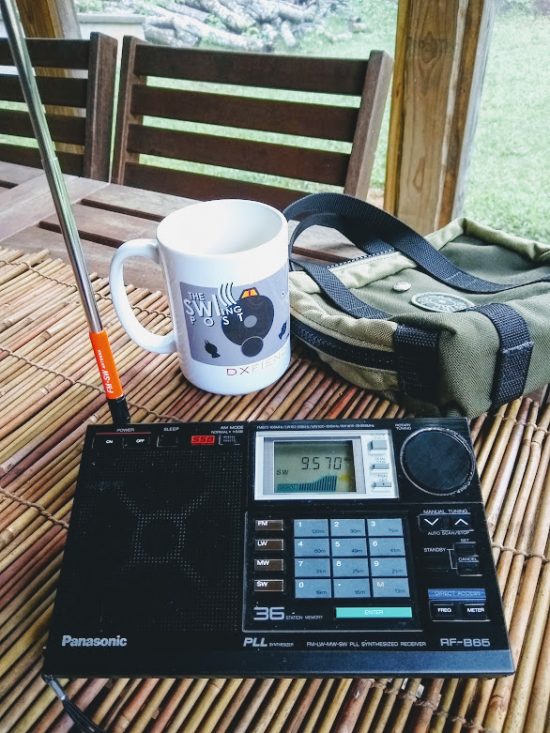
A classic solid-state portable that also got a lot of air time this year was the Panasonic RF-B65. Not only is it a performer, but it has a “cool” factor that’s hard to describe. I love it.
Tabletop portables
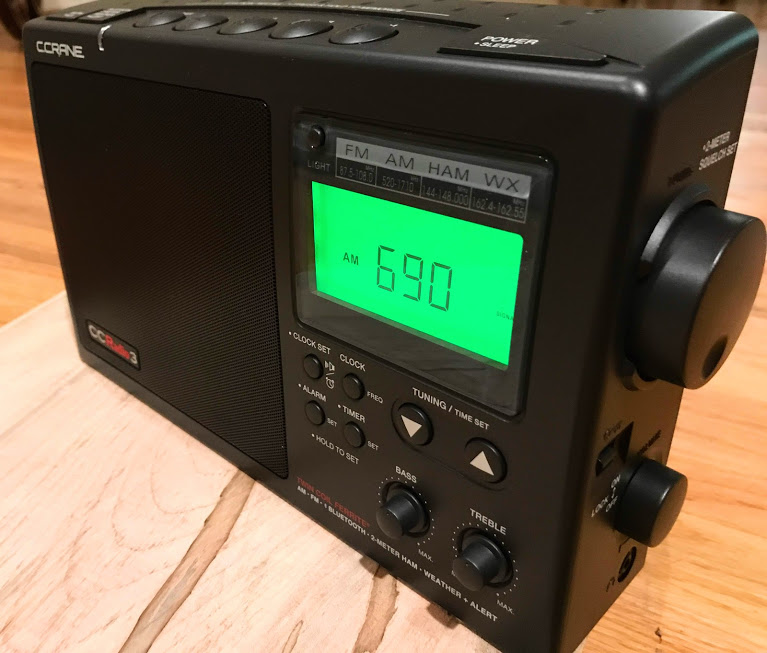
In a sense, the C.Crane CCradio3 got more play time than any of my radios. It sits in a corner of our living area where we tune to FM, AM and weather radio–90% of the time, though, it’s either in AUX mode playing audio piped from my SiriusXM receiver, or in Bluetooth mode playing from one of our phones, tables, or computers. In October, the prototype CCRadio Solar took over SiriusXM duty brilliantly. I’m guessing the CCRadio3 has easily logged 1,600 hours of play time this year.
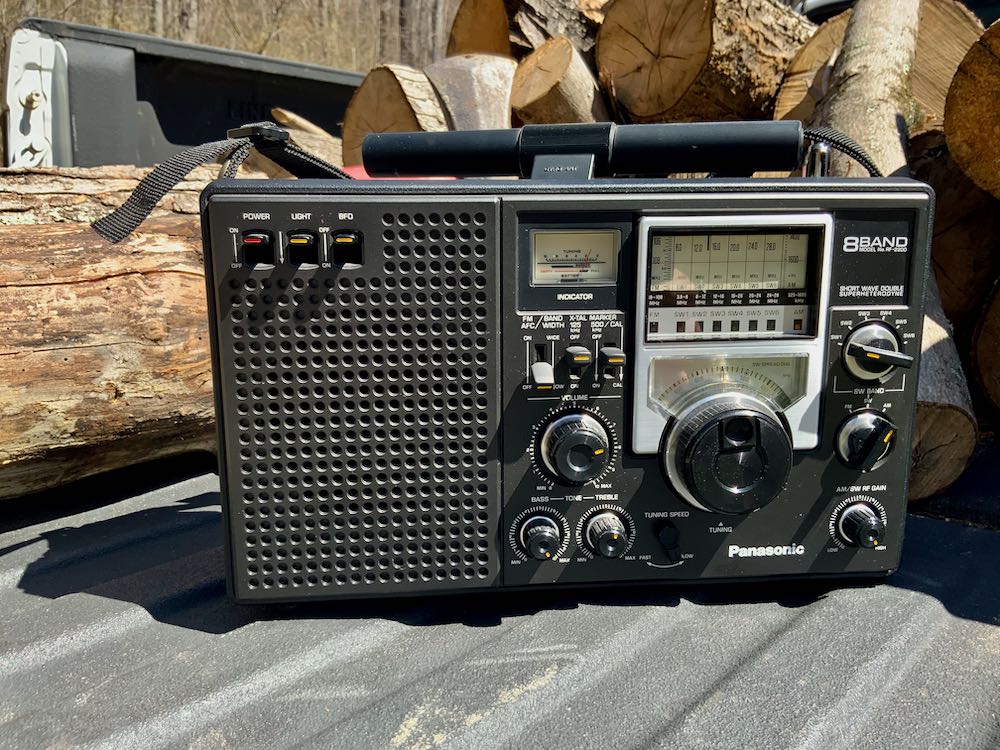
Of course, the Panasonic RF-2200 is one of my all-time favorite vintage solid-state portables, so it got a significant amount of field time.
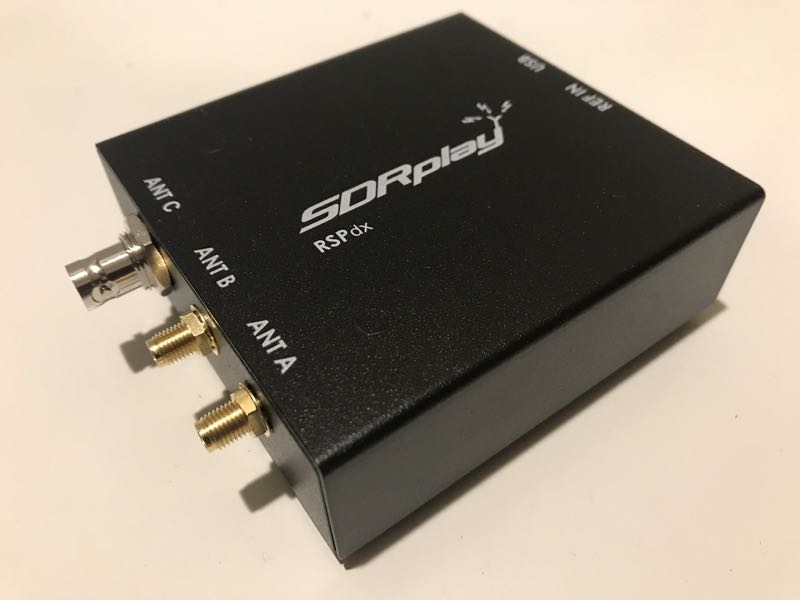
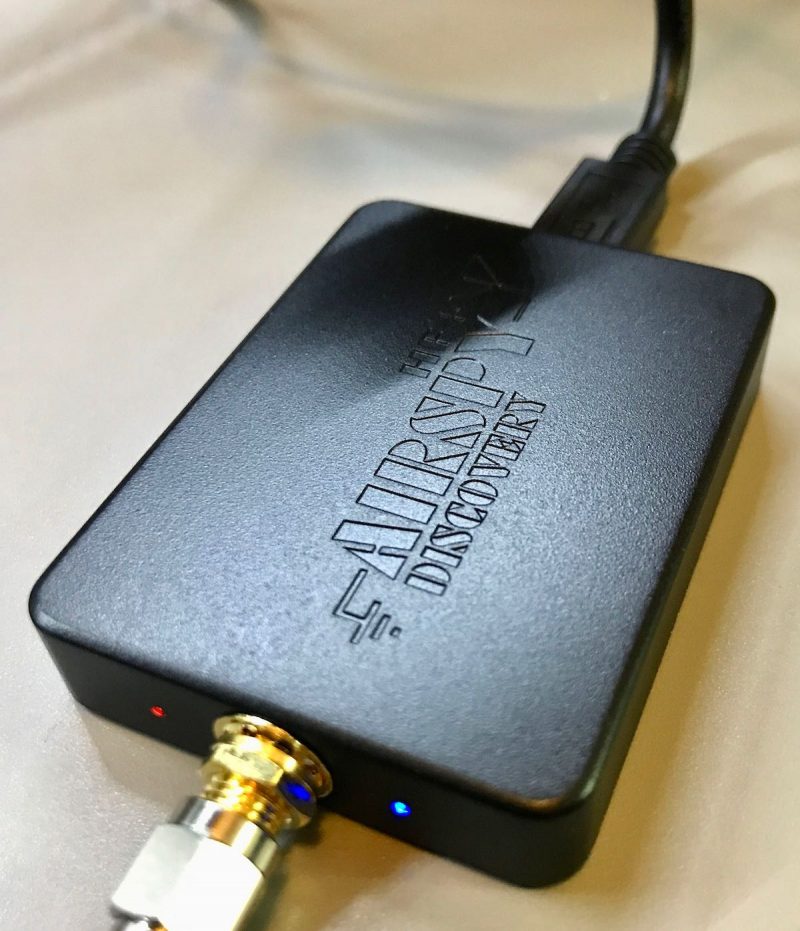
The HF+ Discovery was my choice receiver for portable SDR DXing and the RSPdx when I wanted make wide bandwidth recordings and venture above VHF frequencies.
Home transceivers
Without a doubt the new Mission RGO One 50 watt HF transceiver got the most air time at home and a great deal of field time as well. It’s such a pleasure to use and is a proper performer to boot!
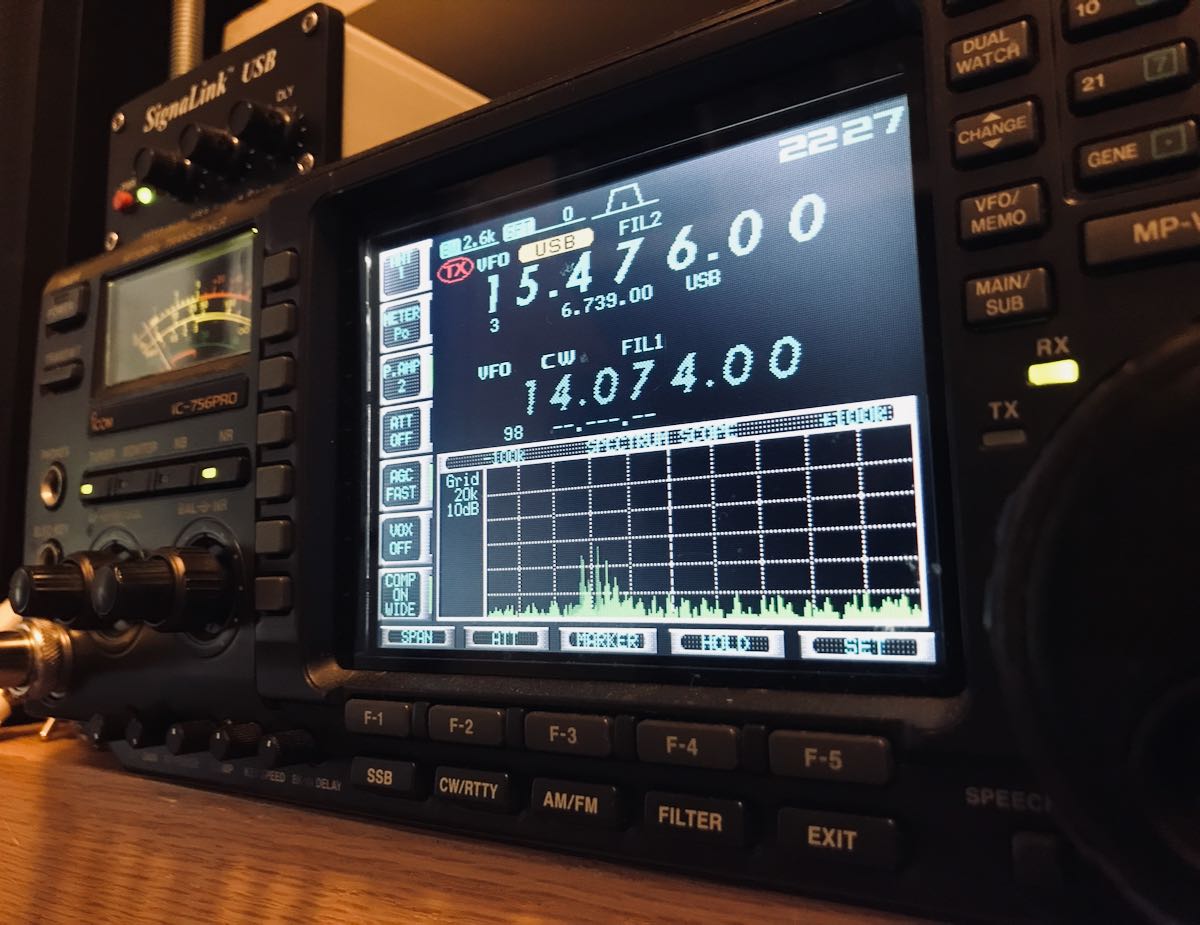
My new-to-me Icom IC-756 Pro, however, has become my always-connected, always-ready-to-pounce home 100W HF transceiver. It now lives above my computer monitor, so within easy reach. Although it’s capable of 100+ watts out, I rarely take it above 10 watts. The 756 Pro has helped me log hundreds of POTA parks and with it, I snagged a “Clean Sweep” and both bonus stations during the annual 13 Colonies event.
Field transceivers
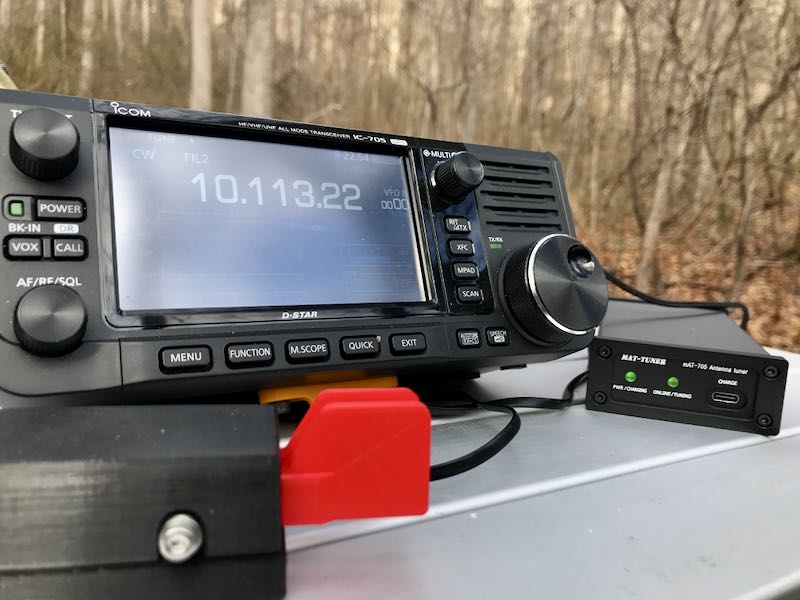
The new Icom IC-705 has become one of my favorite portable transceivers. Not only is it the most full-featured transceiver I’ve ever owned, but it’s also a brillant SWLing broadcast receiver. With built-in audio recording, it’s a fabulous field radio.
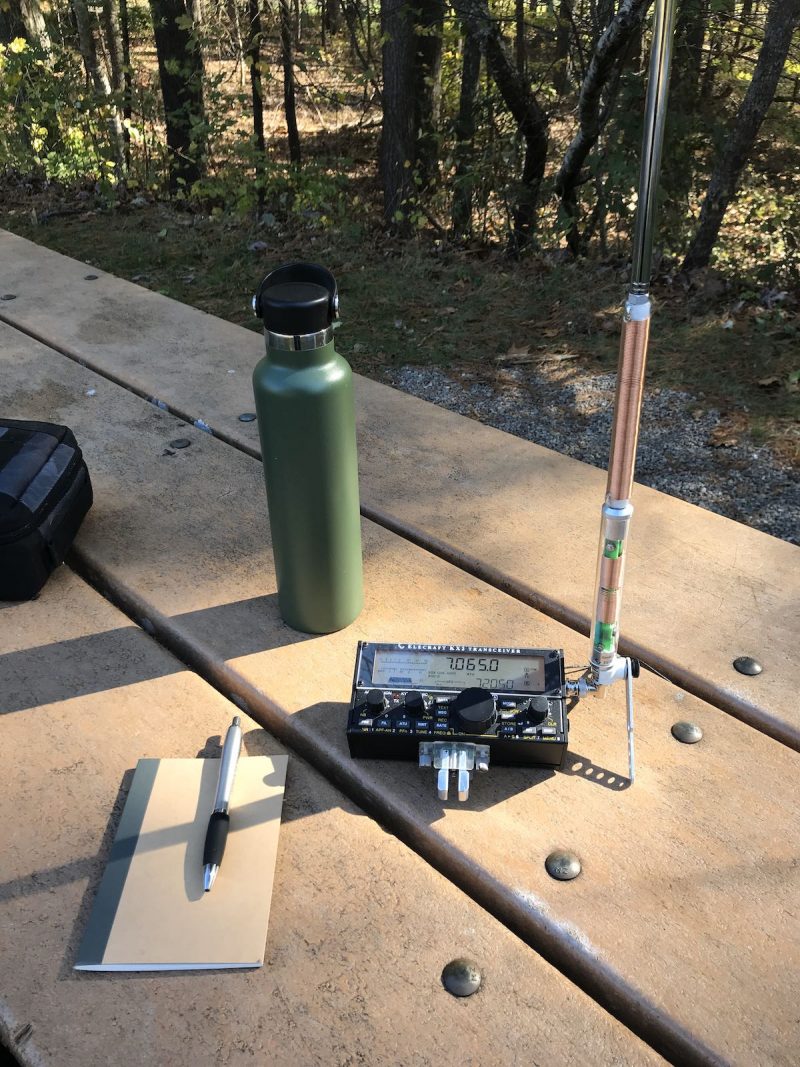
Still, the Elecraft KX2 remains my choice field radio for its portability, versatility and incredibly compact size. This year, in particular, I’ve had a blast pairing the KX2 with the super-portable Elecraft AX1 antenna for quick field activations. I’ve posted a few field reports on QRPer.com and also a real-time video of an impromptu POTA activation with this combo:
How about you?
What radios did use use the most this year and why? Did you purchase a new radio this year? Have you ventured into the closet, dusted off a vintage radio and put it on the air?
Many thanks to SWLing Post contributor, Joe Patti (KD2QBK), who writes:
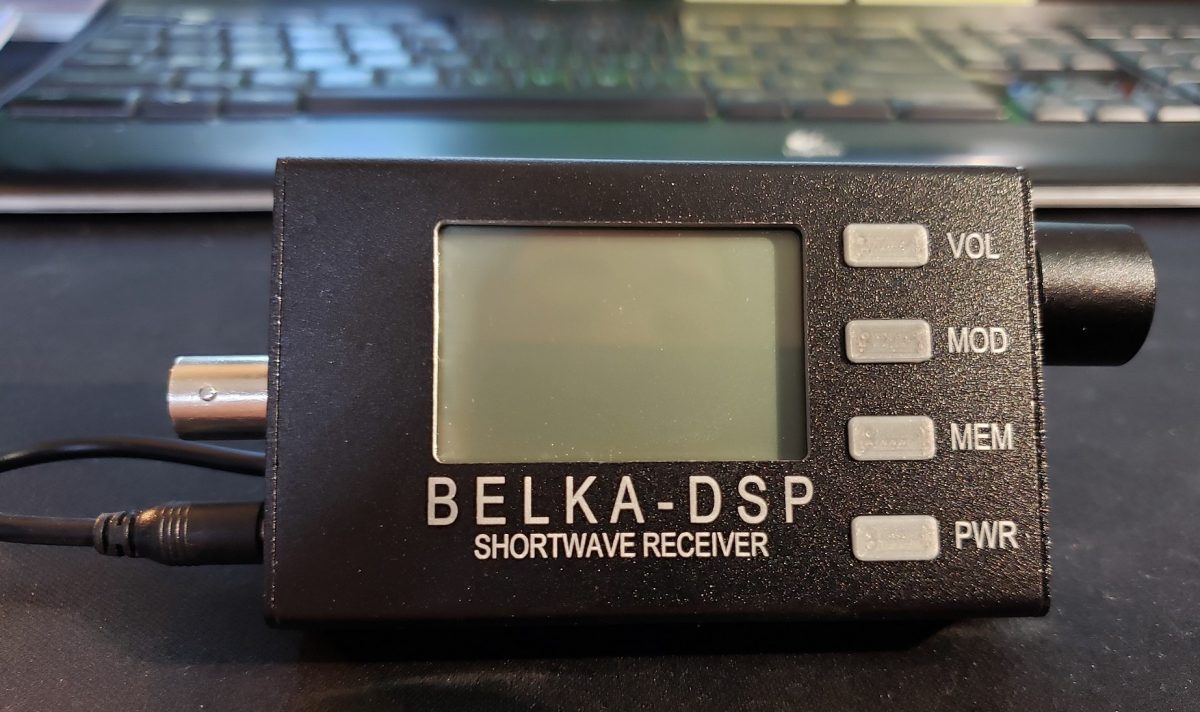
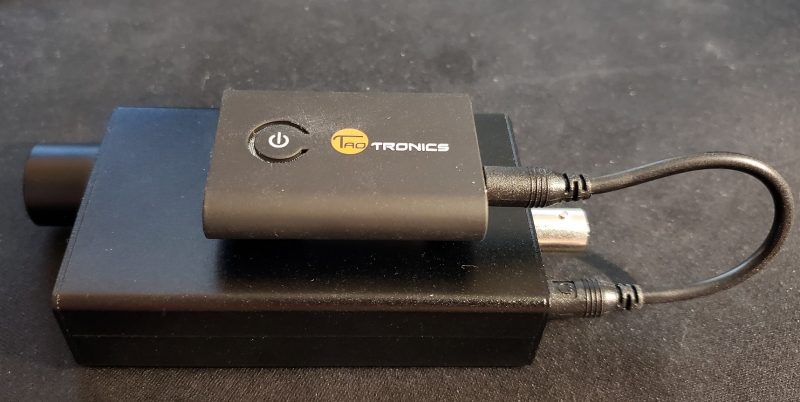
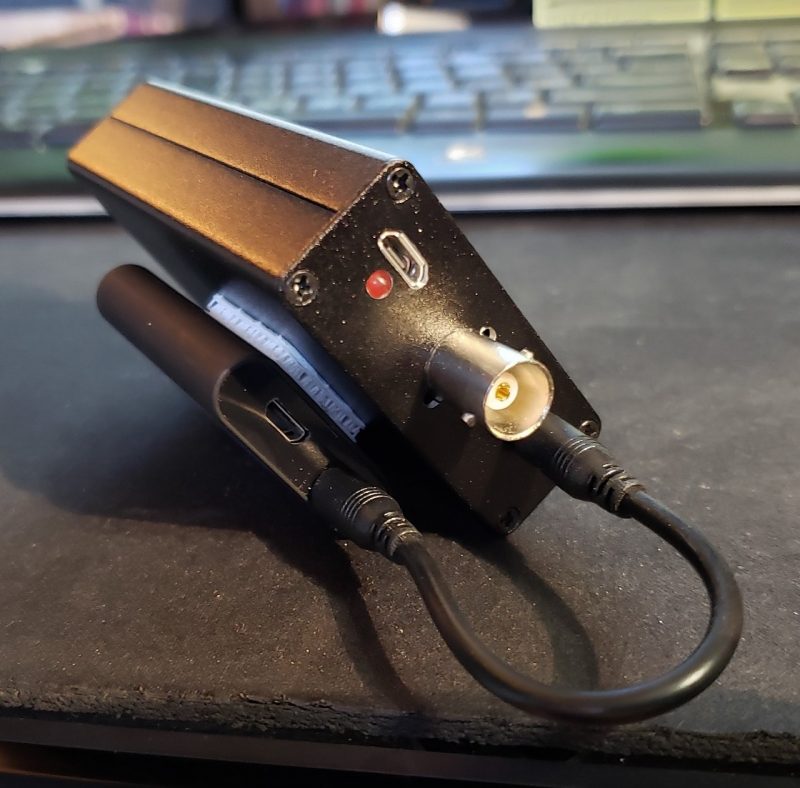
Not sure anyone would be interested, but in using a Bluetooth adapter with my Belka I inadvertently came up with a little stand for it.
I attached the adapter to the back of the radio with a piece of plastic 3M Command picture hanger strip. It props up the little radio at exactly the right angle.
Love the blog!
Thank you, Joe! Looks like this is the Bluetooth adapter you’re using. What a clever way to have your Bluetooth adapter do double duty! Also, I’m so glad you enjoy the Post! Thanks for sharing your tip!
I’ve been on the coast of South Carolina enjoying a little R&R with my wonderful family.
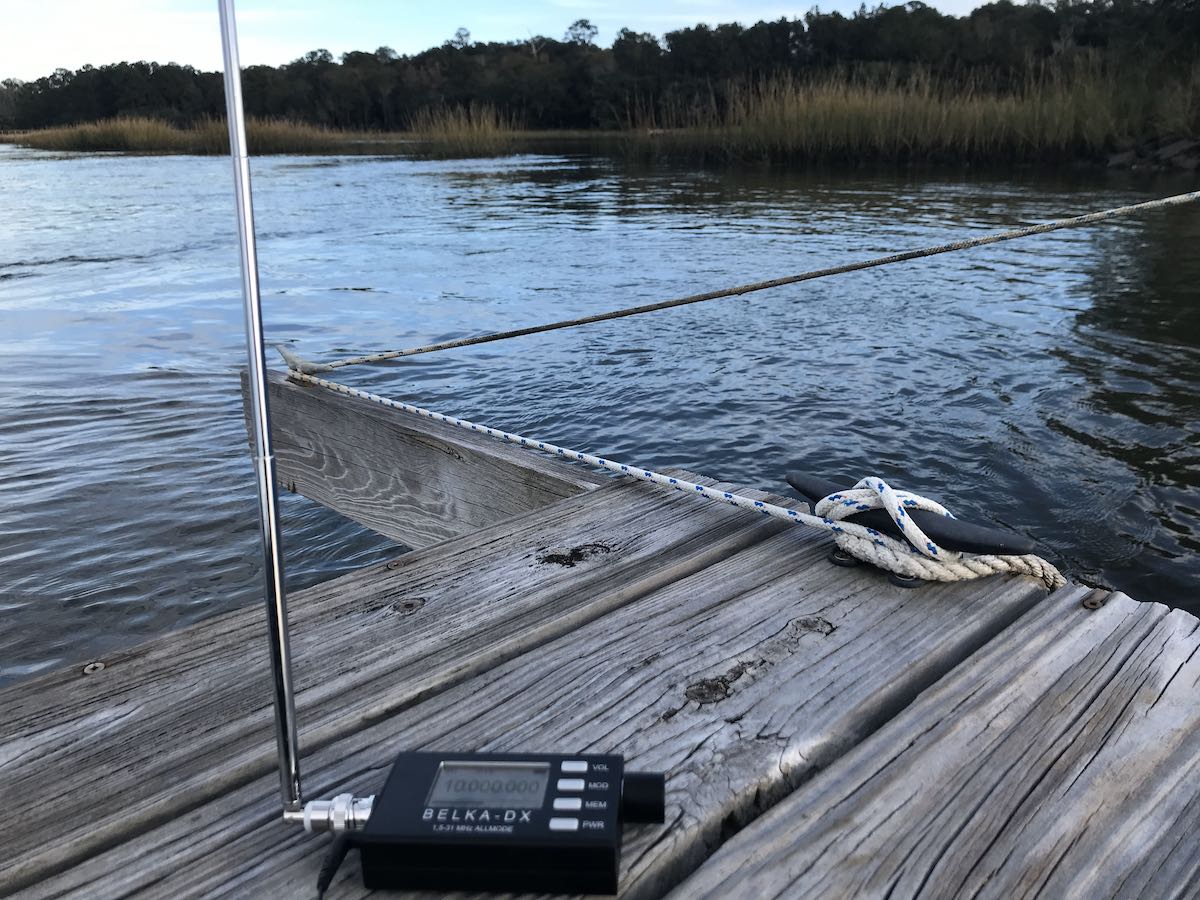
We rented a vacation home on a tidal river just south of Charleston, SC and it was just what the doctor ordered. The location was gorgeous, the weather was amazing, and there was very little RF interference outside our home.
The best part? We had full access to a private dock.
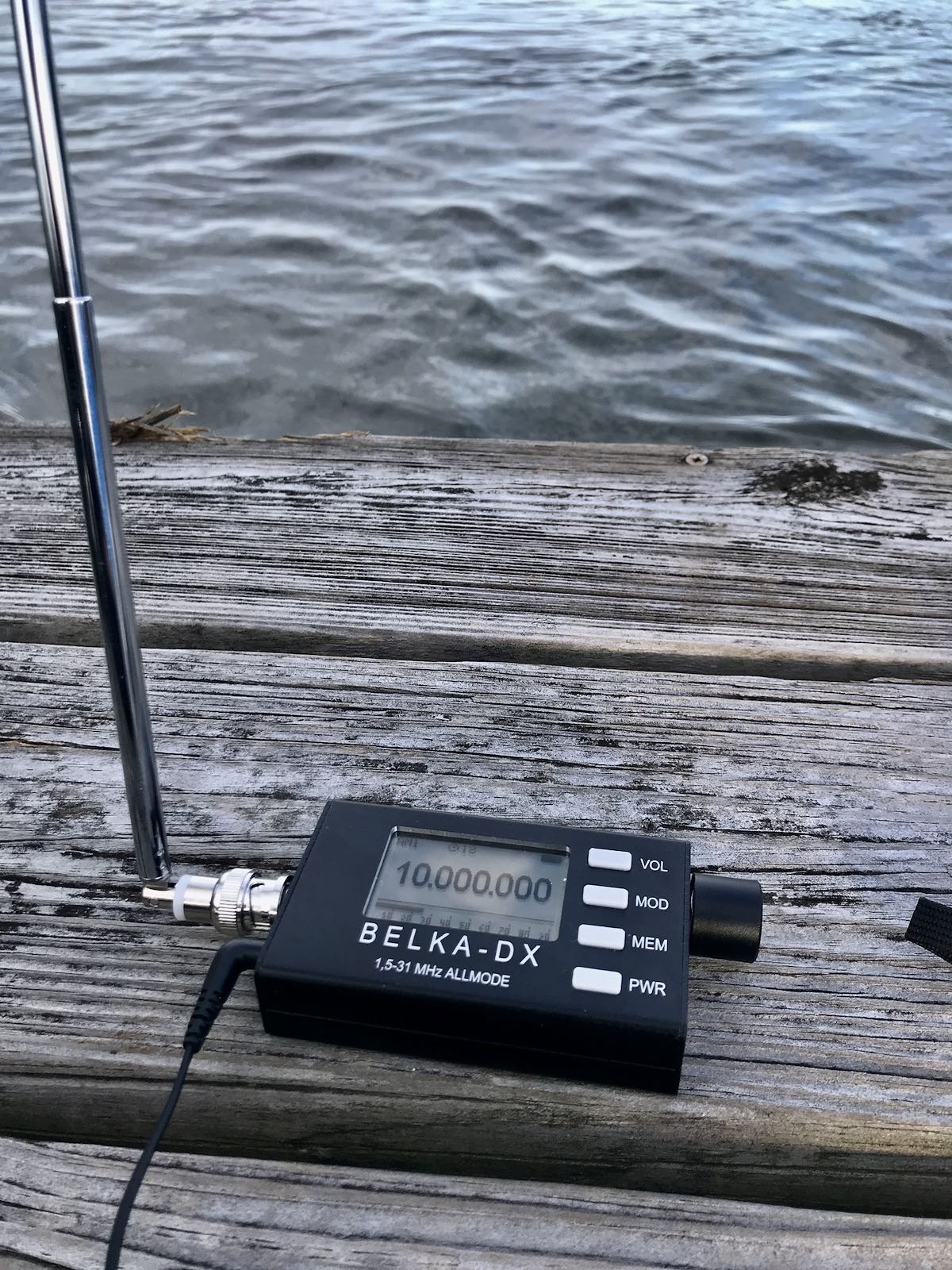
I took a few portable radios on vacation (ahem…obviously!) but I so thoroughly enjoyed my time with the Belka-DX.
If you haven’t gathered already, I really appreciate simple radios for field operation and it doesn’t get much more simple than the Belka-DX or Belka-DSP.
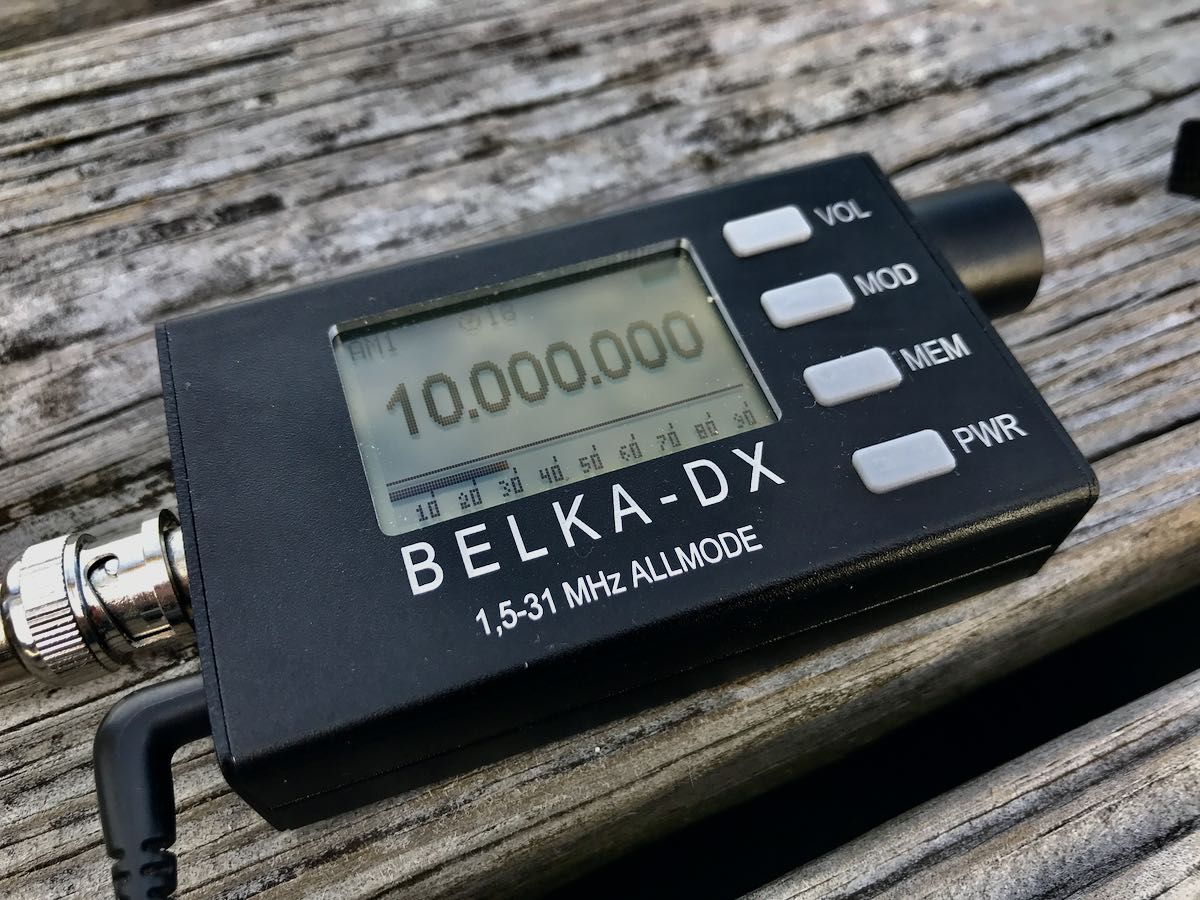
The radio is so incredibly compact, durable, and a pleasure to operate–especially if cruising the broadcast bands.
On the dock, I didn’t have a place to easily hang a wire antenna, so I used the supplied telescoping whip antenna. It served me well on a number of listening sessions.
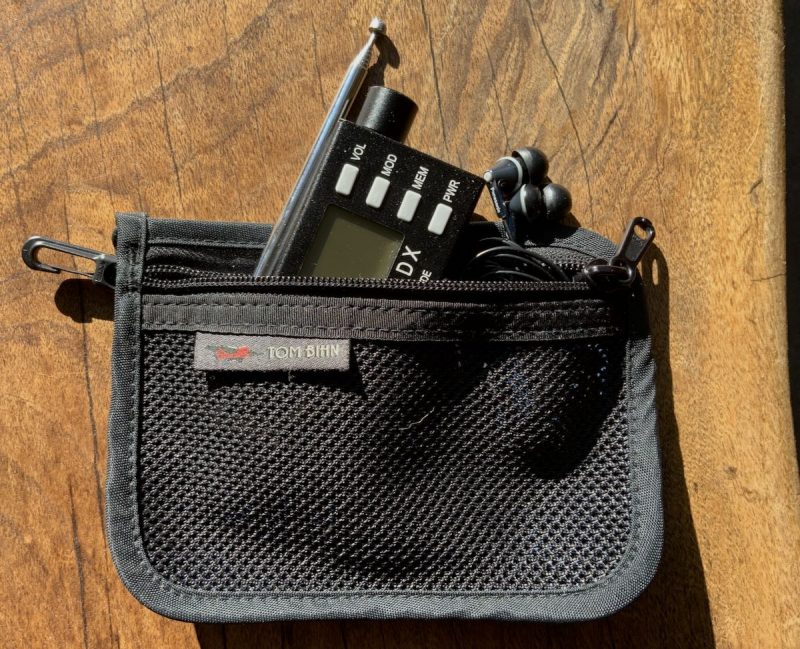
As 13dka pointed out in his brilliant review of the Belka-DSP, the Belka radios are so compact, yet pack so much performance, they smack of a little spy radio! On top of that, the chassis is incredibly durable. I can’t tell you how much I love this. My Belka receiver has been living in my EDC bag in a small zippered pouch.
I barely notice it in my bag–it take up almost no space and weighs so little–but in the back of my mind I know I have a portable DXing machine everywhere I go.
I have no fear of being damaged in my bag, either–the chassis protects it so well.
I didn’t have time to gather what I needed for making Belka-DX spectrum recordings on this trip, but you can be certain I will when I return!
I should add that one of the little joys about my dockside DXing spot this past week was watching dolphins swim by as I tuned to some of my favorite broadcasters. Bliss.
Post readers: Have you taken your radios on vacation recently? Please comment! Better yet, consider submitting a guest post with photos!