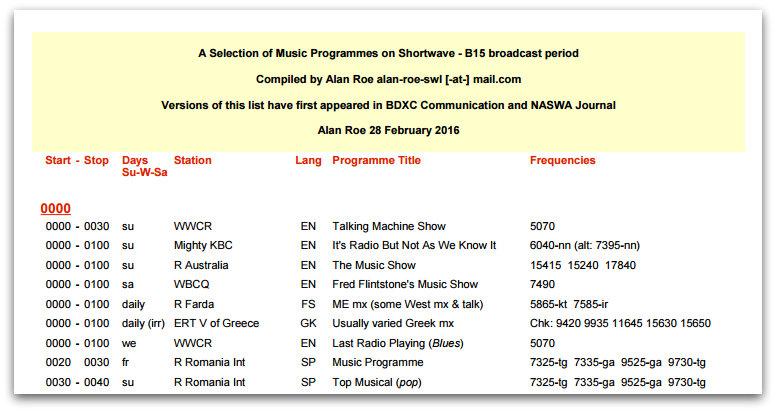
 Many thanks to SWLing Post contributor, Alan Roe, who shares his updated Music on Shortwave list for the B15 period.
If you love listening to music on the shortwaves, you’ll love Alan’s free guide.

Many thanks to SWLing Post contributor, Alan Roe, who shares his updated Music on Shortwave list for the B15 period.
If you love listening to music on the shortwaves, you’ll love Alan’s free guide.
 If you’re a subscriber to the Shortwave Radio Audio Archive, you’ve no doubt noted the excellent recordings submitted by Colin Newell (of DXer.ca) the past few weeks.
Colin has been digitizing loads of off-air recordings made in the 1970s and 1980s. His recordings include rare DX, Cold War broadcasters, west coast pirate radio stations, mediumwave DX, and much more.
I encourage you to click here to browse and listen to what Colin has uploaded so far.
Consider subscribing to the shortwave archive so you don’t miss new additions when they’re published!
 This once-a-year broadcast could be an interesting challenge for folks on Sunday:
Radio Öömrang will broadcast on Feb.21, 2016 from 1600 to 1700 UTC on 15215 kHz in German, English and Frisian.
*(Caroline Mesnier via EuroRadio)*
Radio Oomrang broadcasts once in a year on shortwave in lower German language via facilities of Media Broadcast in Germany. Radio Oomrang announces as “The Free Voice of Frisian People from Amrum island in Germany”.
Station ID is in english.
About Oomrang :
http://en.wikipedia.org/wiki/%C3%96%C3%B6mrang— Posted by Alokesh Gupta, New Delhi in the Cumbre DX Yahoo Group
While I have not heard them before, I will definitely be trying to catch the broadcast this weekend, and I will have my recording gear ready! Let us know if you have a successful reception report to share!
Edit: I mistakenly listed Saturday at the top but the correct date is the one in the post, Sunday. Sorry!!
For verification card, contact [email protected]
Robert Gulley, AK3Q, is the author of this post and a regular contributor to the SWLing Post. Robert also blogs at All Things Radio.
Many thanks to SWLing Post reader, Paul Walker, who writes:
I will be doing another broadcast on Shortwave and it’s going to be even bigger and better right now.
Tentatively, this is how the broadcast schedule times/frequencies work out to be:
I am in the process of booking all this time, so something could change in terms of times/dates between now and the broadcast dates.
I’ll be doing 2 hours of rock n roll and country music .. no commercials, no pleading for money, no asking for donations.. just me, playing the music I like.. because. well I want to and I can.
I’m paying for time on all 4 of these stations out of MY OWN POCKET, again for no reason, other then I want to.
So many complain about what radio lacks, wether am, fm or sw and lament about the old days or suggest what would work today.. but want it done with other people’s money.. they won’t put up and shut up. What I do won’t change radio or make much of a difference in the grand scheme of shortwave radio, but I can have fun and share my love of radio and music with others.
I am trying to secure an hour or two on a United Kingdom area AM station as well if it is affordable and I can find one to sell me time.
Writing to you from an apartment only 500 feet from the frozen Yukon river in Alaska’s interior region.
Excellent news, Paul! Please keep us informed as I’m happy to post any updates you may have. We’ll be listening!
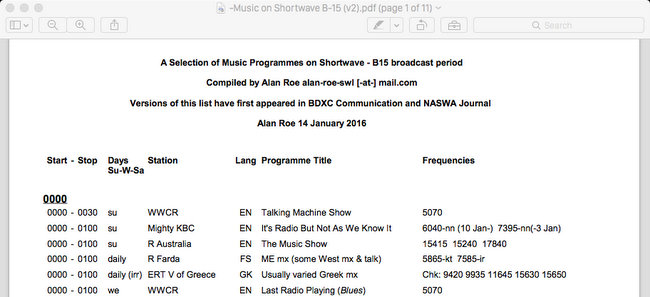
Many thanks to SWLing Post contributor, Richard Langley, for sharing Alan Roe’s excellent guide to music broadcasts on shortwave radio.
Alan Roe (who happens to be an avid SWLing Post reader!) has generously given me permission to post his guide here as a free (PDF) download. Thank you so much, Alan! I’ve already printed this guide and placed it with my WRTH and WWLG.
Click here to download Alan Roe’s guide to music on shortwave (PDF).
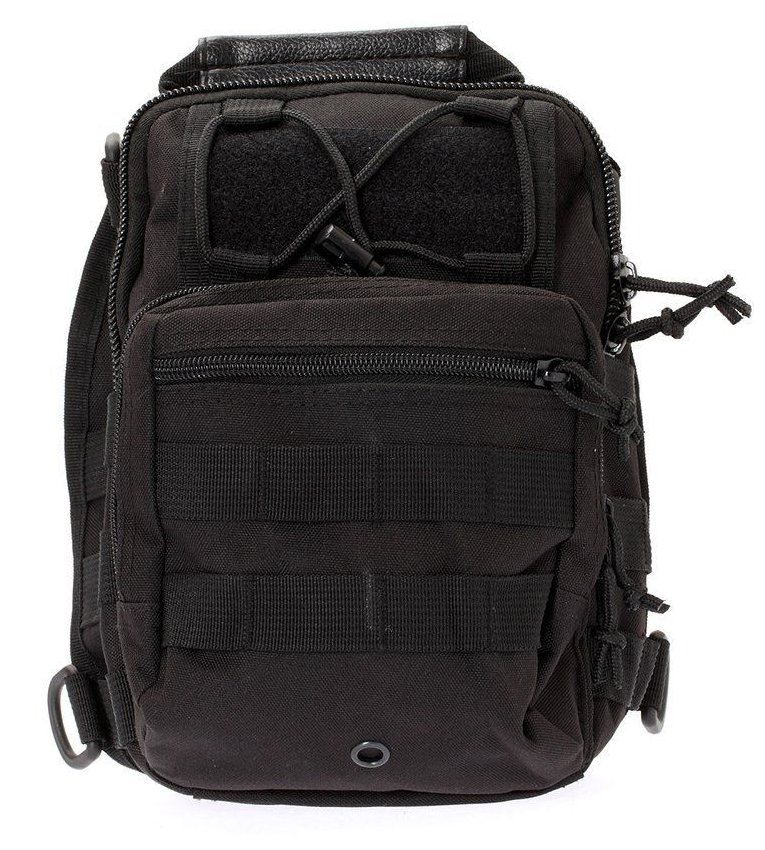 Speaking of backpacks and protective cases for radios, SWLing Post reader, JC, recommends an inexpensive tactical shoulder pack available via eBay.
JC writes:
I tend to want a little more protection and space so I use a tactical military type shoulder bag for my portable radio kit. It hangs nicely off the back of the passenger’s seat in my car and allows me to keep my PL-660, spare batteries, portable wire antenna, earphones, frequency lists, and other gear all together in a handy pack.
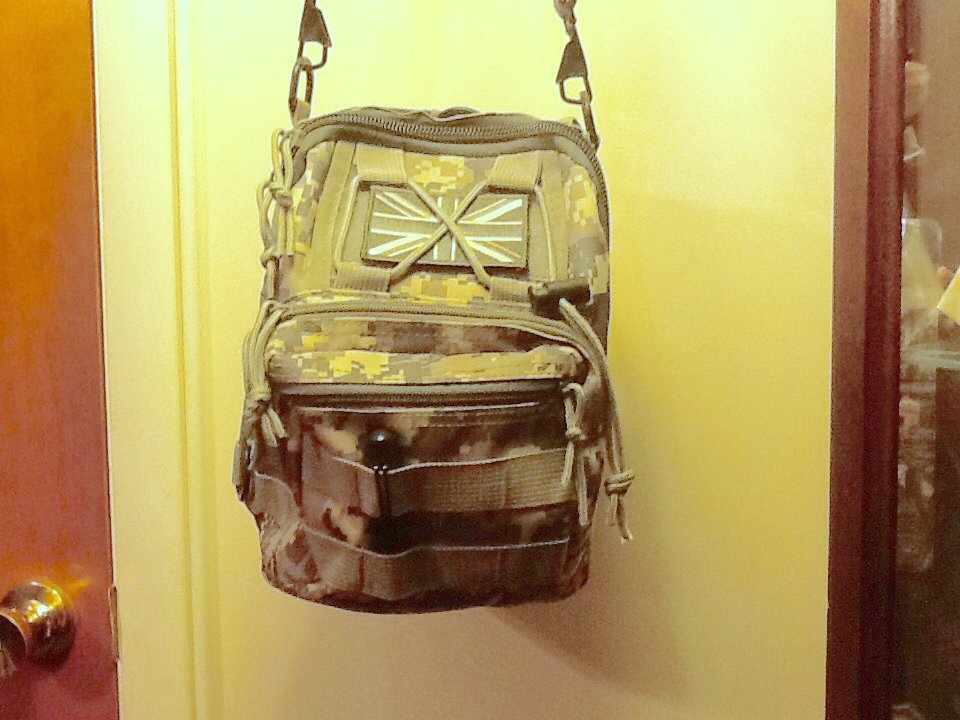
JC’s shoulder pack
The price is about $13.60 w/ free shipping. It’s a great bag for my portable kit, and it’s built pretty sturdy. Any extra protection is better than none for a radio used out in the field.
Thanks for the recommendation! That is incredibly affordable and a great looking bag.
I’m very partial to Spec Ops Brand packs, but they’re quite pricey in comparison.
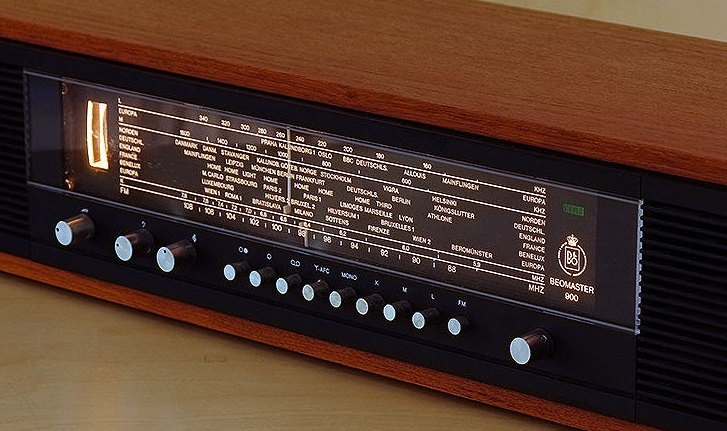 While quite out of my price range, this is a beautiful piece of radio art nevertheless. (I recommend viewing the close-ups on the listing to really see it.) The receiver/amplifier has Broadcast, Long Wave, Short Wave plus FM, and the ability to reproduce beautiful stereo for its time, according to user reports.These were produced during the mid-sixties until 1970. I miss the artwork involved in many older radios as compared to today’s utilitarian radios. We may have better components and features, but we do not have the beauty or style in many cases.
I’ll be watching with interest to see how this auction ends!
Robert Gulley, AK3Q, is the author of this post and a regular contributor to the SWLing Post. Robert also blogs at All Things Radio.