Shortwave listening and everything radio including reviews, broadcasting, ham radio, field operation, DXing, maker kits, travel, emergency gear, events, and more
Many thank to SWLing Post reader, Stefano Mollo–a licensed Australian broadcaster–who shares the following news:
Hi, Thomas,
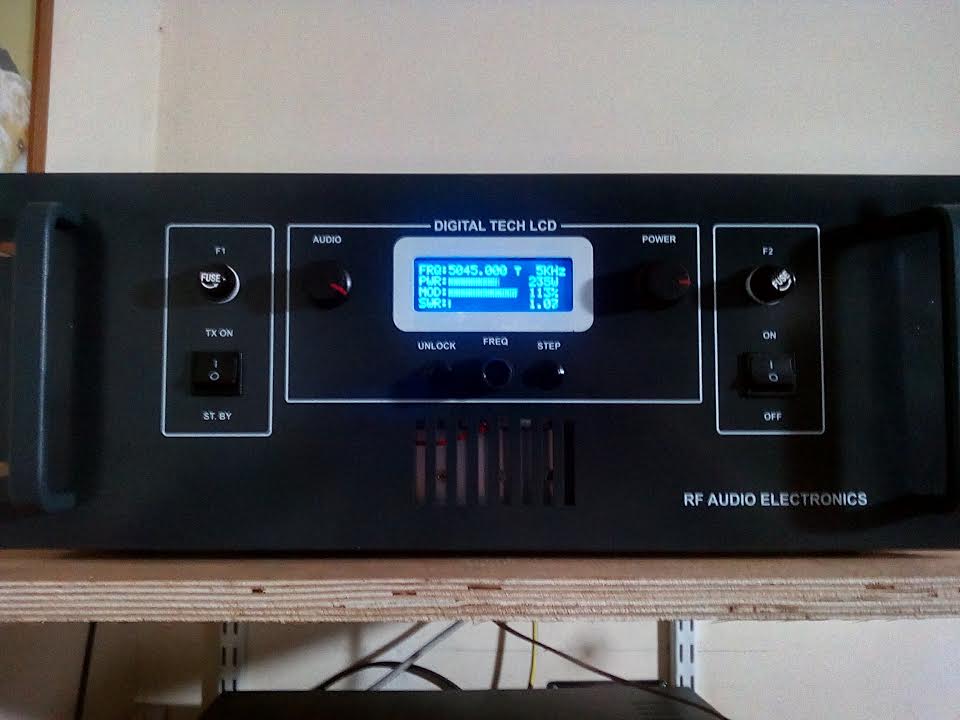
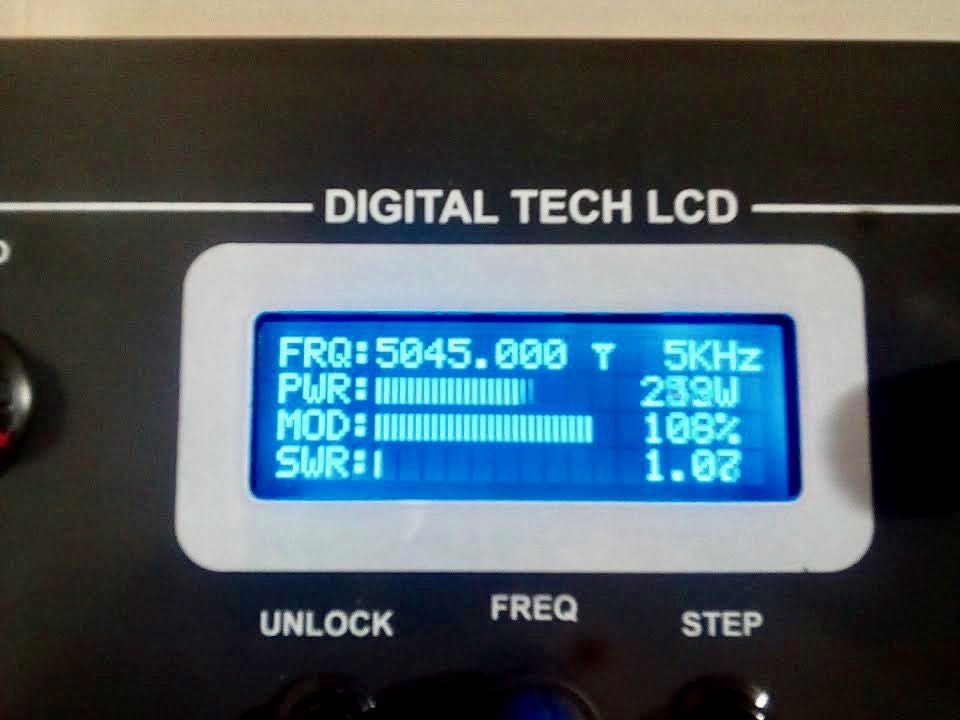
I have started test transmissions from Perth, Western Australia, on 5,045 kHz, at 75 watts (300 PEP).
Stefano’s HF transmitter
For the time being, I am using the same audio of my other station–77.4 MHz FM–which you can also find and stream online here: www.77400.fm
My test transmission are on the air from about 7:00 pm to about 10:00 pm every evening, local Perth WA time (11:00 – 14:00 UTC).
Please direct listener reports and any enquiries to [email protected].
Thank you for sharing your news, Stefano!
Post readers: While 300 watts PEP is a modest broadcast signal, no doubt many in Australia, Oceania and Asia will be able to log Stefano’s station when conditions are favorable. During band openings, his signal might travel quite a distance.
Let’s help Stefano by contacting him with detailed listener reports!
Thanks to the support of our VORW Radio listeners, I am proud to announce that VORW Radio International now has a transmission to South America on 9955 kHz!
Each broadcast features a mixture of my commentary and listener requested music. You’ll hear a great variety of music in this program, from Classical to Classic Country, from Rock to Smooth Jazz, you’ll hear it all!
If you’re interested in listening, the updated broadcast schedule is as follows:
Thursday 1200 UTC – 9875 kHz – Tashkent 100 kW – East Asia
Thursday 2000 UTC – 11580 kHz – WRMI 100 kW – Western Europe
Thursday 2200 UTC – 9955 kHz – WRMI 100 kW – South America
Friday 0000 UTC – 9395 kHz – WRMI 100 kW – North America
Friday 0000 UTC – 9455 kHz – WRMI 100 kW – Central America
Friday 0000 UTC – 7490 kHz – WBCQ 50 kW – North America
Questions, comments, reception reports and music requests may be sent to [email protected]
Reception reports will receive a QSL!
John, I’m so impressed with the number of relays you now have on shortwave–you’re truly a global broadcaster! Keep up the good work!
Recently Radio Tirana in Albania ended its broadcasts on shortwave. Radio Tirana’s programs were legendary during the years of the Cold War, when it was one of the strongest signals on the shortwave bands. Its programming is entirely different now in a free Albania, but the signal was quite poor in recent years, at least in the Americas.
Now, WRMI will be relaying Radio Tirana’s daily English program Monday-Saturday at 2300 UTC on 5850 kHz to North America, beginning today, April 27, 2017.
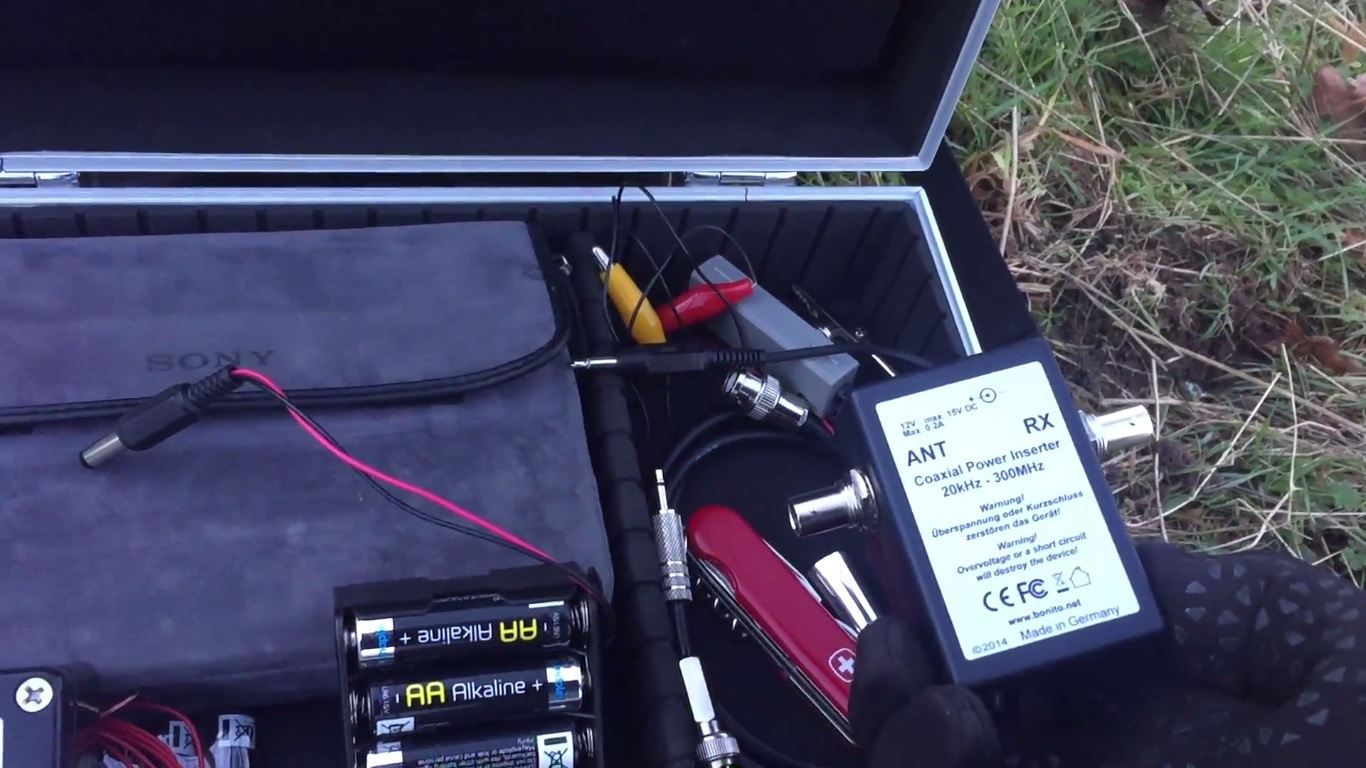
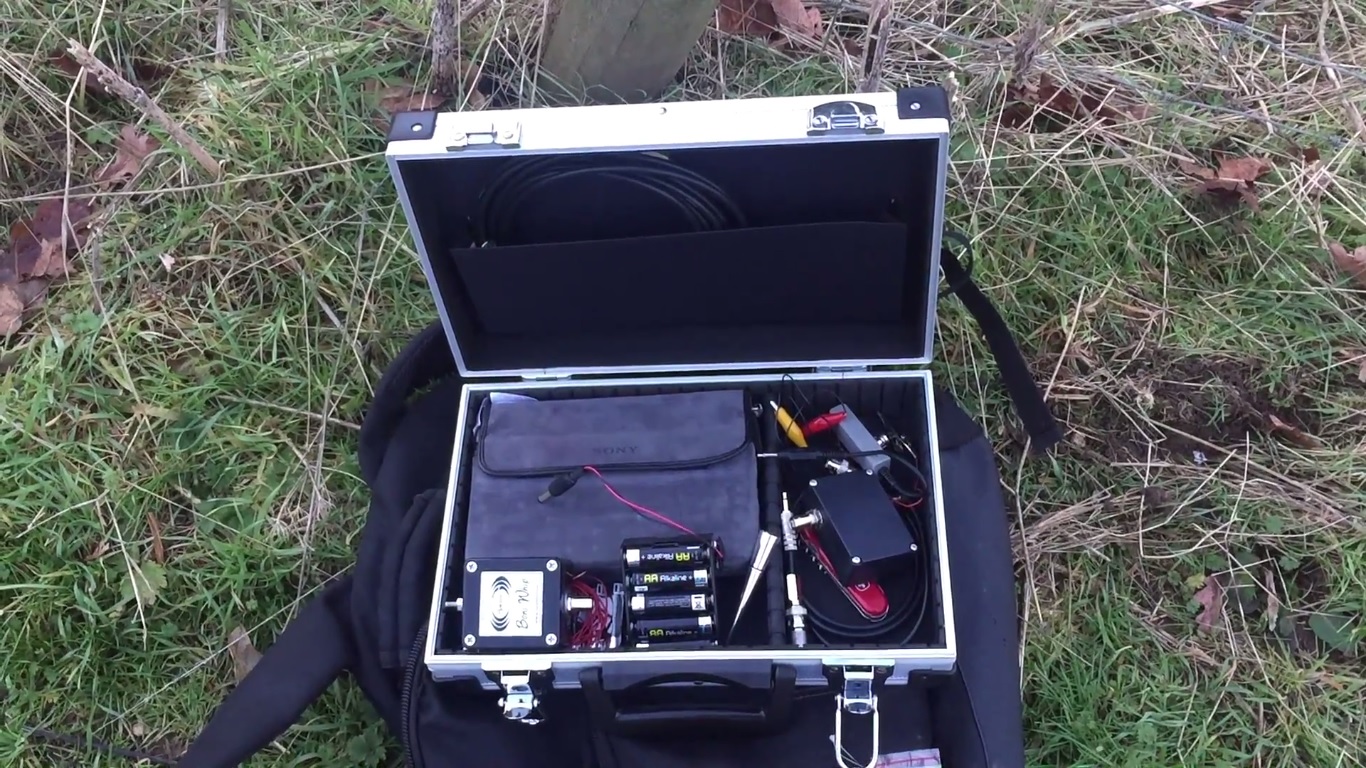
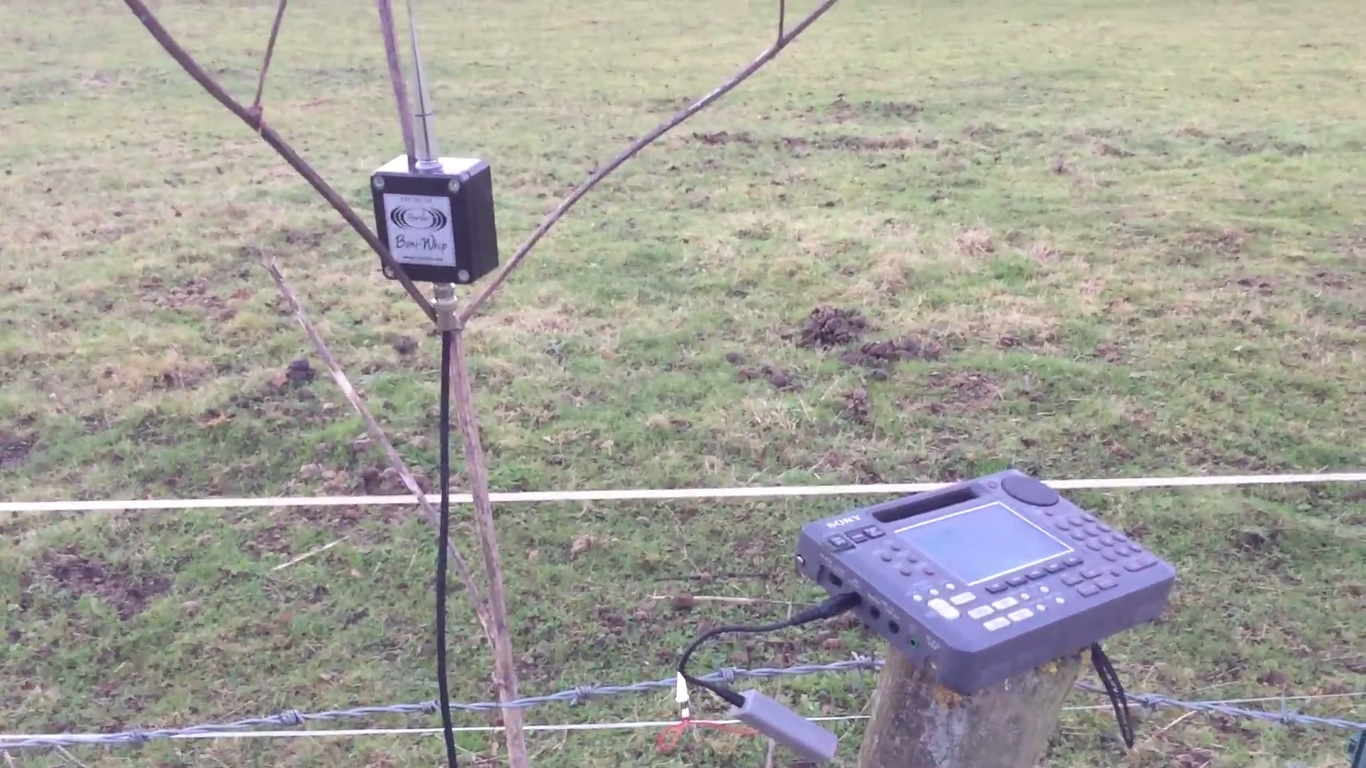
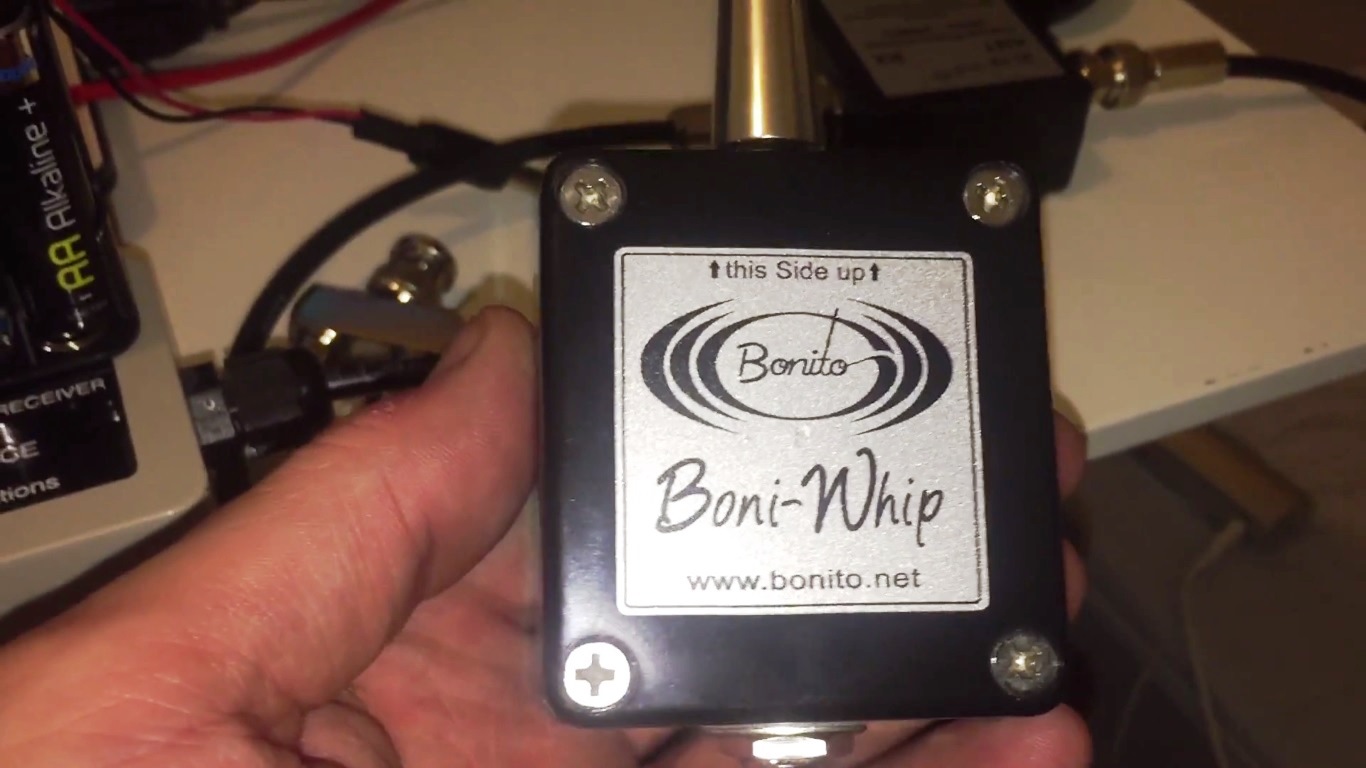
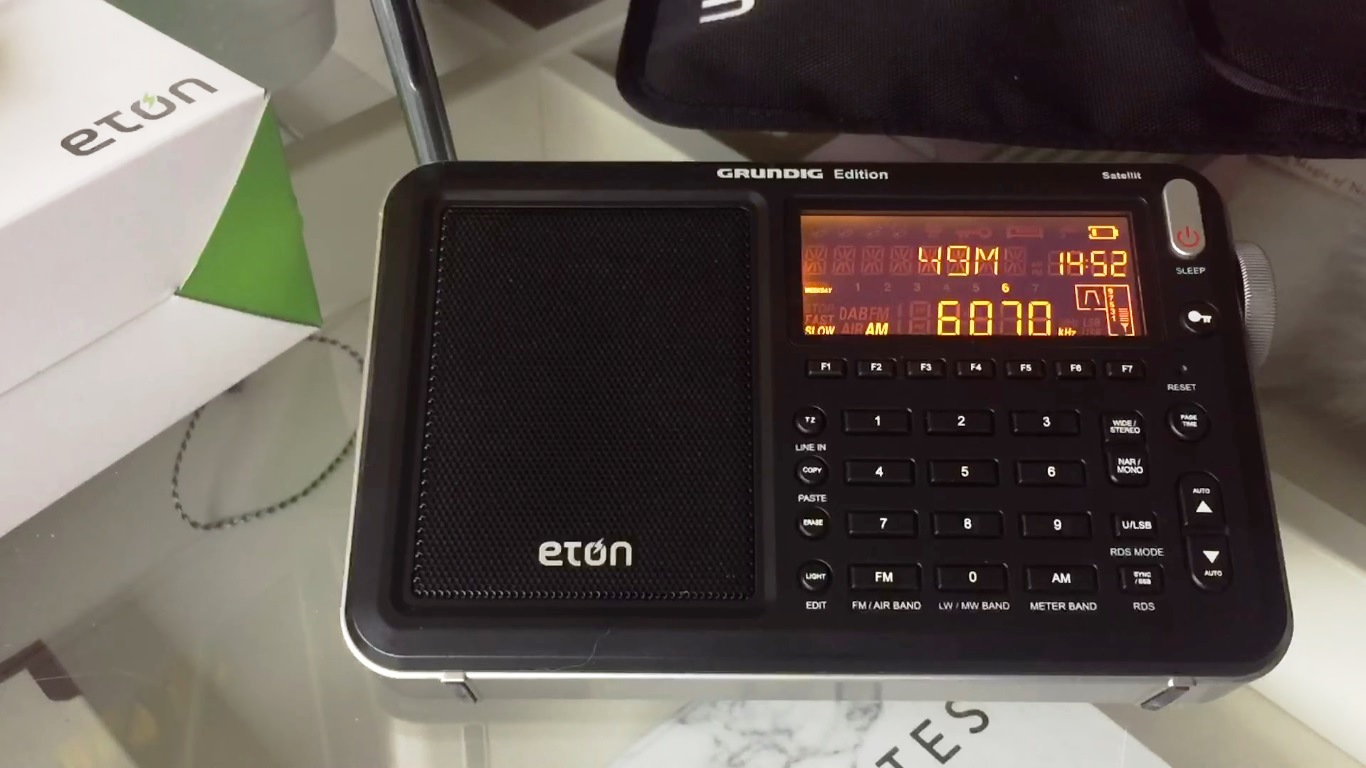
Hi there, subscribers to the Oxford Shortwave Log YouTube channel and regular readers of this excellent website will be aware that I have been using a Bonito Boni whip E-field wideband antenna for a couple of months now. You may have seen my previous post here, detailing some excellent initial DX results achieved with the Boni Whip. What makes this antenna so compelling for a DXer such as myself is simply that it’s so light and compact; I can literally take it anywhere. Currently it lives in a small flight case (see above & below) on the back seat of my car, with either my Sony ICF-SW55 or Eton Satellit, a home-brew battery pack (that literally cost pence) and some peripheral bits and pieces; spare batteries, cables etc. I think it’s probably already clear that if you consider the Boni Whip’s performance as a function of portability and price, it’s out there on its own – I’m not aware of another antenna that can match it. Of course, there are H-field antennas, such as the excellent Wellbrook active loops that will effectively reject QRM, if that’s an issue for the user, but at a significant cost delta.
Since my last posting, I have continued to use the Boni Whip regularly on my DXpeditions and upload the reception videos to my YouTube channel. I have been nothing but totally impressed with this antenna, to the point that I’ve actually been surprised by the signals I’ve caught and recorded with it. Recent catches include a number of low-power stations from Brazil, including Radio Bandeirantes – Sao Paolo, Radio Voz Missionaria – Camboriu (on the 49 and 31 metre broadcast bands) and Radio Aparecida. Some of these signals are incredibly difficult to hear in Europe at all, let alone well and yet the ultra-compact Boni-Whip running off AA batteries, coupled to the (equally brilliant) Eton Satellit managed it with aplomb. Other catches include Zambia NBC Radio 1 – Lusaka and a signal from Bangladesh Betar that sounded as if the transmitter was 5 miles down the road!
All-in-all, I’m extremely satisfied with the performance of the Bonito Boni Whip and highly recommend it to those DXers requiring a high-performance, compact antenna, for use at home in electrically quiet environments or on any DXpedition. You certainly won’t be disappointed.
Please find embedded reception videos below and text links that will take you to the Oxford Shortwave Log YouTube channel. Thanks for reading/watching/listening and I wish you all great DX.
Clint Gouveia is the author of this post and a regular contributor to the SWLing Post. Clint actively publishes videos of his shortwave radio excursions on his YouTube channel: Oxford Shortwave Log. Clint is based in Oxfordshire, England.
Many thanks to Adrian Korol, at RAE Argentina to the World, for sharing the following update:
During the time that requires the repair of our shortwave transmitter, we are going to maintain our HF presence both in English and Spanish, via WRMI relay station
It is fundamental for those who love the short wave sharing of this information, as well as the active participation of listeners and DXers through emails and post letters.
Your sound files in mp3 with audio captures or videos on YouTube listening RAE will be welcome at [email protected]
During the time of these experimental transmissions we will answer every reception report we receive from anywhere in the world through a special and numbered QSL card.
From the 2nd of May RAE Argentina to the World returns to the dial.
Remember: Every Friday the DX program, “Actualidad DX .com . AR” is issued
Our programs are available on the web www.rae.com.ar 24 hours a day in all 8 languages, and many of them also in podcast (see iTunes)
We also work with the AudioNow platform in the United States, Canada, Mexico and Brazil.
SCHEDULE ( UTC TIME)
RAE Argentina to the World
Broadcasts on the short waves
SPANISH Monday through Friday 22:00 to 23:00 hs UTC on 5950 Khz , on the 49 m band * Latin American Area
ENGLISH Tuesday through Saturday 01:00 a 02:00 UTC on 9395 Khz, on the 31 m band * USA & CANADA Area
*Via WRMI
ATTENTION
The reception reports of your hearings sent to us by ordinary mail will be confirmed by a SPECIAL and NUMBERED QSL.
RAE Argentina to the World P.O Box 555 1000 CABA Buenos Aires ARGENTINA
Post readers: Let’s show RAE we’re listening–! Please send a listener report and/or a recording to the contacts above. I would certainly like one of their special numbered QSL cards!
I’m very happy to hear RAE will have a presence on shortwave via WRMI while they repair their transmitter in Argentina. Kudos to WRMI for partnering with RAE to make this happen!
Many thanks to SWLing Post contributor, Neil Bolitho, who shares the following story in reply to our post yesterday Australian Codebreakers in WWII. Neil writes:
Never to march, never to be mentioned.
Since the end of the Second World War, many thousands of returned service personnel have marched at Anzac Day services throughout Australia.
My father never marched.
My father served in RAAF No 4 Wireless Unit, Central Bureau.
Central Bureau was under the direct command of General Douglas MacArthur, and was set up to detect, record, and translate all messages transmitted by Japanese forces in the Pacific.
Central Bureau was headquartered in Brisbane, but its Wireless Units worked in the field, moving forward with MacArthur, constantly intercepting and deciphering enemy messages.
As the war progressed, the units became so efficient in their work that they were monitoring all enemy radio traffic, and in fact frequently knew the Japanese intentions before the messages reached their intended destination.
The Wireless Units served throughout the Pacific islands providing vital information about enemy strengths and positions.
RAAF No 4 Wireless Unit was formed as a highly mobile unit, and served at Hollandia, Morotai, Labuan Island, and at Luzon, Philippines.
The U.S. High Command highly praised the Wireless Units of Central Bureau, stating that their work effectively shortened the War in the Pacific by at least two years.
At the end of the war, Central Bureau was dismantled. All personnel signed a lifetime secrecy order to not speak of their wartime activities.
No promotions applied. No evidence of their Central Bureau service was recorded, including overseas service. No medals were struck.
Family members, including children, were not told in any detail, of their father’s war experience.
It was only in the late 1990’s that the Australian government allowed information to be released.
In the early 1960’s, my father mysteriously went on an unexplained visit to Brisbane.
It was not until over thirty years later that I found out that he attended a twenty-year anniversary of his unit’s graduation.
I write this on behalf of the children and grandchildren of those Central Bureau personnel that served diligently and efficiently when called upon, and who, when the job was done, quietly went home. They are our heroes.
Indeed. Thank you so much, Neil, for taking the time to share your father’s story. We’re honored to post it here.
If you’re interested in WWII signal intelligence, here are a few fascinating posts from our archive:
Moncton artist bringing back sounds of former Sackville Radio-Canada towers
A Moncton artist has brought back to life the sounds of the 13 CBC Radio-Canada International shortwave towers that once stood in Sackville, N.B. on the Tantramar Marsh.
“It’s kind of like you’re conjuring ghosts of radio towers,” explained the artist Amanda Dawn Christie on Shift N.B.
Requiem For Radio: Full Quiet Flutter
The experimental sound art project Requiem For Radio: Full Quiet Flutter involves a scale model of the original towers, but a large model — about 16-metres wide, six-metres deep and five-metres tall.
Christie said the towers have red lights resembling the originals. They are made from pipes with four copper pads on each tower.
She added that when someone touches one of the copper pads, a wireless signal is sent to a computer, which then sends a sound file back to that tower of the actual, recorded sound the original tower made when it was operational. The sound is transmitted through a speaker on the model tower.
[…]But the model towers are more than something to be gazed upon and admired. They are musical instruments that Christie and two other musicians will be playing at one-hour performances on May 26 and 27 at the Aberdeen Cultural Centre in Moncton. The performances will also be broadcast on radio stations in Moncton, Montreal and New York.[…]