Shortwave listening and everything radio including reviews, broadcasting, ham radio, field operation, DXing, maker kits, travel, emergency gear, events, and more
I’m very curious what it must have been like to tune the Bush S.W.45. Seems the big selling feature was its ability to reliably tune closely-spaced stations. The ad claims:
“[T]he Teleflic comes to your assistance by giving you the equivalent of a dial 12 feet long, every station with its own number!”
I’m sure this was a brilliant innovation at the time.
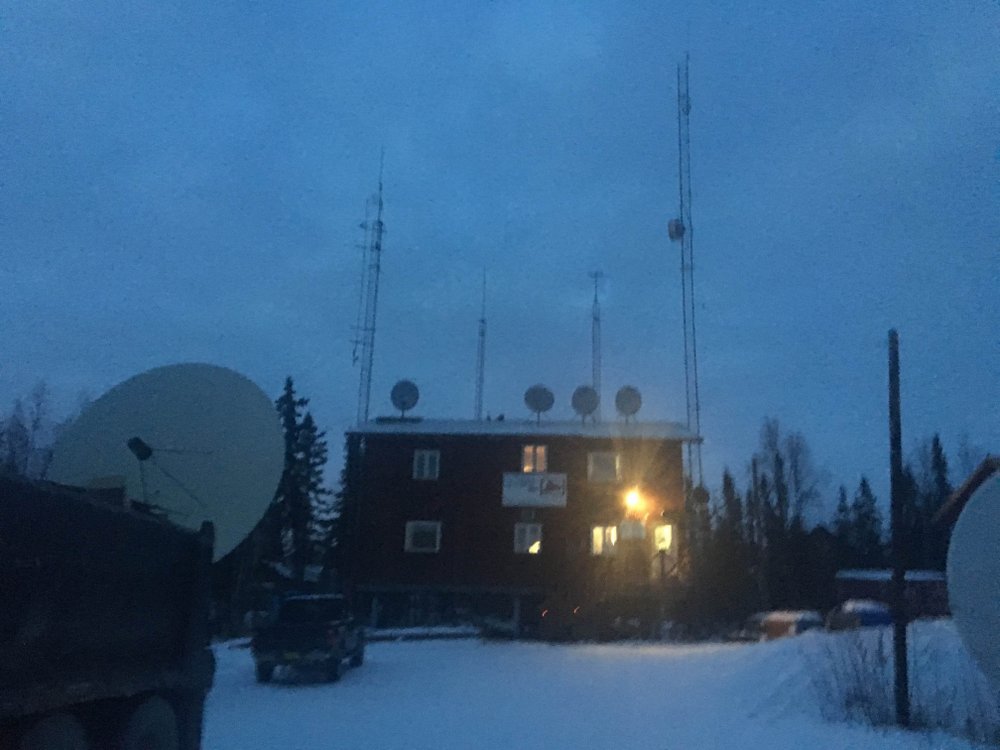
It has to be away from home as I have 2 FM and 1 TV transmitter above my head plus an ungodly amount of electrical noise and RF overload. The banks of the Yukon River are 500 feet from my office and apartment, so that’s a good location.. just need a way to secure a long wire or box loop. I am also in the process of finding an FM Low pass filter to filter out the FM stations real nearby that overload certain parts of the SW dial.
I am in Galena, Alaska. It is a village of about 500 people in the central part of Alaska, we are 300 miles west of Fairbanks and 300 miles east of Nome. Off the road system, everything is flown in 8 months or so out of the year and when the river is flowing, it’s barged in.
Radio Australia and Radio New Zealand are weak here, some days barely listenable, other days passable, but not very strong here. I’ve not heard anything from Radio Taiwan International here, yet I could get them weakly in California and in Arkansas.
I can hear CRI daily, the stuff that comes from their Beijing area SW transmitters is quite listenable.
What I can hear with regularity and strangely, a very good signal depending on the frequency, is The Voice Of North Korea. I’ve logged The Voice Of Korea on about A DOZEN different frequencies! What I can’t figure out is why? Some of the Voice of Korea broadcasts are near local AM radio station like strength many nights. I could hear them fairly well in northern California, but not always so strong.
Why I can’t figure out is the Voice Of Korea broadcasts that I’m hearing, what is their target area? It would sure seem I am not in the direct beam for any of their target areas, being so far north.
The strongest Voice Of Korea broadcasts for me are generally, not always, 15180 kHz and 11735 kHz. I’ve heard them on several 6 and 7 MHz frequencies which are listenable, but never very strong. I’ve also heard them in a few places in the 9mhz band and those are generally pretty listenable.
I did hear Voice Of Korea on 3250 kHz about a week ago. The signal was weak but steady and it was very clearly them.
I’ve heard them in the 13 MHz band one night and that signal was pretty strong. I did get them a few days ago smack in the middle of the day at 11910 kHz which was a bit surprising.
I expect when I construct a massive(and very directional box loop) or put up a longwire, My DX will greatly improve beyond the average stuff I’m getting now.
I’ve also logged Radyo Pilipinas on 17700 and 17820 kHz, several instances of the Firedrake Jammer on different frequencies, CRI and NHK (CRI & NHK are to be expected here).
I did have a surprising reception of All India Radio on 7550 kHz.
Also logged recently was RFI on 15300 kHz, BBC WS on 15400 kHz, Voice of America on 15580 kHz, Radio Exterior De Espana 15390/15500 kHz, RN de Brasilia 11780 kHz among others.
Some of my clips range from merely 30 seconds long to 20 minutes. The longer clips are usually when I had much better. Some clips are video, held up to the radio showing the dial, others are audio onlly.
As always, comments and discussion always welcome.
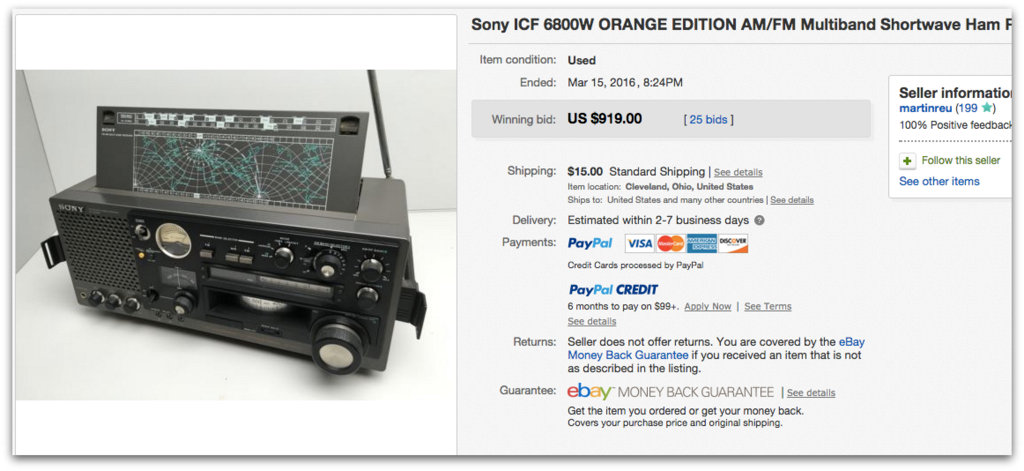
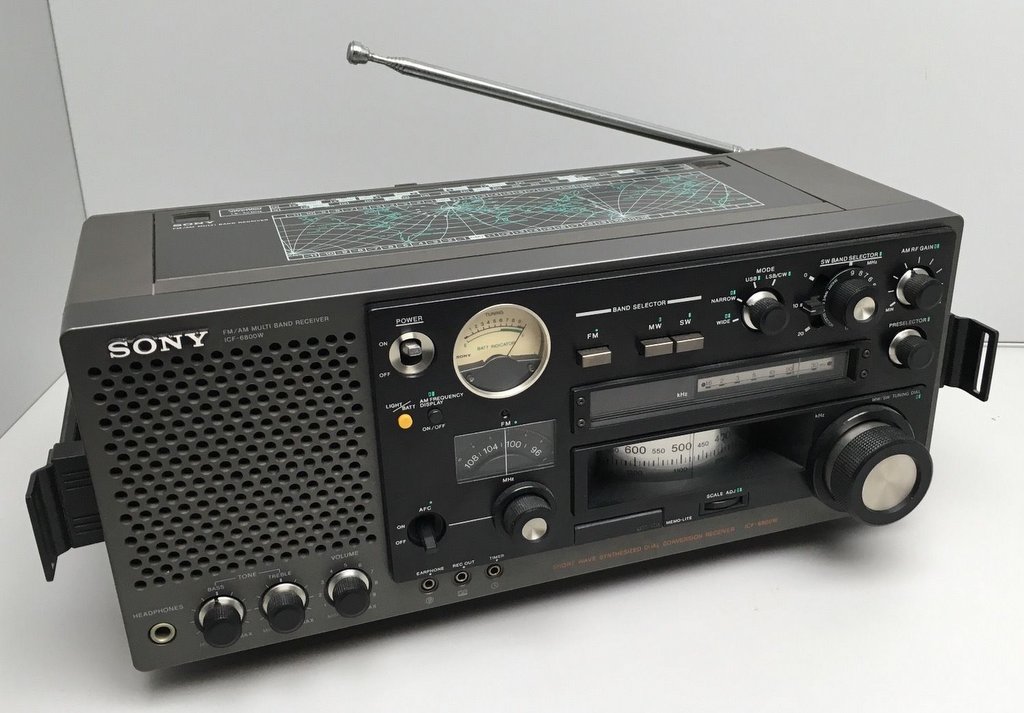
This is the thing about sites like eBay: the market price of any given item is the price it eventually fetches in auction. This Sony appears to be in superb shape and was being sold by a seasoned seller with a high approval rating. The collector behind the winning bid paid top dollar, but he felt it was a fair price to snag this rig.
Note of caution about eBay BuyItNow pricing
The ICF-6800W above was sold in an auction listing. There are times, however, when eBay sellers don’t have an item up for auction, rather they ask for fixed “BuyItNow” prices which are sometimes outrageous. For example, I see a lot of shortwave portables that are still in production being offered at three times the retail price. These sellers are hoping you didn’t do your homework prior to purchasing at a fixed price. We actually addressed this issue last year–check out our previous post:
Many thanks to SWLing Post reader, Mark Hirst, who writes:
Thomas,
I have been very impressed by the shacks featured on SWLing !
I don’t really have the room to accommodate such large collections, or to dedicate a special area to just radio.
I tend to perch a radio on a spare surface in the front bedroom, and then cycle through my small collection on a weekly or bi-weekly basis, returning the previous radio to storage to await its turn in a month’s time.
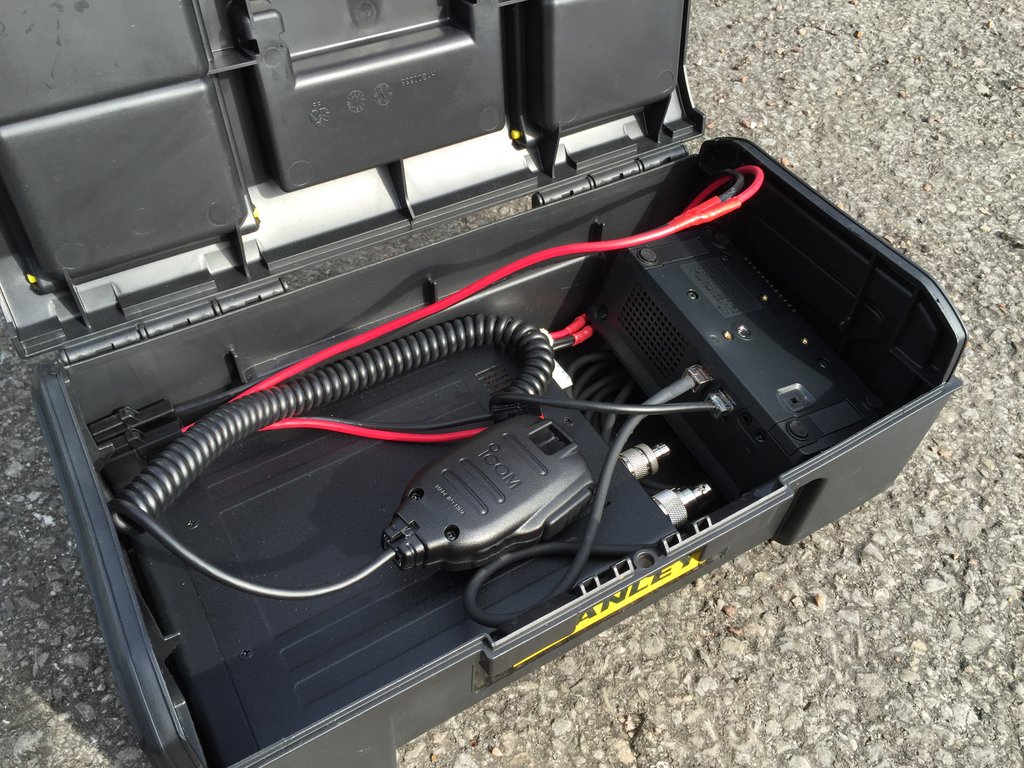
Since newer houses and gardens are typically quite small in the UK, I’ve always been thinking in terms of radio on safari, so with the weather starting to improve, I present to you my ‘shack’ consisting of a recently acquired IC-7100 inside a fortuitously sized toolbox. The radio runs in the bedroom like this too, usually connected to a Wellbrook loop when not transmitting.
The picture [above is of the] head unit in stowed configuration, as the lid of the box doesn’t quite clear the unit when sitting on the base. The space on top of the radio is then filled by the SOTA Beams antenna bag and other sundries. The battery travels separately in the backpack.
My plan was to never have to connect/disconnect the ethernet style cable between the two halves, looks like the plan worked !
This is a brilliant kit, Mark–a great way to escape urban radio interference! The Icom IC-7100 is uniquely qualified for the deep case, too, since the control head can sit on top of the body while in use. The angle of operation is also ideal. Very cool–thanks for sharing!
Friends, we’re doing another round of tests for Radio Taiwan International the nights of March 13, 14 and 15 (Sunday, Monday and Tuesday) in a new frequency of 11530 Khz.
The transmissions will be at 0000-0100 and 0200-0300 UTC (UTC Monday, Tuesday and Wednesday). Very grateful any observation on the quality of the reception in your area, and especially a comparison between the two hours. Thank you in advance.
Please send your reception reports to WRMI using the following email address: [email protected]
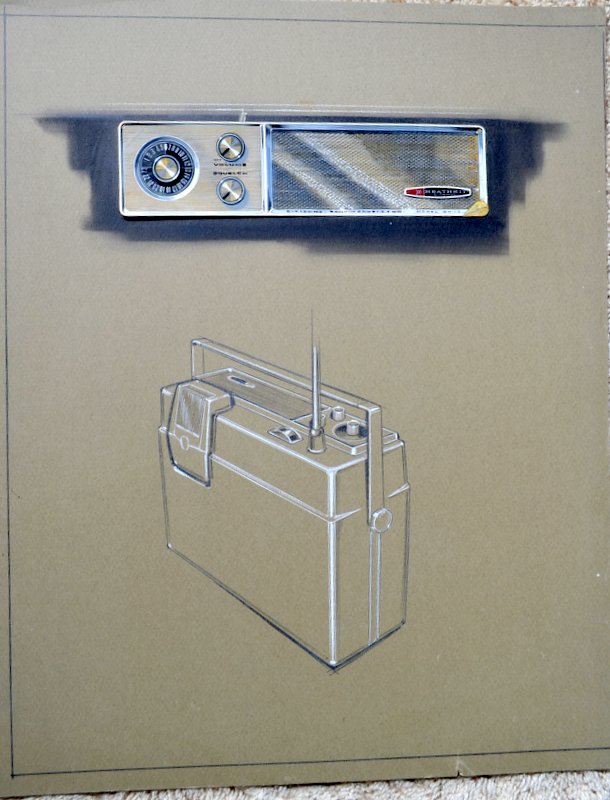
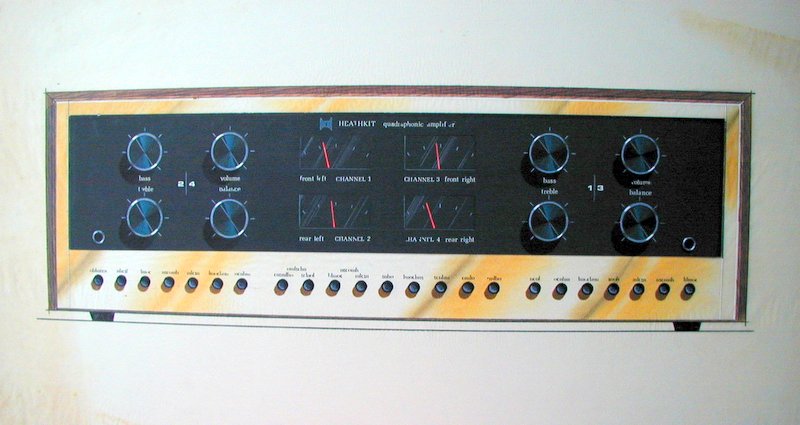
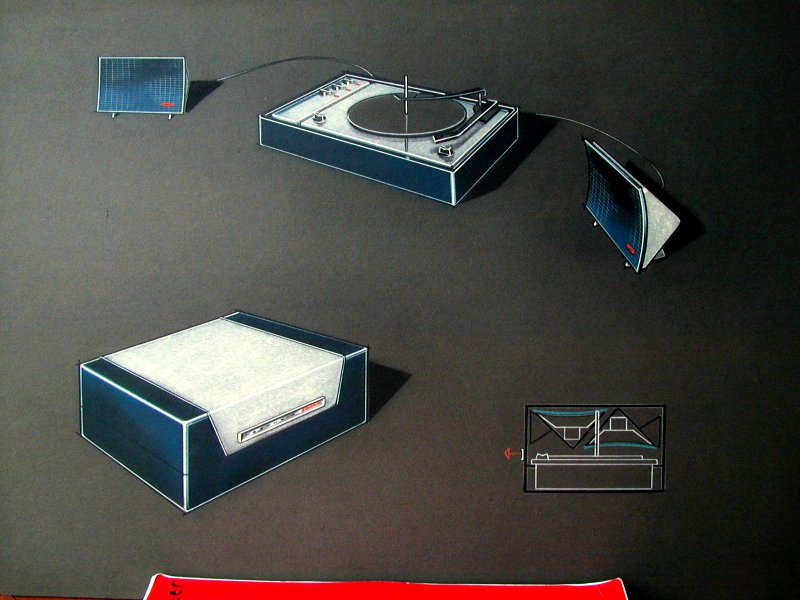
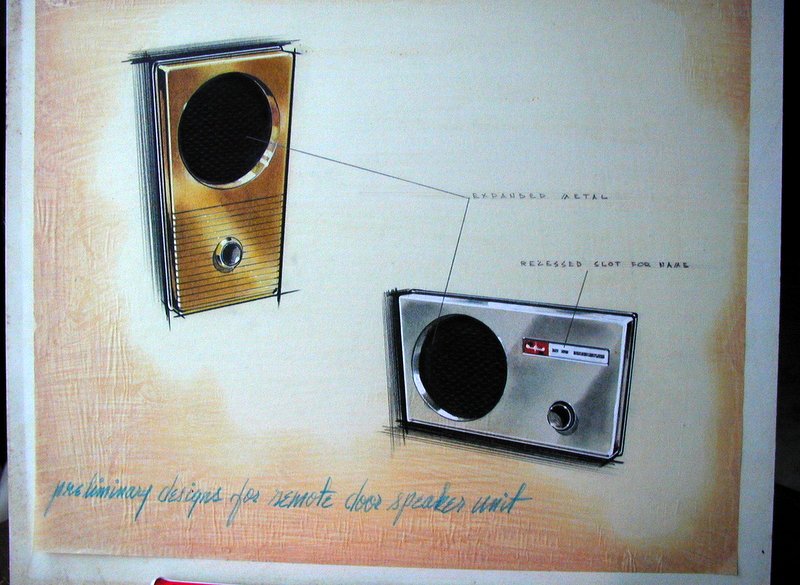
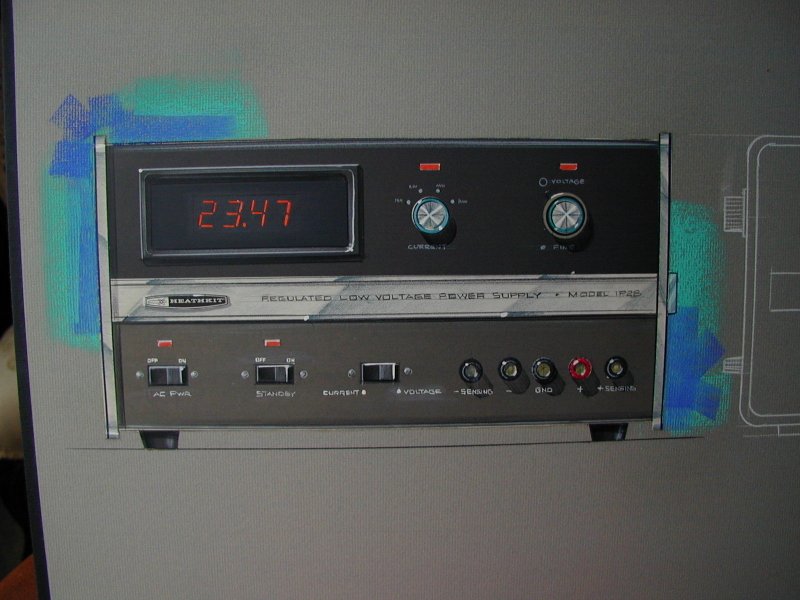
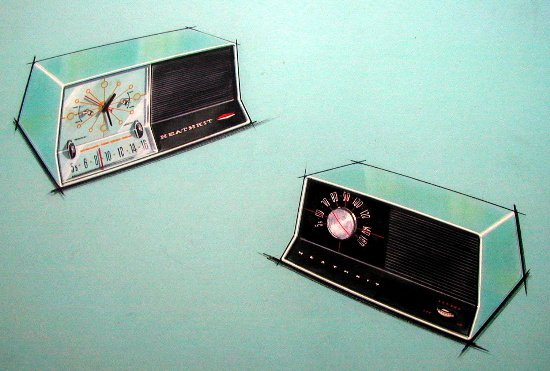
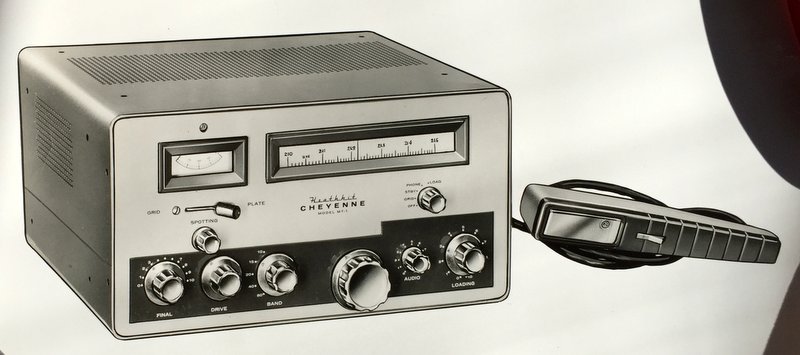
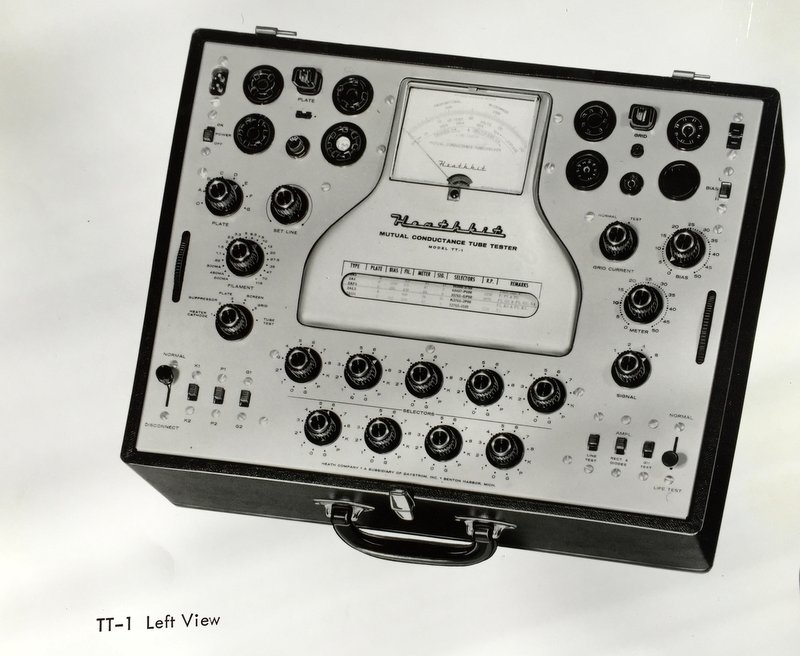
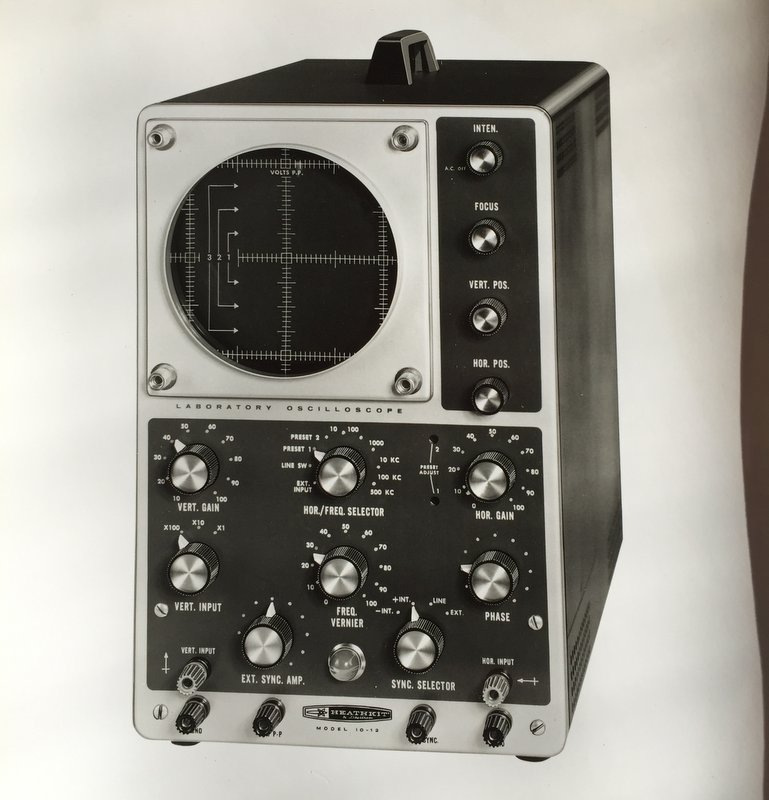
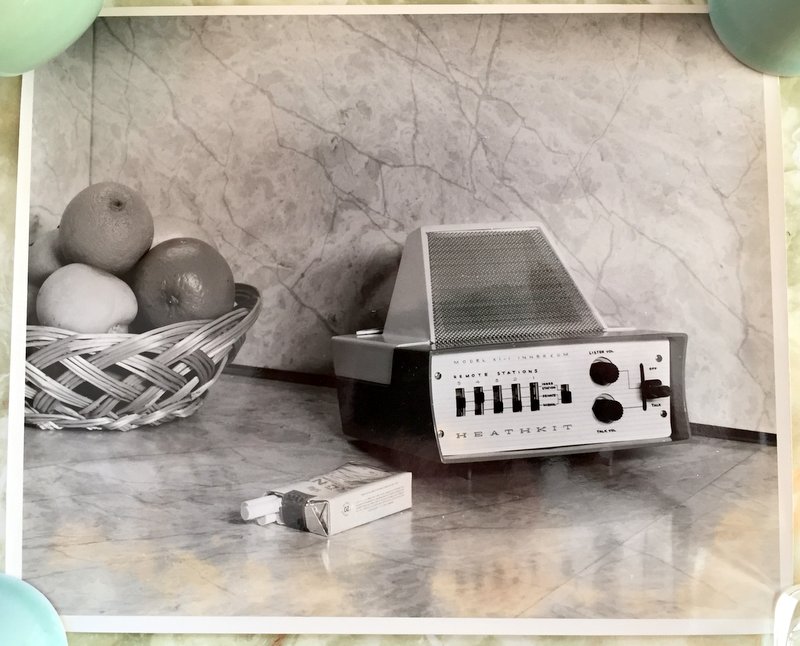
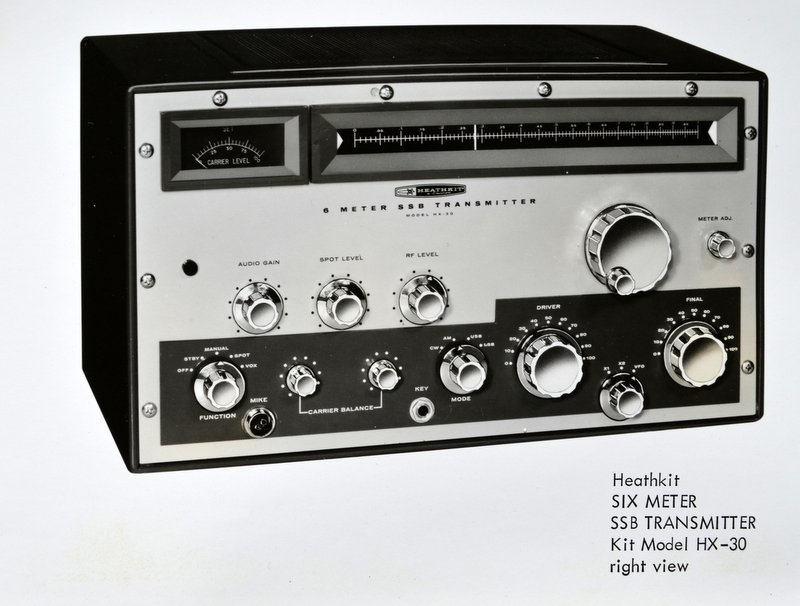
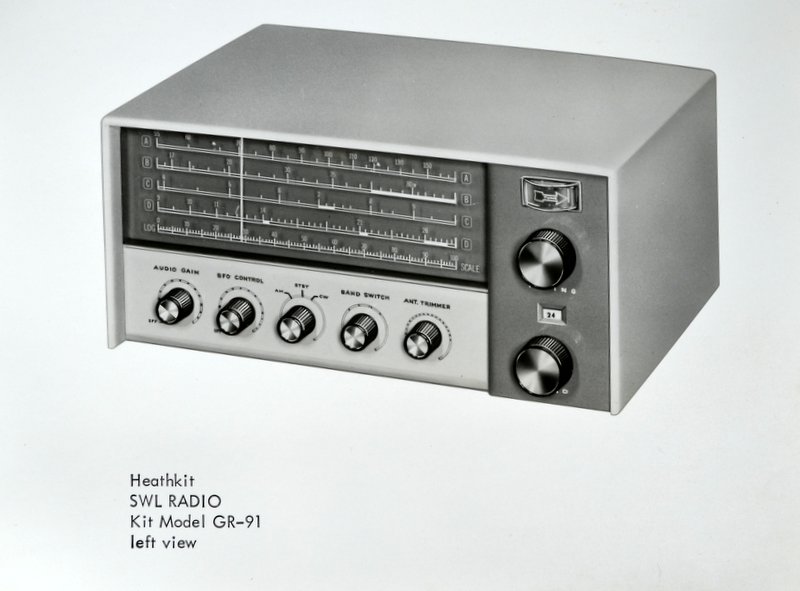
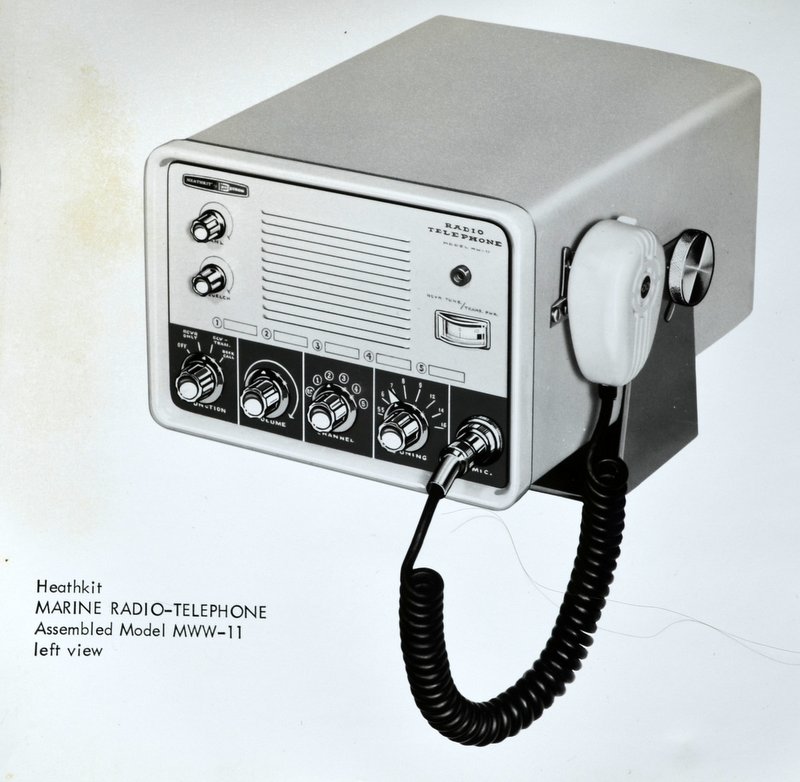
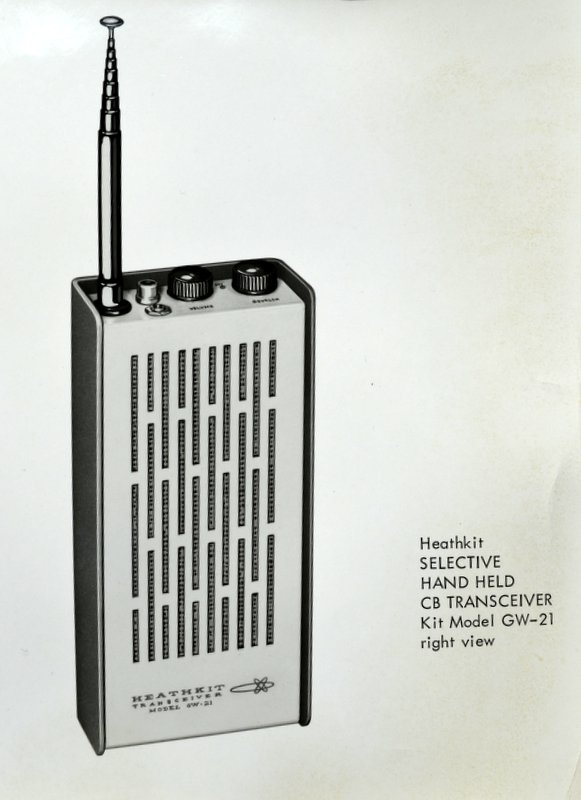
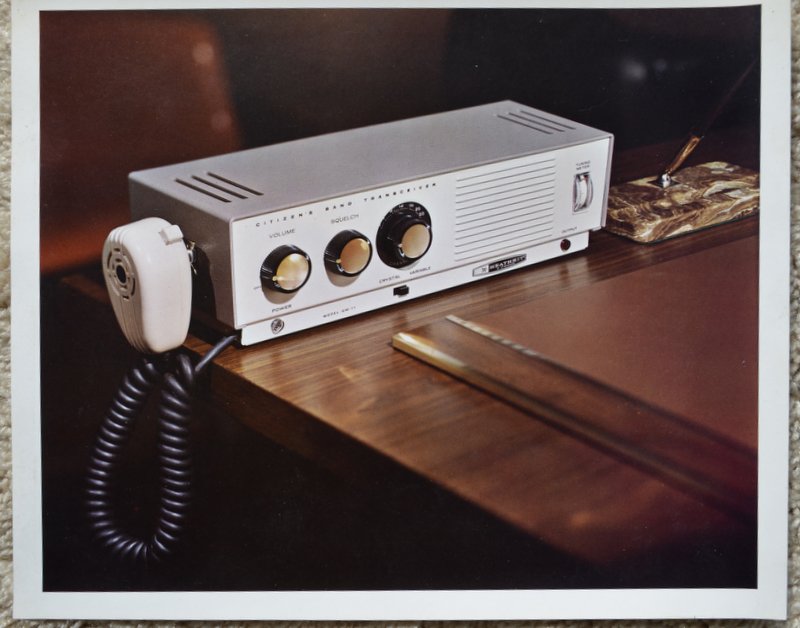
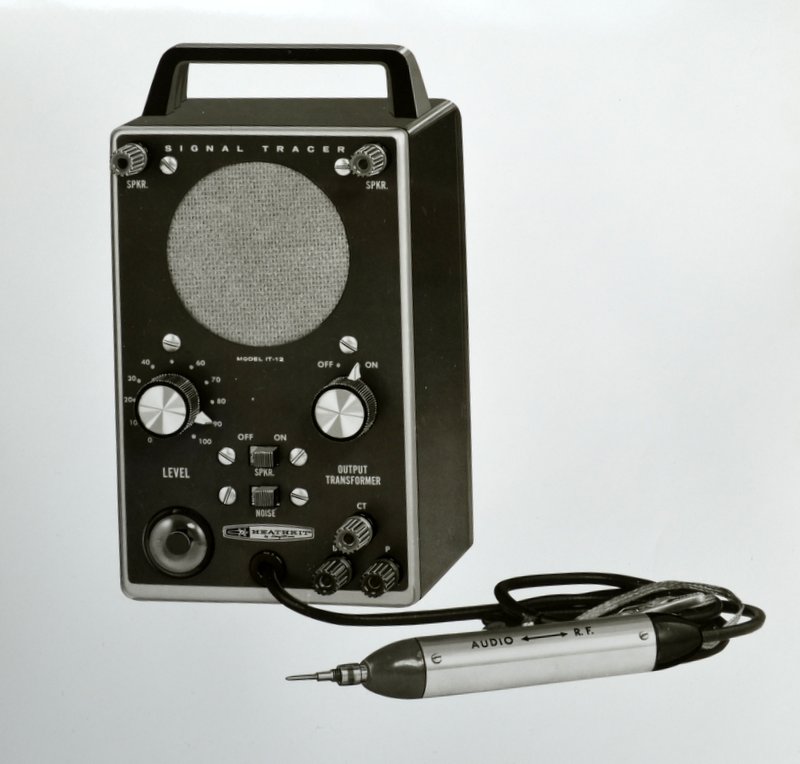
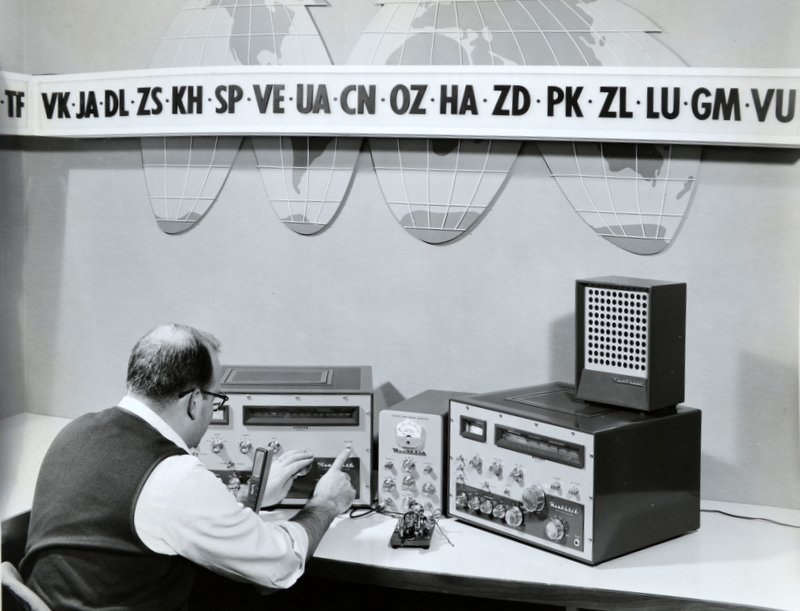
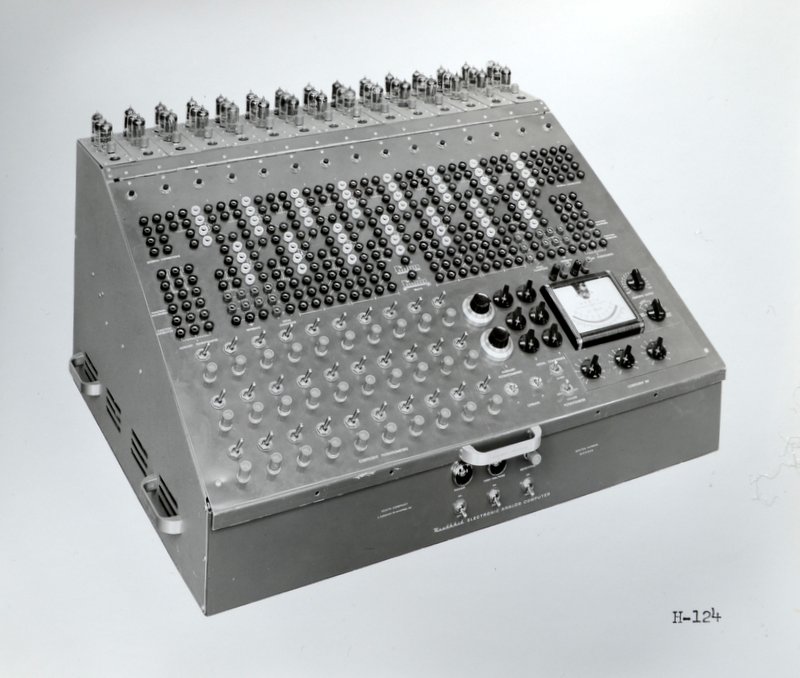
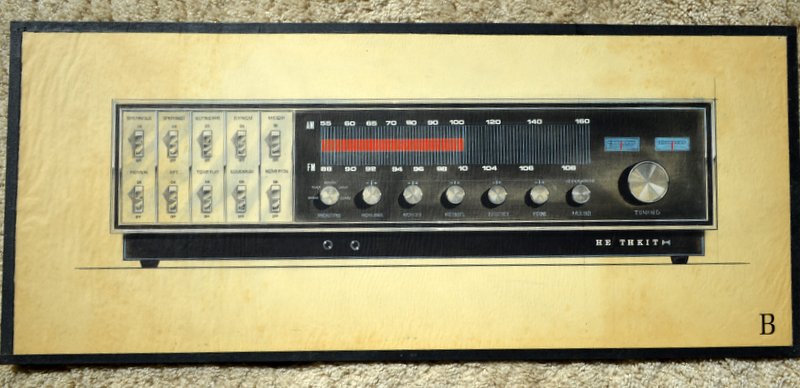
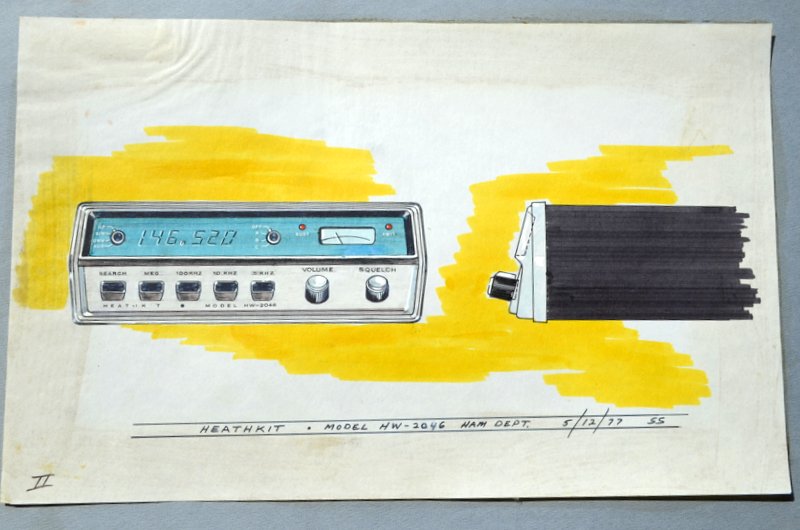
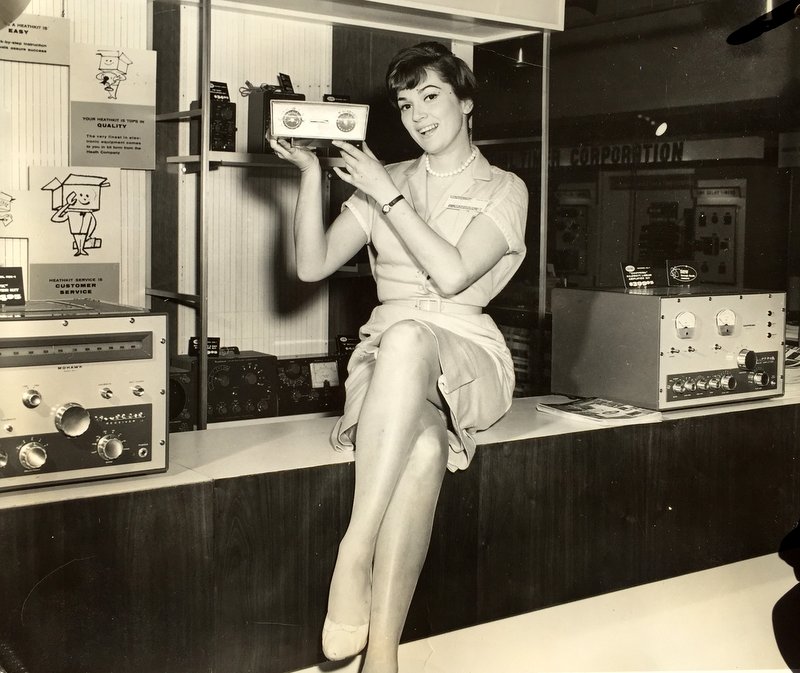
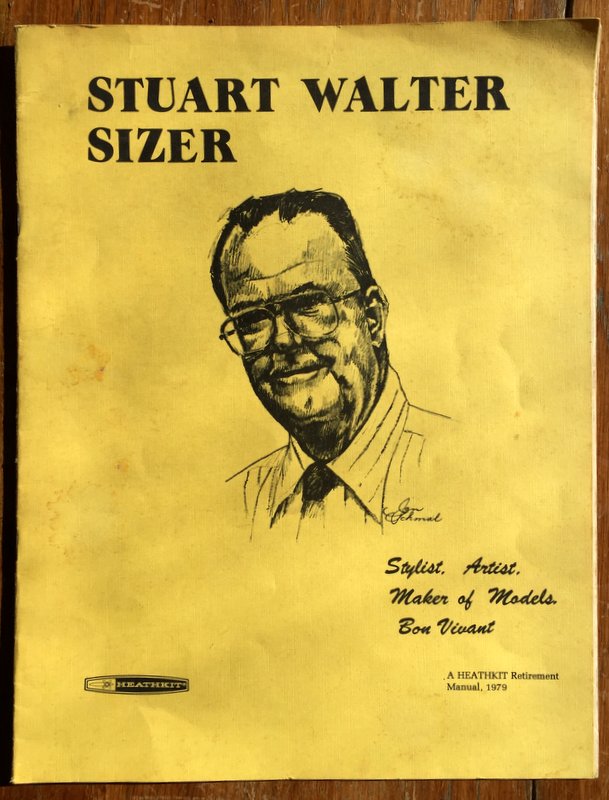
Two weeks ago, through a radio preservation group, I met the son of Heathkit product designer of the 1950s-70s, Stu Sizer––”stylist, artist, maker of models, bon vivant.” His son described the discovery of a few vintage Heathkit brochures, photos, and illustrations his father kept in his family’s basement shop, many of which had been scanned at some point.
Stu Sizer––”stylist, artist, maker of models, bon vivant”––was tasked with crafting Heathkit’s user-friendly and attractive exterior designs. For many years Sizer was Heathkit’s only product designer, and was therefore often busy. “He was a great dad,” his son told me, “but he spent a lot of time in the basement proof-building kits.” He adds wryly, “Let that be a lesson to the hams of this world.”
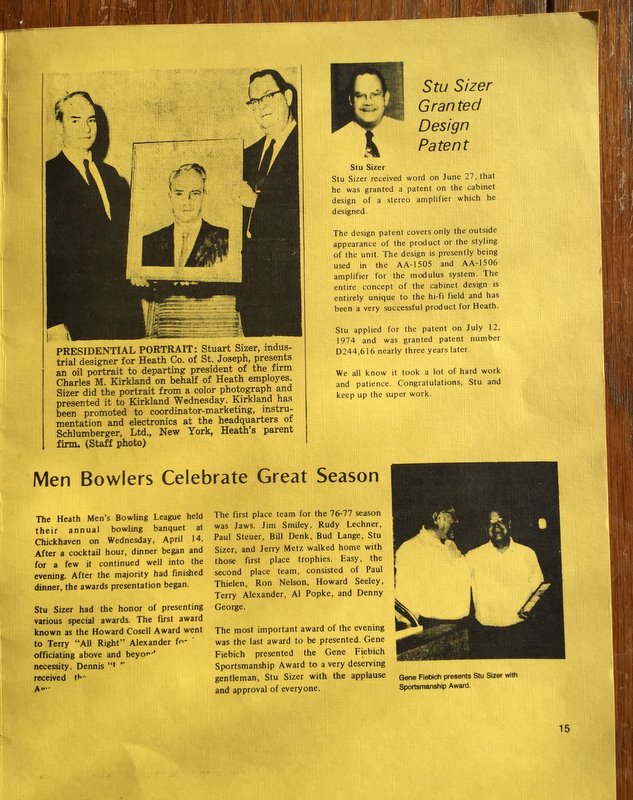
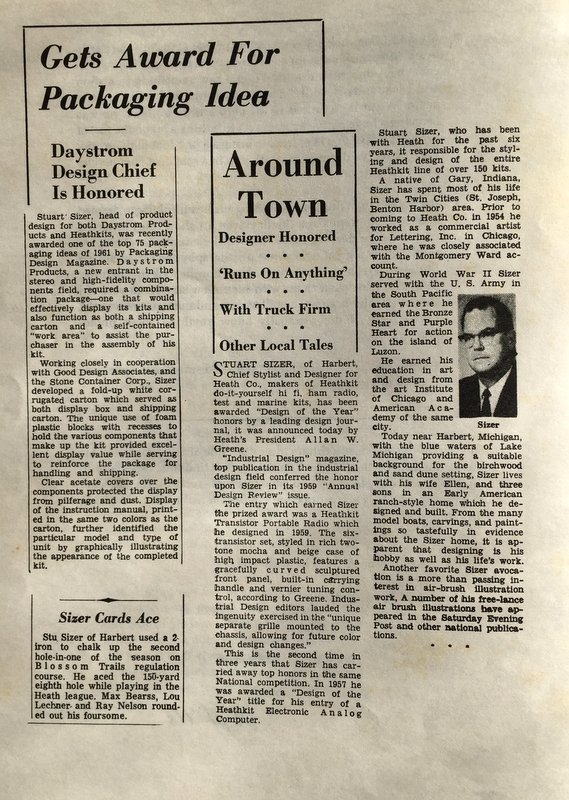
Sizer’s son kindly shared with us the following scans and photos of his dad’s work, many of which are original drawings; the series concludes with some clippings featuring Sizer.
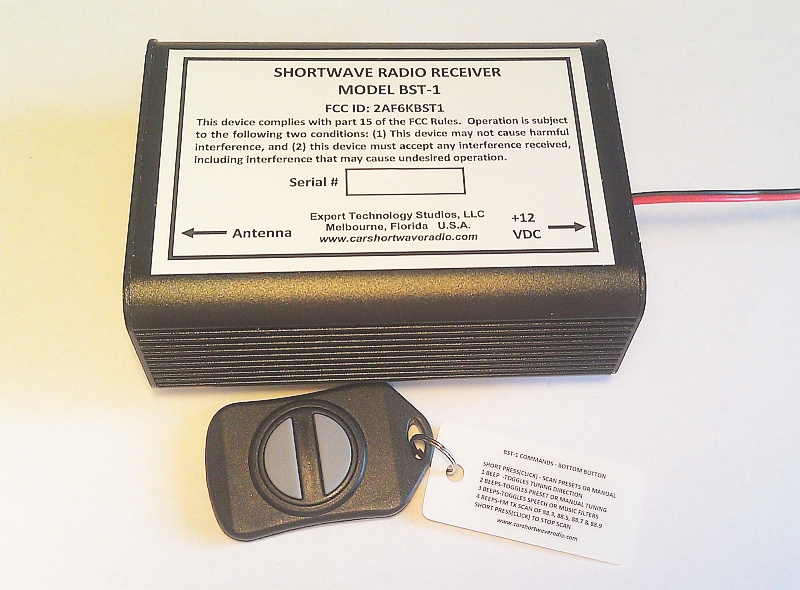
Tonight on Allan Weiner Worldwide (WBCQ 7490 kHz coming in beautifully on my FRG-7) Allan mentioned a shortwave radio converter for car radios. The package uses a small box which plugs into the cigarette lighter socket and can either use an antenna made for the converter or an antenna supplied by the user. The unit can display frequencies through the FM RDS display, and has a key-fob controller for scanning and saving stations into memory.
Here are some of the features listed by the manufacturer:
FEATURES OF THE BST-1
Excellent sensitivity – 0.5 microvolt at the antenna connector will stop the preset scan and provide a very listenable signal. Automatic Gain Control – Keeps audio levels constant for weak and strong stations.
Full Shortwave band coverage – tune to any 5 kHz spaced AM channel from 2.3 to 26.1 MHz. The frequency coverage is actually from 150 KHz to 30 MHz but with reduced sensitivity when operating outside of the shortwave bands, especially below 1.8 MHz. This extended frequency range lets you listen to the 10 and 160 meter ham radio bands as well as CB channels. If you are close to the transmitting antenna, you can even hear airport beacons in the 200 to 400 KHz radio-location band.
DSP (digital signal processor) selectivity – Sharp 3 kHz for speech or wider bandwidth for Hi-Fi music.
Noise Blanker – A digital noise blanker greatly eliminates any spark plug noise from car engine that can disrupt reception.Built-in crystal controlled FM transmitter – Has RDS to display 5 digit tuned shortwave frequency and preset channel number/ “S” meter on the vehicle’s FM radio.
Four BST-1 broadcast FM frequencies can be selected by the Key Fob Controller so you always have a clear FM channel to use. Programmed with 88.3, 88.5, 88.7, and 88.9 MHz – one of these channels will always be clear to listen for the BST-1’s FM transmitter.
If you know Morse code for the numbers 0-9 (very easy to learn), you can use the Key-Fob to activate a Morse code annunciation of tuned frequency. This aids in operation if your FM receiver doesn’t have RDS display or if you can’t look at the display on the FM radio while driving.
Key-Fob command for instant selection of WWV channels – 5,10,15, and 20 MHz for accurate time and signal propagation checks.
High or Low sensitivity selection by the Key Fob – Optimum performance can always be obtained during conditions of very strong signals.
Rugged construction – Designed for automotive use.
Memory storage of up to 100 preset channels- After changing channels, the preset channel is shown on the RDS display for 3 seconds and then the display switches to show the “S” meter.
The BST-1 can be manually tuned to any 5 KHz channel in the turning range and if desired, that new frequency stored in preset memory (up to 100 presets). Note that the BST-1 radio is AM reception only so 5 KHz tuning intervals are optimum since all International Shortwave stations are on 5 KHz channels. A digital AFC (Automatic frequency control) circuit in the BST-1 is used to automatically compensate for stations that are slightly off (+/- 150 ppm) the exact 5 KHz channel.
Pre-programmed- The BST-1 is ready to start listening right away. Comes with 50 popular U.S. and International shortwave stations as well as WWV at 5,10,15 and 20 MHz.
Easily add or delete preset channels using the Key Fob controller.
For a starting price of $179.50 (as of this writing) plus shipping, this is an intriguing possibility for having shortwave radio in the car. 73, Robert