Shortwave listening and everything radio including reviews, broadcasting, ham radio, field operation, DXing, maker kits, travel, emergency gear, events, and more
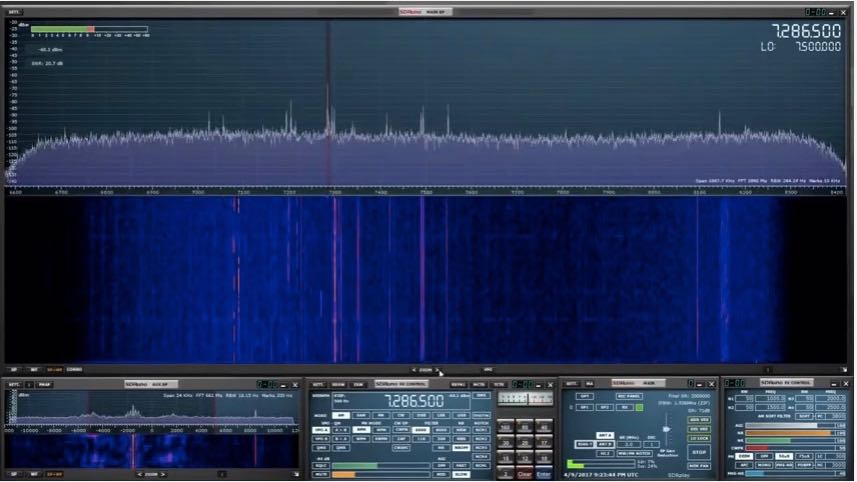
In the past week, I’ve had no less than two readers ask about tutorial resources for SDRuno, and the RSP series software defined radios, so Mike’s message is timely.
So far, Mike has covered the following topics (click link to watch video):
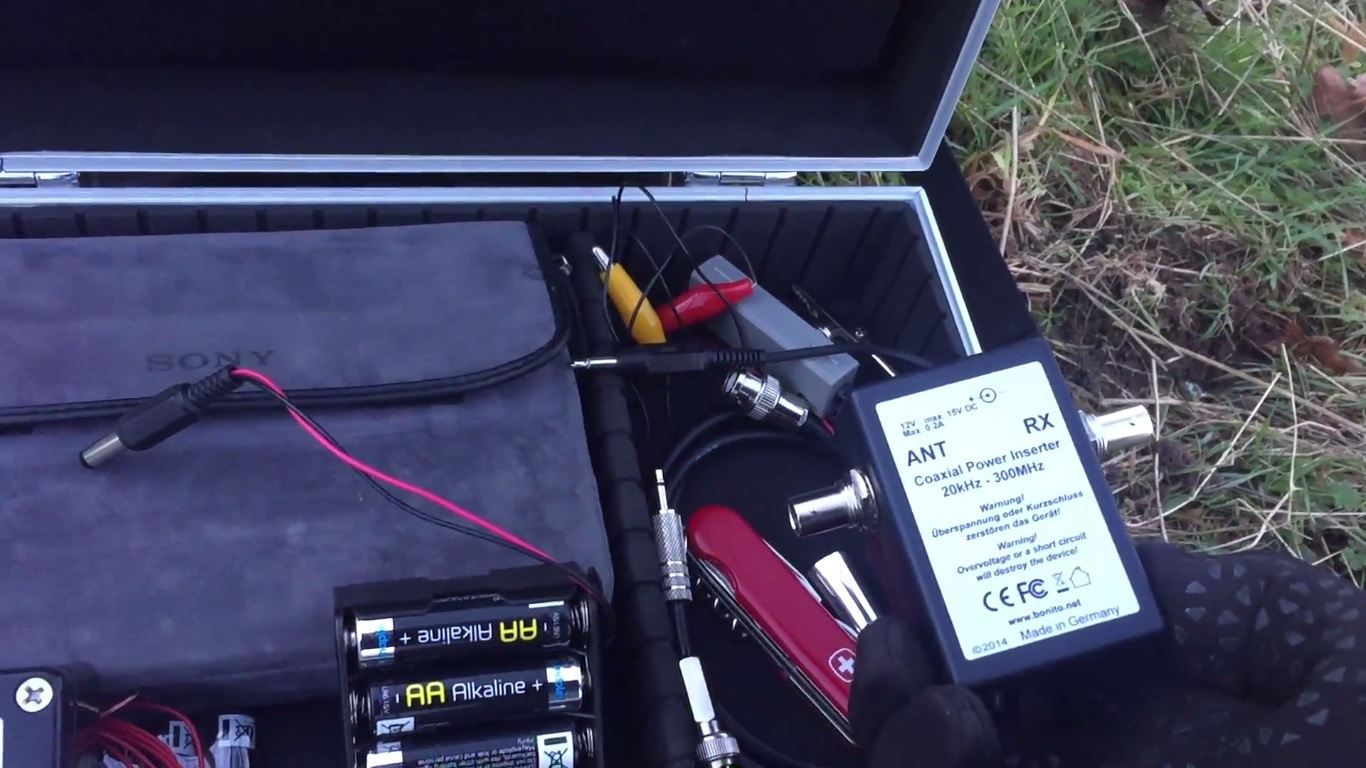
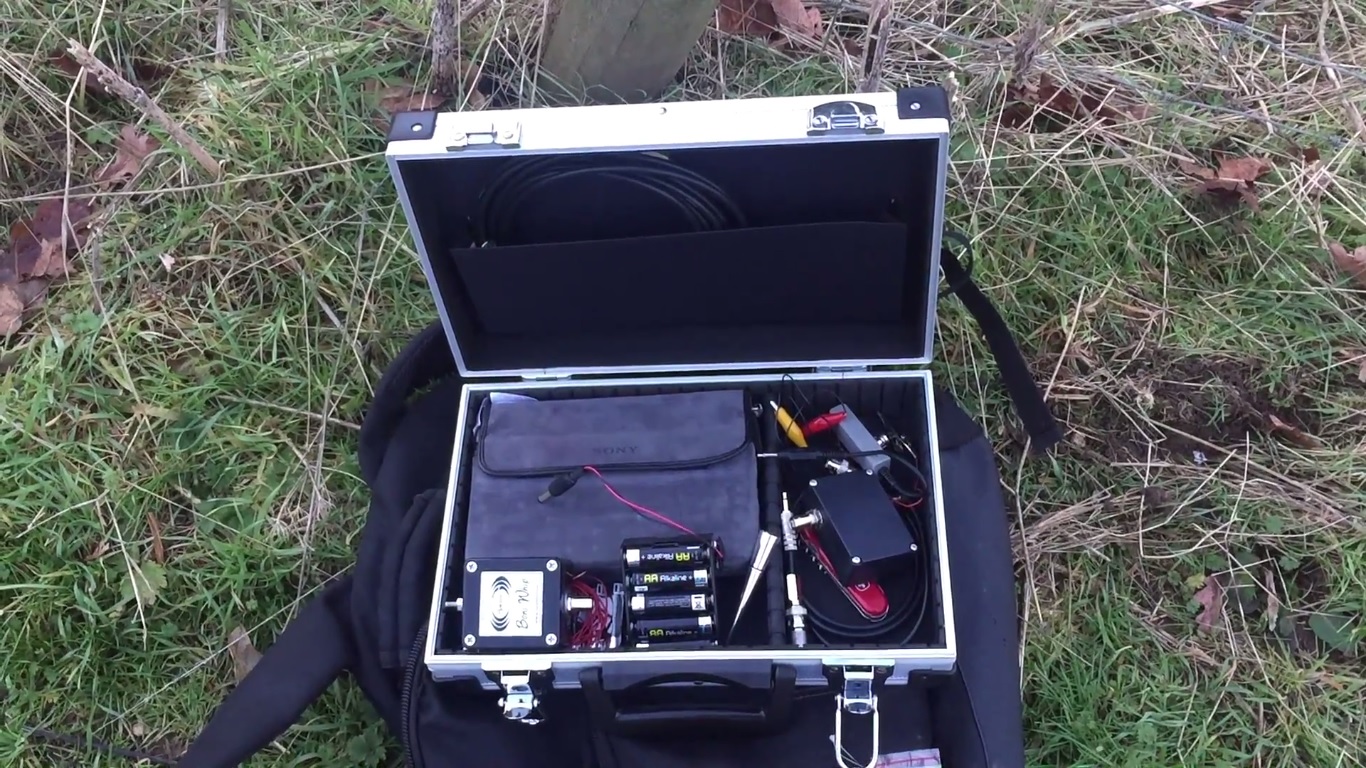
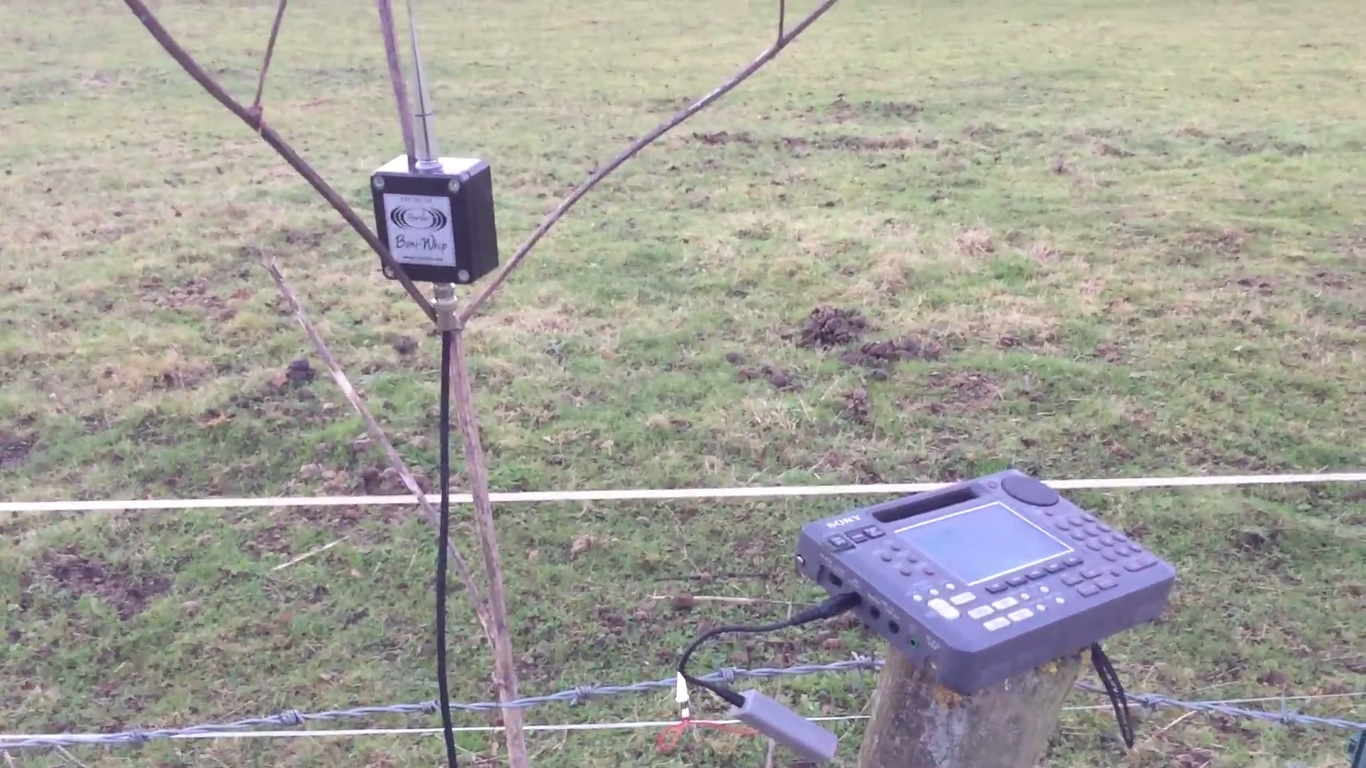
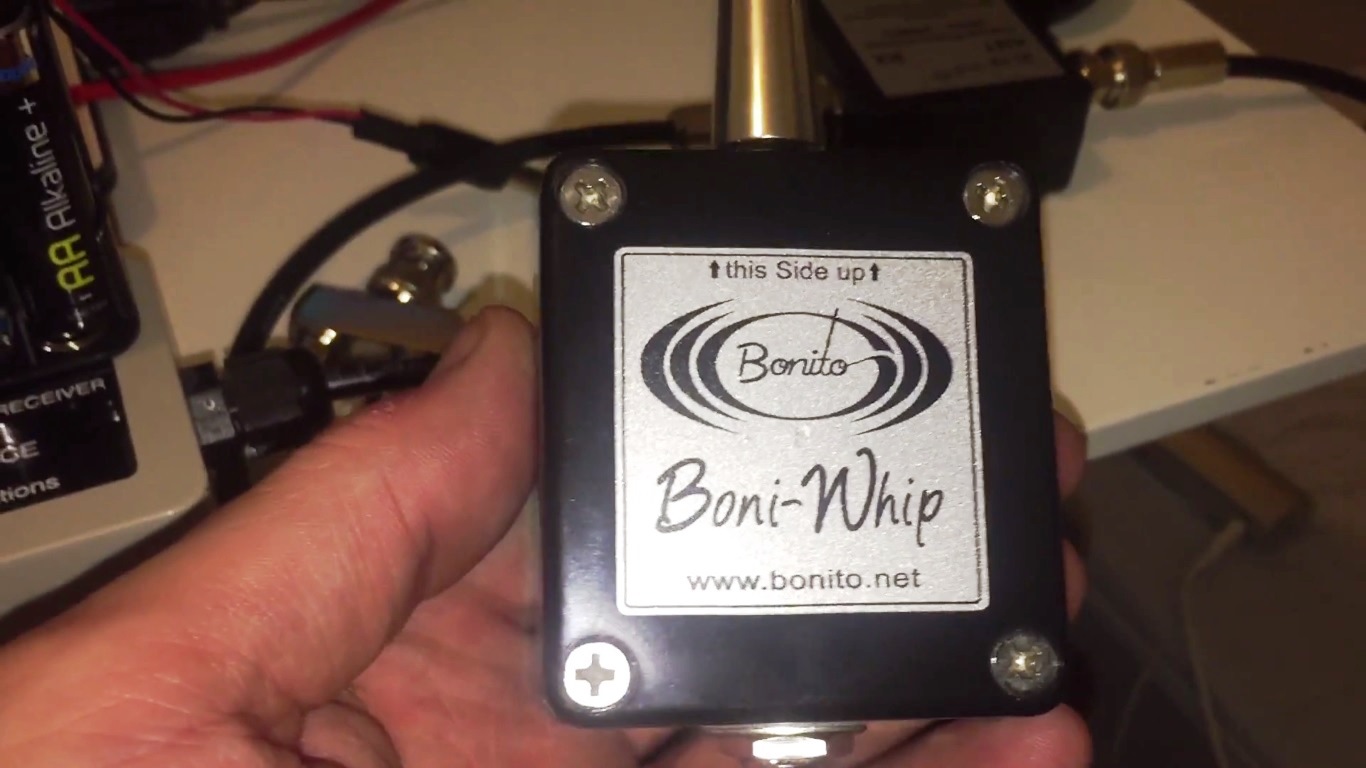
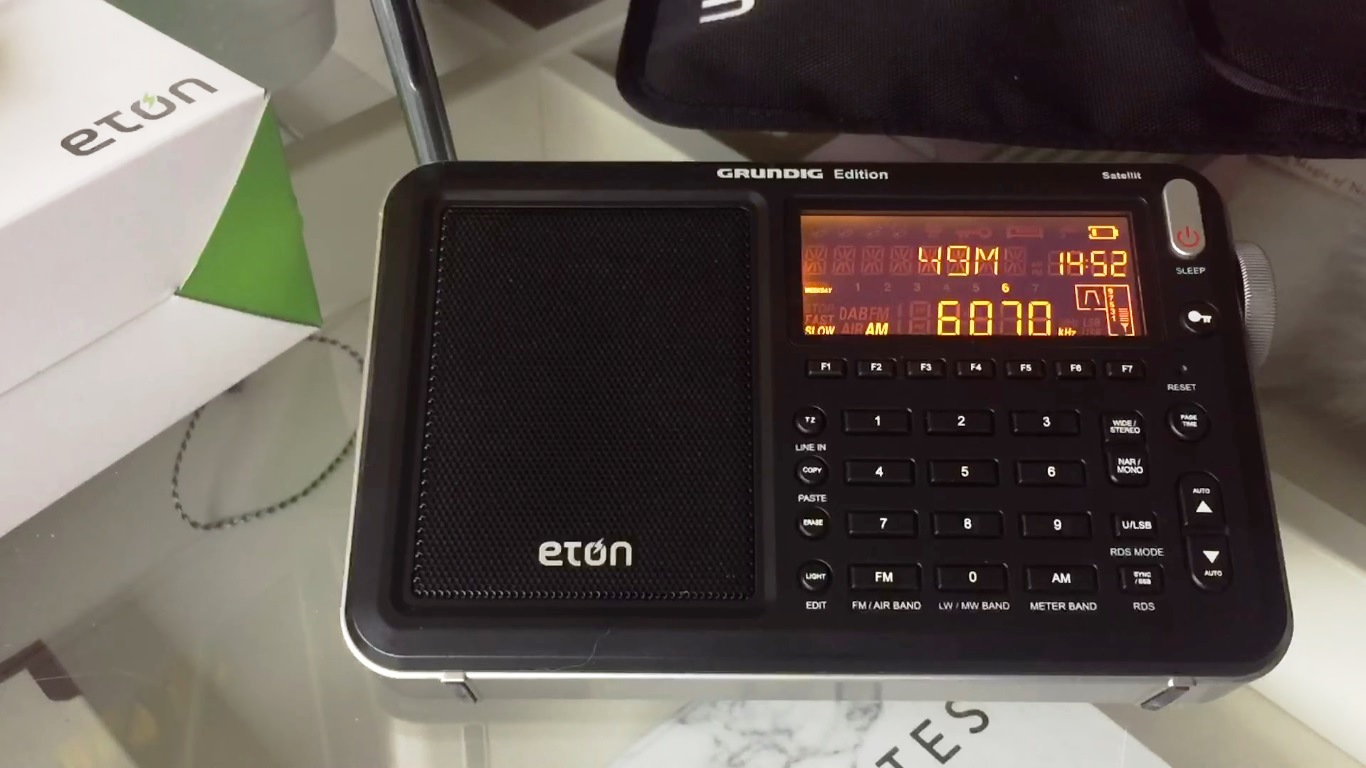
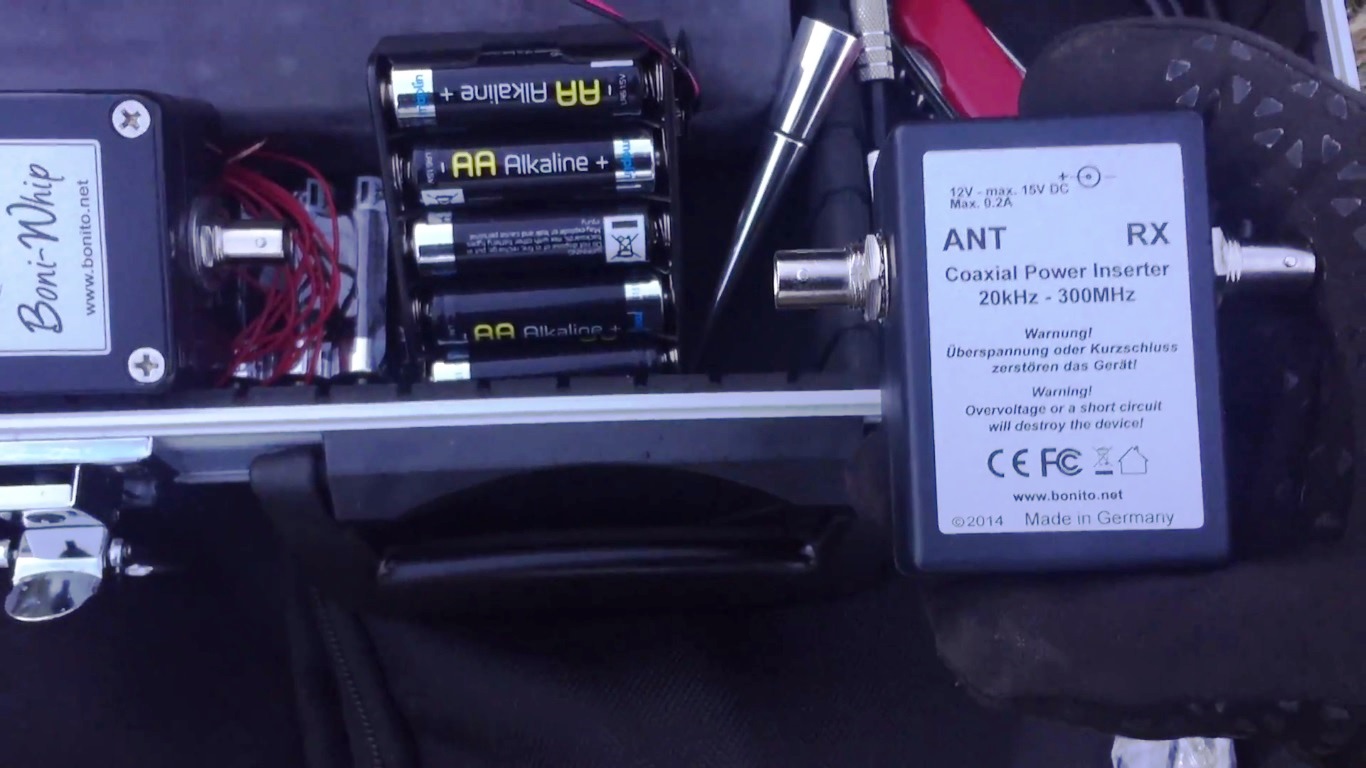
Hi there, subscribers to the Oxford Shortwave Log YouTube channel and regular readers of this excellent website will be aware that I have been using a Bonito Boni whip E-field wideband antenna for a couple of months now. You may have seen my previous post here, detailing some excellent initial DX results achieved with the Boni Whip. What makes this antenna so compelling for a DXer such as myself is simply that it’s so light and compact; I can literally take it anywhere. Currently it lives in a small flight case (see above & below) on the back seat of my car, with either my Sony ICF-SW55 or Eton Satellit, a home-brew battery pack (that literally cost pence) and some peripheral bits and pieces; spare batteries, cables etc. I think it’s probably already clear that if you consider the Boni Whip’s performance as a function of portability and price, it’s out there on its own – I’m not aware of another antenna that can match it. Of course, there are H-field antennas, such as the excellent Wellbrook active loops that will effectively reject QRM, if that’s an issue for the user, but at a significant cost delta.
Since my last posting, I have continued to use the Boni Whip regularly on my DXpeditions and upload the reception videos to my YouTube channel. I have been nothing but totally impressed with this antenna, to the point that I’ve actually been surprised by the signals I’ve caught and recorded with it. Recent catches include a number of low-power stations from Brazil, including Radio Bandeirantes – Sao Paolo, Radio Voz Missionaria – Camboriu (on the 49 and 31 metre broadcast bands) and Radio Aparecida. Some of these signals are incredibly difficult to hear in Europe at all, let alone well and yet the ultra-compact Boni-Whip running off AA batteries, coupled to the (equally brilliant) Eton Satellit managed it with aplomb. Other catches include Zambia NBC Radio 1 – Lusaka and a signal from Bangladesh Betar that sounded as if the transmitter was 5 miles down the road!
All-in-all, I’m extremely satisfied with the performance of the Bonito Boni Whip and highly recommend it to those DXers requiring a high-performance, compact antenna, for use at home in electrically quiet environments or on any DXpedition. You certainly won’t be disappointed.
Please find embedded reception videos below and text links that will take you to the Oxford Shortwave Log YouTube channel. Thanks for reading/watching/listening and I wish you all great DX.
Clint Gouveia is the author of this post and a regular contributor to the SWLing Post. Clint actively publishes videos of his shortwave radio excursions on his YouTube channel: Oxford Shortwave Log. Clint is based in Oxfordshire, England.
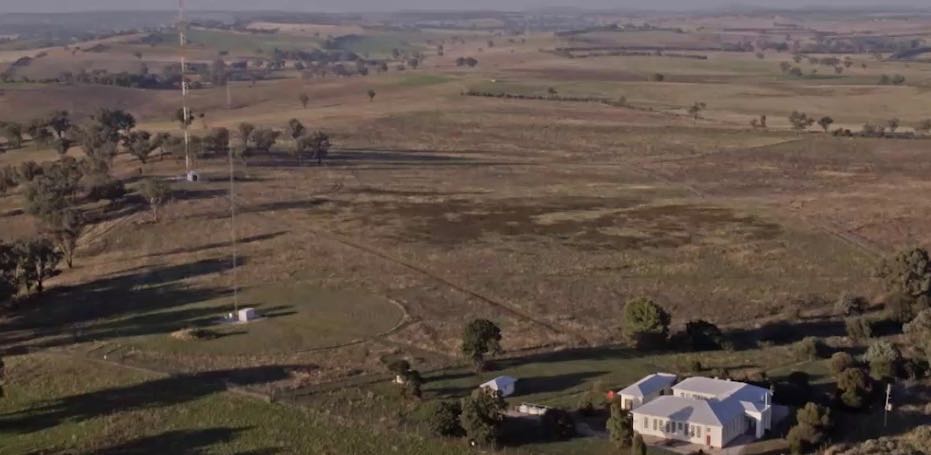
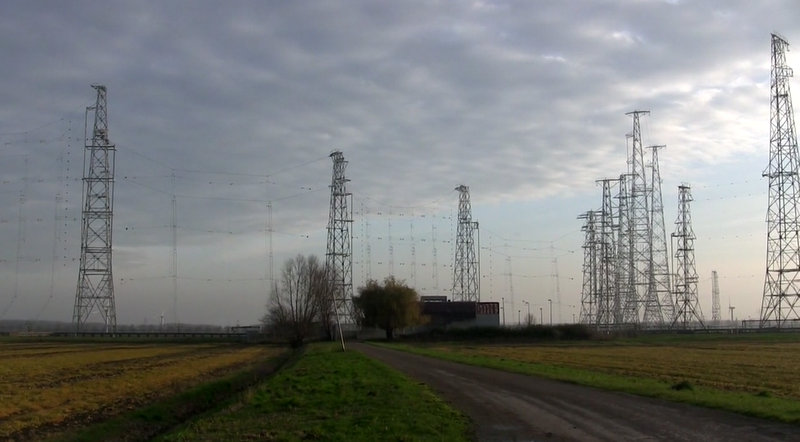
Many thanks to SWLing Post contributor, Dave Porter (G4OYX), who shares a link to this excellent video tour of the ABC Central West radio transmitter in Cumnock, NSW, Australia.
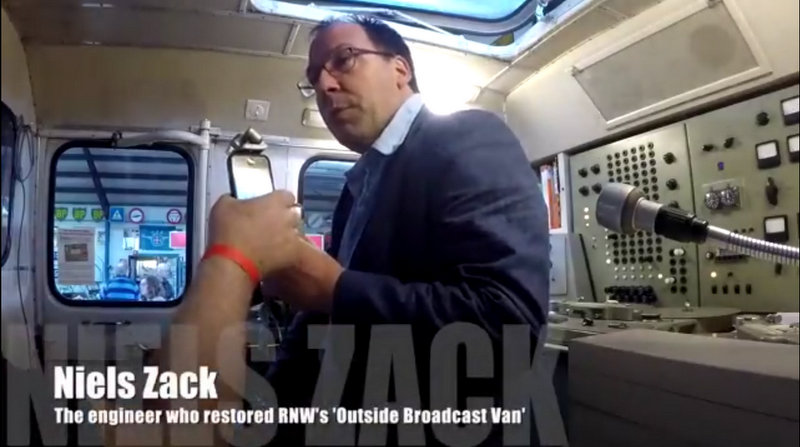
The video includes a tour of the van, the setup used in the 70th anniversary broadcast and an extended interview with Niels Zack, who restored the operations van:
I listened to at least an hour of the Saturday broadcast via the U Twente WebSDR. Sadly, I just discovered the audio dropped about 2 minutes into my recording.
Post readers: Anyone else listen to, record or simply log this anniversary broadcast? Please comment!
Hi there, if you’re a subscriber to the Oxford Shortwave Log YouTube channel, you will be aware that I have been using a Wellbrook ALA1530 H field antenna, for 15 months or so, with (at times) excellent results. A while back I was on the lookout for a second antenna, however at more than £250, I couldn’t justify purchasing a second Wellbrook. Ultimately I splashed out on the Bonito Boni whip E-field wideband active antenna (20 kHz to 300 MHz) and with a very compact form-factor suitable for DXpeditions/portable operation in general, the Boni whip definitely ticked all the boxes. Furthermore, with reasonable second and third order intercept points of +55 and +32.5 dBm respectively, the Boni whip, on paper at least, looked like a pretty good buy at around £100.
Initial testing at home confirmed, perhaps not surprisingly that the Boni whip could not match the SNR provided by the Wellbrook ALA1530 in a noisy, urban environment. However, less predictably, the Boni whip has proven to be a truly excellent antenna away from the ubiquitous blanket of ‘electrosmog’ at my QTH. Furthermore, it really is so compact, I simply leave it in the car in a small flight case, with a portable and connectors etc. for ad-hoc listening sessions. Since returning from my most recent trip to Brazil, I have had a chance to review my most recent catches with the Boni whip, some of which are realy pleasing and most definitely underline the excellent performance of this diminutive antenna. In particular, signals from Radio RB2 on 11935 kHz and Radio Aparecida on 11855 kHz, both low power Brazilian stations, are testament to how sensitive the Boni whip is in an electrically quiet environment. Check out also the quality of longwave signals from Poland and the Czech Republic – simply amazing for such a physically short antenna. Finally, there’s a personal first from Lusaka, Zambia, Voice of Hope Africa on 13680 kHz. All the more rewarding that this was actually copied in my work office!
I hope you found this article interesting. There are embedded reception videos below and text links for all, which will take you directly to the relevant video on the Oxford Shortwave Log YouTube channel. Thank you for reading/watching/listening and I wish you all excellent DX!
Clint Gouveia is the author of this post and a regular contributor to the SWLing Post. Clint actively publishes videos of his shortwave radio excursions on his YouTube channel: Oxford Shortwave Log. Clint is based in Oxfordshire, England.
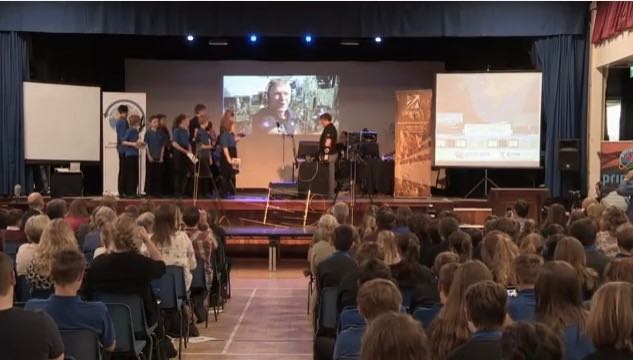
Bob gives a relaxed overview of the RS-BA1 remote control software for the Icom IC-7300. We meet two youngsters with a passion for amateur radio. And Mike and Bob head off to Bristol to spend a day with some very enthusiastic members of the British Amateur Television Club to learn all about digital amateur television.