Category Archives: Shortwave Radio

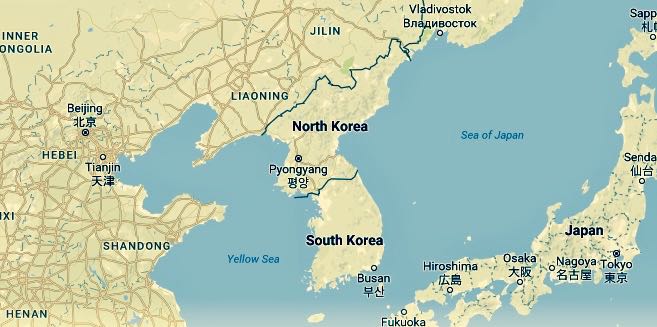
VOK shifts broadcast schedule due to North Korea time zone change

Many thanks to SWLing Post contributor, DanH, who writes:

I put up a couple of videos on my “Willow Slough DX” YouTube channel nine hours ago that may rate at least an Arte Johnson (Laugh-in) “verrry interestink”. These are two videos of the North Korean shortwave station Voice of Korea operating with their new time zone and on their new schedule.

These are the two most recent videos of SW station receptions that I have posted during the last couple of days.

[The first video] is the VOK shortwave sign-on recorded at the newly scheduled time of 04:00, May 5, 2018 UTC on 15180 kHz. Distance: 5600 miles. Receiver: Sangean ATS-909X. Antenna: suburban 83m horizontal loop. Receiver location: Davis, California, USA. North Korea has changed its time zone to match UTC +9 which is used by South Korea. I was accustomed to tuning in Voice of Korea at 38 minutes past the scheduled hour for the English language news. Now I tune in at 8 minutes past the same hour. VOK broadcasts that were scheduled for 04:30 UTC now begin at 04:00 UTC. At the time I write this VOK shortwave programs listed on Short-Wave.info still show the old times:

Click here to view on YouTube.

[The second video] is the VOK shortwave newscast at the new time of 04:08, May 5, 2018 UTC on 15180 kHz. Some interference is heard half way through the clip:

Click here to view on YouTube.

Thanks for sharing this, Dan!  It never crossed my mind that VOK would change their international broadcast time based on the fact they shifted their country’s time zone. From a North Korean perspective, though, I suppose this makes sense. Thanks for the tip!

Click here to check out other recordings on Dan’s YouTube Channel.

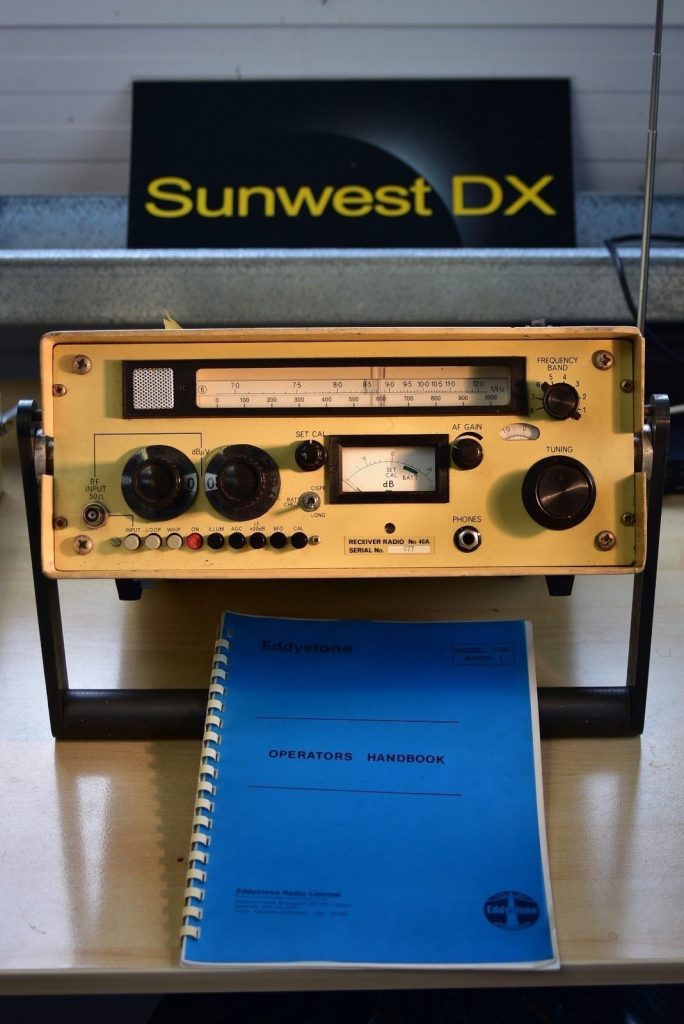
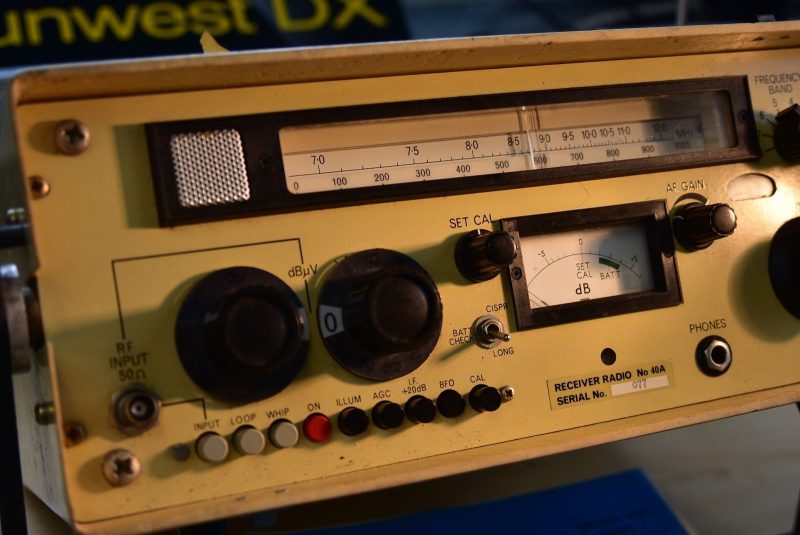
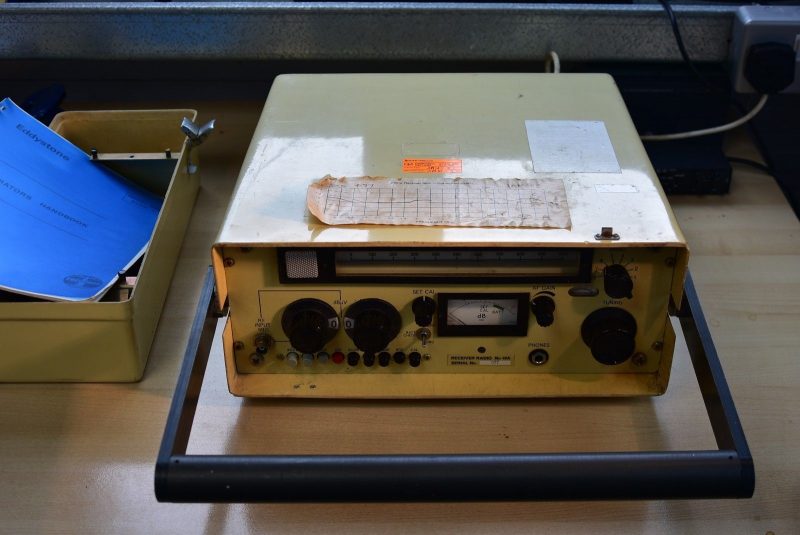
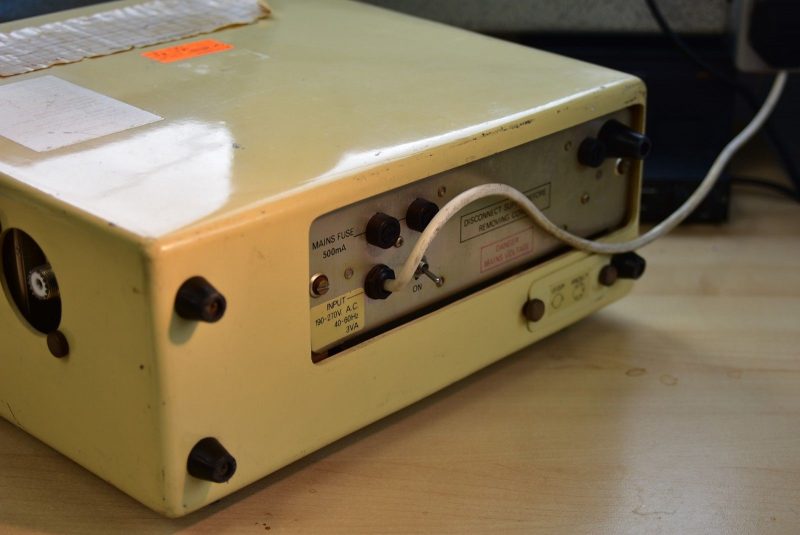
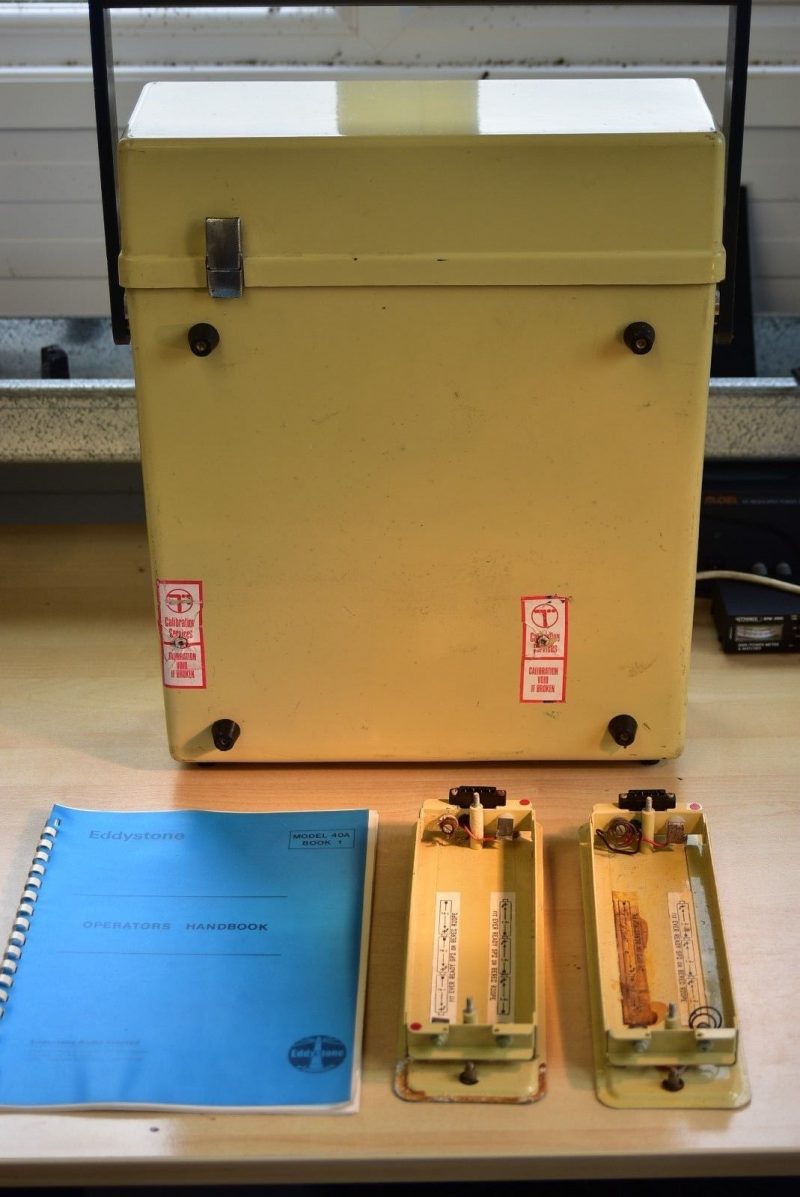
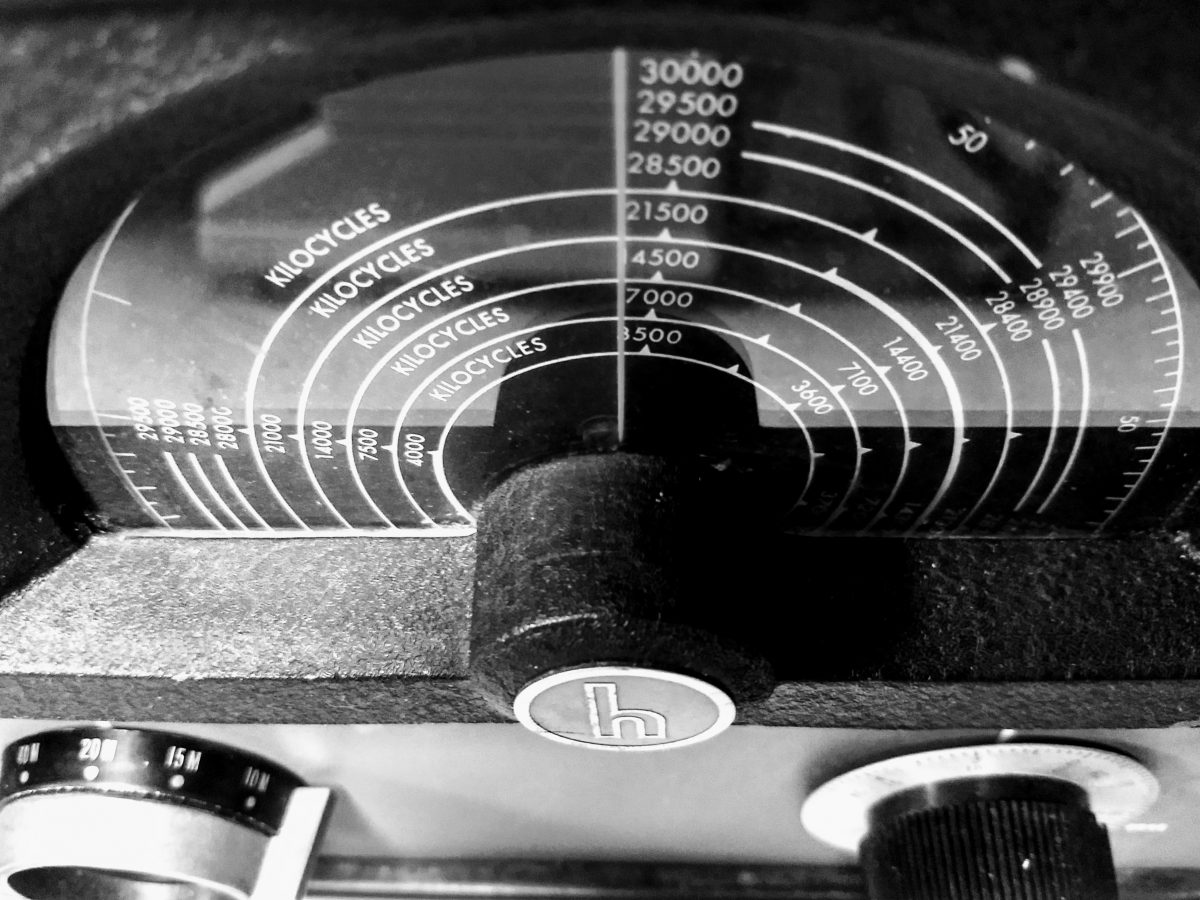
Dan spots a rare Eddystone 40A HF receiver on eBay

Many thanks to SWLing Post contributor, Dan Robinson, who shares a rare Eddystone 40A find on eBay. Dan notes:

What is interesting also about this is the similarity to the Drake SW8 — notably the
carrying handle.

40A s are rarely seen on the used market, and in line with other older Eddystone
equipment, they are built like a tank.

I agree, Dan! This receiver is built like a tank! It would be a seriously fun (though relatively heavy) field radio–I love how even the chassis corners are rounded and the entire radio can be protected for transport. Obviously, these were designed with durability and stability in mind. Great find and thanks for sharing!

Click here to view on eBay.

Sound Designer Ben Burtt Reveals Radio’s Influence in Star Wars films

Today is popularly known as Star Wars Day––and I’m reminded of one of my favorite posts, featuring Star Wars sound designer, Ben Burtt, who to my surprise, contacted me to answer a question I published here on the SWLing Post.  Once again, here it is. Enjoy!  And “May the fourth be with you!”


StarWars-LogoSWLing Post readers may remember a post I published in which I believed I’d identified a familiar shortwave time signal station in the Battle of Hoth scene from The Empire Strikes Back.

To recap, here’s the scene in The Empire Strikes back–listen carefully:

Now listen to the recording of Canadian Time Station CHU I made recently–note the tone and duration of the data pips:

Upon hearing this, I went so far as to muse that the Star Wars sound designer might be a radio listener. I asked our readers if anyone could confirm this–?

Well, we’ve got our answer!  I’m truly indebted to an SWLing Post reader who passed my post along to his friend, Ben, who could provide this definitive response:

“This is Ben Burtt, sound designer of the Star Wars films. A friend sent me a link to this blog thinking I would like to comment.

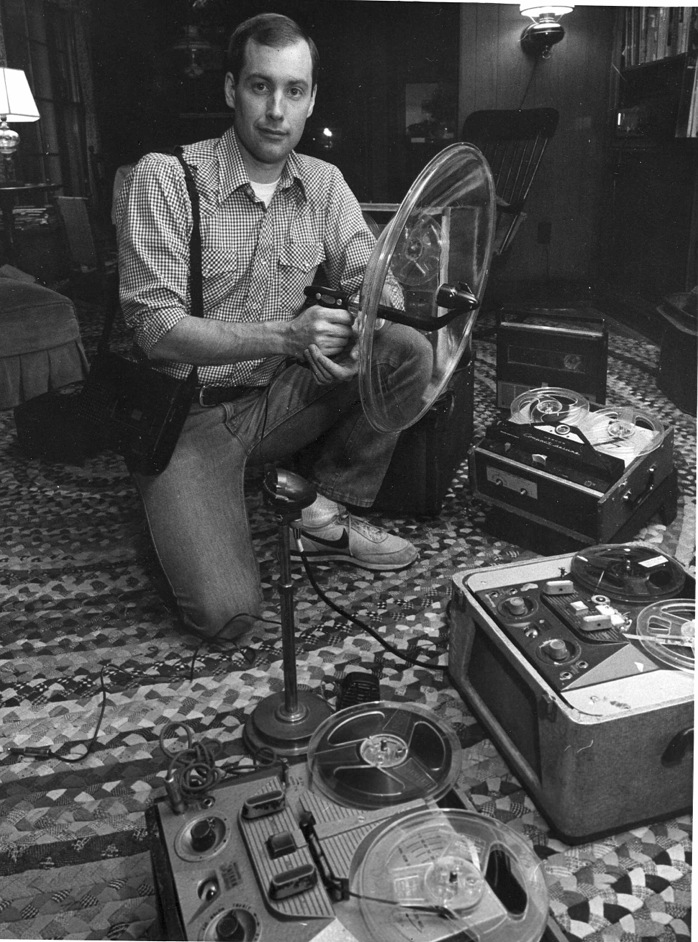
Ben and old recorders

Ben Burtt with his recording gear, circa 1980. The mike on the stand at Ben’s feet is one from his grandfather’s ham radio station in the 1950s, or possibly earlier.

“The answer is yes, I have always been a ham radio enthusiast.”

“My grandfather, Harold Burtt, operated W8CD out of his home in Columbus, Ohio 1930s-1960s. I was enthralled as a kid listening to the sounds on his receiver. I heard alien worlds and cosmic ‘voices.’

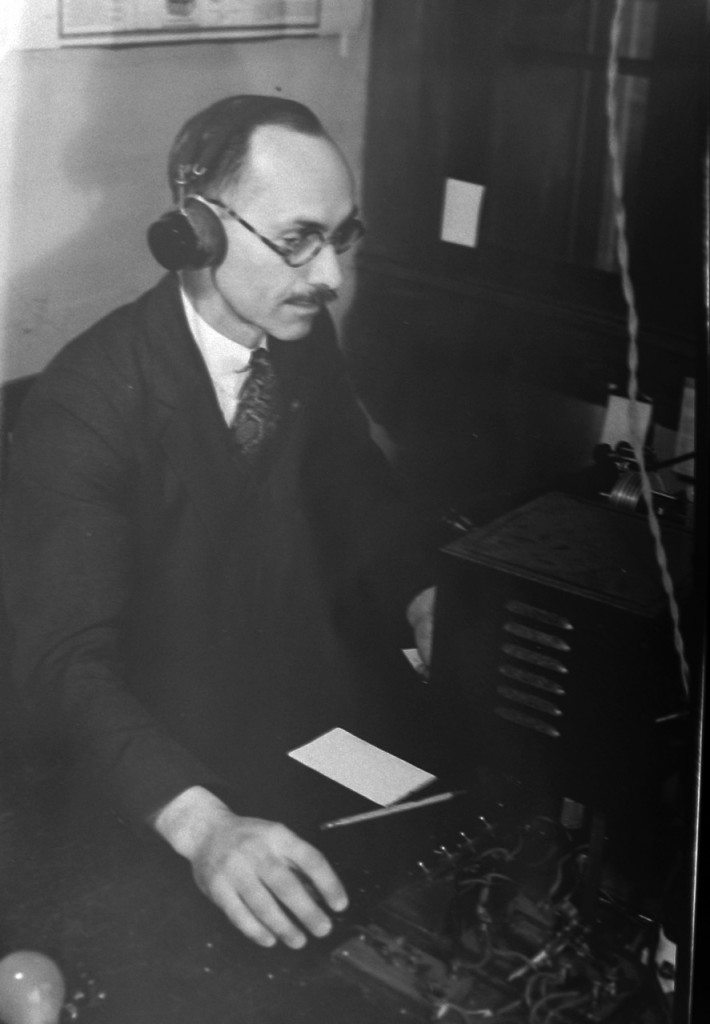
Harold Burtt, (Chairman of the Psychology Dept Ohio State) with his attic gear approximately 1935

Harold Burtt, W8CD. (Chairman of the Psychology Dept Ohio State) with his attic gear,  approximately 1935

“So not only did I record his radio, but continued to do so on the Star Wars series and Star Trek as well.

My memory of the Hoth transmission was that it was WWV but it could have been CHU since I was recording all that interested me on the dial.”

Terrific! Thank you, Ben, for taking the time to respond. As I said, you’ve certainly started off this radio enthusiast’s year on the right wavelength…no doubt some of our readers will agree.

Indeed, the powerful sonic experience of the Star Wars and Star Trek films has, in my estimation, helped shape many of us into the radio/sound enthusiasts we’ve become–myself certainly included. Thank you, Ben, for this!  You’ve sharpened my ear to a greater appreciation of sound, especially filmic sound, and your work in particular.    

For readers who are less familiar with Ben Burtt’s work, check out his Wikipedia page and IMDB profile–you’ll find he’s been the sound designer on numerous influential films including the recently released Star Wars: The Force Awakens.

A special thanks to Ben Burtt for sharing these wonderful photos and kindly giving me permission to use them here on the SWLing Post.  I must say, considering my love of radio in the thirties, I especially like that photo of Harold Burtt (W8CD) in his shack.

Don’t buy into the doom-and-gloom: Low sunspots are not the end of DXing!

In response to the spaceweather.com article about a lack of sunspots I posted yesterday, SWLing Post contributor, Rob Wagner (VK3BVW), replies:

Oh Thomas! Really?
It’s not all doom-and-gloom, you know! The low-frequency part of the SW spectrum is proving very good value at the moment. And the mediumwave guys are telling me that there’s plenty of DX to be had in that part of the RF spectrum.
And yesterday, I had some FT8 success!
From southeastern Australia on a dipole with 5w getting into Plymouth, Minnesota on 14mHz in the mid-afternoon here. Not bad at all for the bottom of the sunspot cycle!

Ha ha! Thanks for your reply, Rob! Honestly, I wasn’t trying to spread doom-and-gloom, rather I was pointing out how low this sunspot cycle has gone. (Okay, so perhaps I was also shaking my fist at our local star!)

I completely agree with you Rob. It’s not all doom-and-gloom! Here are a few strategies for working DX during sunspot lows:

Go low!
Sunspots really enhance propagation on the higher HF bands:  especially 17 meters and higher. Without supspots, you’re not going to reliably snag serious DX on 10 meters, for example–there will be the occasional opening, but it might not last long. During sunspot cycle peaks, the higher bands provide outstanding DX opportunities even with a modest setup.

During one peak, I’ll never forget sitting in my car in North Carolina, with a RadioShack 10 meter mobile radio connected to a mag mount antenna, and having a three way chat with a ham in Sandiego, CA and one in Glasgow, Scotland.

With that said, even this year I’ve snagged some excellent DX on 17 meters (my favorite HF band). And, as you point out Rob, 20 meters is a great band for snagging serious DX even with no sunspots giving you a boost.

Openings between the US and Australia happen routinely on the 40 meter band as well, although some of us might have to wake up early or go to bed late to participate.

Of course all of this same advice applies for SWLing. Most of the DX I snag these days is found on the 25 meter band and lower. I’ve also been using this opportunity to explore Mediumwave DXing.

Digital Modes
Kim Elliott and I had an exchange about this yesterday on Twitter. Some digital modes are so robust they seem to work regardless of propagation.

Kim knows this well as he receives reception reports from Shortwave Radiogram listeners across the globe each week.

If you’re a ham radio operator, I strongly encourage you to check out the latest “weak signal” digital modes: JT65 and, especially, FT8.
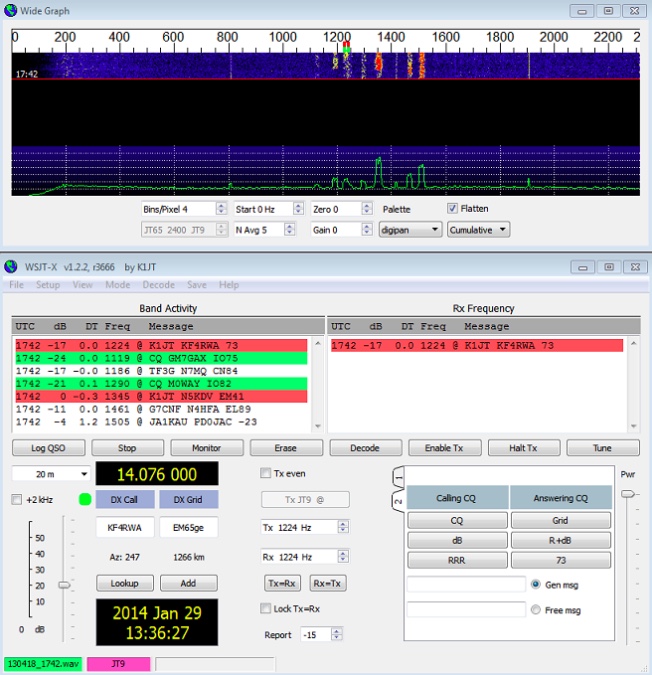
In fact, SWLing Post contributor, Robert Gulley (AK3Q), wrote an excellent introduction to these modes in the June 2017 issue of The Spectrum Monitor magazine.

Robert and I talk about the FT8 mode frequently. Since I discovered this mode at the 2017 W4DXCC conference, I’ve been hooked. Sure–it lacks the nuances of phone and CW, but it’s incredibly fun to watch my flea-powered signal acknowledged by someone on the other side of the planet with a flea-powered signal.

As Robert will tell you, FT8 seems to defy propagation theory. I agree wholeheartedly.

I’ve worked some of my best DX with this mode during the sunspot low and have never used more than 15 watts out of my Elecraft KX3 and KX2.

Don’t give up!
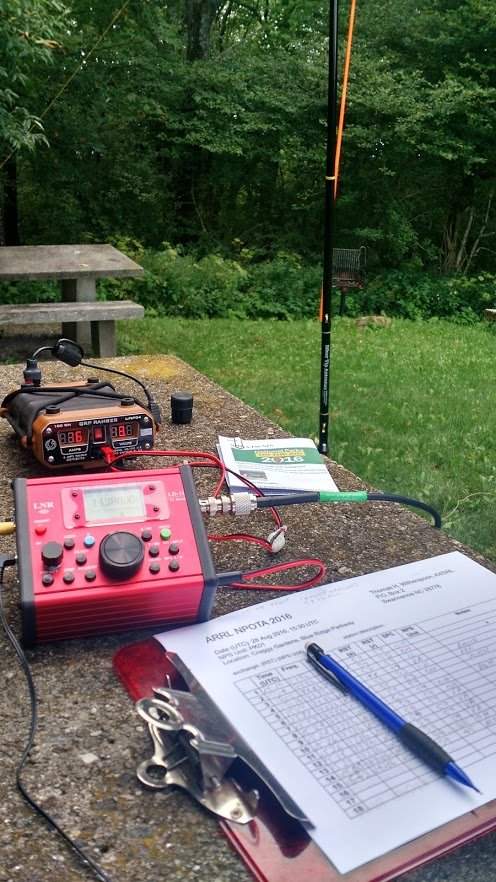
Although propagation was poor, I worked more stations during National Parks On The Air than I had worked the entire time I’ve been a ham radio operator. All in the field with modest portable antennas and 15 watts or less.

Use the sunspot low as an excuse to explore frequencies and modes you’ve never used before. Use this as an opportunity to improve your listening skills and the most important part of your listening post or ham station–your antenna system!

I regularly get email from people who’ve found the SWLing Post and take the time to write a message to me complaining about the death of shortwave radio: the lack of broadcasters, the prevalence of radio interference and the crummy propagation.

My reply?

“Hey…sounds like radio’s not your thing!”

While this same person is moaning and complaining, I’ll be on the radio logging South American, Asian and African broadcast stations.

I’ll be working DX with QRP power, even though everyone tells me that’s not possible right now.

I’ll be improving my skill set and trying new aspects of our vast radio world.

You see: I’ve learned that the complainers aren’t actually on the air. They gave up many moons ago because someone told them it wasn’t worth it, or they simply lost interest. That’s okay…but why waste time complaining? Go find something else that lights your fire!

While these folks are complaining, I’ll be on the air doing all of the things they tell me I can’t do.

Rob, thanks for your comment!

Sunspots are in short supply (and it’s only getting worse)

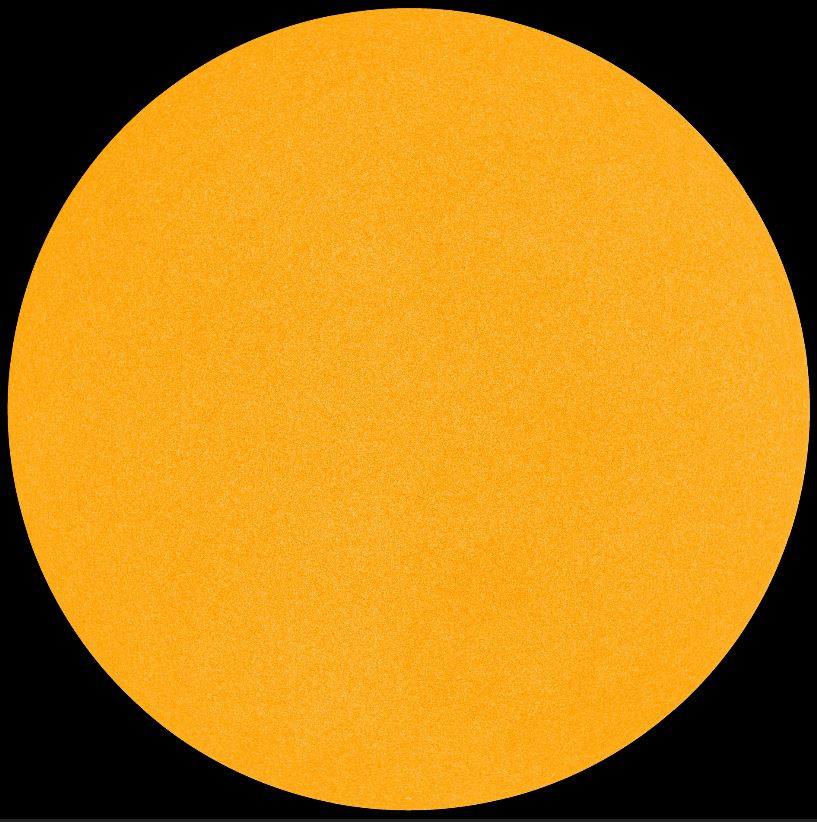
Not a sunspot to be found. (Credit: SDO/HMI via Spaceweather.com)

Unfortunately, this is not news to brighten your day. According to Spaceweather.com, sunspots are disappearing faster than expected:

Sunspots are becoming scarce. Very scarce. So far in 2018 the sun has been blank almost 60% of the time, with whole weeks going by without sunspots. Today’s sun, shown here in an image [above] from NASA’s Solar Dynamics Observatory, is typical of the featureless solar disk.

The fact that sunspots are vanishing comes as no surprise. Forecasters have been saying for years that this would happen as the current solar cycle (“solar cycle 24”) comes to an end. The surprise is how fast.

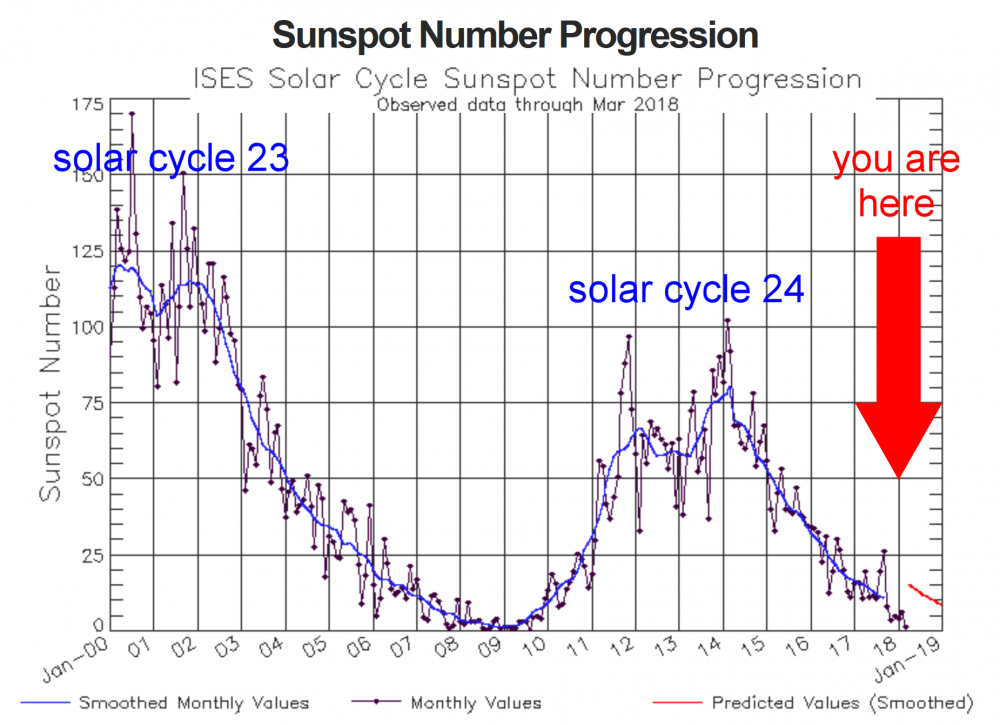
“Solar cycle 24 is declining more quickly than forecast,” stated NOAA’s Space Weather Prediction Center on April 26th. This plot shows observed sunspot numbers in blue vs. the official forecast in red:

“The smoothed, predicted sunspot number for April-May 2018 is about 15,” says NOAA. “However, the actual monthly values have been lower.”

Continue reading the full story at Spaceweather.com.

I will be very happy to see sunspot numbers rise again–they eventually will, of course. I’ve almost forgotten what a proper band opening feels like.

South African Antique Wireless Association Valve QSO Party on May 6, 2018

(Source: Southgate ARC)

Antique Wireless Association Valve QSO Party

The AWA Valve QSO Party is a phone contest held over two sessions on Saturday 5 and Sunday 6 May 2018.

On Saturday afternoon the AM session will be on the air from 13:00 to 17:00 UTC and on Sunday the SSB session will run from 13:00 to 17:00 UTC.

Activity on both days takes place on 40 metres between 7 063 and 7 100 kHz and on 80 metres between 3 603 and 3650 kHz with your call sign a RS report, a consecutive serial number starting at 001 and the type of radio used, e.g. HT37 Tx as the exchange.

Log sheets must be submitted by 25 May by e-mail to [email protected] or by mail to the Antique Wireless Association of Southern Africa, PO Box 12320, Benoryn, 1504.

Certificates will be awarded to the first three places in each category (AM/SSB). Please consult the 2018 SARL Contest Manual for all the information.

The South African Radio League

Everyday Carry: My EDC packs and radio kit

SWLing Post contributor, Matt, writes:

Thomas: I know you’re a self-proclaimed pack geek and so am I! You published a photo of your EDC pouch in a post last year. Just a teaser really! What is that pouch and I assume you have a larger carry bag as well? Can you provide more details? I’m ever revising and honing my own EDC pack. Any details would be appreciated.

Thanks for your question Matt!  Besides radio, you’re bringing up on one of my favorite topics: packs! You may regret having asked me!

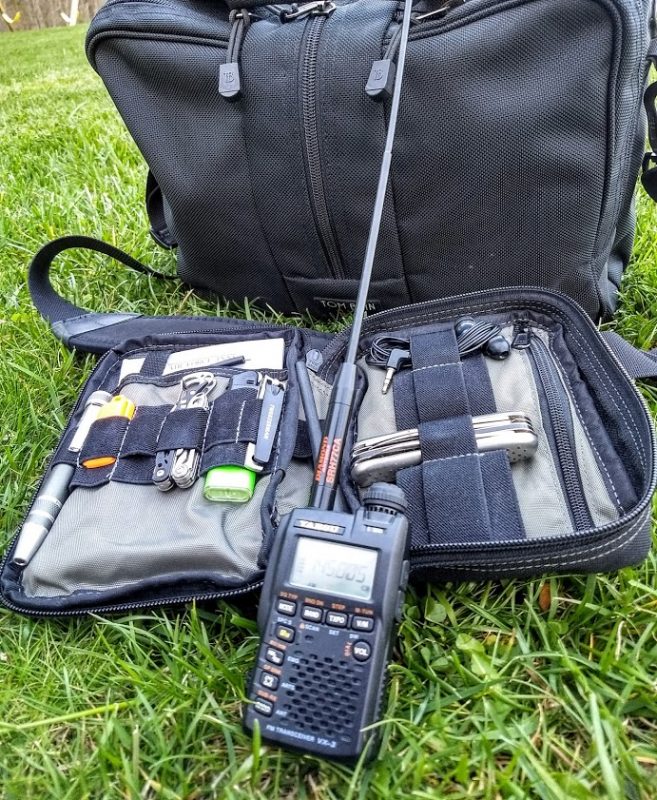
Yesterday evening, I snapped a few photos of my EDC (Everyday Carry) bag and the pouch you’re referring to. Your inquiry is prompting me to consider publishing a more detailed look at my EDC gear–especially since radio is such an important part of it.

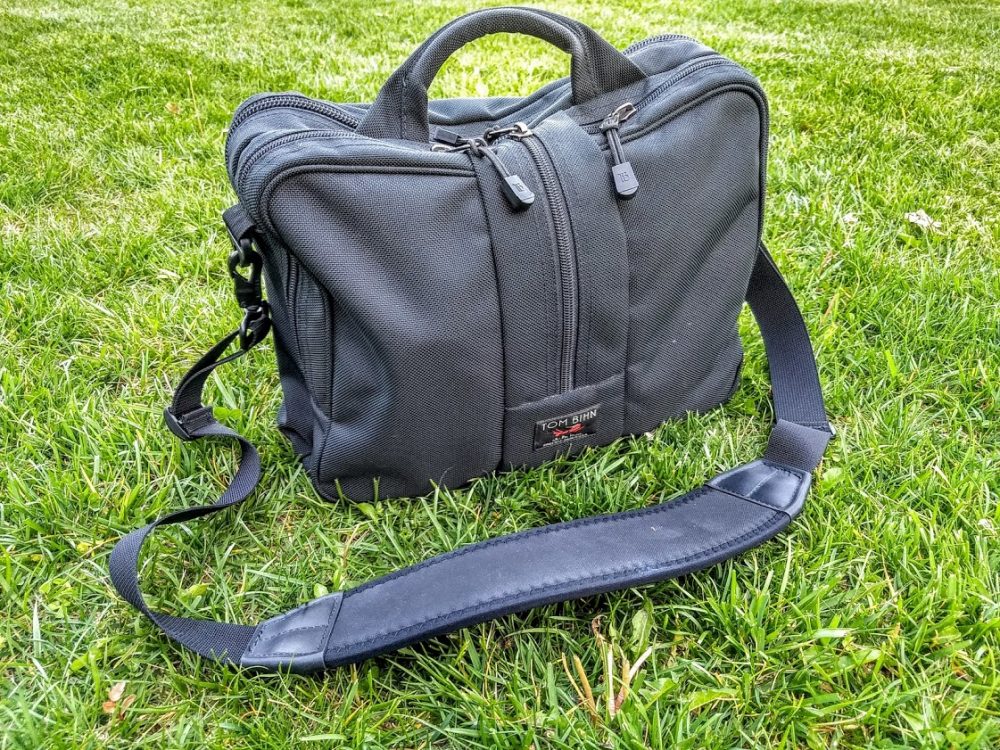
I do carry a larger EDC bag at all times. Typically, this is the Tom Bihn Pilot:

For years, I carried a Timbuk2 messenger bag, but it didn’t have the type of organization I prefer in an EDC bag. My EDC bag must be rugged, water resistant and accommodate my 13″ MacBook Air while still having enough depth to comfortably fit the rest of my gear.

I’ve been using the Tom Bihn Pilot for almost a year and have been very pleased. The Pilot is an investment to be sure, but (like Red Oxx) Tom Bihn construction quality is superb and comes with a lifetime warranty.

It’s amazing how much gear will comfortably fit inside without making the bag bulge. The Pilot also has a dedicated water bottle pocket in the middle of the front panel. While I do carry water, it primarily houses my never-leave-home-without-it Zojirushi Stainless Steel Mug (affiliate link) which is filled with piping hot dark roasted coffee!

I also use the water bottle pocket to hold full-sized handled VHF/UHF radios. It accommodates either my Kenwood TH-F6, Yaesu FT2D, or Anytone AT-D868UV perfectly. Indeed, all of the front pockets will accommodate an HT since the zippers terminate at the top of the bag. Long antennas can easily poke out while the zipper still seals 99% of the opening.

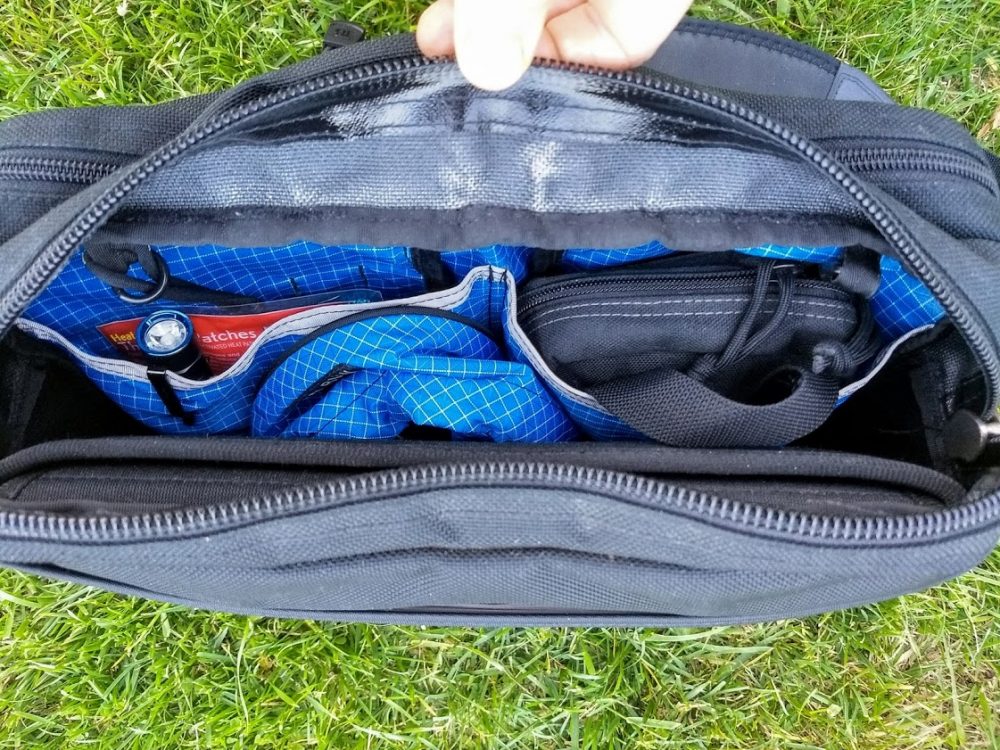
The Pilot has one main compartment that houses my 13″ MacBook Air laptop.

The Pilot laptop compartment is spacious and has two built-in pockets opposite the laptop sleeve: one of these pockets (the one on the right in the photo above) holds my EDC pouch, the other holds first aid supplies, an Olight SR1 flashlight and Nitecore LA10 latern (affiliate link). My laptop is in a TSA-friendly Tom Bihn Cache.

While the Tom Bihn Pilot is the bag I use most days, also use a Red Oxx Micro Manager and–when I need 25 liters of capacity–the Tom Bihn Synapse 25.

I pack most of my EDC gear in pouches, so moving from one bag to another takes me all of one minute.

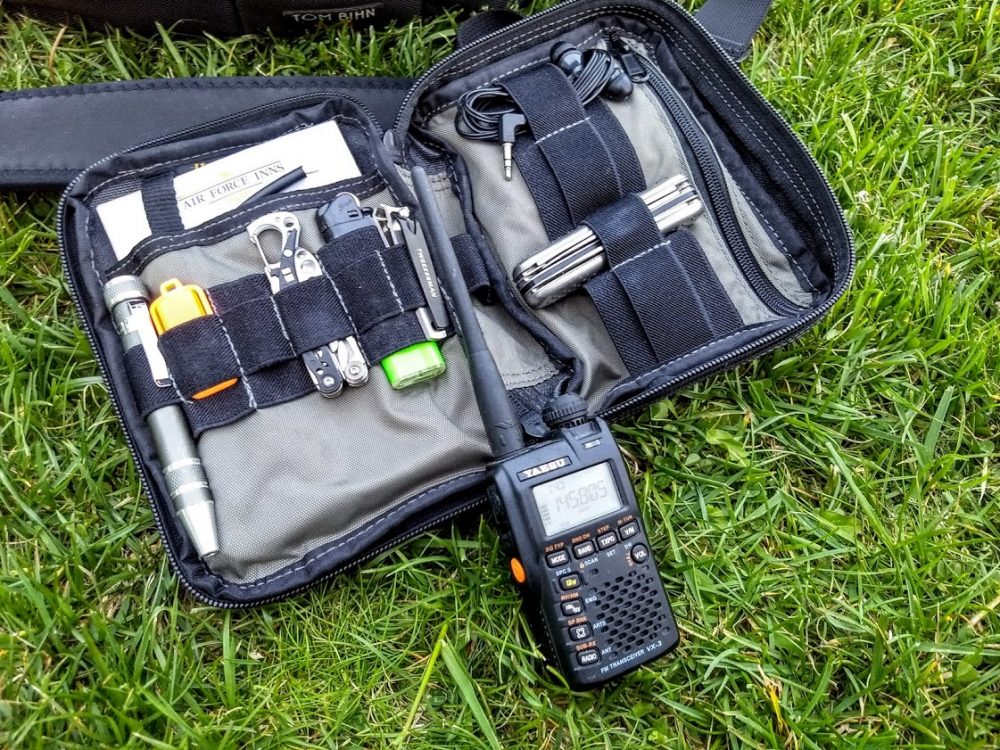
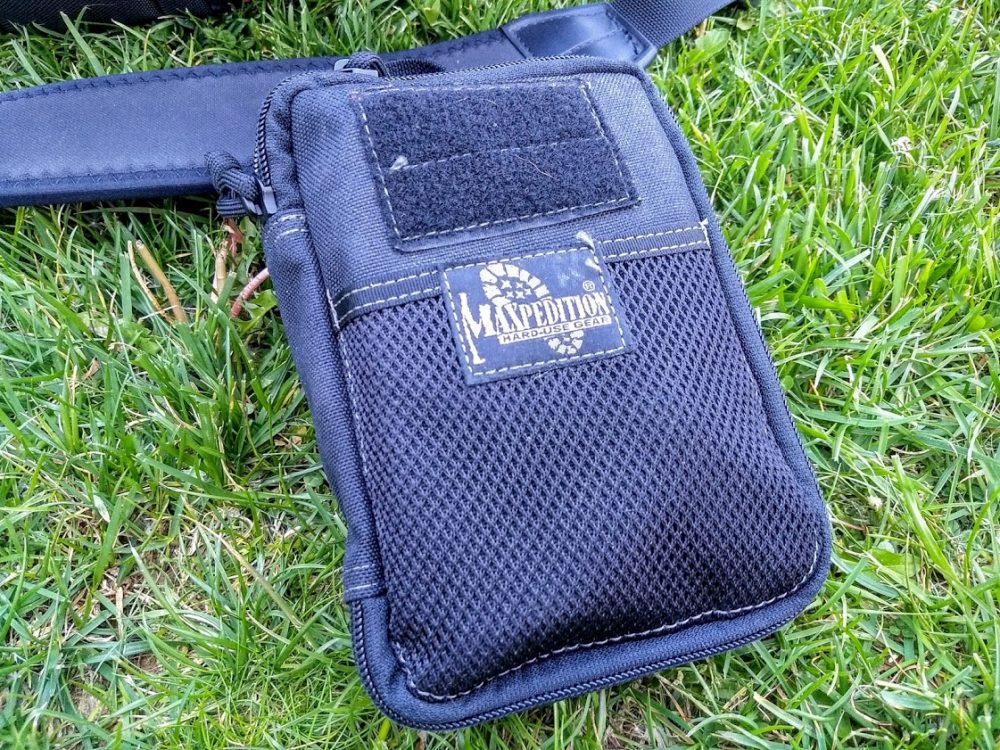
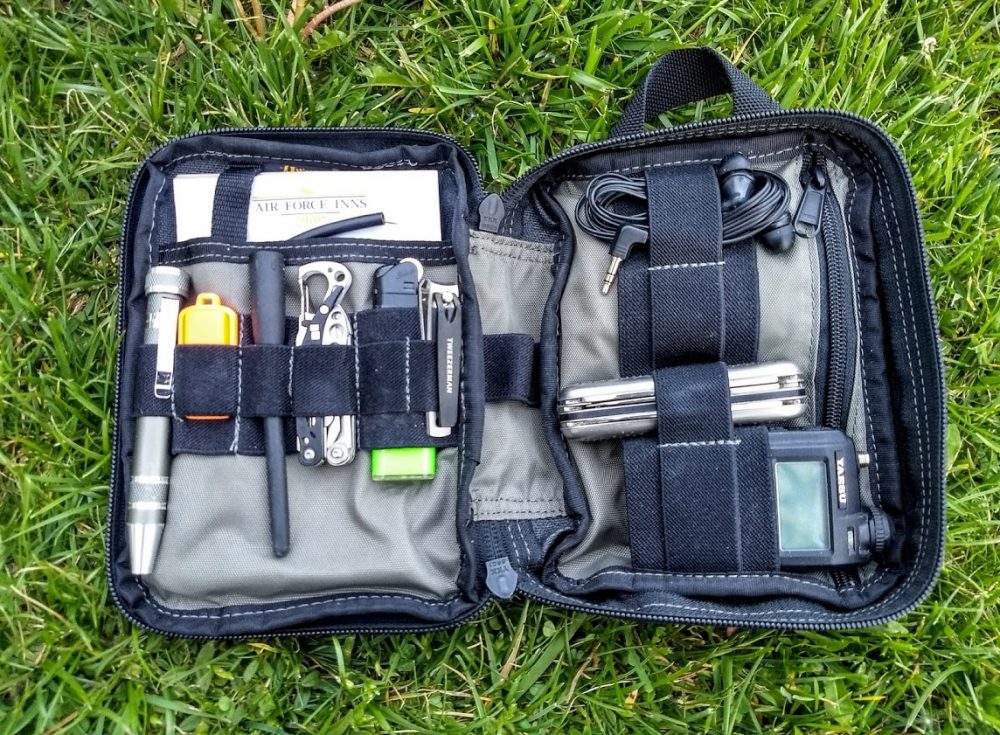
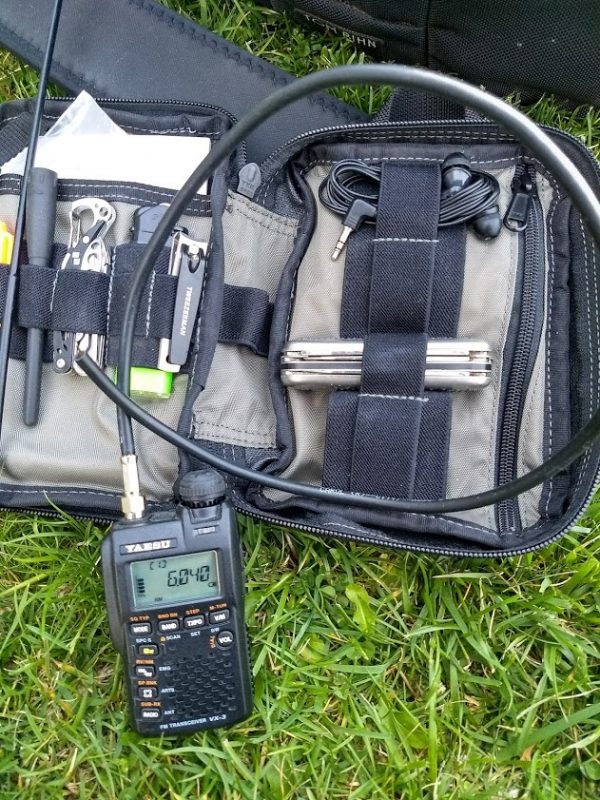
My EDC pouch is the Maxpedition Fatty Pocket Organizer (affiliate link). I love this pouch because it’s incredibly durable, affordable and opens like a clam shell to lay flat.

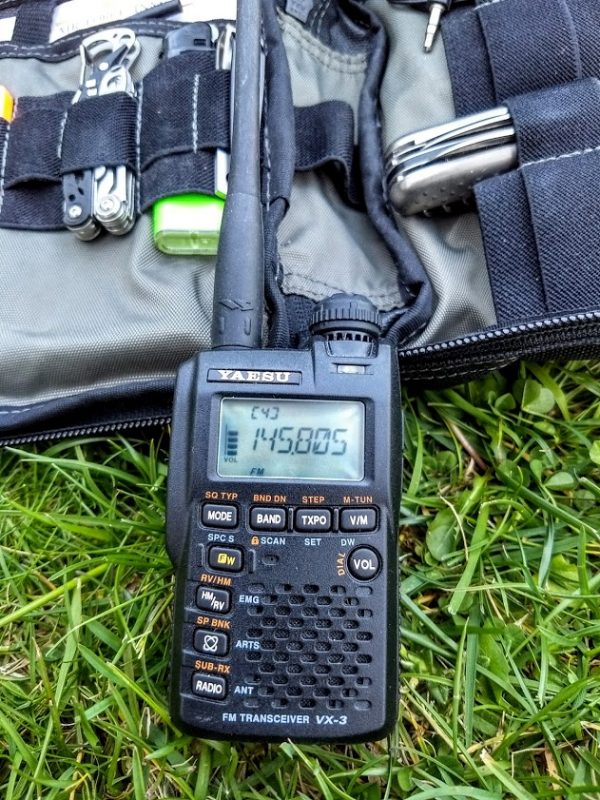
Everything has its place. Not only does it hold my Yaesu VX-3R handheld, but also a multi-function knife, a Leatherman Style PS tool, clippers, earphones, multi-bit screwdriver, USB stick, notepad, spare VX-3R battery, a mini first aid kit, titanium spork, and much more! Someday I’ll pull the whole thing apart and note each item.

Why do I choose the Yaesu VX-3R? First of all, it’s compact. This HT is so small it’ll tuck away anywhere. Not only is it dual band, but it’ll also receive the AM broadcast band (even has a little ferrite bar inside), the shortwave bands, and the FM broadcast band.

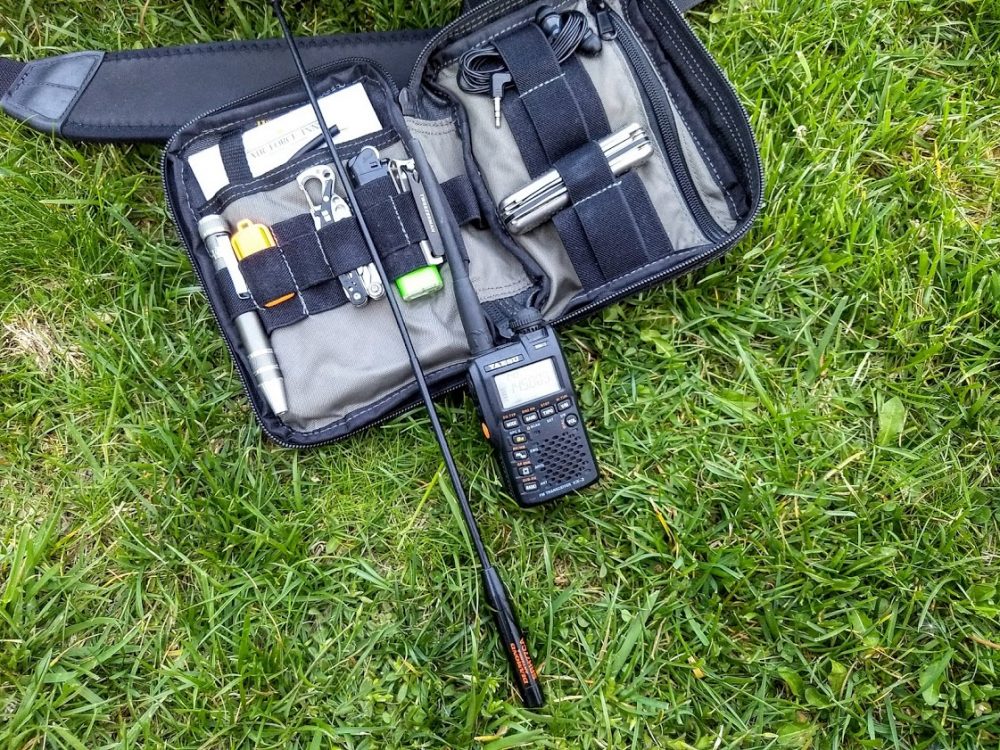
The mini rubber duck antenna will work in a pinch, but I also carry a flexible Diamond SRH77CA in the floor of the Tom Bihn Pilot’s main compartment.

When I attach the Diamond antenna, it significantly increases the VX-3R’s capabilities.

While the VX-3R does cover the HF bands, don’t expect amazing performance. Selectivity is poor, but sensitivity is adequate. For a shortwave antenna, I carry a short length of coax: one end is terminated with an SMA connector, the other has the center conductor exposed.

I also carry a short alligator clip cable which I clip to the exposed center conductor and then to a length of wire. The end result is a very cheap, flexible and effective portable HF antenna!

Someday, I’ll take everything out of my EDC pack, inventory the contents and publish a post about it. Somehow, that’ll please my inner pack geek! I’m overdue a review of the Tom Bihn PIlot and Synapse 25.

Post readers: Do you have an EDC pack built around a radio? Please comment and include links to your favorite gear!