Shortwave listening and everything radio including reviews, broadcasting, ham radio, field operation, DXing, maker kits, travel, emergency gear, events, and more
Two YouTube videos just crossed my path which sparked the question.
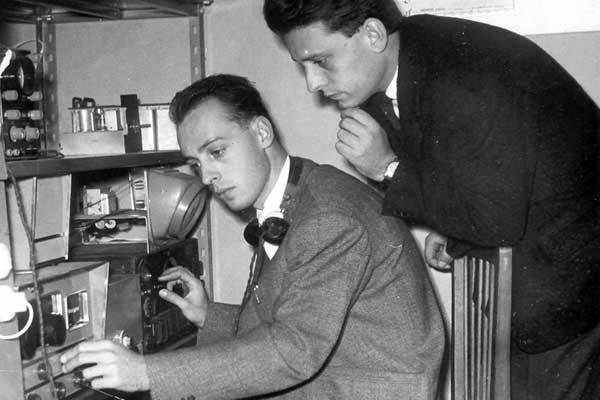
The brothers allegedly recorded transmissions from failed Russian Manned Space flights before the successful flight of Yuri Gagarin. I remember reading about these when I was growing up. The second video contains a snippet of a voice recording from a supposed female cosmonaut as she reports rising cockpit temperatures before she died.
Do you miss Ian McFarland on Radio Canada International?
Yeah, me too.
That’s why I’m always pleased to receive off air recordings from Shortwave Radio Audio Archive contributor, Tom Laskowski.
I’ve just posted his latest off-air recording on the archive and thought I’d post it here as well. Tom note:
Here is another one of my many recordings of Shortwave Listener’s Digest from Radio Canada International, this time from January 4, 1982. This program highlights are: Glenn Hauser with his Year in Review for the previous year of 1981; part 1. Larry Magne with a test report for the Panasonic RF-9000 which listed at $US 3800!!!. The program ends with Glenn Hauser’s second part of his review of the previous year’s highlights. Unfortunately the broadcast suffers from some adjacent-channel interference.
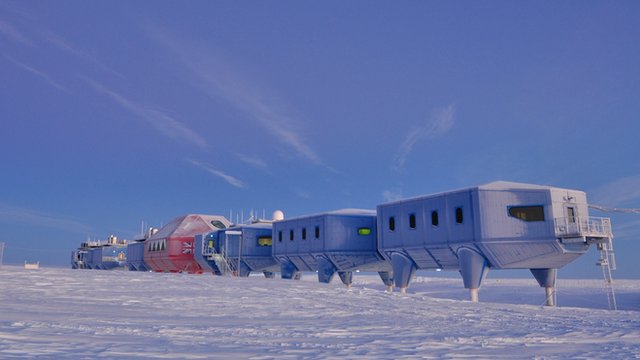
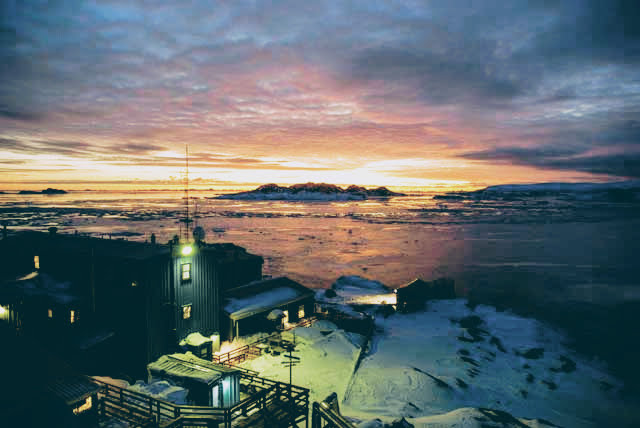
Halley VI: The British Antarctic Survey’s new base (Source: British Antarctic Survey)
On Thursday, 21 June 2018, the BBC World Service officially transmitted the 2018 BBC Antarctic Midwinter Broadcast–an international radio broadcast intended for a small group of scientists, technicians, and support staff who work for the British Antarctic Survey.
This is one of my favorite annual broadcasts, and I endeavor to listen every year. Once again, the SWLing Post called upon readers to make a short recording of the broadcast from their locale.
Below are the entries, roughly organized by continent and country/region. We had a total of 28 recordings submitted this year–simply amazing! If I’ve somehow missed including your entry, please contact me; I’ll amend this post.
So, without further ado….
The 2018 BBC Antarctic Midwinter Broadcast Recordings
Europe
Austria
SWL: Gerald LANDL (OE5TET) Location: Eidenberg, Austria Notes:
Preperations with my 6y old son – highly professional with clip board, frequency setting on equipment, adjusting the antenna tuner. setting the alarm clock and preparing cups for warm drinks.
Wonderful broadcast with heaps of feelings and good music – I reckon the crew in Antarctica enjoyed it.
I used to listen with my dad to Norddeich Radio – also broadcast for crews and sailors out on sea.
2018-06-21 2130 UTC antarctic midwinter broadcast 2018 of BBC
from QTH
Longitude : 14.23225 E (14° 13? 56” E)
Latitude : 48.44367 N (48° 26? 37” N)
QTH locator : JN78CK
5.985 – Woofferton – via FT 991 + HiGain 640 vertical
7.360 – Ascension – via FT 817 + MLA-M magnetic loop
9.890 – Woofferton – via FT 2000 + Diamond W8010 – multi band trap
enjoyed the slight time delay between Woofferton and Ascension – broadcast (echo you hear)
looking forward to record the whole broadcast from Ascension via FT2000
SWL: Gabriele Barbi Location: Ferrara di Monte Baldo Notes: Received in Ferrara of Monte Baldo (Verona) 850 msl, with Sangean 909 receiver and 30 meter row antenna, good signal on all 3 frequencies 5985 7360 9890 hours of reception (Italian) 23.55 today 21062018. Good Radio 🙂
Note that the audio file of the 3 frequencies is divided by the beep signal respectively from the beginning to the end of the file 5985 7360 9890:
SWL: Grabriele Sommas Location: Roccapiemonte, Italy Notes: Hi Thomas, like every year attached I send you the youtube link of the broadcast BBC MIDWINTER 2018 with the hope of seeing it published also this year on swling. Receiver is an SDRplay RSP2 and Antenna a Wellbrook ALA 1530.
I am Davide Borroni from Origgio (VA) Italy. On 21 June 2018 at 2130.-2200 UTC on 5985 kHz AM, i listened BBC Winter Radio with SINPO 54444
I use my Hallicrafters SX 42, Siemens E 401, Collins HF 2050 and Teletron TE 712S receivers with a magnetic loop antenna.
73s
Davide Borroni
SWL: Giuseppe Morlè (IZ0GZW) Location: Formia, Italy Notes:
I’m Giuseppe Morlè, iz0gzw, from Formia, central Italy, on the Tyrrhenian Sea.
I send you 2 videos about the Antartic Midwinter 2018 to be included on the Swling Post.
You can see how you listened to from my house on my 3 receivers the transmission and as the only Tecsun pl660 with its antenna on my balcony.
Thanks for everything and I always wish you excellent listening.
Listenined yesterday (21 June 2018) at 21.30 UTC from Malta 5985 kHz SINPO 53553 using a Tecsun PL-660 and a longwire antenna 27 metres.
Wonderful programme and good job.
SWL: Mark Hirst Location: Basingstoke, England Notes:
QRM levels at my QTH were noticeably higher this year than last, continuing a years long trend in my area.
Woofferton is only 100 miles from Basingstoke in Hampshire, and while it doesn’t lie in the direction of the transmission, the signal was strong and steady, overwhelming almost all of the interference.
SWL: Gareth Buxton (M6VOV) Location: Belper, England Notes:
This is my recording. Fair reception on 7360khz. I was out in the garden using a Tecsun PL 880 connected to a homemade active loop antenna. My location is Belper, Derbyshire, UK
SWL: Paul Capewell Location: London, England Notes:
Three 1-minute clips of the BBC World Service Antarctic Midwinter Broadcast on 5985kHz, 7360kHz, and 9890kHz, recorded on a Tecsun PL-380 in north west London at 2230 (2130 UTC) on 21 June 2018.
All three signals were good at my location in Ayrshire, Scotland.
The best of the two Wooferton signals was 5985 AM.
Here is a youtube video of my reception of the signal from Ascension Island on 7360 AM.
Rx = Trio R-1000
Ant = End fed Wire, 20 meters long and ATU.
Thank you.
HAPPY MIDWINTER !
73
Steven
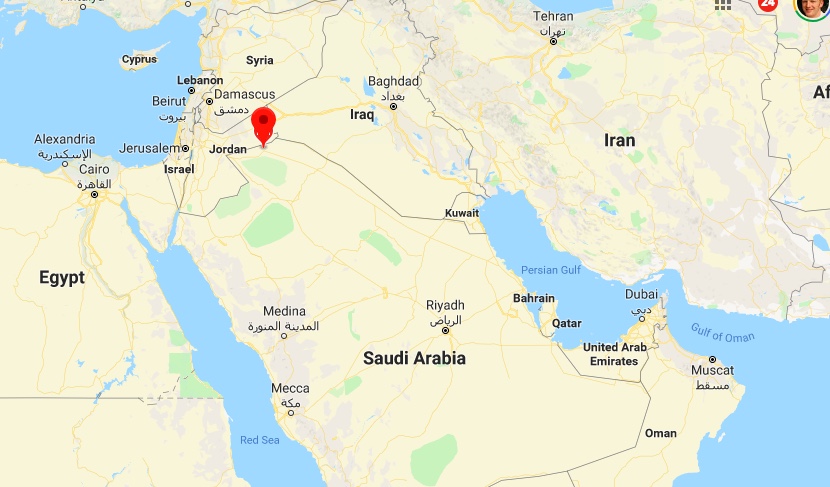
SWL: Rawad Hamwi Location: Turaif – Northern Borders Province – Saudi Arabia Notes:
Date/Time: 21/6/2018 @ 21:30 UTC | 22/6/2018 @ 00:30 Arabian Standard Time (UTC+3)
Frequency: 9890 kHz
Receiver: Sony ICF-SW7600GR / Sony ICF-SW11
Antenna: 30 LM Longwire Antenna
Location: Turaif – Northern Borders Province – Saudi Arabia
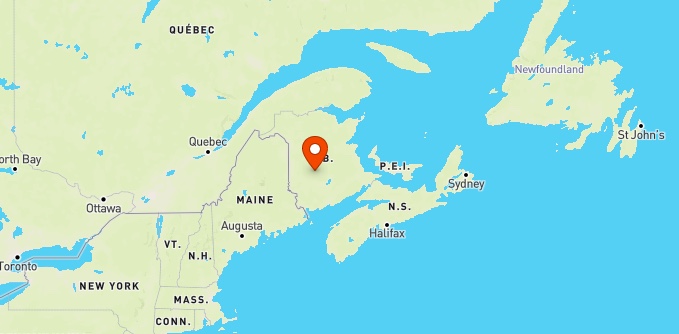
SWL: Richard Langley Location: Hanwell, New Brunswick Notes:
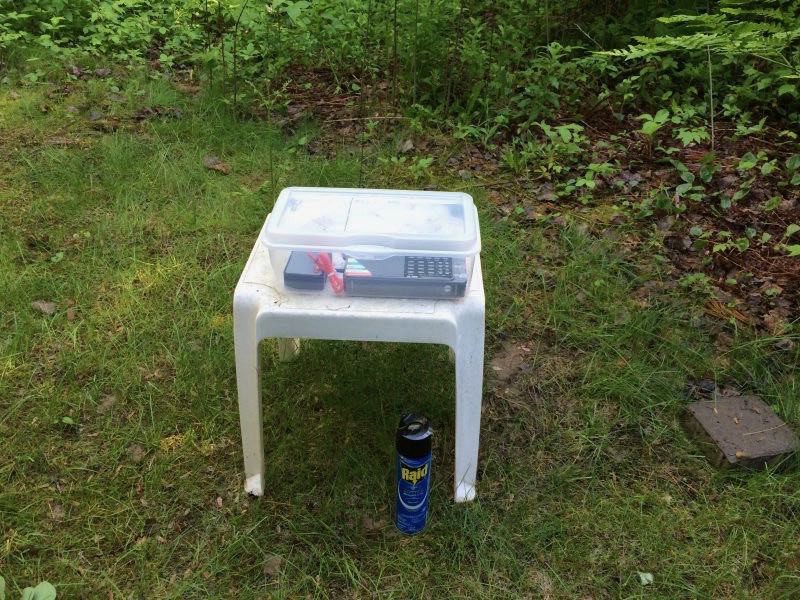
I obtained decent recordings of the BAS broadcast both here in NB on 7360 kHz using a Tecsun PL-880 receiver with a Tecsun AN-03L 7-metre wire antenna strung to a nearby tree and using the U. Twente SDR receiver on 5985 kHz. Attached are two two-minute clips, one from the start of each recording. Also attached [above] is a photo of the “listening post” at the back of my yard. Note the mosquito spray!
SWL: Ivan Cholakov Location: New York and Florida Notes:
This year’s Midwinter Antarctic broadcast from the BBC was a special opportunity for me. I thought I would share the story because it has something to say about the state of technology in today’s world of radio. On the day of the broadcast, June 21, 2018 I was on a business trip to New York City. I had brought with me three very useful and very portable items: an SDRPlay receiver, a W6LVP portable amplified loop and an Eton Satellit shortwave radio.
I was able to receive the broadcast in the following order:
By remotely accessing my home station;s kiwiSDR receiver via the internet
By remotely accessing my amateur radio station that I maintain in Michigan using a remotehams.com server
By using the SDRPlay receiver and the amplified loop from the 35th floor hotel room in Manhattan
By using the Eton Satellit pocket sized shortwave radio from the hotel room in Manhattan
I created a youtube video with the four modes of reception above. it is amazing how connected the world has become!
I was able to get 2 different videos of the BBC Antarctic Midwinter Broadcast. One video is of the broadcast coming through an KiwiSDR channel and another is a recording of BBC through my Tecsun PL-380.
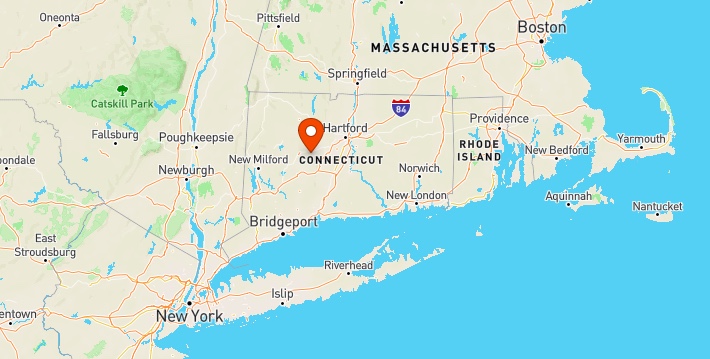
SWL: Stan Horzepa (WA1LOU) Location: Wolcott, Connecticut Notes:
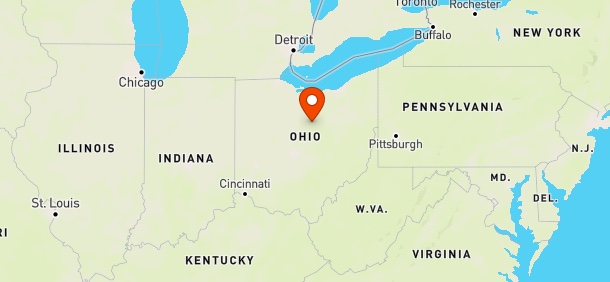
Here in Wolcott, Connecticut, USA, I heard the full 30 minute broadcast
on all three channels using my ICOM IC-R8600 and an 80-meter inverted
Vee antenna. 9890 was very good, 7360 was good, while 5985 was poor.
(The broadcast reminded me of The Beatles Fan Club Christmas recordings.)
SWL: Bill Hemphill (WD9EQD) Location: Smithville, NJ Notes:
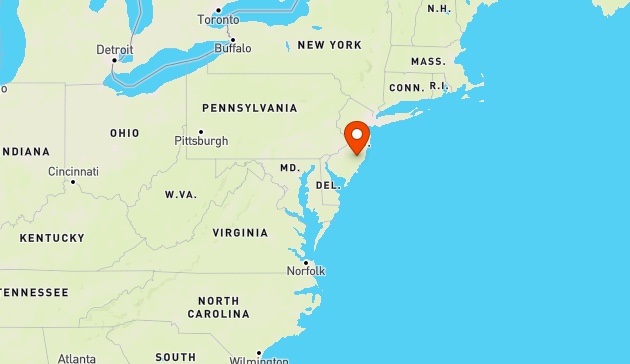
I got good copy on 9890 here in Smithville, NJ (5 miles north of Atlantic City).
Readable copy on 7360 and almost readable copy on 5850.
Used a combination of Tecsun Radios: PL-310et, PL-880, and S-8800.
Used the telescoping antenna and a long wire antenna strung up in the house.
SWL: Thomas Witherspoon (K4SWL) Location: Huntsville, Alabama Notes:
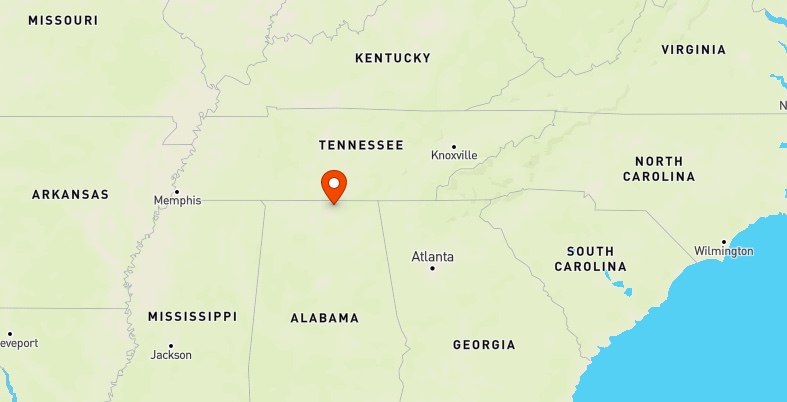
I managed to listen to a bit of the broadcast myself in the parking lot of the US Space and Rocket Center in Huntsville, Alabama. I only brought my C. Crane CC Skywave SSB along. The signal was quite weak, but I did log the 9,890 kHz broadcast from Woofferton, UK. Pretty impressive considering the modest portable receiver and the fact the broadcast’s target was Antarctica! Pure shortwave magic.
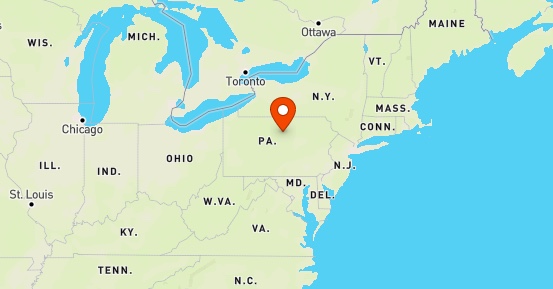
My recording of 9890 kHz in Pennsylvania was much weaker.
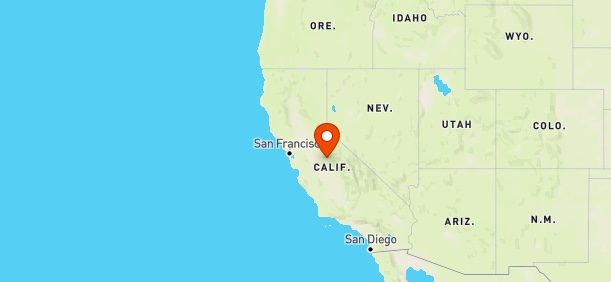
SWL: DanH Location: Northern California Notes:
Just awful reception here in Northern California suburbia near three in the afternoon. I can just make out “Jingle Bells.” BBC Woofferton has been coming in well here from 04:00 – 06:00 UTC on 9915 kHz on some nights.
Once again, many thanks to all of you who submitted your recordings of the BBC Midwinter Broadcast!
We’ll be sharing this post with both the British Antarctic Survey and the BBC World Service. And to all of you, from the SWLing Post: Happy (Belated) Midwinter! Happy Summer/Winter Solstice!
Front page of the North Korean newspaper “Rodong” on April 28, 2018. (Source: Mark Fahey)
With North Korea in the global spotlight, I’ve been making every effort to listen to the Voice of Korea on shortwave. Unfortunately, from here on the east coast of North America, conditions have simply not been in my favor.
Fortunately, a couple of SWLing Post and SRAA contributors have had my back.
Yesterday, Richard Langley, uploaded a great VOK recording made with the U Twente WebSDR on April 28 at 13:30 UTC on 13760 kHz. Thank you Richard!
This morning, North Korean propaganda specialist Mark Fahey uploaded the following VOK recording to the archive and included notes and insight:
[The recording is] off 9,730 kHz so a mint shortwave file.
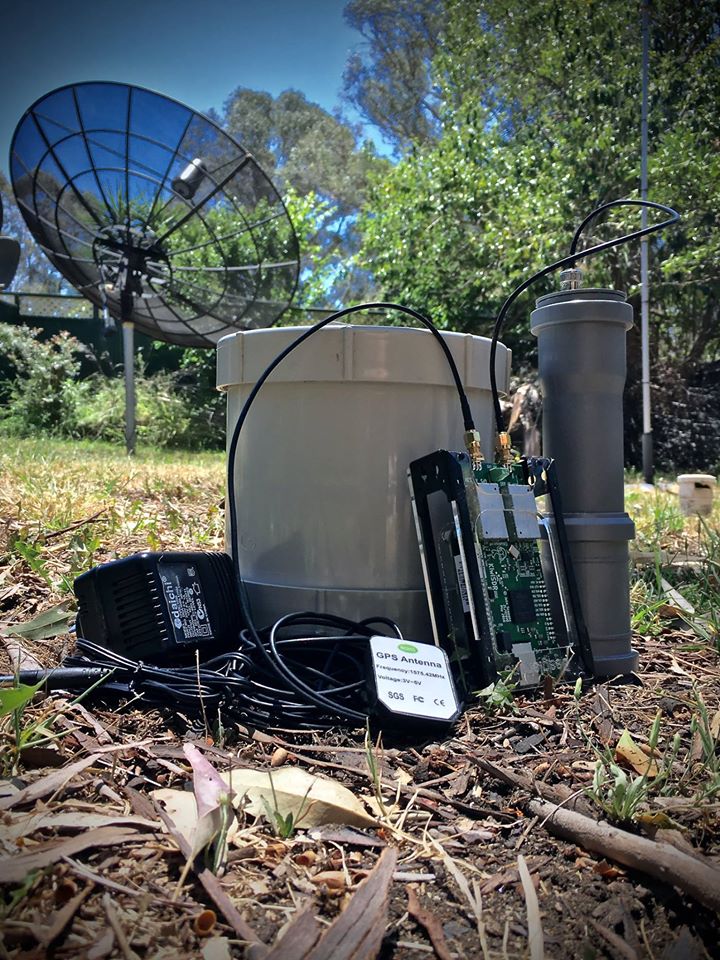
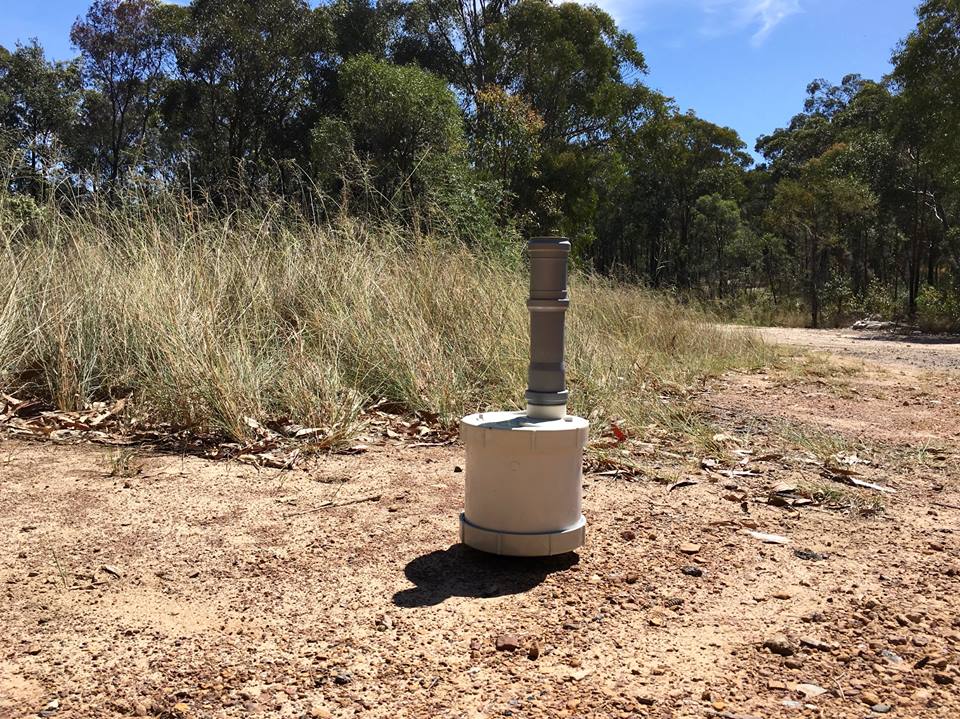
Recorded at the “Behind The Curtain” remote satellite and HF receiving site near Taipei, Taiwan (the site is remotely operated from Freemans Reach in Australia and was specifically established to monitor North Korean radio & television 24×7).
Remote Module #2 fully weather sealed and ready to deploy.
[…]I must say getting a good recording off shortwave is quite a challenge, just going to their satellite circuits far easier!
[T]he reason for the almost hi-fi quality is that I used the real-time audio enhancement and noise reduction techniques I presented at the Winter SWL Fest. The signal in reality was much noisier:
[I] also have long domestic recordings (which is what I have been focusing on rather than VOK).
[…]Of course domestic in Korean – but that has been my main interest/monitoring – what does the regime say to the domestic audience–?
They seem quite serious (I mean genuine) even acknowledging South Korea as a separate place and Moon being the president of this place. The domestic propaganda now not hiding the fact that South Korea is a separate sovereign nation, which is very un-North Korean propaganda!
The news is still kind of breaking in North Korea and the radio reflects that – the reports sound like Friday was yesterday. It takes a long time for North Korean media to report anything, so news from 3 days ago is presented as if it only happened 3 hours ago.
Also since it’s all topical I will include a YouTube link to a Voice Of Korea Documentary (propaganda to our ears of course–!) that has recently been posted to the Arabia Chapter of The Korean Friendship Association:
This week, Bill shared two fascinating tape recordings he originally acquired from an estate sale box. These recordings were originally made in 1974 by the late Jim Hayward (W2PVF) in Absecon, New Jersey (USA) with two different ham radio stations in Antarctica.
This first recording is between W2PVF and KC4AAC of Palmer Station. The audio starts mid conversation:
The second recording is between W2PVF and LU1ZE of the Argentine Antarctica Station. The operator at the microphone is W1PV. The recording even includes a phone patch:
Bill, thanks so much for sharing these recordings–I thoroughly enjoyed them!
I’m so impressed with the audio and signal quality of the Antarctic stations. In 1974, we were approaching a solar minimum in Solar Cycle 20. Still, I bet conditions were better than anything we’ve seen in over a decade!
I’m curious if any Post readers have ever made contact with either of these stations or even know the operators in the recordings? Bill notes that Jim (W2PVF) was president of the local Atlantic City Electric Company for many years. Would be fun to share these recordings with the some of the original operators, if they’re around!
Okay SWLing Post readers: I need you to dig through your off-air recordings for something pretty obscure…
Over at the Shortwave Radio Audio Archive, I frequently receive inquiries from educators, researchers, historians, and enthusiasts looking for very specific off-air recordings, often for some worthy project or other. It’s quite a thrill when I can lay hands on just what’s being sought in our rather deep recordings archive.
I recently received just such an inquiry from producer Meghan Keane at NPR, and though we were not able to provide immediate help, I’m quite intrigued by the subject and thus not quite ready to give up the search. Meghan writes:
My name is Meghan Keane and I’m a producer for NPR’s Invisibilia. I’m working on a story about Somalia and music, and am currently looking for some archival sound.
Around 2010, many radio stations in Somalia broadcasted animal noises and gun shot noises to protest Al-Shabab. I am hoping to find audio of that to use in my story. Please let me know if you have any leads!
Fascinating stuff. I do recall a news story about Somali radio broadcasts including animal and gun shot noises back in the day, but I never actually heard a broadcast on shortwave or mediumwave.
Post readers: Can you help Meghan track down such a recording? If you can, please comment and/or contact me!
Looking north toward Cape Lookout, Oregon, near the site of my SDR receiver recordings. Photo courtesy of Wikimedia Commons. In my original article 10 days ago, I set up a SWLing Post reader poll to let you give your opinion on which shortwave recordings within four pairs of audio files provided the most intelligible result. The recordings were intentionally noisy, low-level signals to help us discover–through critical listening to the files–if there is a clear favorite between the AirSpy HF+ or the Elad FDM-S2 receivers. Of course, there were only four pairs of recordings…not a very large sample size.
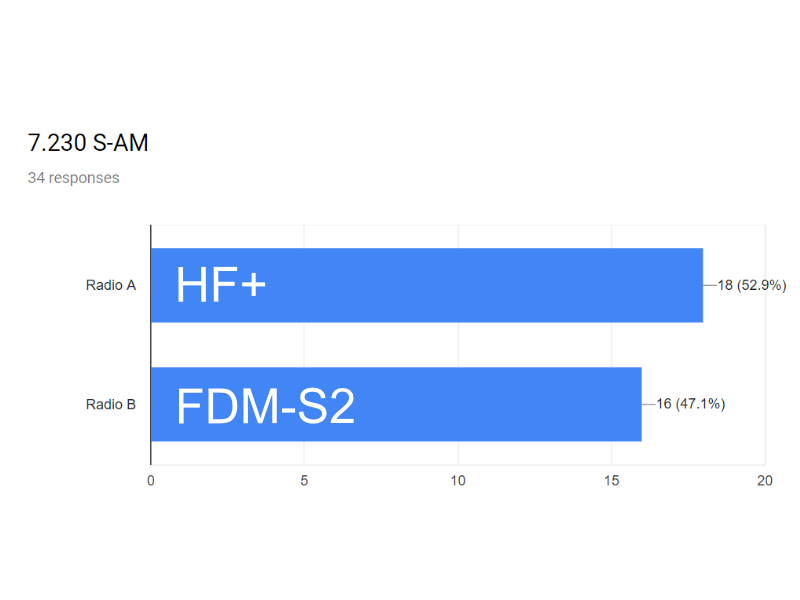
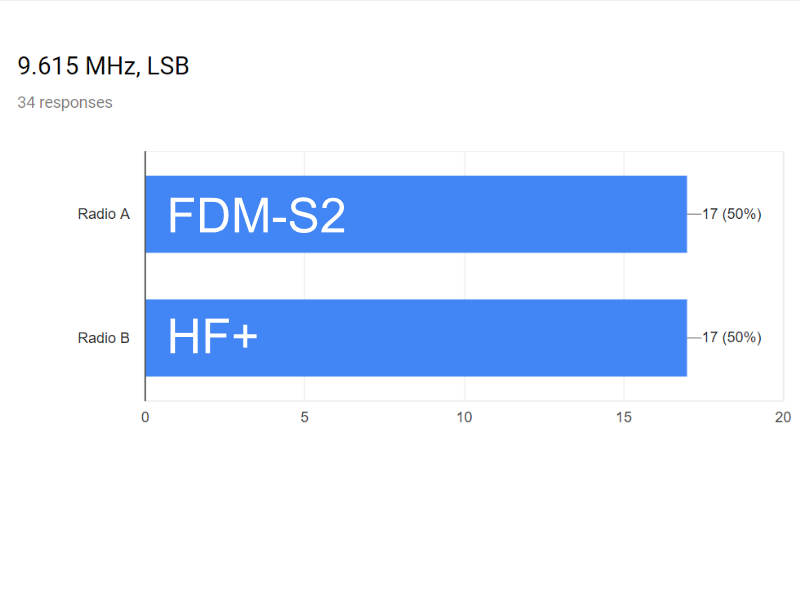
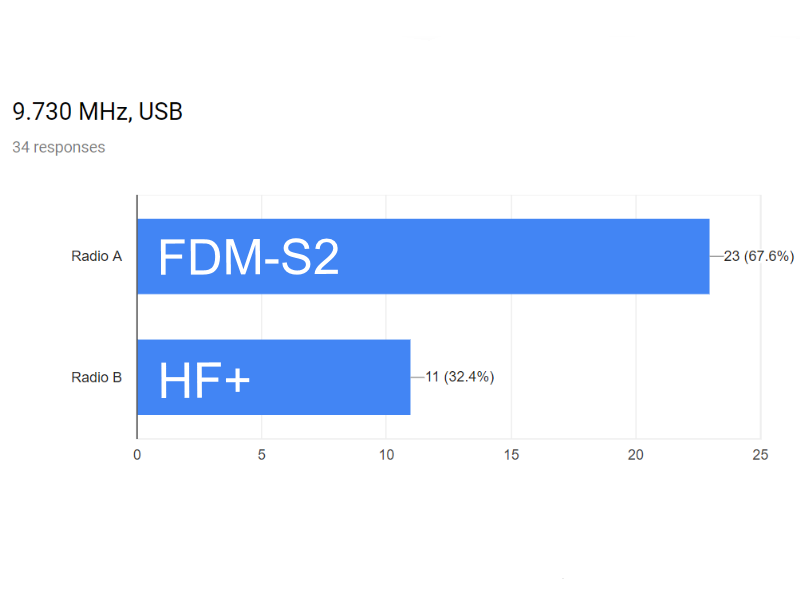
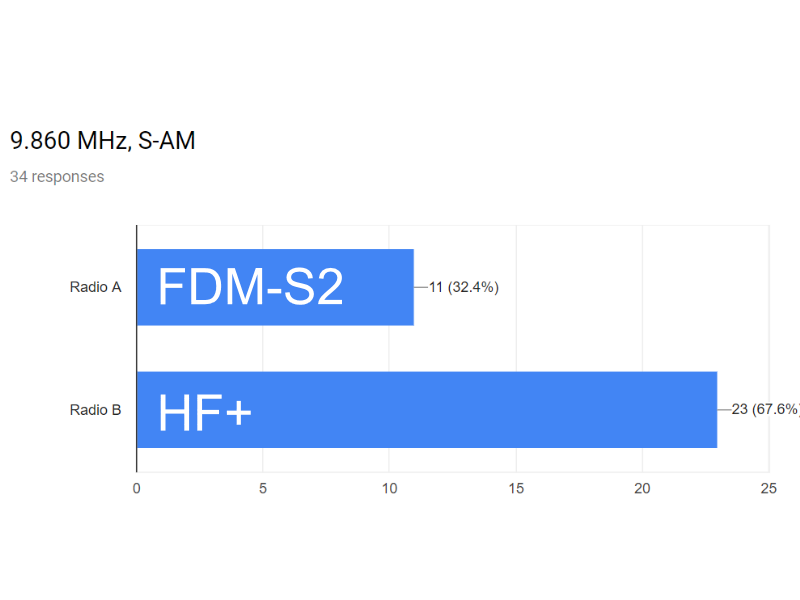
However, 34 readers of the original article took the time to listen and respond, so let’s get to the numbers, shown in these graphs:
Interestingly, the responses above seem to point to:
Two recording pairs tied in the results (50% / 50%) or were very close (HF+ 52.9% / FDM-S2 47.1%)
The FDM-S2 led one recording pair by a large margin (67.6% / 32.4%)
The HF+ led another recording pair by an equally large margin (67.6% / 32.4%)
Taken as a whole, no obvious winner emerged, although one might conclude the HF+ has a slight edge due to its lead in the “very close” recording pair of 7.230 MHz.
One thing is clear–the AirSpy HF+ is a surprisingly good performer for its price of $199 USD! For many enthusiasts this will be all the SDR they need.
As a final note, I’ll mention that the AirSpy HF+ used for the tests was totally stock. I have not yet performed the “R3 Bypass” mod nor the firmware update to my HF+ units. The simple R3 Bypass, discussed at length on the AirSpy Groups.io forum, significantly boosts sensitivity of the HF+ from longwave up to about 15 MHz, without any noted overload issues. For more on this modification from a MW DXer’s perspective, read Bjarne Mjelde’s insightful article at his Arctic DX Blog.
Thank you to all the readers who took the time to listen to the SDR recordings in this comparision and register your opinions.
Guy Atkins is a Sr. Graphic Designer for T-Mobile and lives near Seattle, Washington. He’s a regular contributor to the SWLing Post.
Please support this website by adding us to your whitelist in your ad blocker. Ads are what helps us bring you premium content! Thank you!