Shortwave listening and everything radio including reviews, broadcasting, ham radio, field operation, DXing, maker kits, travel, emergency gear, events, and more
Many thanks to SWLing Post contributor, Bob Colegrove, who shares the following guest post:
Tinkering with History
By Bob Colegrove
One of the attractive aspects of radio as a hobby is that it has so many specialties to channel our time. Just for the sake of classification, I would group these into two categories, listening and tinkering. I think the meaning of each category is fairly intuitive. Probably few of us approach our interest in radio in the same way. Most of us have dabbled in more than one listening or tinkering specialty. Perhaps we have been drawn to one particular area of interest, or we may have bounced around from one to another over a period of time. I know the latter has been my case.
Tinkering might start with a simple curiosity about what makes the radio play, or hum, or buzz, and progress to an obsessive, compulsive disorder in making it play, hum or buzz better. Unfortunately, over the past 30 years or so, the use of proprietary integrated circuits, as well as robotically-installed, surface-mounted components have greatly short-circuited what the average radio tinker can do. For example, I have noticed a lot more interest in antennas over that period, and I think the reason is simple. The antenna is one remaining area where a committed tinker can still cobble up a length of wire and supporting structure and draw some satisfaction. But the complexity and lack of adequate documentation have largely kept newer radio cabinets intact and soldering irons cold. Bill Halligan knew you were going to tinker with his radios, so he told you how they were put together. The fun began when you took your radio out of warranty. If you did get in over your head, there was usually somebody’s cousin not far away who could help you out. The following is a sample of how one resolute tinker managed to overcome the problem of locked-down radios in the modern age. Continue reading →
Radio Waves: Stories Making Waves in the World of Radio
Because I keep my ear to the waves, as well as receive many tips from others who do the same, I find myself privy to radio-related stories that might interest SWLing Post readers. To that end: Welcome to the SWLing Post’sRadio Waves, a collection of links to interesting stories making waves in the world of radio. Enjoy!
In the United Kingdom, you need a license to drive a car, fly a plane, practice medicine and watch TV.
The “TV license” is what Brits call their system for funding their world-famous broadcaster, the BBC. Currently, it costs the equivalent of $216 a year and is compulsory. Anyone in the U.K. caught watching or recording programs broadcast on any television channel or livestreamed on an online platform without a license is likely to be prosecuted.
The BBC — the Beeb, as it’s known — derives around $5 billion a year from this source. That’s 75% of the total revenue it needs to run a vast media empire, comprising 10 national TV channels and 10 national and 40 local radio stations as well as its World Service broadcasts and a global news website.
Full disclosure: The Beeb is a content partner for Marketplace.
But the license fee is under attack. The government just announced that it’s freezing the fee at the current level for two years and not increasing it in line with inflation — a decision that could cost the corporation nearly $400 million. The government has also hinted that it would like to eventually scrap the license fee altogether. [Continue reading at Marketplace…]
It’s everywhere! It’s everywhere! Fortunately, you can take a bite out of RFI.
RF interference — is it interference to you? Is it interference by you? Possibly both! What does this interference consist of? And how can you tell what type is present? A topic that starts off with so many questions is bound to cover a lot of ground, so let’s get started. Continue reading →
Many thanks to SWLing Post contributor, Giuseppe Morlè, who writes:
Dear Thomas,
I’m Giuseppe Morlè iz0gzw from central Italy on the Tyrrhenian Sea, Formia.
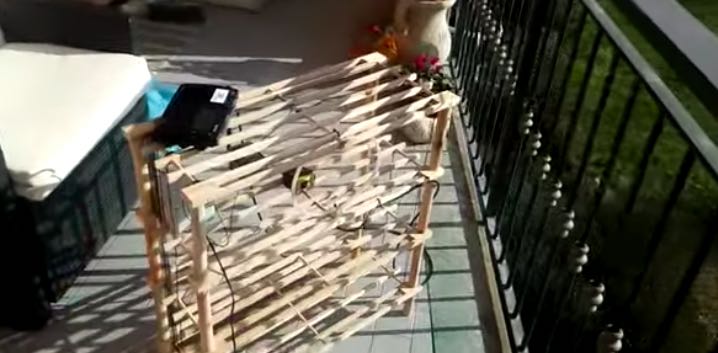
I am sending you this umpteenth project of mine built with poor materials…it is a test bench, loops / capacitors to find the best tuning.
The frame is a shoe rack in beech wood, very light, to take anywhere or to try out at home.
On the frame, there are 4 different loops of different sizes and 3 variable capacitors with different capacities. Only one signal transfer link to the receiver for all loops.
With alligator plugs I can use the different combinations of loop / variable to find the best tune
This test rig can tune the whole HF frequency range and medium wave.
I’ve attached 3 videos where you can see from the beginning to the last test on the balcony of my house.
Videos
Note that the following videos are in Italian, but you can turn on closed captioning and in the settings of the video have it auto-translate into the language of choice:
David has also posted this presentation on his website and notes that he’s happy to share the presentation slides without copyright. David notes:
[…]I have purposely not copyrighted this work so that anyone is free to modify it as they see fit. The only thing I ask is that if you make changes that you do not copyright the derivative work as your own intellectual property so that others can benefit from your knowledge and build upon it as well.
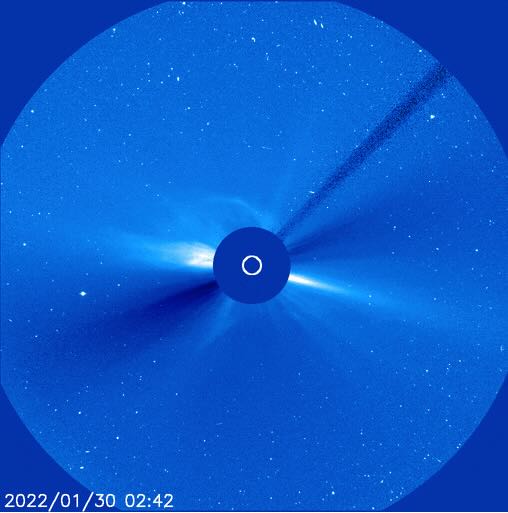
GEOMAGNETIC STORM WATCH: A coronal mass ejection (CME) is heading for Earth. Estimated time of arrival: Feb. 2nd. This movie from SOHO shows the halo CME leaving the sun:
It was hurled into space during the early hours of Jan. 30th by an M1-class solar flare. Big sunspot AR2936 was the source of the blast. The long duration flare lasted more than 4 hours, so it put plenty of power into the CME.
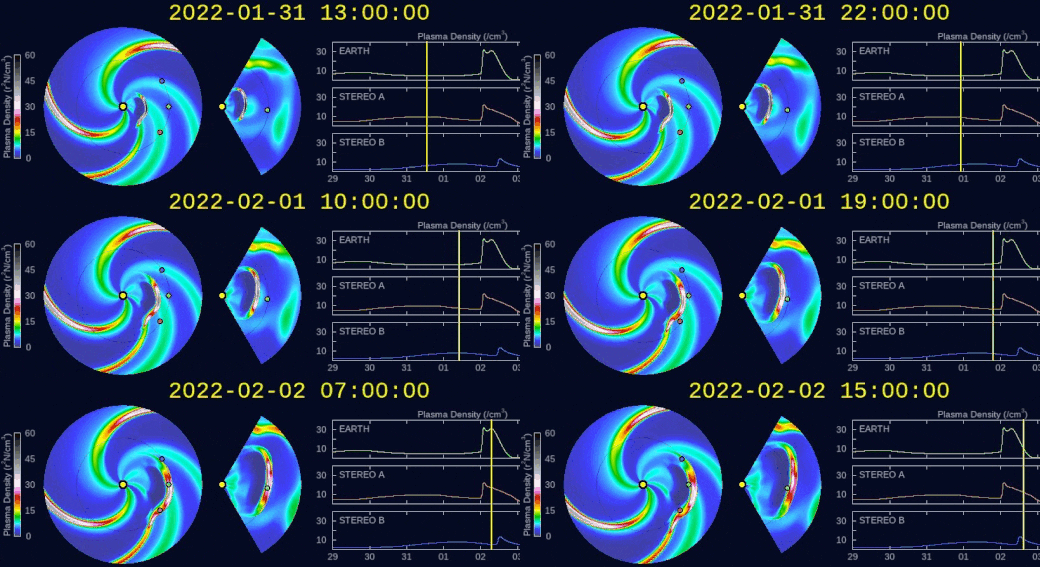
A newly-released forecast model from NOAA shows the likely timing of impact:
Many thanks to SWLing Post contributor, Denis, who writes:
Dear Thomas,
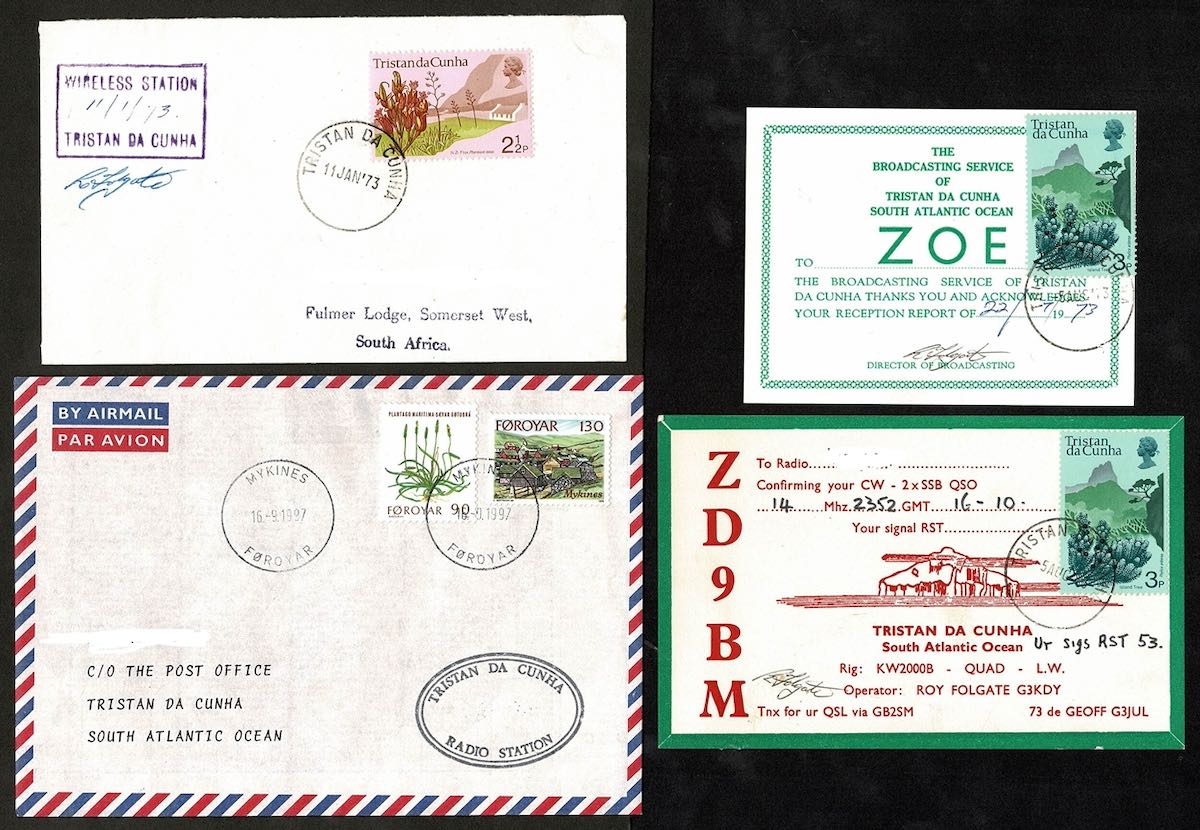
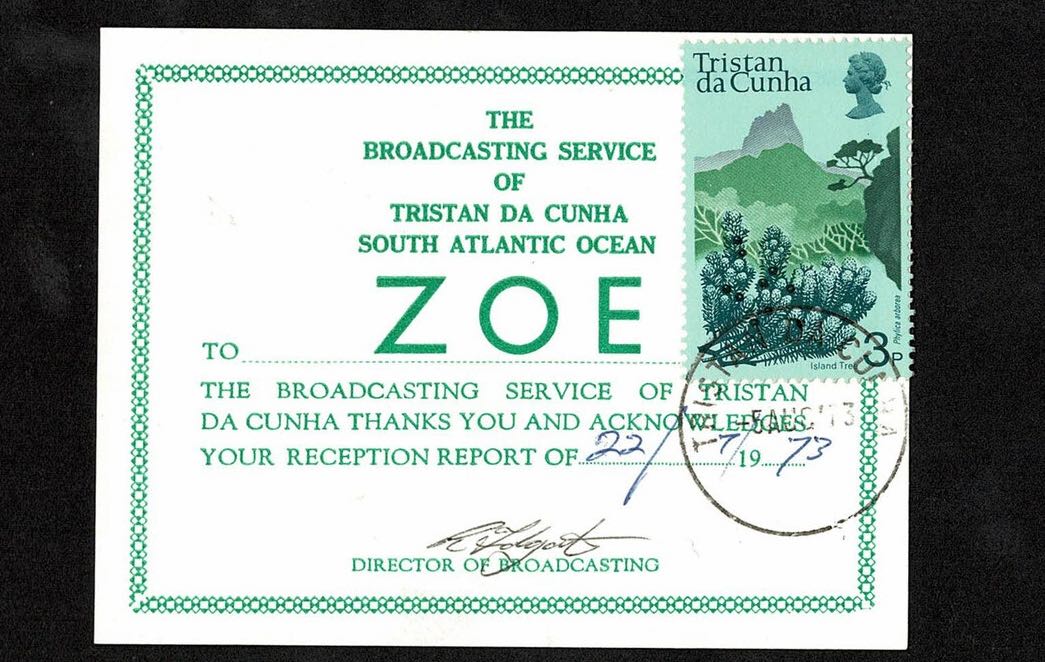
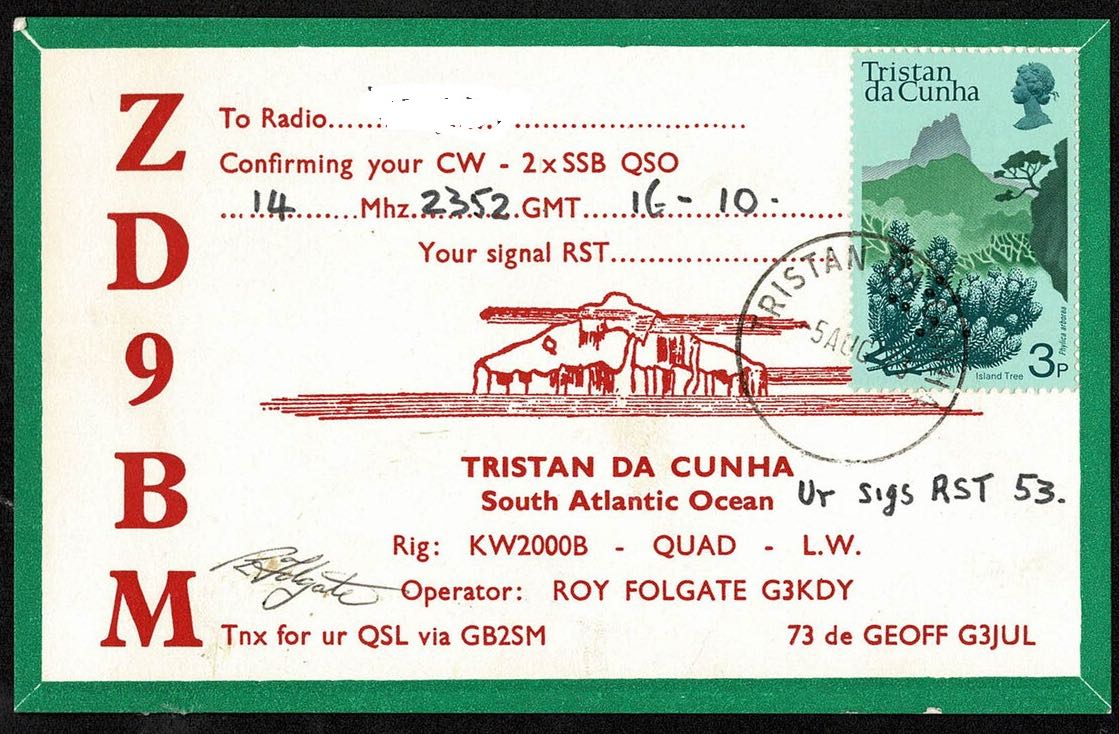
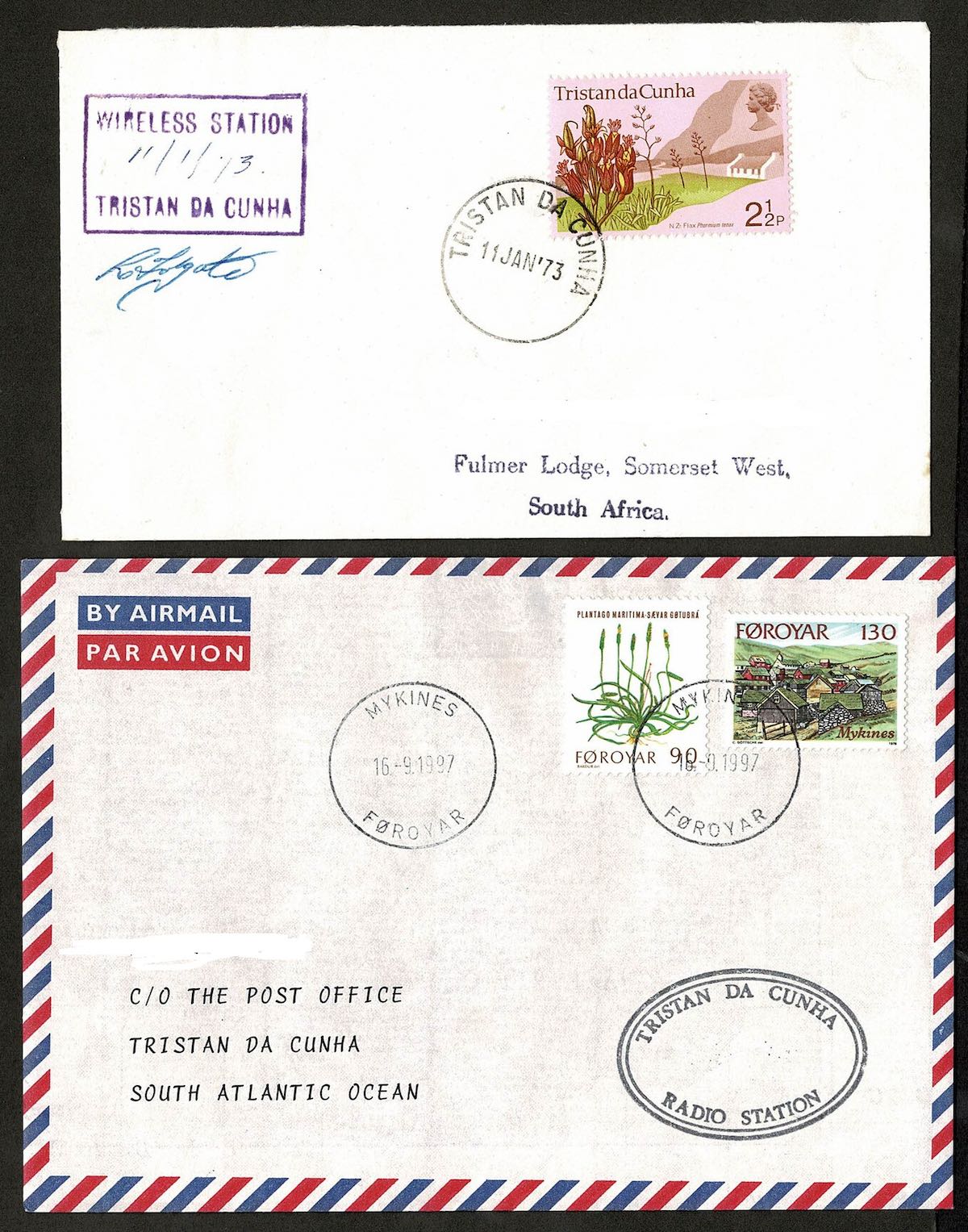
Following the article about the ZOE QSL card a few years ago, I came across another QSL at an Australian auction house. I bought it. Still waiting for it.
I enclose the picture of the lot I obtained. Names have been erased.
As Dan wrote, it is quite possible that other cards may surface one day.
best 73’s from Paris Denis
Thank you for sharing this, Denis. I agree with Dan as well–perhaps more ZOE QSL cards will eventually surface. With that said, I believe it’ll remain one of the rarest QSL cards out there. By the way, it’s a nice bonus that the auction included a ham radio QSL card as well!
Please support this website by adding us to your whitelist in your ad blocker. Ads are what helps us bring you premium content! Thank you!