Author Archives: Thomas

Shortwave Radio Recordings: Voice of Peace from Baghdad – December 29, 1990

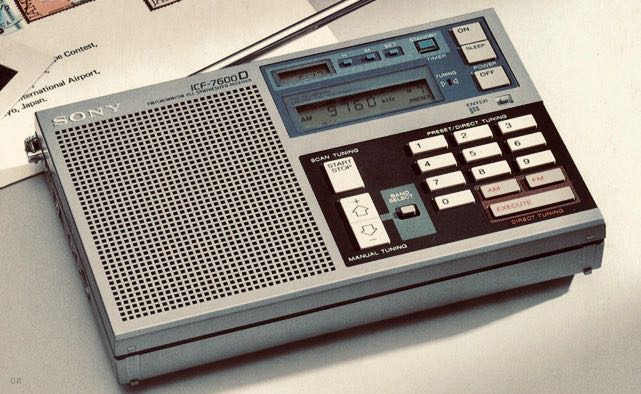
The Sony ICF-7600D (Source: Universal Radio)

Many thanks to SWLing Post and SRAA contributor, Richard Langley, who has recently uploaded an off-air recording of the Voice of Peace to the Shortwave Radio Audio Archive. This is a fascinating recording that I thought I would re-post here on the Post.

Richard notes:

Live, off-air, approximately twenty-minute recording of the Voice of Peace from Baghdad on 29 December 1990 beginning at 21:40 UTC on a shortwave frequency of 11860 kHz. This broadcast originated from a transmitter either in Iraq or Kuwait.

Iraq’s Voice of Peace was established in August 1990 to beam programs to American servicemen stationed in Saudi Arabia during Operation Desert Shield following Iraq’s invasion of Kuwait at the beginning of the month. Programming consisted of music, initially easy-listening music but subsequently changing to a “Top 40” mix, news and commentary in a failed effort to try to demoralize the American troops. Beginning in September 1990, the broadcasts used a female announcer dubbed “Baghdad Betty” by the Americans. Reportedly, Baghdad Betty was replaced by a team of announcers sometime in December 1990. The recording is an example of the news and music programming. It is not known if the female announcer is the famous Baghdad Betty or someone else.

Reception of the broadcast was poor to fair with slight interference and fading. At 21:58 UTC, there is interference splash from WYFR starting up on 11855 kHz. The initial frequency recorded may have been 21675 kHz before switching after a minute or so to 11860 kHz as the radio teletype interference abruptly stops at this point. The recording includes frequent station identifications such as “You are tuned to the Voice of Peace from Baghdad.”

The broadcast was received in Hanwell, New Brunswick, Canada, using a Sony ICF-7600D receiver and supplied wire antenna draped around the listening room.

Click here to download this recording.

Click here to listen to this recording on the Shortwave Radio Audio Archive.


Do you enjoy the SWLing Post?

Please consider supporting us via Patreon or our Coffee Fund!

Your support makes articles like this one possible. Thank you!

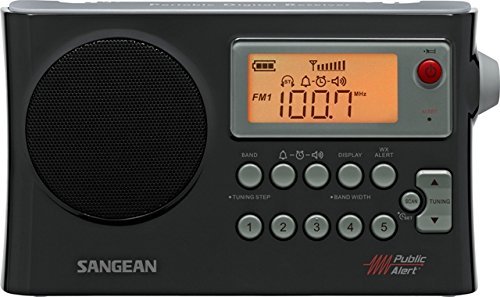
Gary regrets getting his refurbished Sangean PR-D4W

You might recall this previous post regarding a limited number of refurbished Sangean PR-D4W units on Amazon.com. Gary notes that he regrets making this purchase:

“Sadly, my refurbished PR-D4W only worked well for a little over one day. Now, medium strength and weaker AM stations have a greatly reduced audio level. Before, they sounded fine. It seems like the AGC is faulty.”

Read his full reply on the Herculodge blog.

And sadly this is the issue with refurbished products.

I spoke with a radio manufacturer once about their process of refurbishing radios. They have a very specific check list, testing and burn-in period after addressing the reported issue. More often than not, refurbished radios come from an inventory of “open box” units where the customer took delivery, opened the box, but returned the unit without reason during the warranty period. Some radios, however, have reported issues and the technician addresses the issue, tests the radio, cleans it, then repackages it. On occasion, some issues slip through because the problem doesn’t show up during the burn in period.

This likely could be the case with your unit, Gary, and you did the right thing to solve it: return it to the retailer!
Thank you for sharing the follow-up!

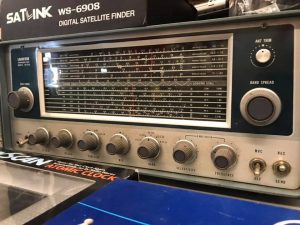
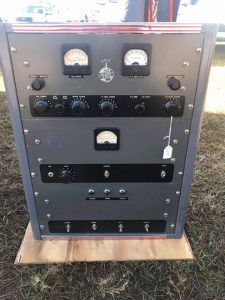
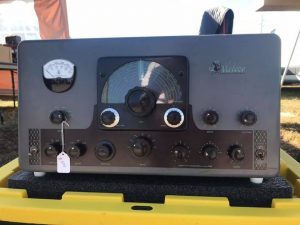
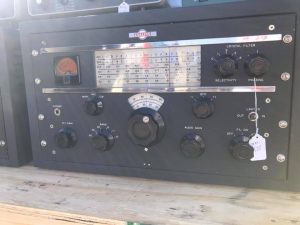
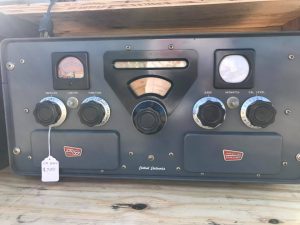
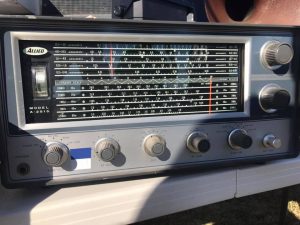
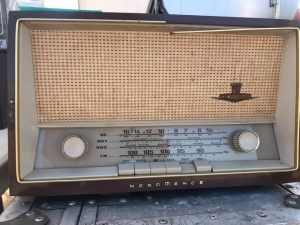
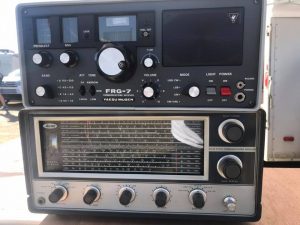
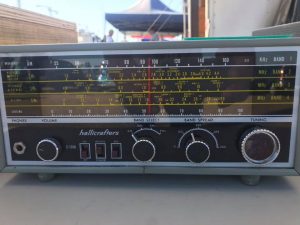
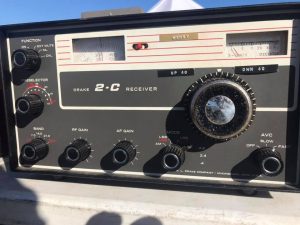
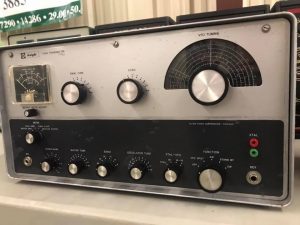
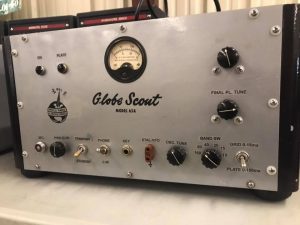
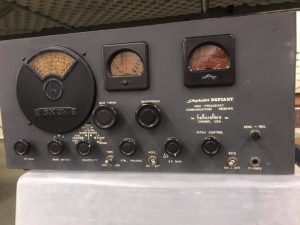
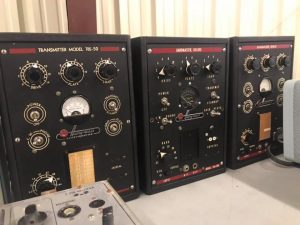
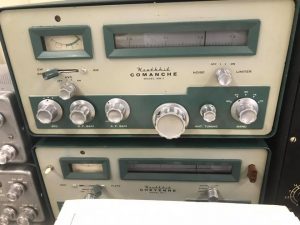
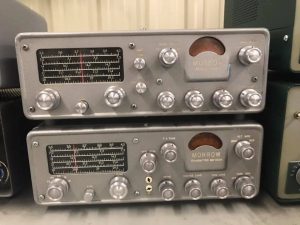
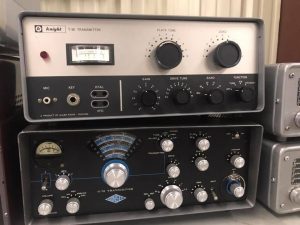
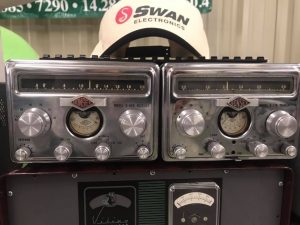
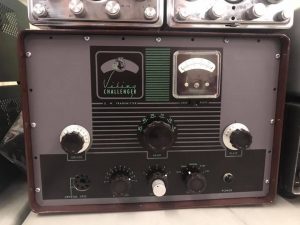
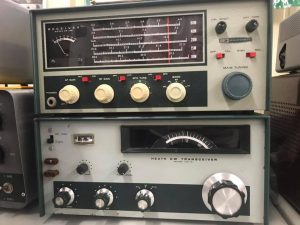
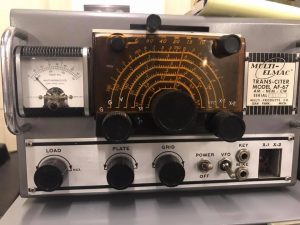
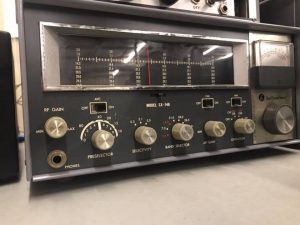
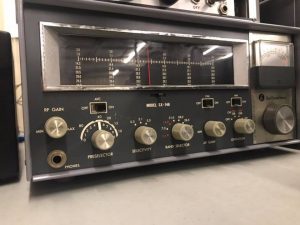
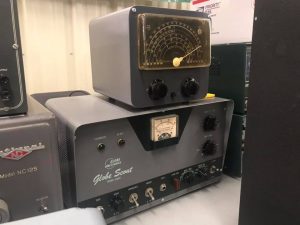
2019 Orlando Hamcation Flea Market Photos

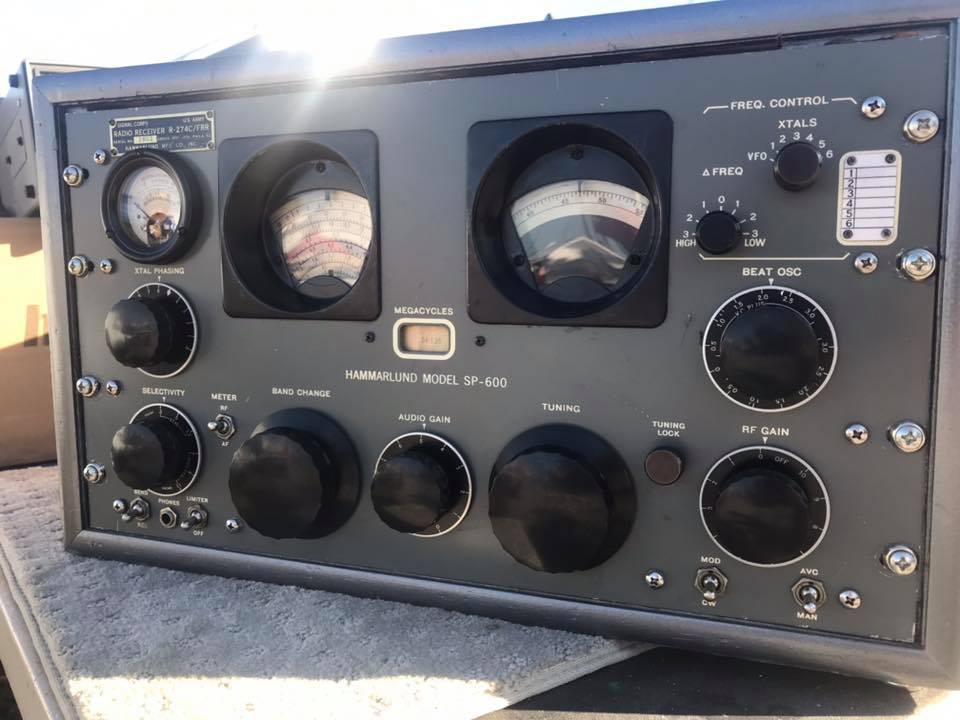
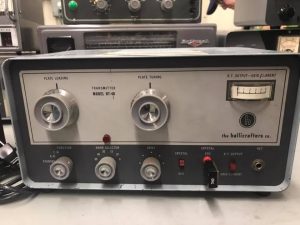
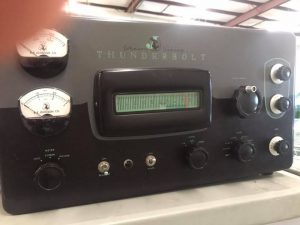
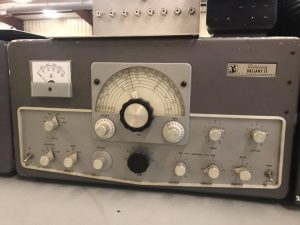
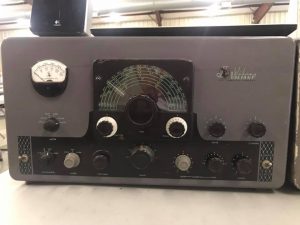
Many thanks to SWLing Post contributor, Rich Nowak, who kindly shares photos from the Orlando Hamcation Flea Market.

Click on each image to enlarge:

What an impressive amount of vintage radios! I’m planning to attend Hamcation next year (2020)–now I know I’ll need to bring my truck to haul back all of the boat anchors! 🙂

Thank you for sharing these, Rich!

Top 10 DX Of The Year Contest Results!

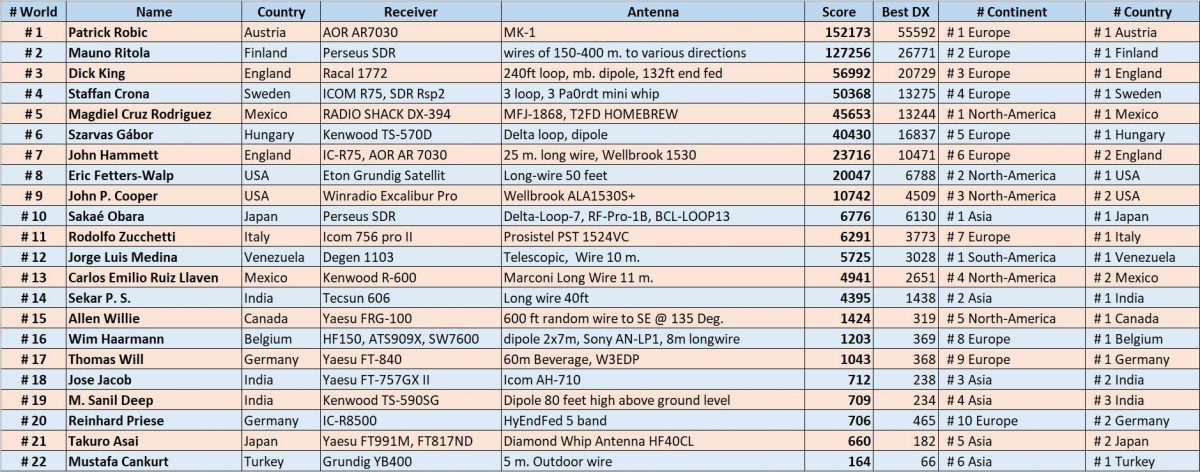
Many thanks to Istvan Biliczky, from the Top 10 DX Of The Year Contest who shares the following results from the December 2018 contest:

Click to enlarge results sheet.

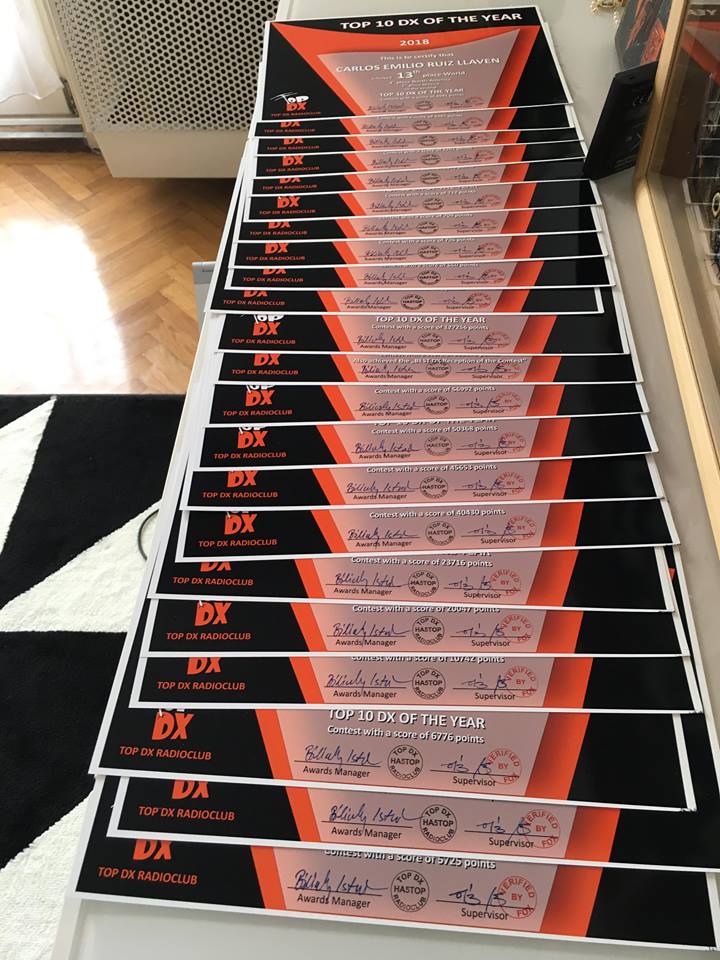
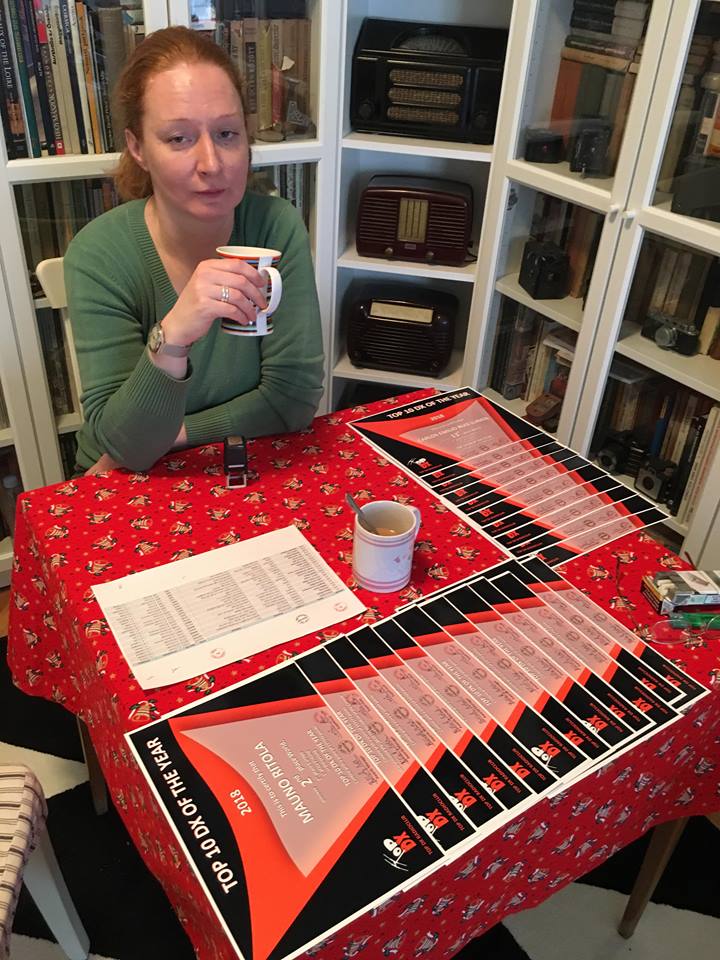
Istvan tells me that the “certificates are printed, verified, t-shirts are done, and all packed, will be sent this week.”

Check these photos:

Brilliant news and congratulations to the many friends and SWLing Post readers I see in the winners circle! Thank you for sharing, Istvan and thanks for hosting this impressive DX contest!

US Navy finds ham radio training makes “workers better at their jobs”

(Source: Southgate ARC via Mike K8RAT)

Can learning amateur radio make for better engineers and software developers?

Writing in C4ISRNET – Electronic Warfare, Eric Tegler says:

When a group of [US] Navy engineers and software developers took time away from their day jobs in December, they spent the time pursuing a task long considered passe: they became licensed amateur radio operators.

Some 23 employees from Naval Air Warfare Center Weapons Division (NAWCWD) took a week-long class in amateur radio at Point Mugu, California culminating with an FCC amateur radio license test. All passed and are certified at the “technician” level for amateur radio operation [permitted 200 watts on some HF bands, 1500 watts above 30 MHz].

Now, Navy officials say the move may make the workers better at their jobs. The staff gained an understanding of radio frequency (RF) propagation that’s essential to what they do, said Brian Hill, electromagnetic maneuver warfare experimentation lead and collaborative electronic warfare supervisor at NAWCWD.

Hill, who earned his amateur radio license in high school, noticed that while most of his department’s recent hires had degrees in computer science, many had little background in RF theory or operation.

“You can explain antenna patterns and concepts like omni-directional vs directional using Smith charts, but it’s helpful to add a demonstration to really convey the concept,” Hill said. “You can explain modulation as a concept, but for a demo… let them listen to how modulated digital signals with audio frequencies sound… For those who never knew the joy of hearing a 2400 bps modem connect over a telephone line, it was a new concept!”

These concepts are central to electromagnetic maneuver warfare.

“We need to be able to have awareness of all threats and opportunities from [zero frequency] to light within an integrated system,” Hill said. “Our adversaries are looking at the entire spectrum to use against us, and we need to do the same. Having awareness of how the atmosphere changes from daylight to night and how that affects propagation of [high frequency] is important.”

This can be critical for young developers/engineers whose experience is typically limited to the UHF/EHF-based systems now in vogue across communications, guidance and ISR technologies.

Read the full story at
https://www.c4isrnet.com/electronic-warfare/2019/02/06/can-learning-ham-radio-make-for-better-engineers-and-software-developers/

Radio Netherlands film and video footage

Many thanks to Jonathan Marks–former host of RNW’s Media Network and curator of the Media Network Vintage Vault–who kindly shares the following videos from Radio Netherlands.

The first video is from the 1960s and promotes RNW’s move to the Witte Kruislaan building.  The second video highlights the Radio Netherlands Flevo Transmitter Site and also includes a lot of “B roll” material (without audio) that Jonathan commissioned.

Check out the videos and Jonathan’s descriptions below:

The Radio Netherlands film in the 1960’s

Click here to watch on Vimeo.

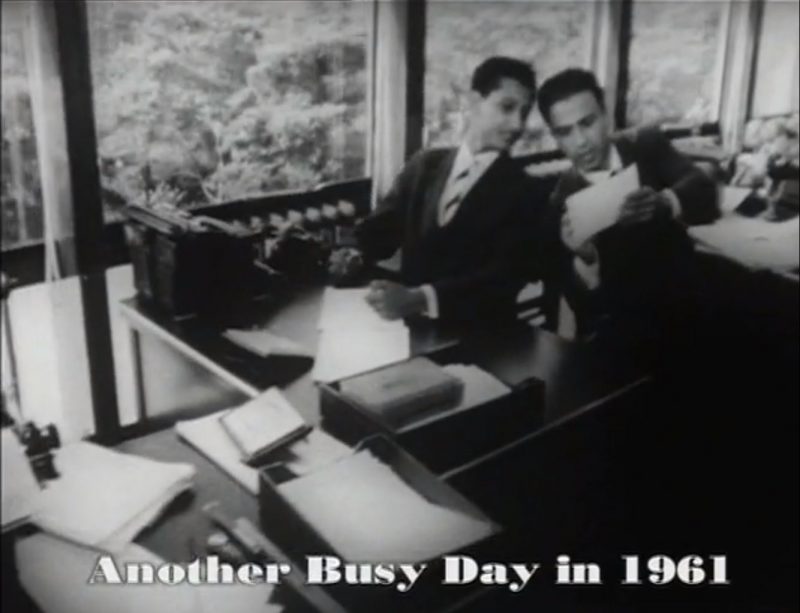
When Radio Netherlands moved into their new building in Witte Kruislaan in 1961, they asked Pete van der Kleut to make a film to help in promotion. He shot it in a couple of days on zero budget and a few rolls of film- it was pure theatre with people in various departments doing all sort of things on cue. Everybody is incredibly busy discussing things, the head of the newsroom is correcting copy before it is broadcast, and the poor guy in the newsroom doesn’t know which phone to answer first. Women play only support roles, tidying up, typing and organizing things, The problem was that until the mid nineties this was the only footage of Radio Netherlands in the national sound archive. And when cuts came that were reported on the NOS Journaal, the same 60’s footage was often repeated – confirming the picture that RNW was stuck in the past. Again, the be fair, the sound has been changed on this version. The original over the top commentary was in Dutch.

Radio Netherlands Flevo Transmitter Site and B roll material

Click here to watch on Vimeo. 

During my time as Programme Director at Radio Netherlands I commissioned various video clips to make sure we had current video material of the building, newsroom, continuity, and documentation. This was just raw footage done one day in July 2001 and 2002. This sequence starts with video from the Flevoland transmitter site when it was fully operational. Transmitters have since been removed and the site is silent.

Thanks so much for sharing these videos, Jonathan! As I’ve mentioned many times before, you’re doing such an amazing service to the community by curating, archiving and sharing all of this RNW media. Thank you.

Check out the Media Network Vintage Vault by clicking here. 

Check out Jonathan’s colleagues at the Radio Netherlands Archives

Radiwow R-108: Tracking down mediumwave/AM birdies

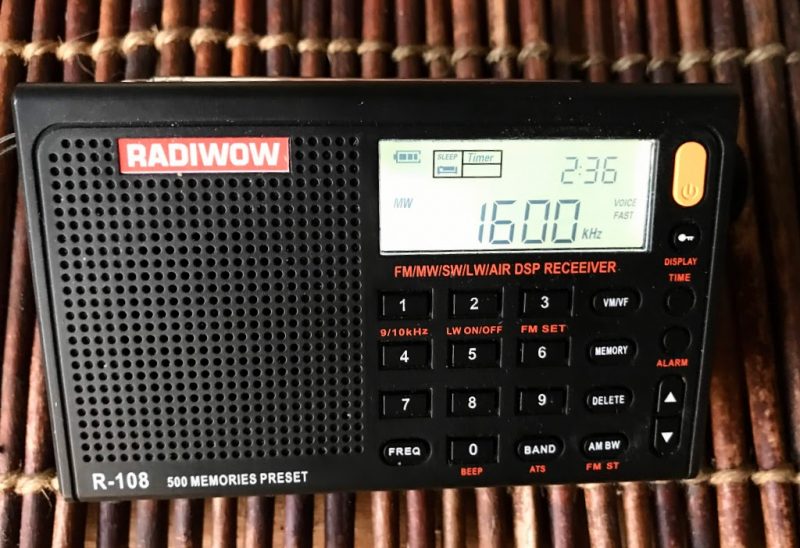
As I mentioned in a post yesterday, I’ve been spending time with the Radiwow R-108 in an effort to give it a proper evaluation.

One quirk that has been a little hard to pin down is the occasional DSP birdie on the mediumwave band. [BTW: A “birdie” an unwanted internally-generated noise which, in this case, manifests itself as a variable squeal. Click here to learn more.]

When I first received the R-108, I noticed that each time I turned it on while tuned to the mediumwave (AM broadcast) band, I’d hear a temporary birdie/squeal that would last anywhere from two to seven seconds. After the initial noise, the squeal would go away.

During long (one hour plus) listening sessions, the squeal would sometimes reappear for a few seconds seemingly at random.

Turns out, there’s a pattern that I overlooked.

Yesterday, I turned on the R-108 and a birdie was present on 1600 kHz. Unlike previous listening sessions, the variable squeal was persistent–it didn’t go away after a few seconds. I pulled out my phone and took a quick video (moving quite far away to show that my phone wasn’t the source of noise):

Click here to view on YouTube.

There were two factors I think may have been responsible for the persistent birdie:

  1. The broadcast signal on 1600 kHz was weaker than normal
  2. The R-108 battery was at 50% or less

Perhaps the battery has nothing to do with this, other than it might have had a slight negative impact on the receiver sensitivity?

Still, my observations confirm that when the battery is fully-charged, the birdies are overall less prevalent.

I tuned off of 1600 kHz and the the birdie disappeared. Even on 1590 kHz or 1610 kHz where there were only faint signals, there was no birdie.

I should note here that 1600 kHz is home to my favorite regional AM station, so quite often when I turn on the R-108, it defaults to 1600 kHz (hence the reason the birdie seemed to plague me).

I then tuned down the dial in 10 kHz steps until I noticed another persistent birdie on 1200 kHz:

Click here to view on YouTube.

The birdie on 1200 kHz was fainter than the one on 1600 kHz–perhaps half the intensity.

The pattern seemed way too familiar, so I looked into the SWLing Post archives and discovered that the Sangean ATS-405 also had birdies in the same locations on the MW dial.

Here’s a video of the ATS-405 birdie on 1600 kHz:

Click here to view on YouTube.

Obviously, the ATS-405 and R-108 either share the same DSP chip, or the design/implementation is similar.

I checked the R-108’s entire mediumwave band and discovered one more birdie on 800 kHz, although quite faint:

Click here to view on YouTube.

So far, I haven’t had the time to do a full survey of the shortwave bands to see if the birdie is present on HF as well.

I know that there are a few other R-108 owners out there who took advantage of Radiwow’s special pricing on pre-production models to do initial reviews. Please comment if you have also noticed birdies or any other quirks on your R-108 sample.