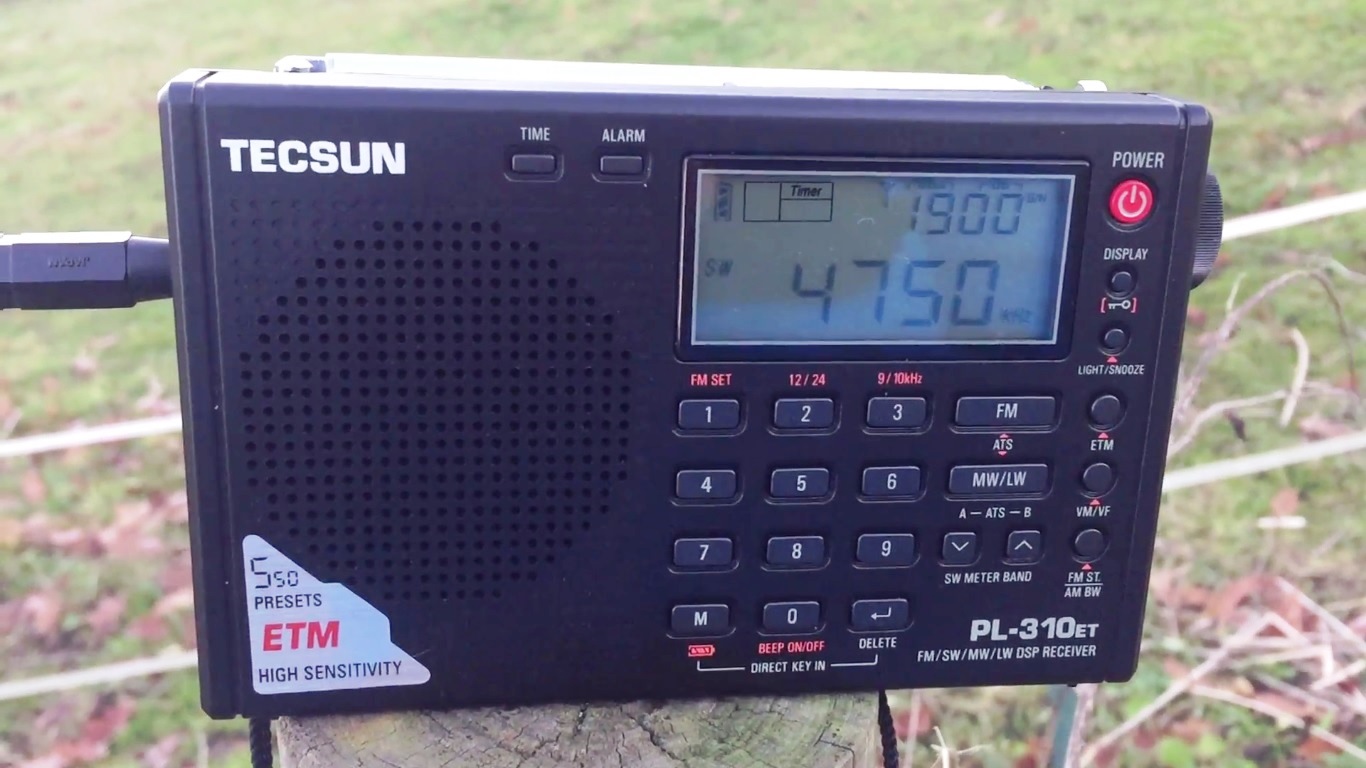
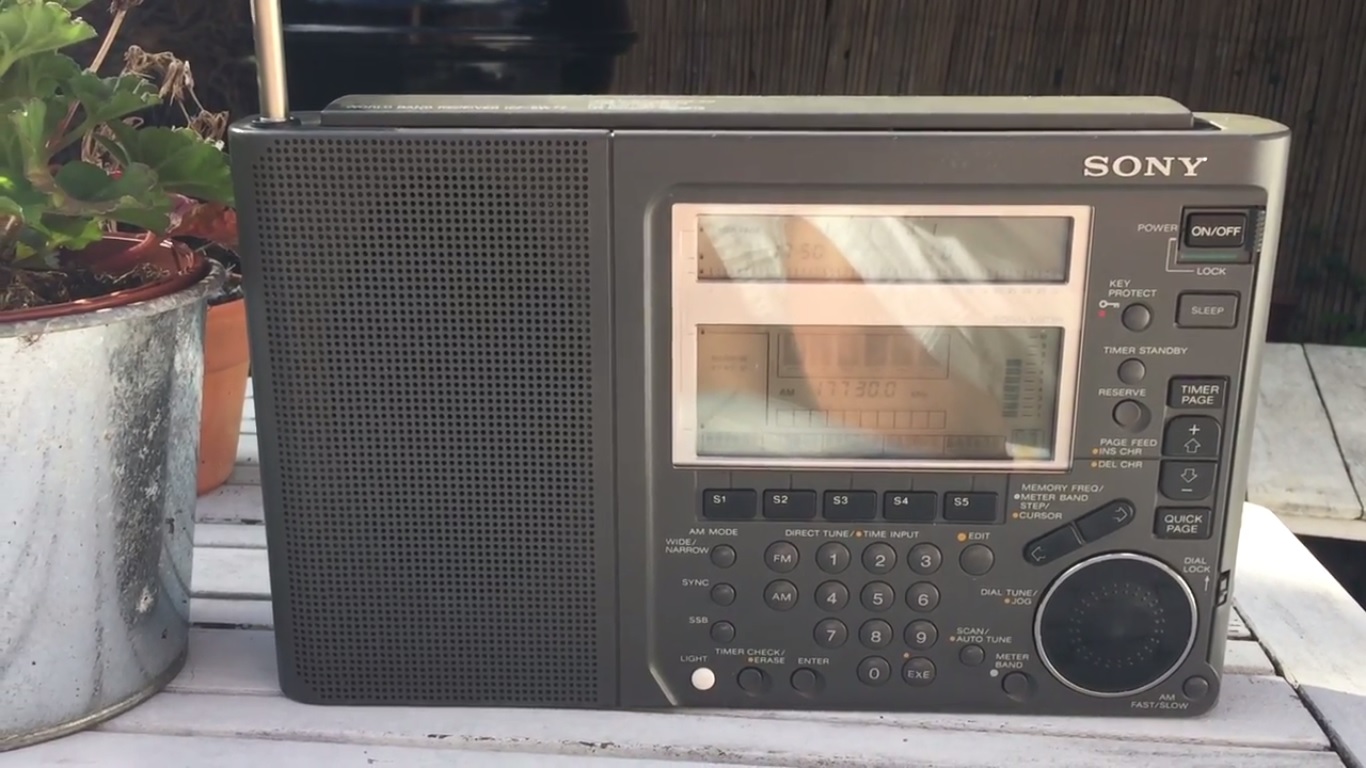
 Hi there, I recently posted an article regarding a couple of recent DX catches with the Sony ICF-SW77 receiver and went on to explain the background to a multi-receiver test I had started conducting, comparing it with its stablemate of the time the ICF-SW55 and, just for the hell of it, a more modern, yet modest portable in the shape of the brilliant little Tecsun PL-310ET. Sony ICF-SW77
The initial results confirmed the performance of the Sony receivers to be very similar and thus the justification for the original price delta of £100 in the UK to remain in question. The first target signals chosen and in the original post were ABC Northern Territories on 4835 kHz and Radio Mali on 9635 kHz.
 Sony ICF-SW55 Tecsun PL-310ET
The initial results reinforced my view that the PL-310ET is a great portable for relatively small money; it managed to copy both signals, something you might not expect from what is essentially a budget receiver.
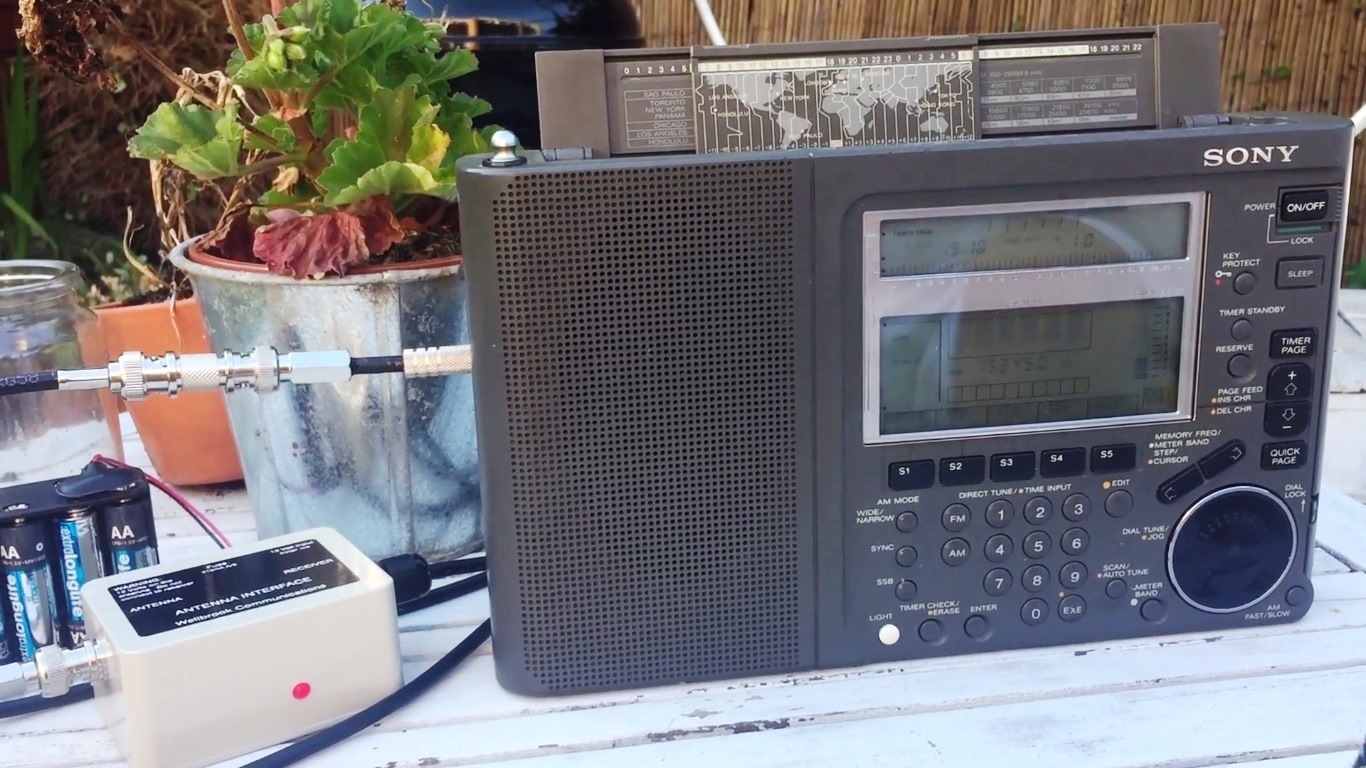
Below are links to the next 6 reception videos on the Oxford Shortwave Log YouTube channel and once again, featuring all three radios. I have used two different antennas during the testing – a 75 metre longwire and the Wellbrook ALA1530 active loop, running on batteries. The accompanying text description to the videos indicates which antenna was used.
Although the PL-310ET clearly struggled with the more ‘hard-core’ DX signals amongst those detailed below, the fact is, for less than £40 in the UK (and I’m certain even less elsewhere), Tecsun have delivered us a portable radio that really is capable of real DX. With DSP, a number of audio bandwidth filter options and great sensitivity, it’s a winner for beginners to DXing and to ‘old hands’ who want a radio in their pocket when they take the dog for a walk for example (something I do all the time – you never know when you’re going to come across the next barbed wire fence!). As for the Sonys, well I’m still not convinced one way or the other that the £100 price delta on the original price of the ICF-SW77 was worth the money – the ICF-SW55 is pretty close to it in terms of delivering discernible audio across all of the below reception videos. I’d be interested in your views and note there will be a final posting on this 3-way receiver comparison to wrap things up. In the meantime, thanks for reading/watching/listening and I wish you good DX!
- Sony ICF-SW77 vs ICF-SW55 vs Tecsun PL-310ET: Zambia NBC Radio 1 5915 kHz
- Sony ICF-SW77 vs ICF-SW55 vs Tecsun PL-310ET: R. Bandeirantes 11925 kHz, Sao Paolo
- Sony ICF-SW77 vs ICF-SW55 vs Tecsun PL-310ET: R. Fana 6110 kHz, Addis Ababa, Ethiopia
- Sony ICF-SW77 vs ICF-SW55 vs Tecsun PL-310ET: Rádio Nacional de Angola 4949.73 kHz
- Sony ICF-SW77 vs ICF-SW55 vs Tecsun PL-310ET: Radio Sonder Grense 3320 kHz, Meyerton
- Sony ICF-SW77 vs ICF-SW55 vs Tecsun PL-310ET: Radio Hargeysa 7120 kHz, Somaliland
Enbedded videos follow below.
Clint Gouveia is the author of this post and a regular contributor to the SWLing Post. Clint actively publishes videos of his shortwave radio excursions on his YouTube channel: Oxford Shortwave Log. Clint is based in Oxfordshire, England.