Category Archives: Shortwave Radio

Going By the Numbers

For those who follow numbers stations or, like me, enjoy seeing articles about numbers stations, below are a few paragraphs from a recent article in Radio World by author James Careless:

“6-7-9-2-6. 5-6-9-9-0.” Tune across the shortwave bands (above AM/MW), and chances are you will come across a “numbers station.” There’s no programming to speak of; just a mechanical-sounding voice (male or female) methodically announcing seemingly random groups of single digit numbers for minutes on end.

Congratulations! You are now officially a spy-catcher, to the extent that you may have tuned into a spy agency’s “numbers station” transmitting one-way instructions to their minions worldwide.

Numbers stations are unidentified radio broadcasts that consist usually of a mechanical voice “reading out strings of seemingly random numbers,” explained Lewis Bush, author of “Shadows of the State” a new history of numbers stations and the spies who run them. “These are sometimes accompanied by music, tones or other sound effects.” He said. “There are also related stations broadcasting in Morse Code and digital modes.”

The article goes into some of the history of numbers stations, but also talks about modern stations from all over the world. A worthwhile read for those so interested!

Do Shortwave ‘Numbers Stations’ Really Instruct Spies?

Cheers! Robert AK3Q

Robert Gulley, AK3Q, is the author of this post and a regular contributor to the SWLing Post. Robert also blogs at All Things Radio.
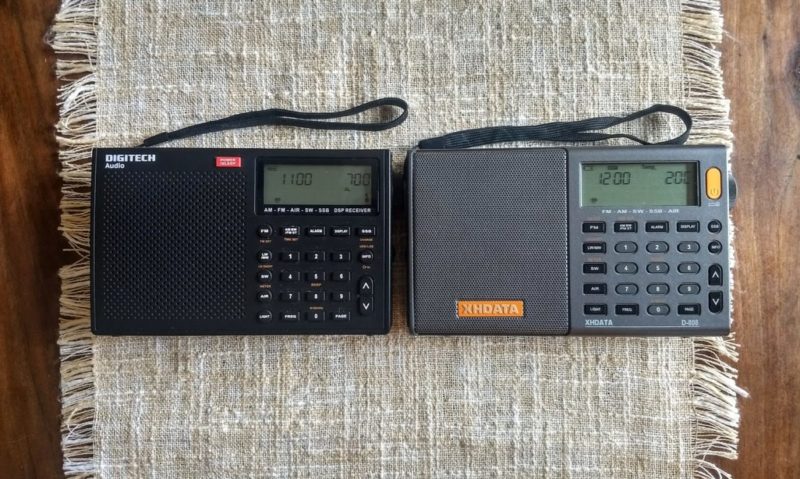
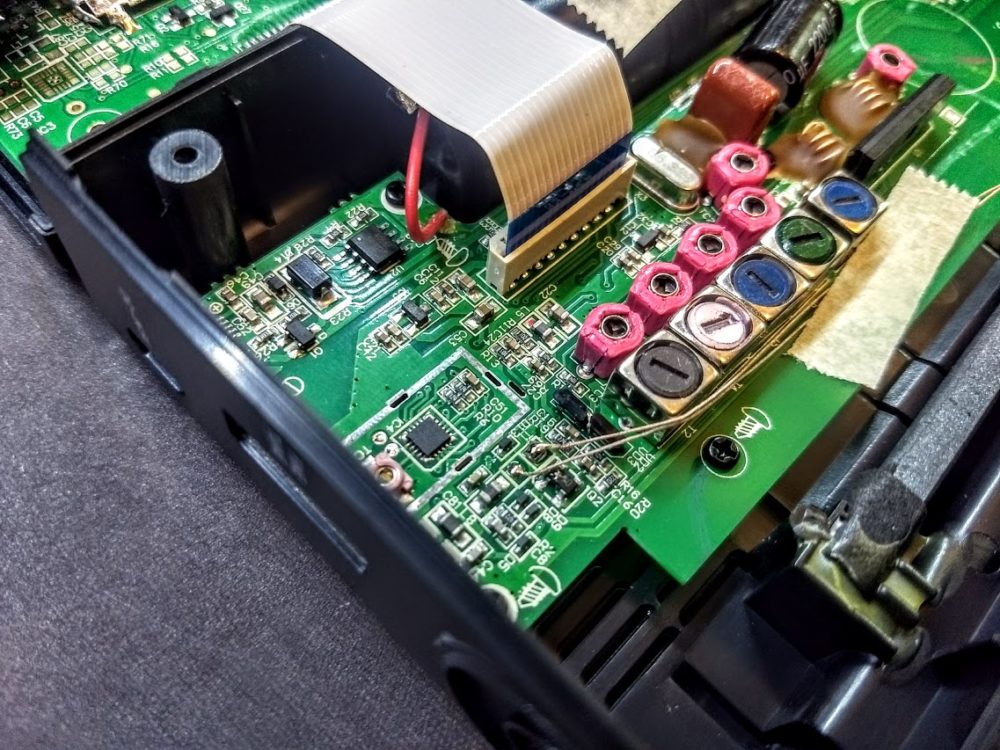
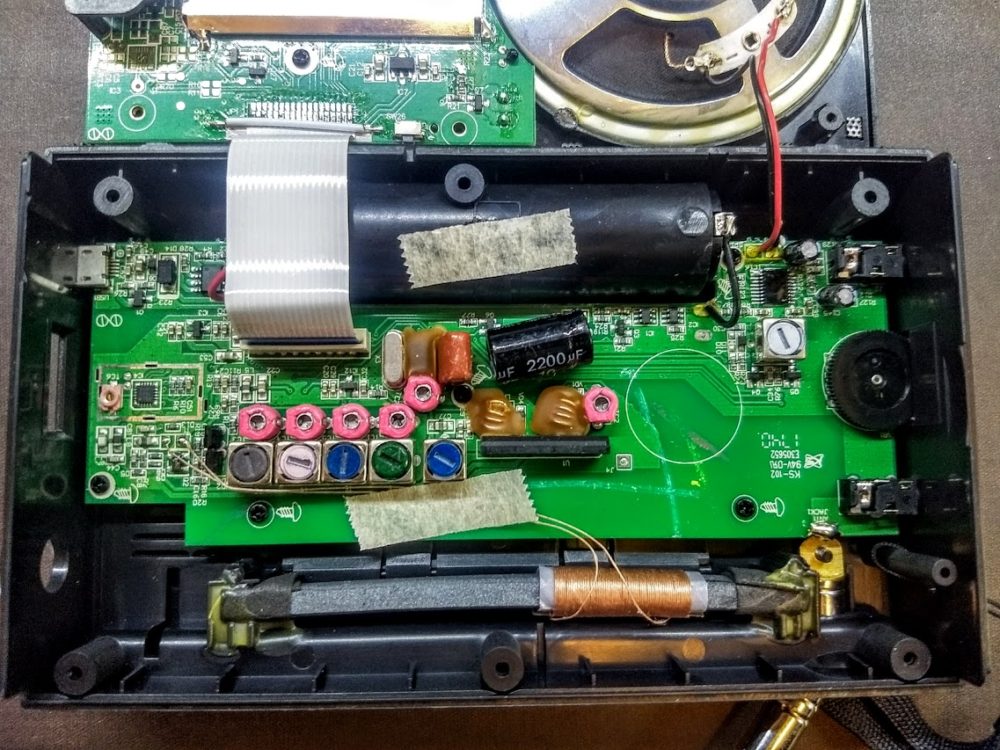
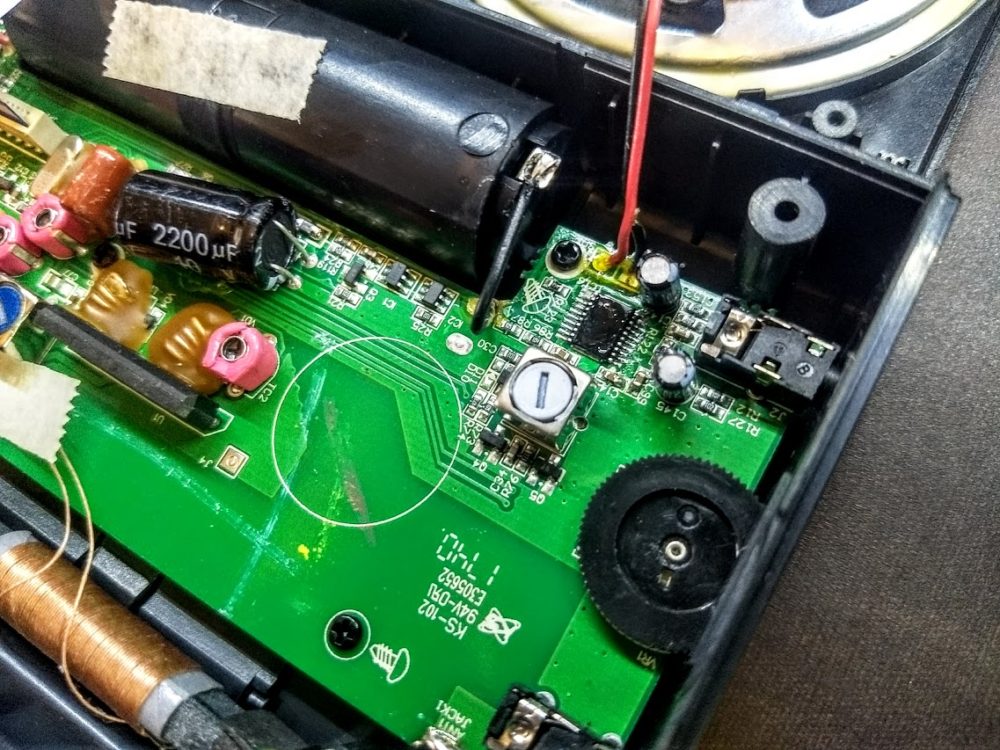
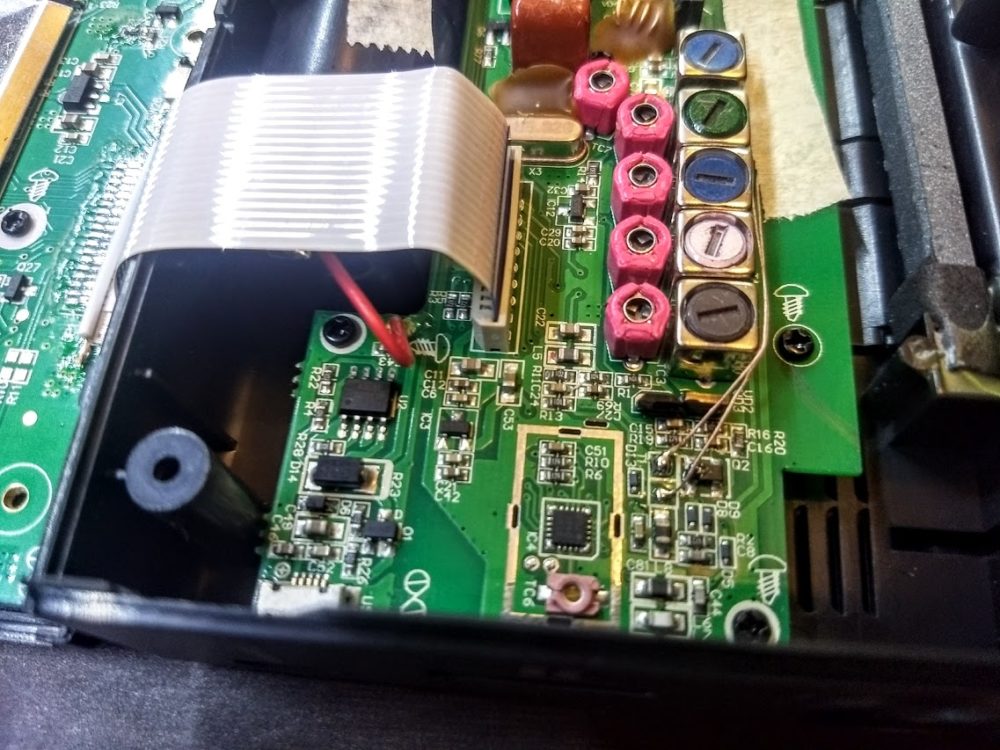
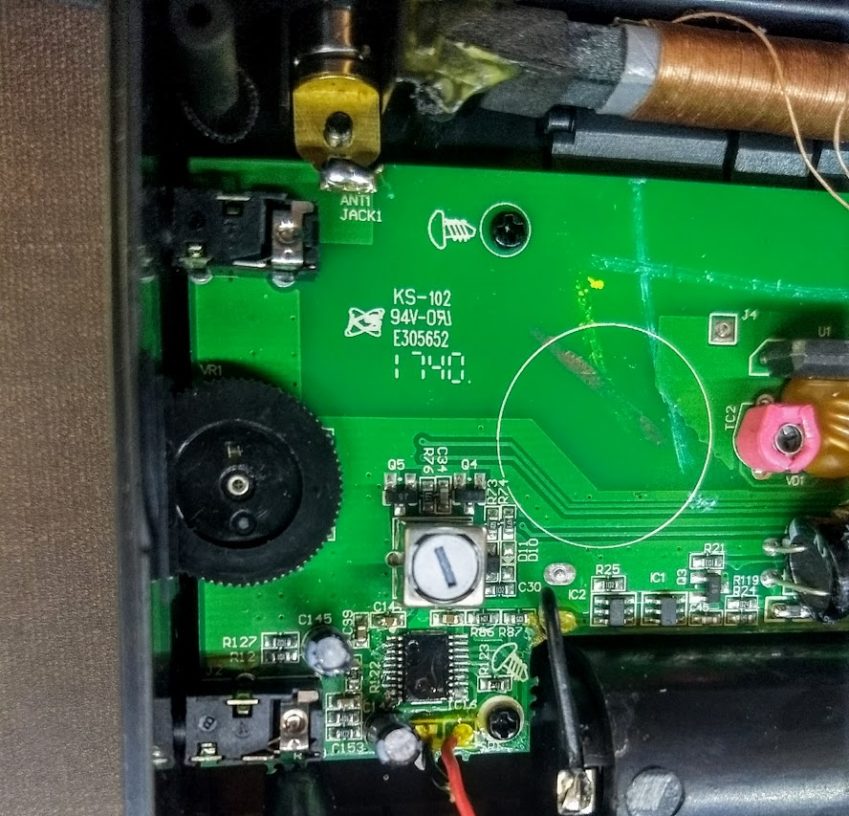
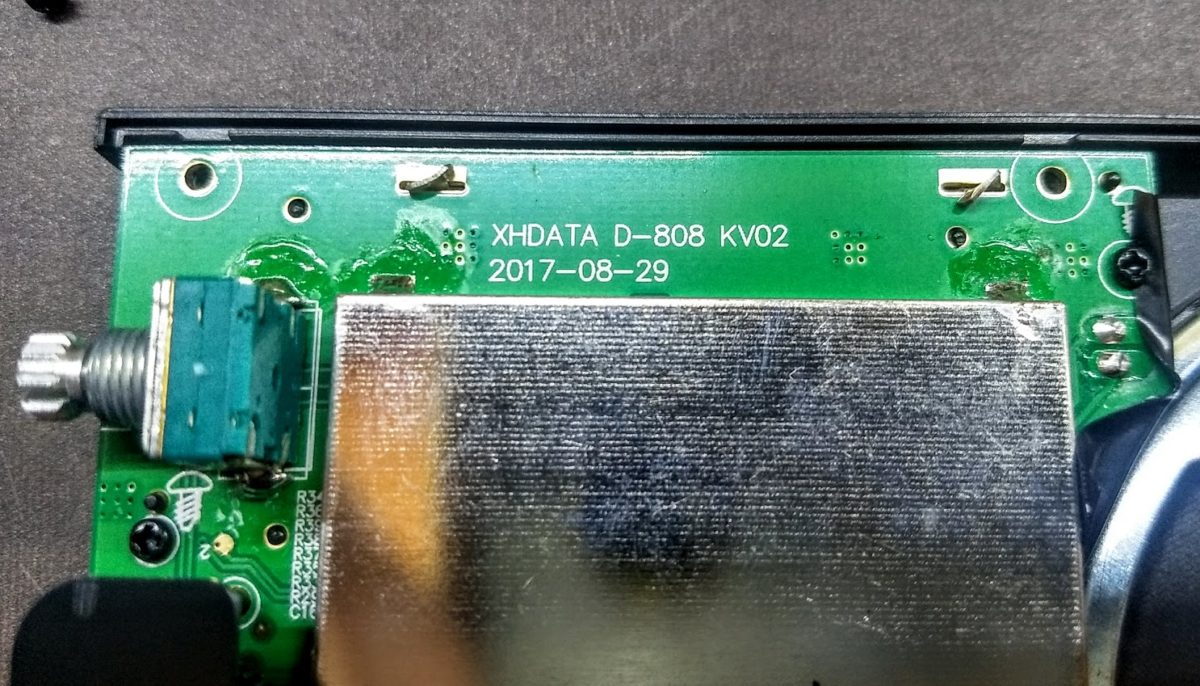
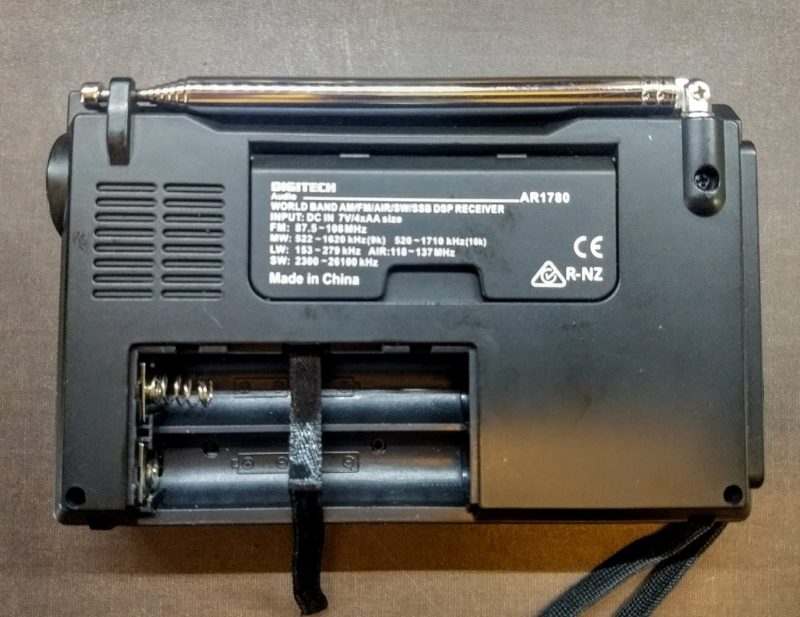
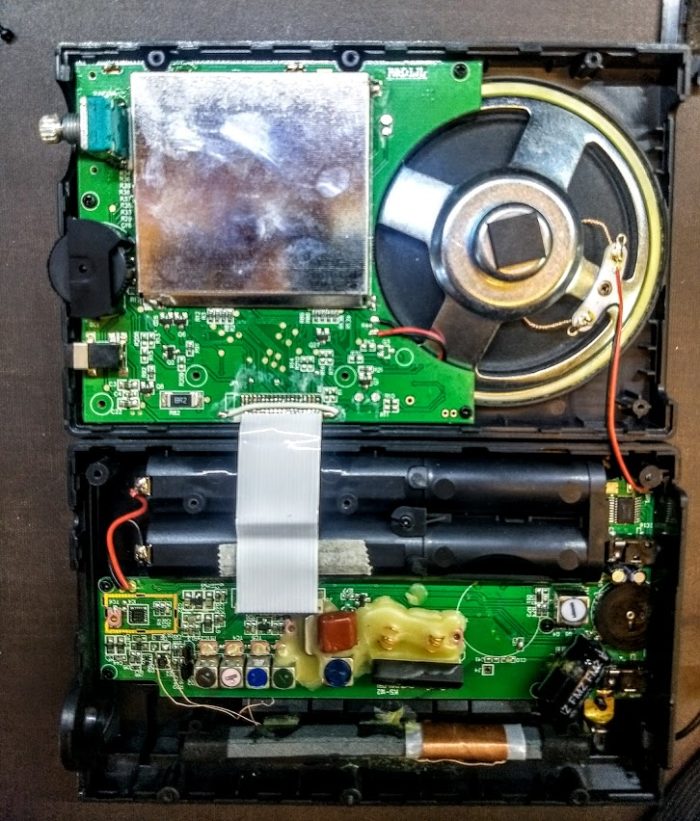
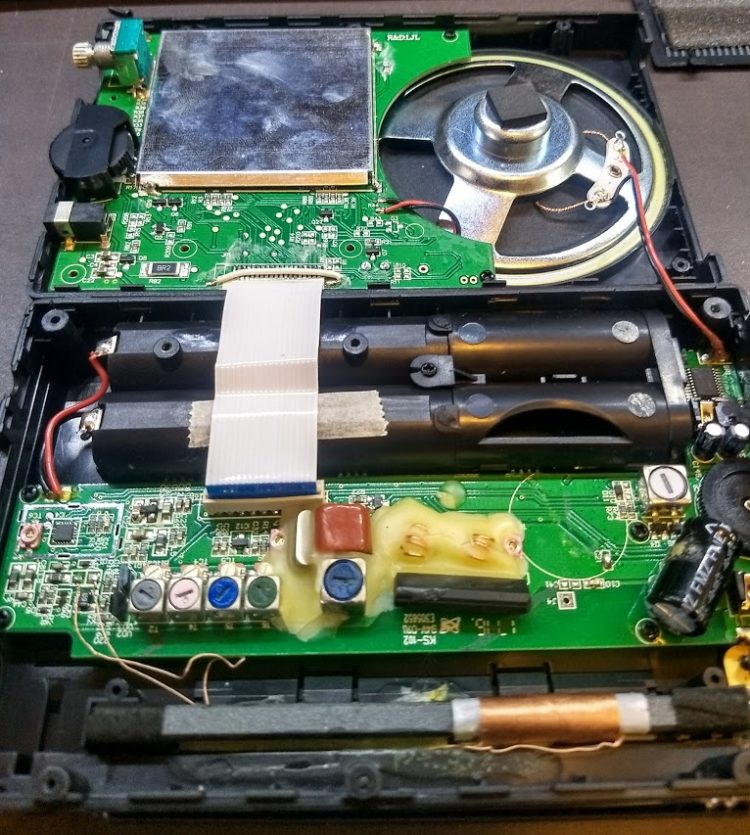
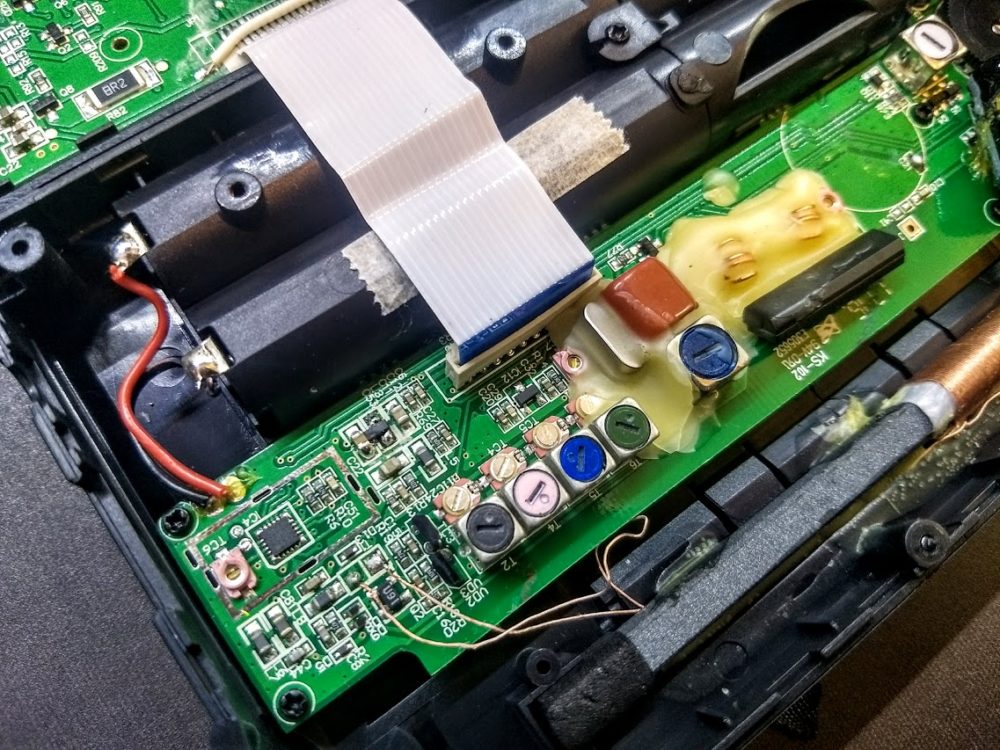
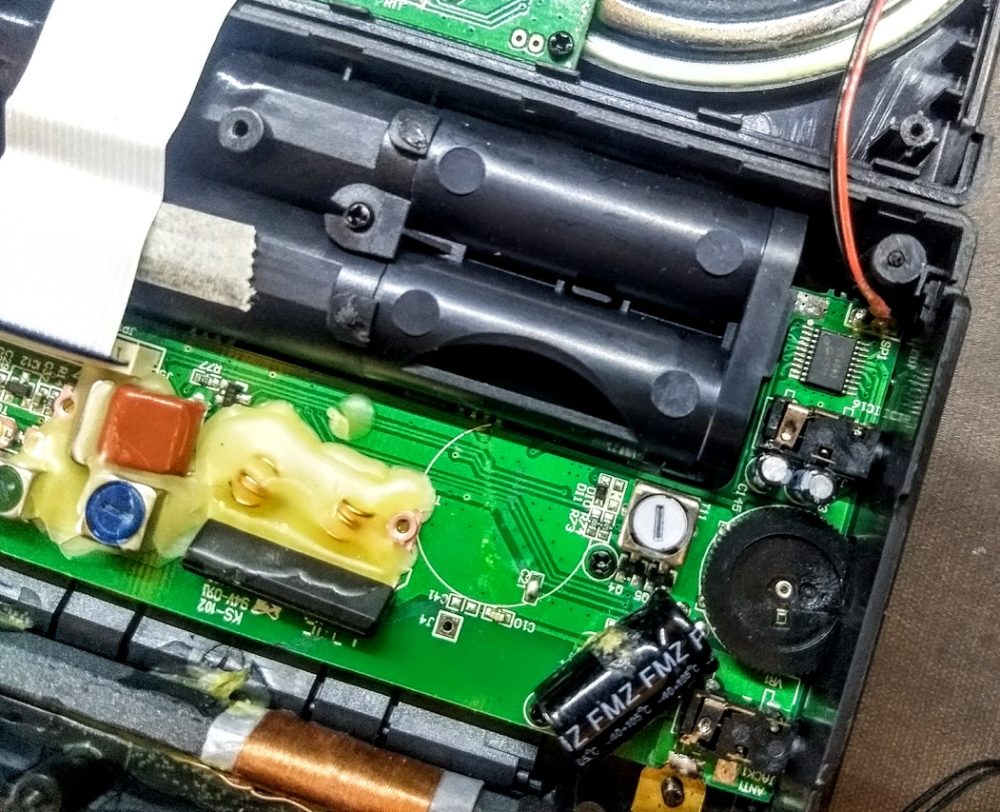
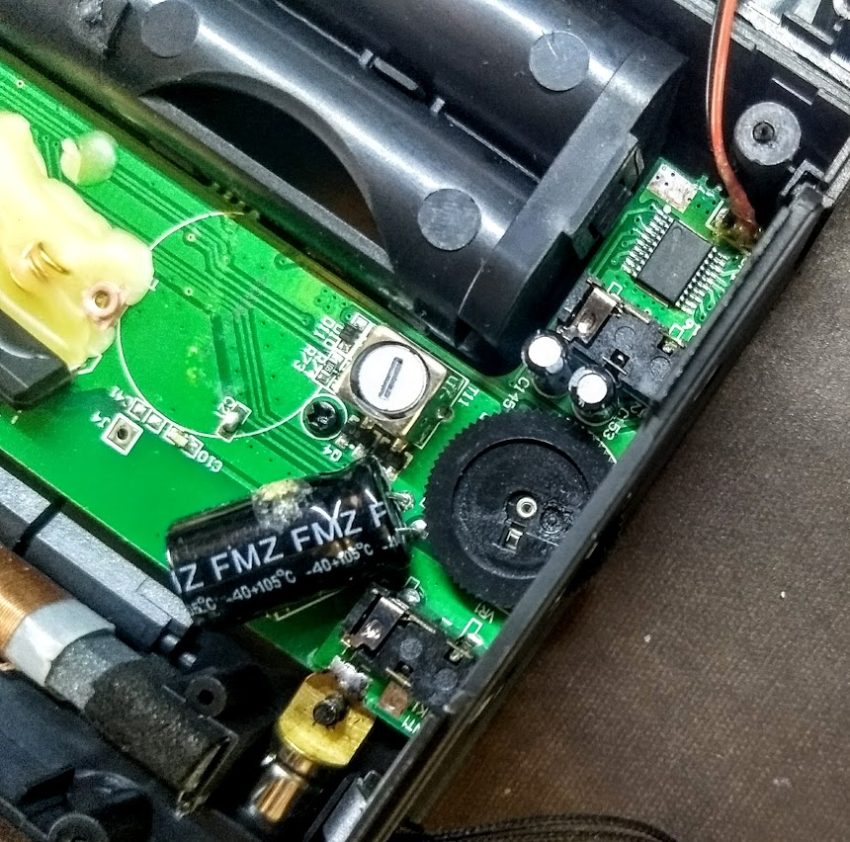
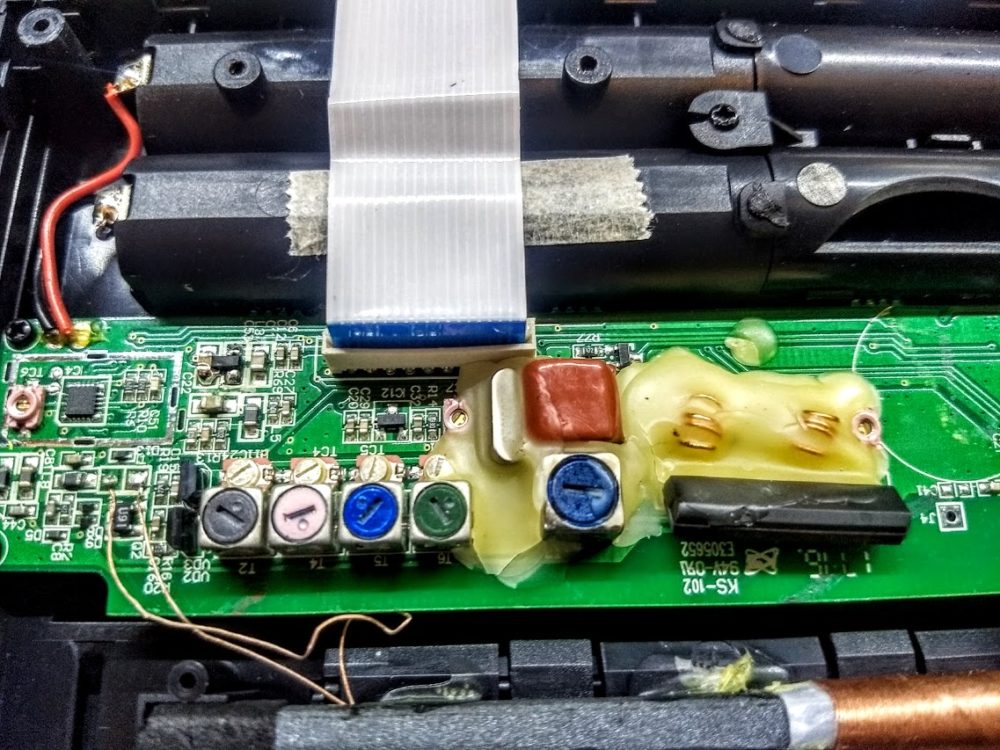
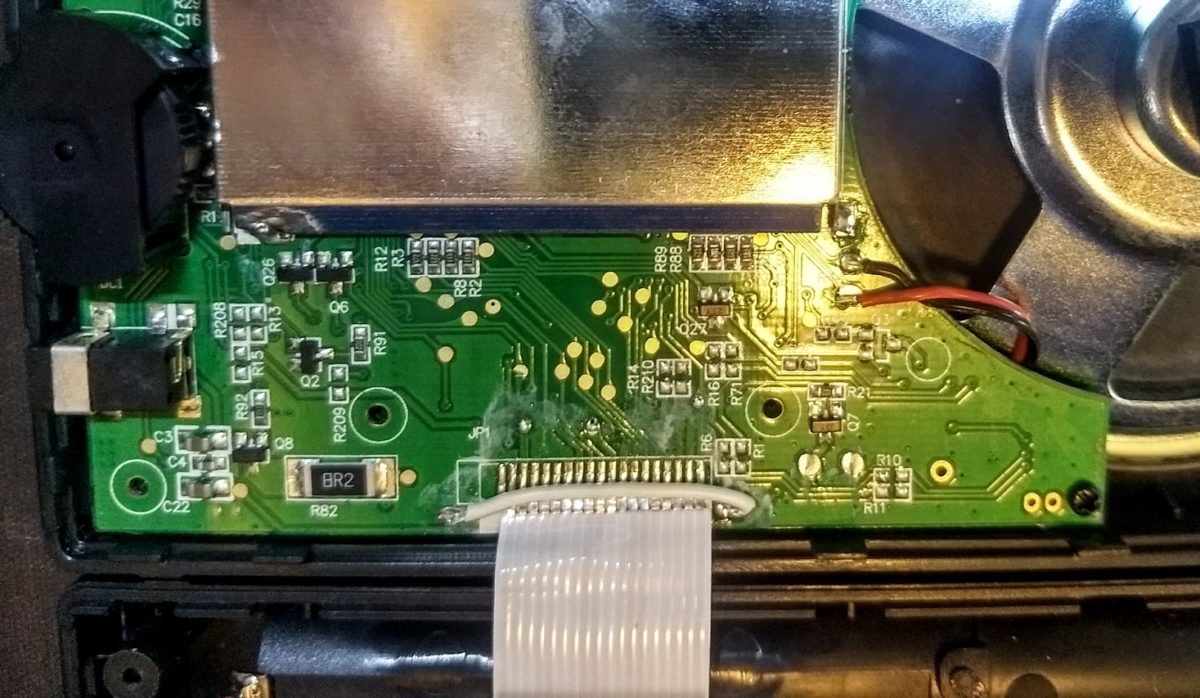
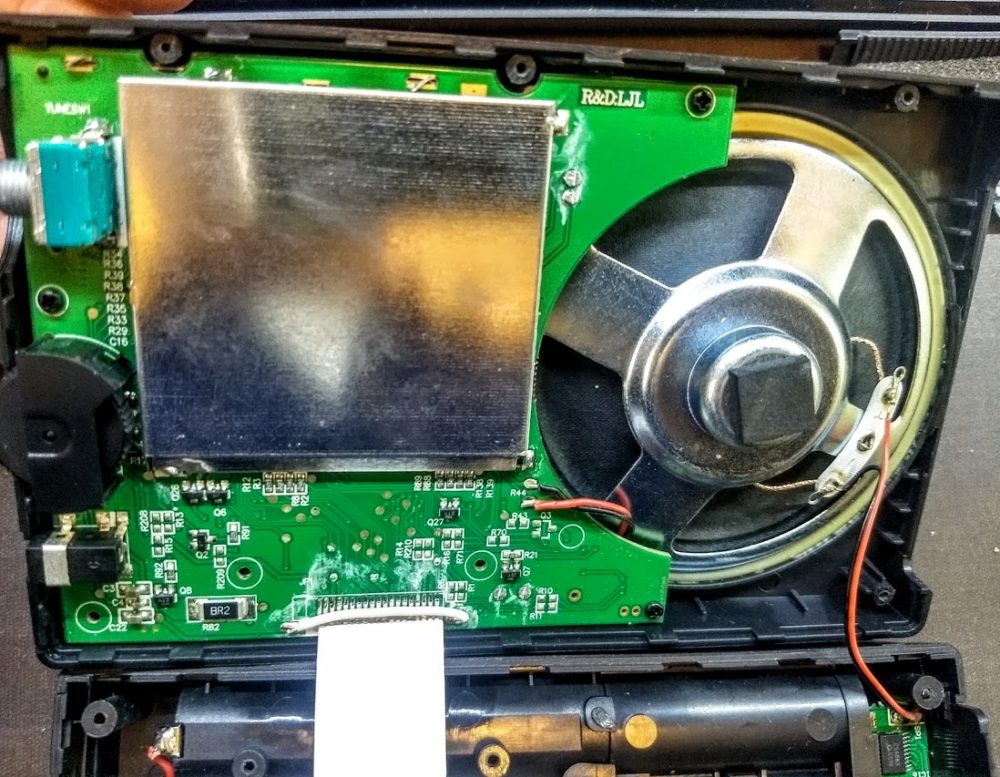
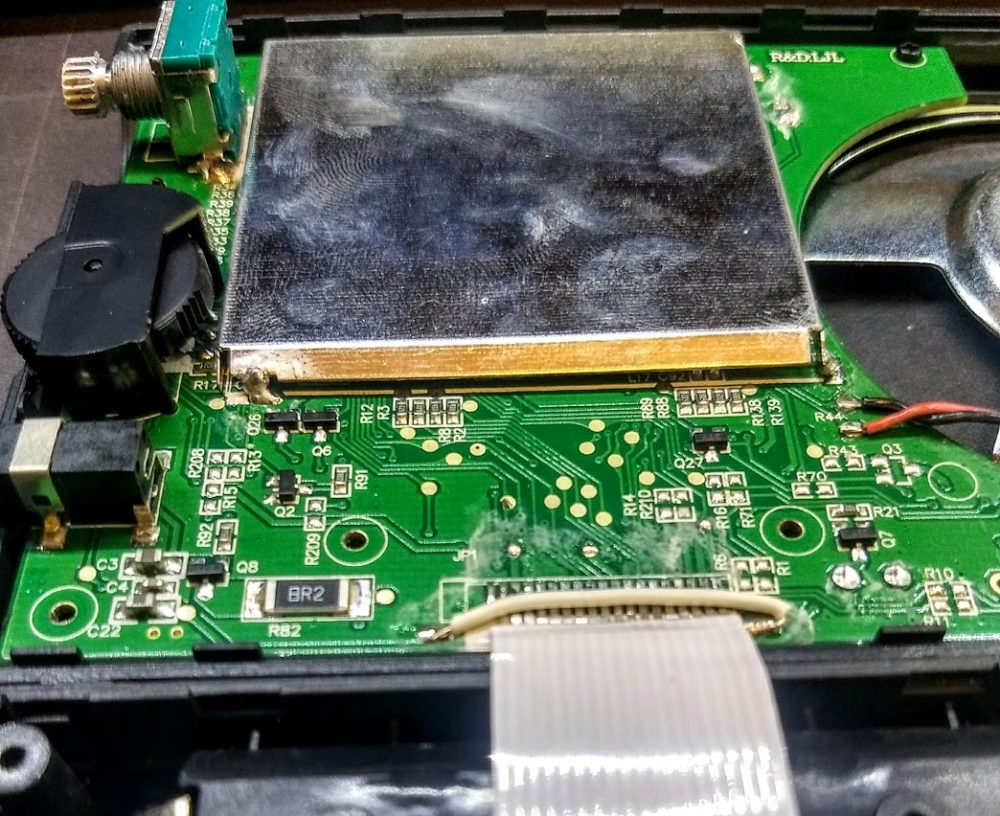
Looking under the hood: Comparing the XHDATA D-808 and Digitech AR-1780

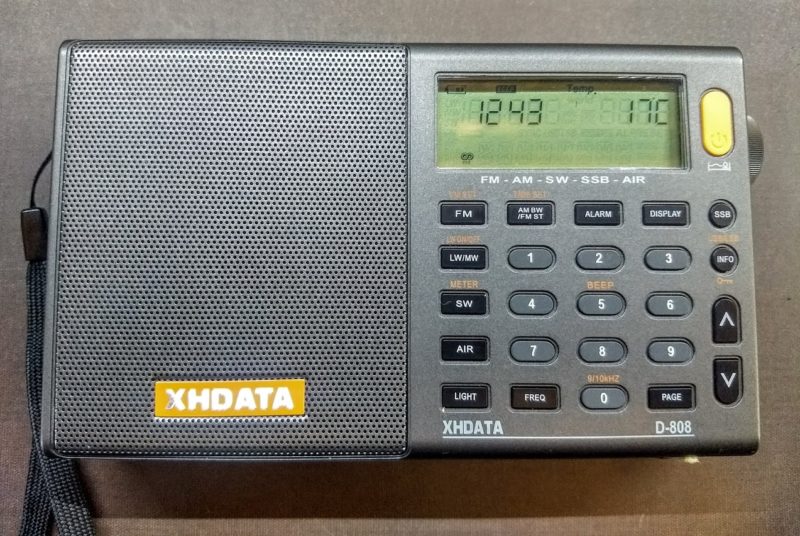
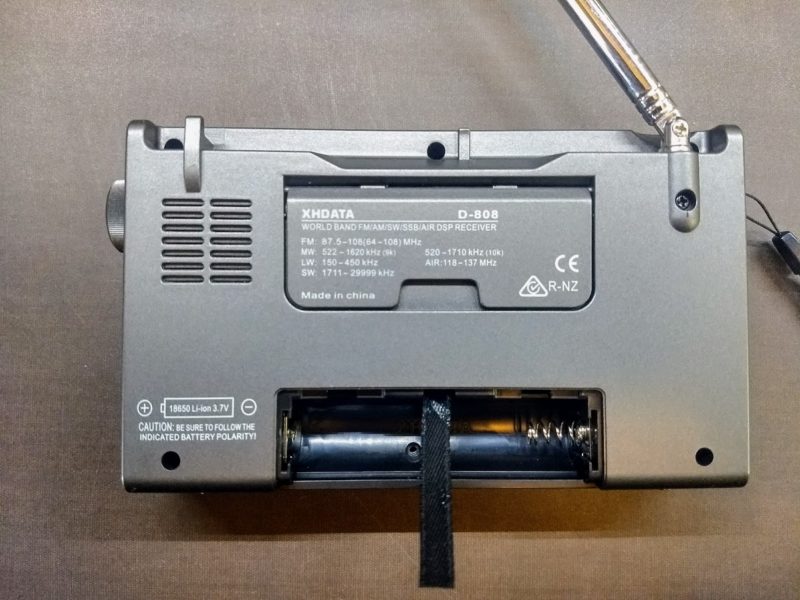
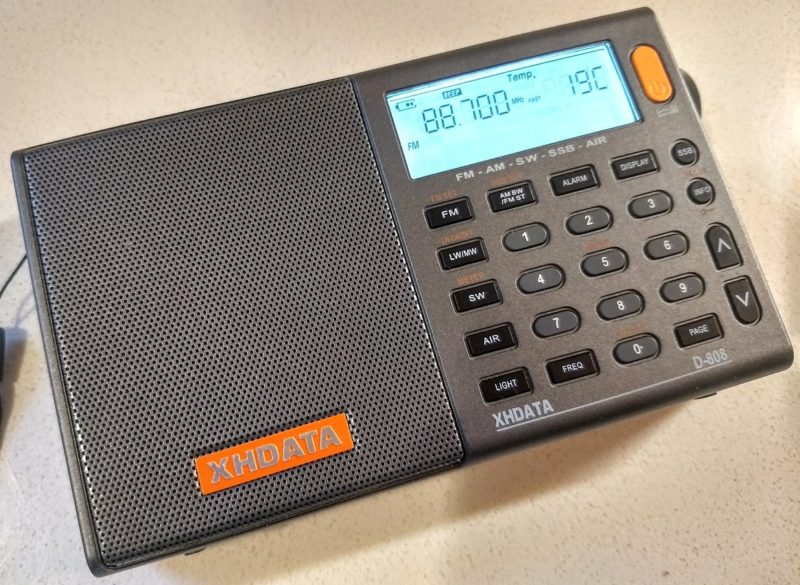
Last week, I posted a few photos of the new XHDATA D-808 and Digitech AR-1780–two of the hottest portable shortwave radios to hit the market in recent months.

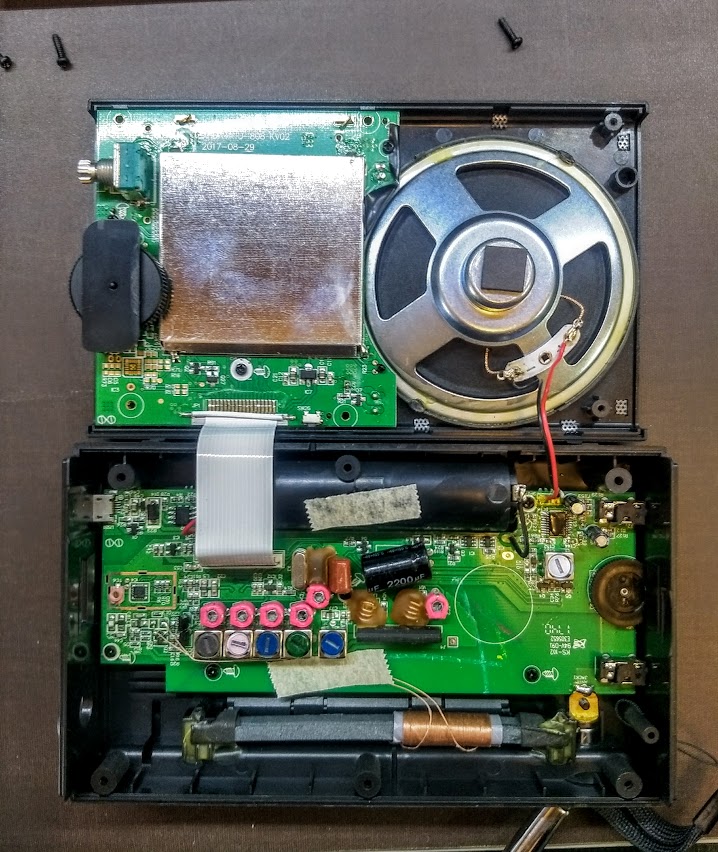
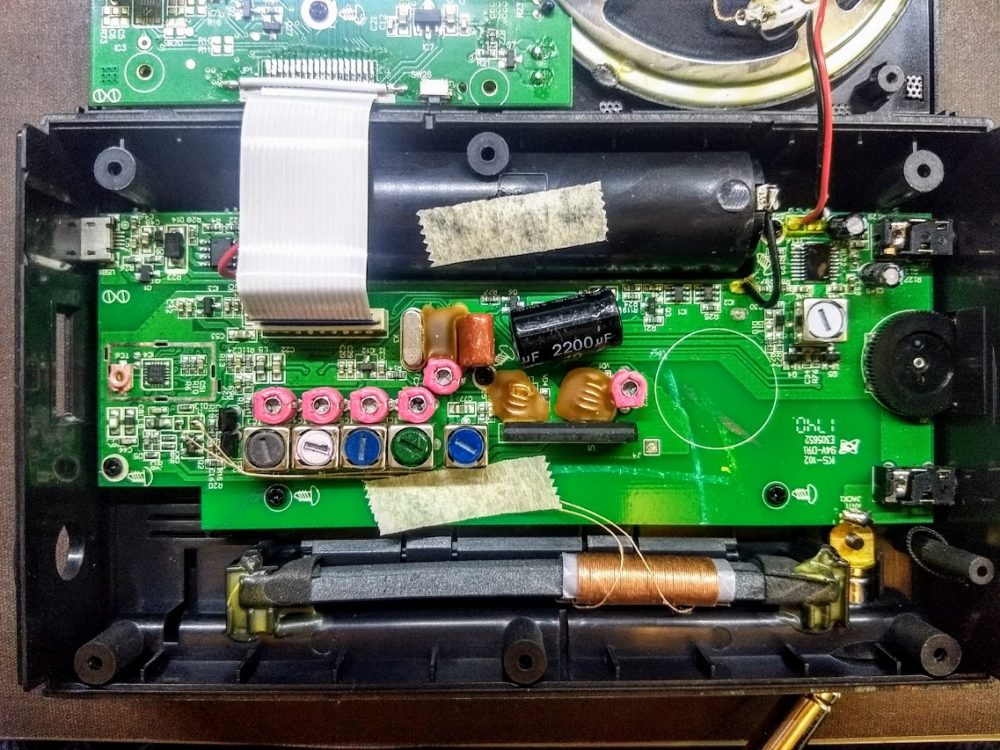
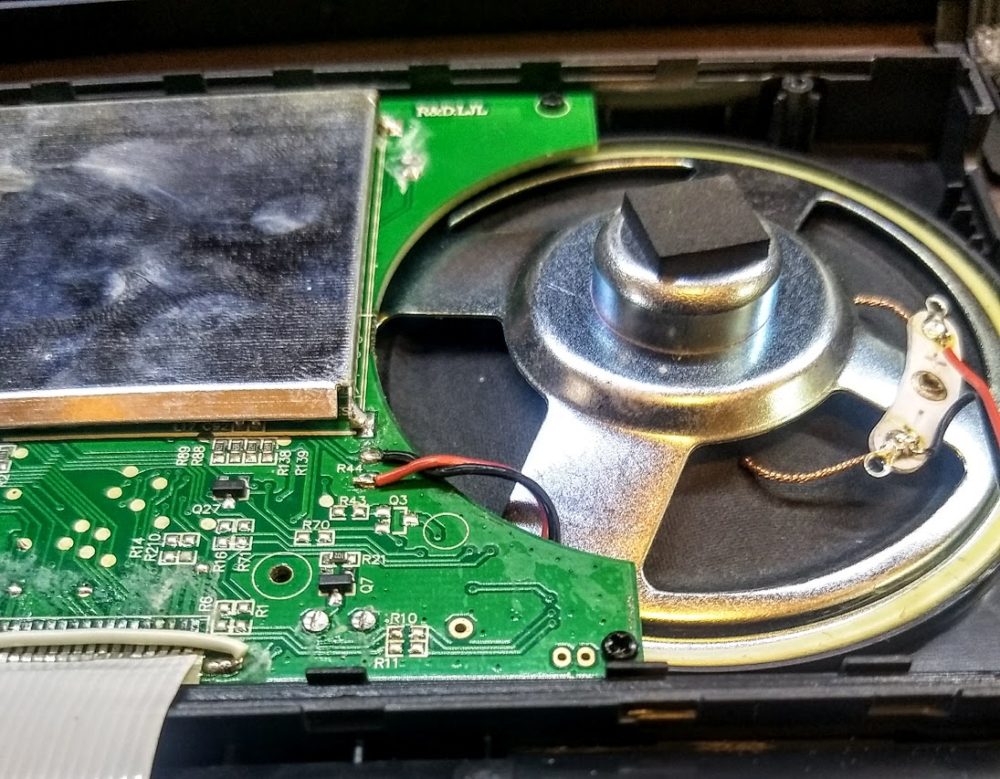
Several readers have requested “under the hood” photos of each radio, to compare internal designs. This morning, I had a few minutes to crack open each radio and take a few shots. Note that I didn’t pull off the circuit boards from the chassis or try to take a look behind shielding. I have yet to do proper performance comparison tests with these radios and didn’t want to accidentally compromise one (especially since the XHDATA D-808 is getting complicated to purchase here in the US).

Inside the XHDATA D-808

Opening the D-808 requires pulling off the encoder knob and removing a total of  six small screws. Note that one of the screws is located in the battery compartment. Click photos to enlarge:

Inside the Digitech AR-1780

Opening the AR-1780 requires pulling off the encoder knob (not an easy task on my unit) and removing a total of seven small screws. Note that two of the screws are located in the battery compartment. Click photos to enlarge:

XHDATA D-808: A Shortwave Comparison Against Four Other Portables

When the clouds part and the sun shines during the winter in the Seattle, Washington area, it’s time for a celebration! I decided to take advantage of the mild weather and compare the XDATA D-808 (a real upstart in the marketplace, and a value leader in portables) against a few other radios on a nice daytime signal from Radio New Zealand International, 15720 kHz.

Besides the D-808, receivers compared to each other were: the C. Crane Skywave SSB (complete with stray cat’s whisker on the LCD :^) , the Eton Executive Satellit, the Grundig G3, and a beautiful example of the rare Sony ICF-SW1000T (sometimes called the Sony Shortwave Walkman due to the built-in cassette recorder). My apologies for the lower audio setting on the G3.

The antenna used with each radio was a PK Loops “Ham Loop” antenna, which is advertised as covering 3.5 – 14.5 MHz, but my loop actually tunes approximately 3.2 MHz to 15.8 MHz. I also briefly received RNZI on each radio’s own whip antenna.

I used the 3.0 kHz bandwidth on all the SiLabs DSP radios, and the narrow filter on the G3. The ICF-SW1000T has a single filter, so it cannot be adjusted.

https://youtu.be/9cvHBojoGbk

Since the G3 and the ICF-SW1000T have the option of synchronous-AM detection, in the video I cycle through those modes on these receivers.

RNZI on their 15720 kHz frequency is often at a good, program listening level in my local afternoons. Next week I plan to seek out and share videos of the D-808 with weak DX signals from an RF-quiet location on the Oregon coast.

Which receiver sounds the best to you with the external antenna, and which one shines with its own whip aerial? Please share your thoughts in the comments below.


Guy Atkins is a Sr. Graphic Designer for T-Mobile and lives near Seattle, Washington.  He’s a regular contributor to the SWLing Post.

Mark recommends the Otterbox 3000 as a robust case for the XHDATA D-808

Many thanks to SWLing Post contributor, Mark Hirst, who writes:

Thomas,

I’m something of an obsessive when it comes to hardcore protective cases for radios, phones and other gadgets.

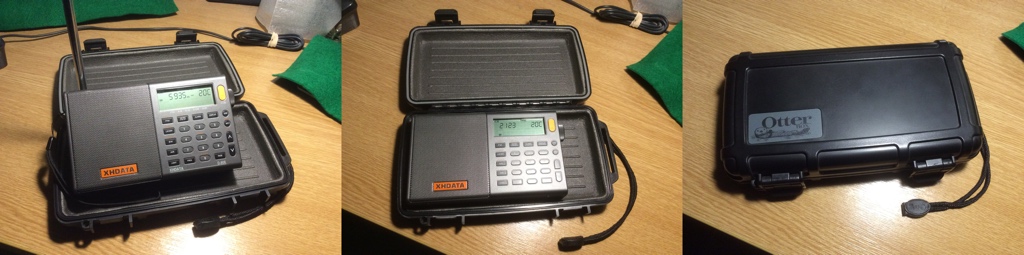
I was very pleased then to discover that my new XHDATA D-80, which arrived today from Amazon UK, fits inside my Otterbox 3000 dry box with room to fit small accessories.

Click to enlarge

Although they are discontinued now, I’ve picked up Otterbox dry boxes (such as the 2000 box) from eBay new or lightly used.

My early impressions of the radio are all positive, and I’m looking forward to exploring it further in the next few days.

Click here to search eBay.

As you well know, Mark, I’m a certified pack and case geek. Seeing how well it fits your D-808, I know the Digitech AR-1780 should fit too.

How enabling of you, Mark! I think I’ll have to grab one of these. I have a couple of Otterboxes, but all larger (deeper) than this one. Purchasing a used case would be safe as Otterbox products are incredibly durable and nearly indestructible.  Thanks for the tip, Mark!

Rolf’s Sony ICF-SW35 mod removes the beep sound

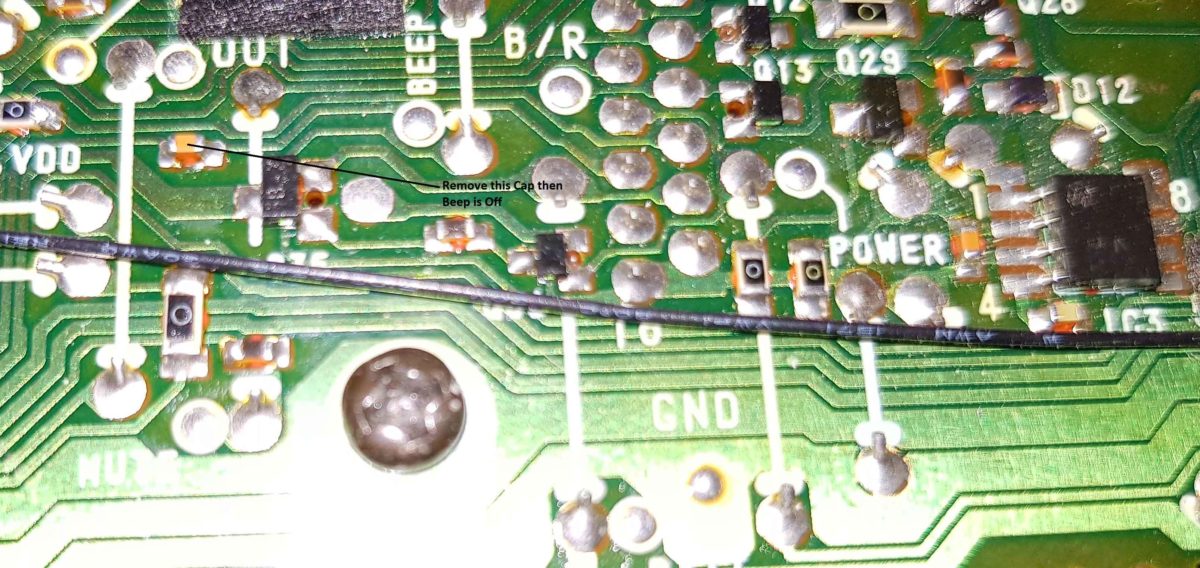
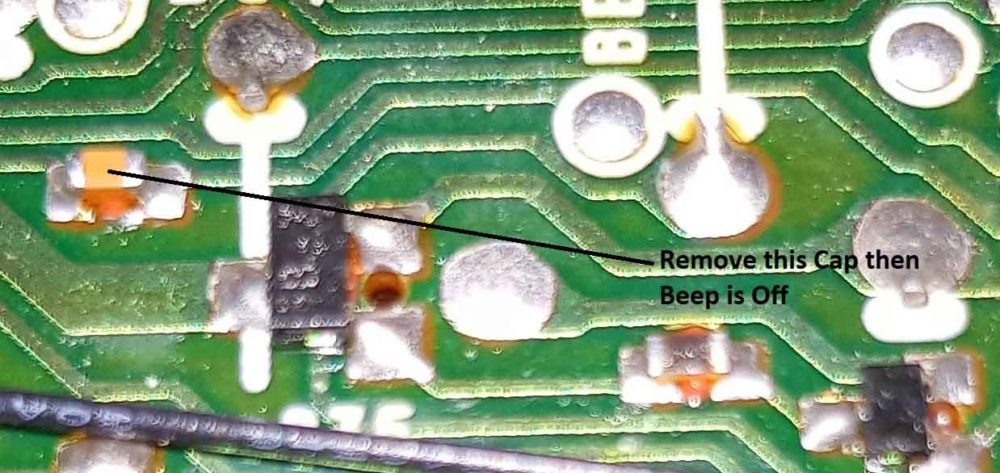
Many thanks to SWLing Post contributor, Rolf Snijder, who shares the following modification for the Sony ICF-SW35. The mod is very simple: remove one capacitor.

Rolf shows the capacitor location on the following images:

Click to enlarge.

Click to enlarge.

Thanks, once again, for sharing your modifications, Rolf!

Ivan compares the AirSpy HF+ to the KiwiSDR

Many thanks to SWLing Post contributor, Ivan (NO2CW), who writes:

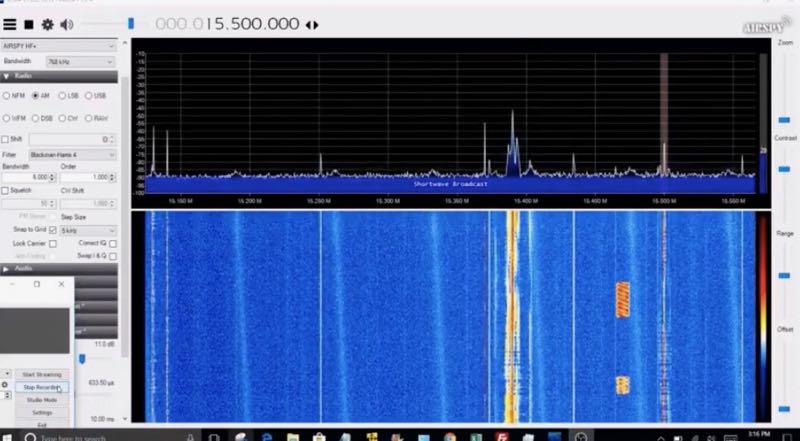
I have been running a public Kiwisdr server for a while and yesterday decided to plug in the new Airspy HF + into the same antenna for a side to side comparison. The antenna is an 80m dipole and the test was done during local afternoon, around 3 PM. I did not use any of the many new noise reduction features that are incorporated into both SDR Console 3 and the SDR web server. The 11 minute video is located here:

Click here to view on YouTube.

When I have the time I will run a similar test in nighttime conditions and also test the Airspy HF+ against a few other radios sitting on my desk.

Thank you for sharing this, Ivan!

A photo tour of the 2018 Greenwood, SC hamfest

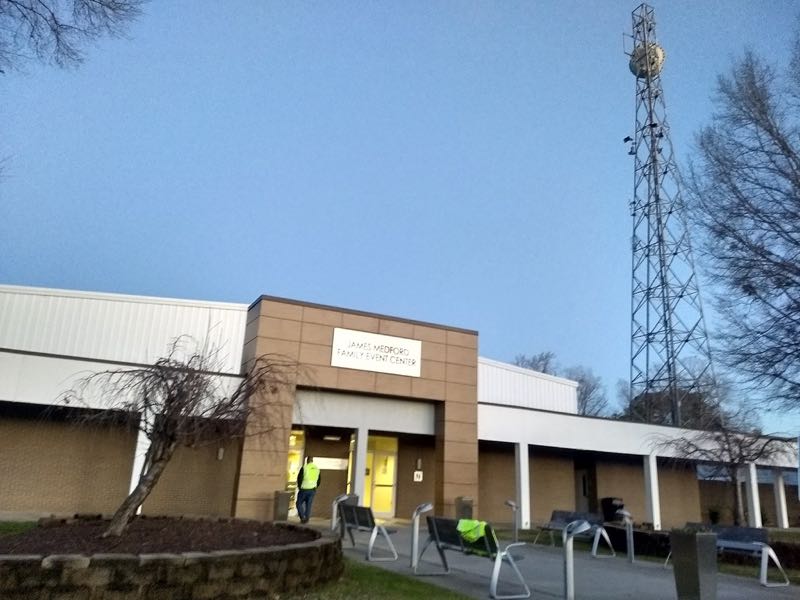
Last week, my buddy Vlado (N3CZ) informed me about a small hamfest in Greenwood, SC–I had never attended, but had heard positive comments about it.

I believe Vlado was somewhat on the fence about going, but once I expressed a strong interest in selling some gear, he did too so it quickly became a plan!

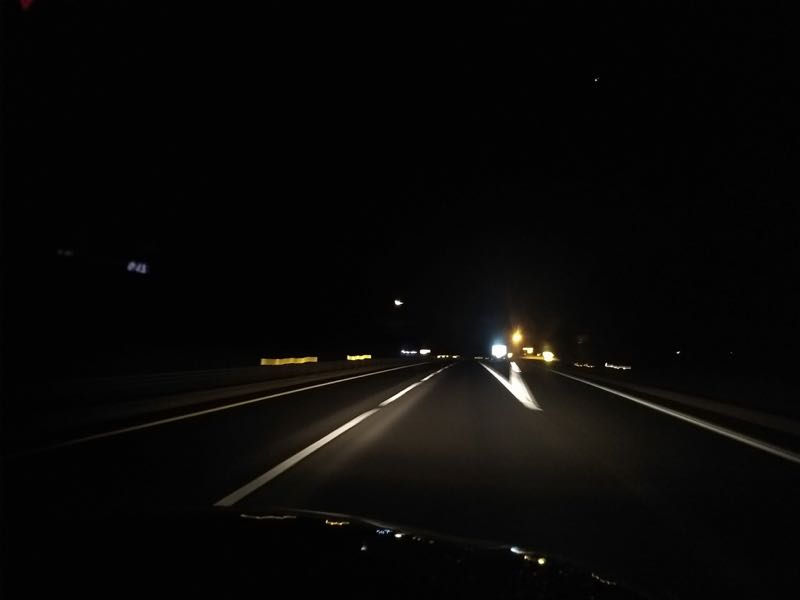
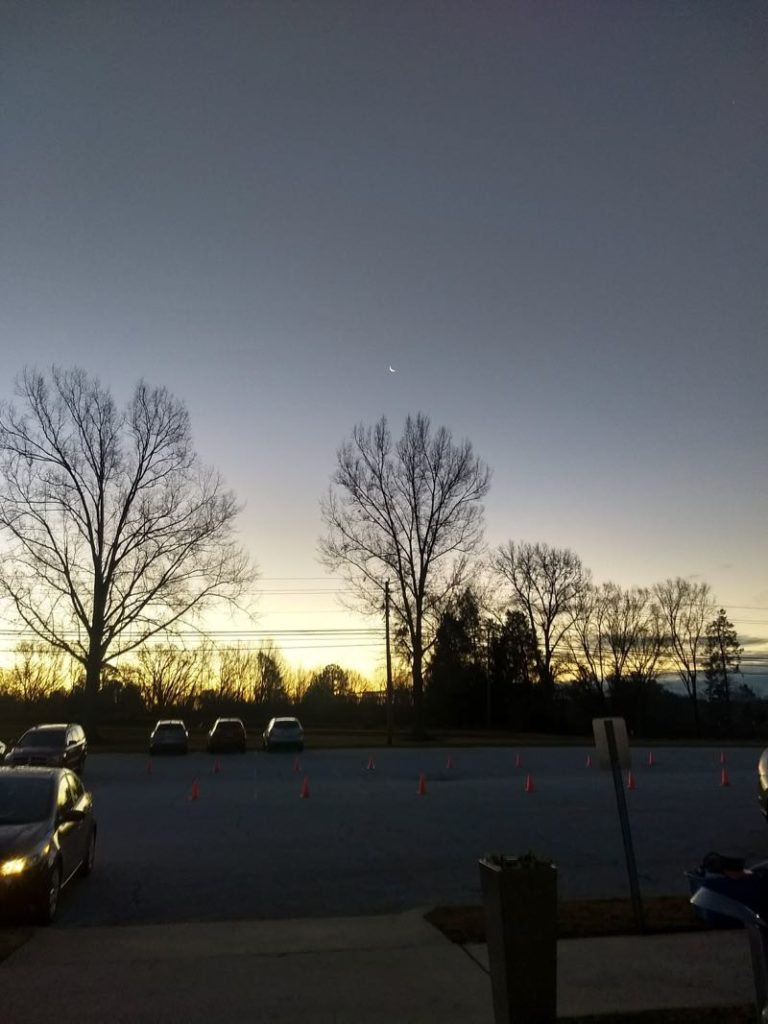
Greenwood, South Carolina, is about a 2.5 hour one-way drive from my home. Vendors were encouraged to arrive around 7:00 to set up (general public admission was at 9:00), so Vlado and I hit the road by 4:30 AM!

Notice the lack of traffic on the interstate at 4:30 AM!

We arrived as the doors opened and purchased a total of three tables to sell our gear. My goods took up most of one table and Vlado packed the other two with his gear!

By general admission time, less than half of the vendor tables were occupied, which did worry me. However, overall foot traffic wasn’t bad at all! This vendor was certainly pleased.

I sold at least 80% of the items I brought with me, no doubt due to my generous and agressive pricing scheme (i.e. nearly giving things away–!). Vlado sold some large items, too.

In the end, I didn’t purchase a single item at the hamfest. I was in selling mode, not buying mode, at this hamfest as I’ve been making an effort to downsize some of my collection and use the money to offset the costs of travel this year. With that said, I would have snagged a classic portable had one appeared.

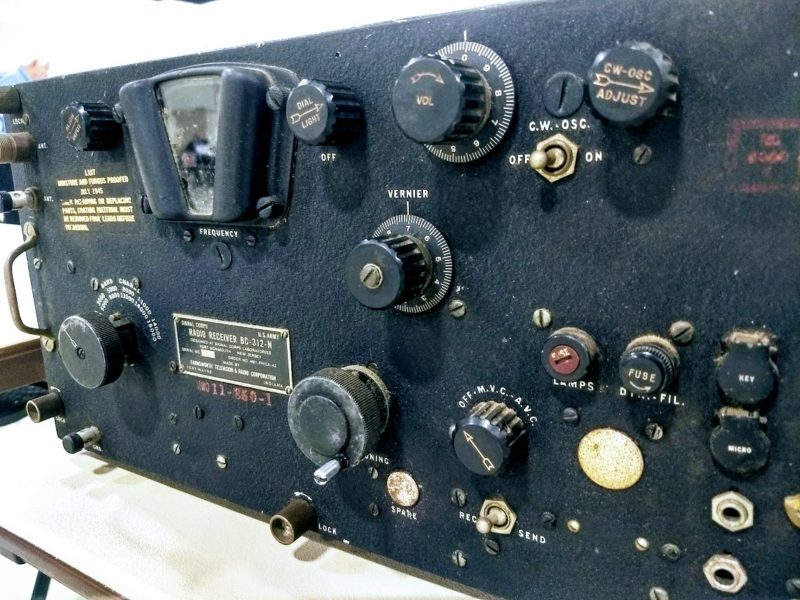
This BC-317 is just asking to be taken home!

Mind you, I was very tempted by two BC-317 receivers being sold together for an asking price of $60, but I resisted as the whole idea of “thinning the herd” is to make room in my small radio shack.

I find that small hamfests like Greenwood actually have better vintage radio pricing than the larger ‘fests.

Greenwood Photo Gallery

Though the hamfest was modest in size, there were quite a few quality offerings among the vendors. I was very impressed with the number of transceivers–indeed, a new ham would have had a selection of affordable benchmark 90s era rigs to choose from!

Click on the thumbnails below to enlarge or comment on the photos. Most of the photos were taken prior to the doors opening but I did my best to capture price tag information if available:

Do I plan to revisit Greenwood next year? You bet!