Shortwave listening and everything radio including reviews, broadcasting, ham radio, field operation, DXing, maker kits, travel, emergency gear, events, and more
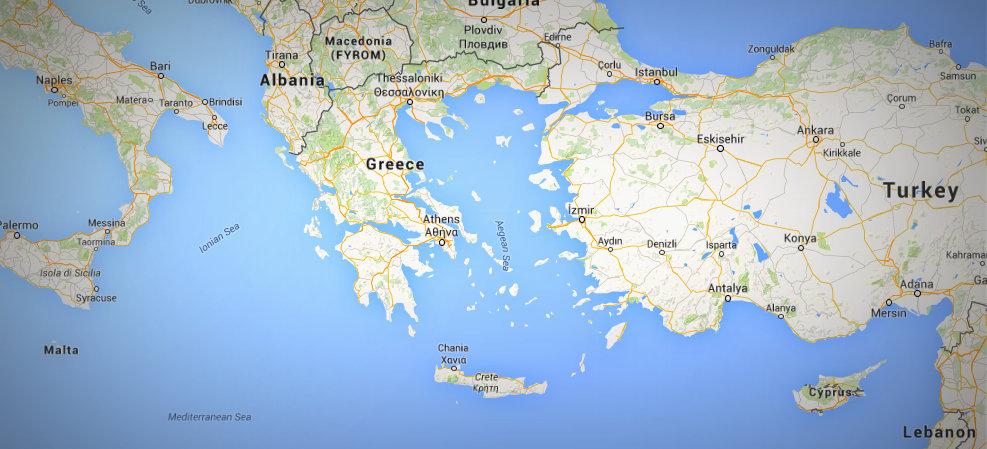
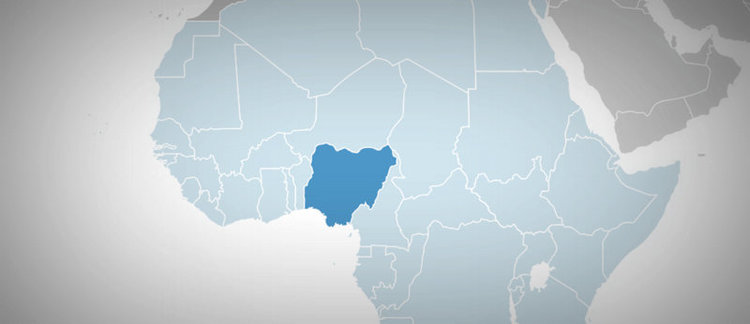
At 06:00 UTC this morning, I recorded one hour of the Nigerian Armed Forces Radio test on 13,775 kHz. This broadcast was transmitted from a 250 kW transmitter in Issoudun, France.
Hypothetically, this may have been the last test transmission of the NAFR as WRMI’s announcement stated the test period would last only one week, beginning June 30th.
Please comment if you continue to log the Nigerian Armed Forces Radio on 13,775 kHz at 06:00 UTC!
It’s quite difficult to hear Papua New Guinea these days now that nearly all their shortwave transmitters have closed and moved to FM. BUT….In the last day or so, PNG’s National Broadcasting Corporation has been transmitting on shortwave with two new outlets. NBC is the host broadcaster of the 15th Pacific Games, being held in the capital Port Moresby. The games begins tomorrow July 4 and runs through till July 18. The following schedule was noted from on-air announcements as follows:
6075 kHz – 1900 to 2159 UTC
9860 kHz – 2200 to 0959 UTC
6075 kHz – 1000 to 1400 UTC
12025 kHz – 2200 to 1000 UTC (to Pacific Island communities)
Many thanks for sharing this news, Rob!
Nigel Holmes also sent an update confirming that the transmitter site is Brandon and that the transmitter can run a 20 kW carrier. Nigel notes:
The aerials are HR 2/2/ 6-12 MHz arrays so about -6 dB cf. the arrays at Shepparton.
[…]The broadcasts have a power of 20 kW AM up from 10 kW when the site carried Radio Australia programming.
As of time of posting, I can hear the games here in the eastern US on 6,075 kHz, but the signal is very weak and the propagation window will close soon. I will also listen on 12,025 and 9,860 kHz.
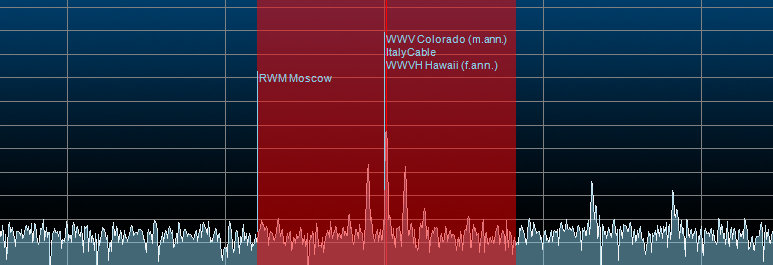
I decided to record the leap second on as many shortwave time station frequencies as possible. The only viable options for me–based on time of day and my reception location–were the WWV frequencies 10, 15, 20, and 25 MHz, and CHU frequencies 7,850 and 14,670 kHz.
I was able to monitor four different time station frequencies simultaneously on the TitanSDR Pro. (click to enlarge)
Unfortunately, HF propagation was very poor yesterday, so the higher WWV frequencies–20 and 25 MHz–were completely inaudible, as was CHU on 14,670 kHz. There were numerous thunderstorms in our area, so static crashes were prevalent.
Still, since this was a first attempt to record a “leap second,” I didn’t want to take any chances. I had the Titan SDR Pro monitoring and recording two CHU and two WWV frequencies [screenshot], the Elad FDM-S2 recording WWV on 15 MHz [screenshot], and the WinRadio Excalibur on WWV’s 10 MHz frequency, as well as recording the whole 31 meter band spectrum [screenshot].
In the end, the strongest frequencies I captured were CHU on 7,850 kHz and WWV on 15,000 kHz. WWV on 10,000 kHz was much weaker than normal and the band was quite noisy–still, it’s readable, so I included this recording, too. Recordings follow…
Recordings
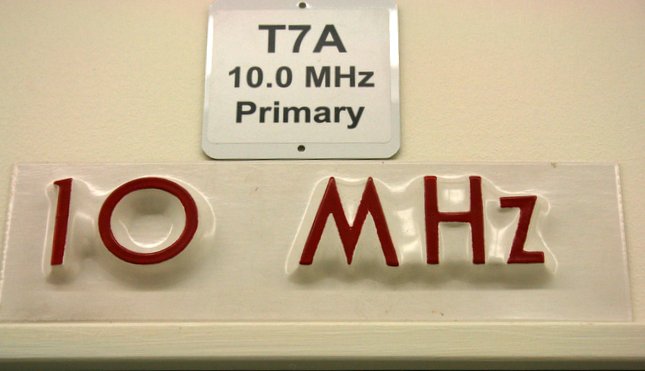
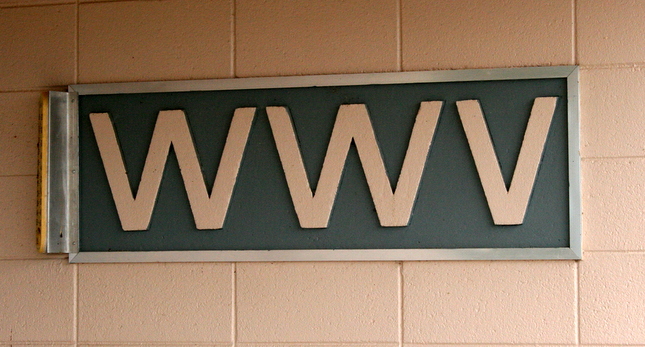
The sign above WWV’s primary 10 MHz transmitter (2014).
All of the recordings start just before the announcement of 23:59 UTC.
WWV added the extra second and higher tone, then continued with their top of the hour announcements, including a note about leap second (which begins after the 00:04 announcement). CHU simply injects a one second silence before the long tone.
One interesting note about the 10 MHz WWV recording above: I believe I may be hearing BPM China in the background. I’m curious if anyone can confirm this because I don’t know BPM’s cadence/pattern well enough to ID it.
Other recordings…?
Did you record a shortwave time station as leap second happened? If so, please comment, and feel free to share a link to your recording!
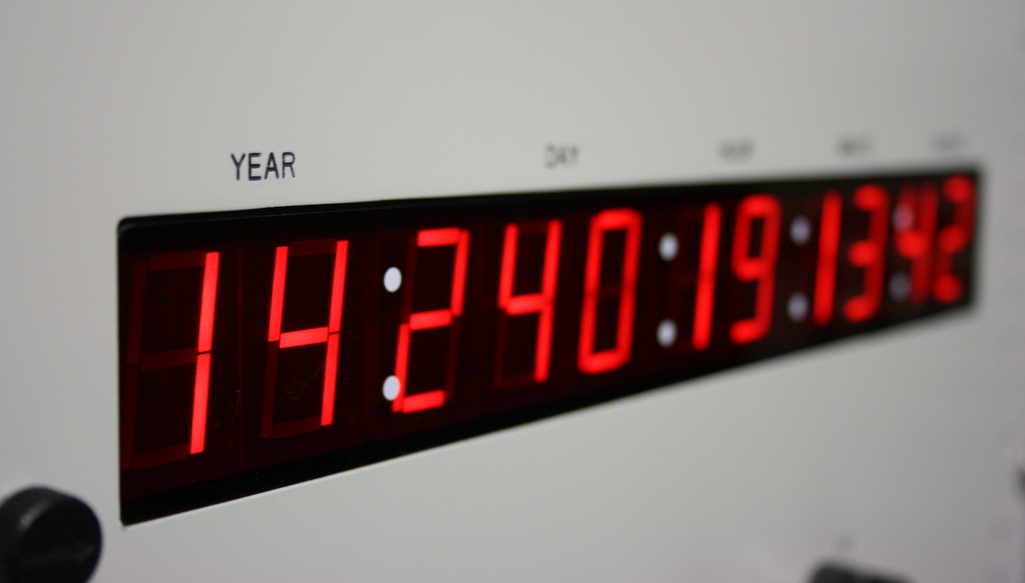
One of four WWV time code generators in late August, 2014
Tonight, for the first time in three years, we will experience a leap second. What is a leap second? Wikipedia provides a concise explanation:
A leap second is a one-second adjustment that is occasionally applied to Coordinated Universal Time (UTC) in order to keep its time of day close to the mean solar time, or UT1. Without such a correction, time reckoned by Earth’s rotation drifts away from atomic time because of irregularities in the Earth’s rate of rotation. Since this system of correction was implemented in 1972, 25 such leap seconds have been inserted. The most recent one happened on June 30, 2012 at 23:59:60 UTC. A leap second, the 26th, will again be inserted at the end of June 30, 2015 at 23:59:60 UTC.
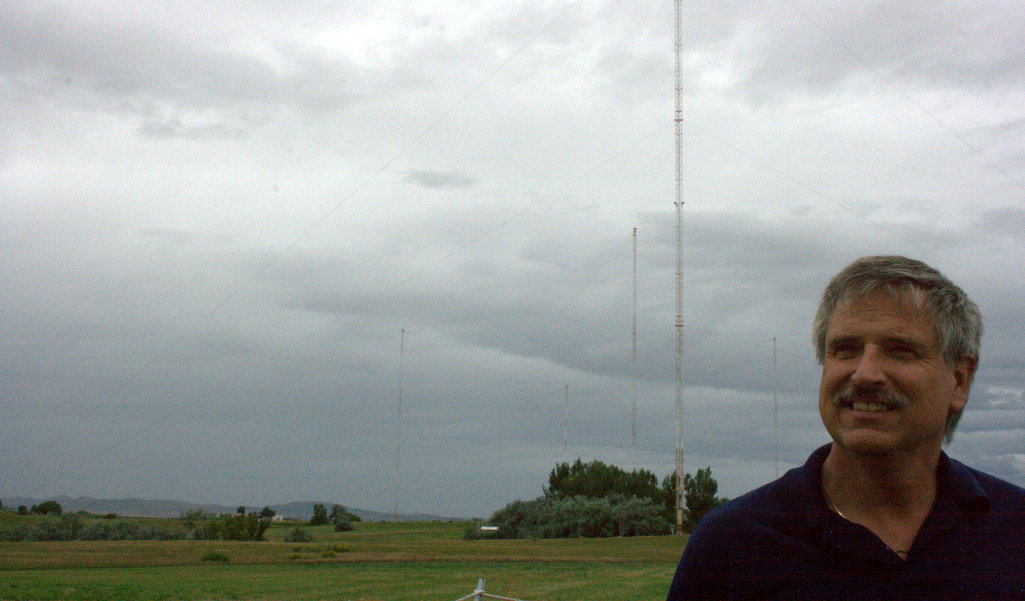
I had the honor of visiting the facility last year (yes, photo tour still forthcoming!). During the tour, my guide and Chief Engineer at WWV and WWVB, Matthew Deutch, told me that he’s always going to be on site come Leap Second!
WWV’s Matthew Deutch with WWVB antennas in background
I wrote Matt this morning to ask what were his plans tonight? His reply:
“The leap second happens at 0000 UTC tonight, which is 6:00 pm here in Fort Collins. All of the programming took place at the beginning of the month, so the equipment is armed…we just sit back and watch for the leap this evening.
Even though it is automated I hang around the station to make sure everything goes smoothly at the critical moment…”
Matthew closed his message by wishing me a “Happy Leap Second.”
Back at you, Matt! We hope that second leaps as smoothly as you’d like!
Not to put Matt on the spot, but you can listen to WWV (or the atomic clock of your choice) make the leap second tonight at 00:00 UTC. As for me, I’ll hop on 10 MHz and 15 MHz to hear (and hopefully record) the extra “tick.” At the end of this post, I’ve provided a list of time stations for your convenience.
Happy Leap Second!
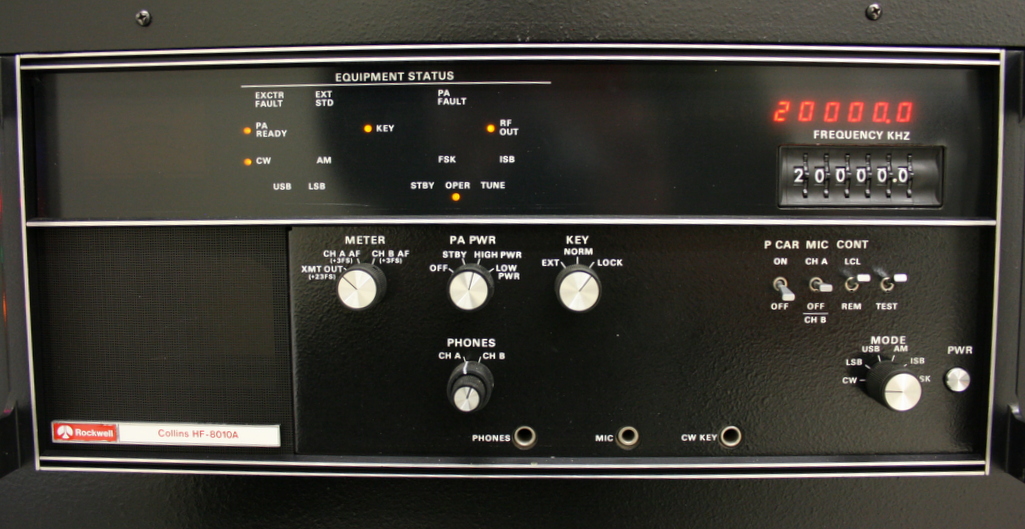
WWV 20 MHz Collins transmitter
List of shortwave radio time stations
CHU Canada: 3330 kHz, 7850 kHz, 14670 kHz
BPM China: 2,500, 5,000, 10,000, and 15,000 kHz
HLA South Korea: 5,000 kHz
BSF Taiwan: 5,000 and 15,000 kHz
WWV (Ft. Collins)/WWVH (Hawaii) United States: 2,500, 5,000, 10,000, 15,000, 20,000 and 25,000 kHz
This was recorded on 29 June 2015 starting around 01:50 UTC on 9,420 kHz using my WinRadio Excalibur and my horizontal delta loop external (wire) antenna.
I’m very pleased with this off-air recording because it contains several minutes of multi-language station IDs in the last 10 minutes or so of the broadcast.
Radio Miami has arranged for a one-week test transmission of the Armed Forces Radio of Nigeria from the Issoudun, France relay site beginning Tuesday, June 30.
The transmission, which will be directed to West Africa, will be from 0600-0700 UTC on two frequencies:
11,825kHz will carry a Hausa-language program, and
13,775 kHz will carry an English-language program.
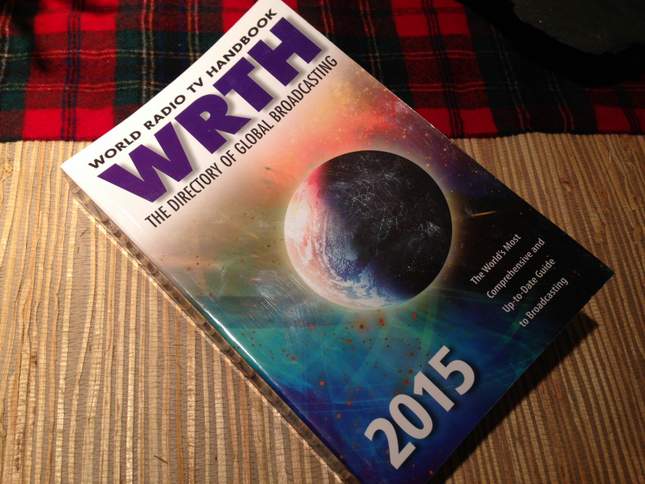
WRTH has released a free update for the A15 schedules file. This PDF contains frequency changes, address etc., updates and some new stations. Please visit www.wrth.com and navigate to ‘Latest WRTH Updates’, choose the link under ‘International Radio’ and select the file you wish to download. The file is also available from our webshop:

 At 06:00 UTC this morning, I recorded one hour of the Nigerian Armed Forces Radio test on 13,775 kHz. This broadcast was transmitted from a 250 kW transmitter in Issoudun, France.