Category Archives: Shortwave Radio

Upgrading my Yaesu FT-817 transceiver with the G7UHN rev2 Buddy board

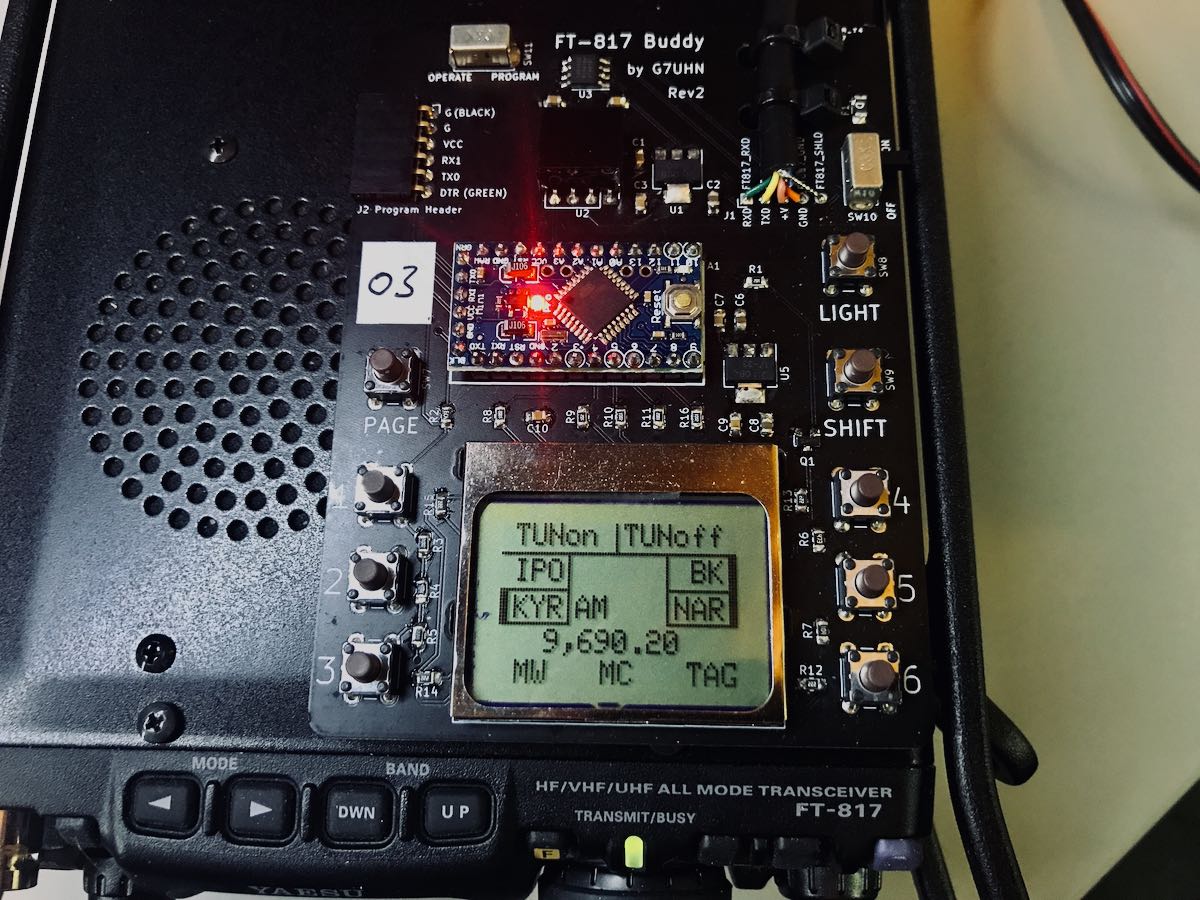
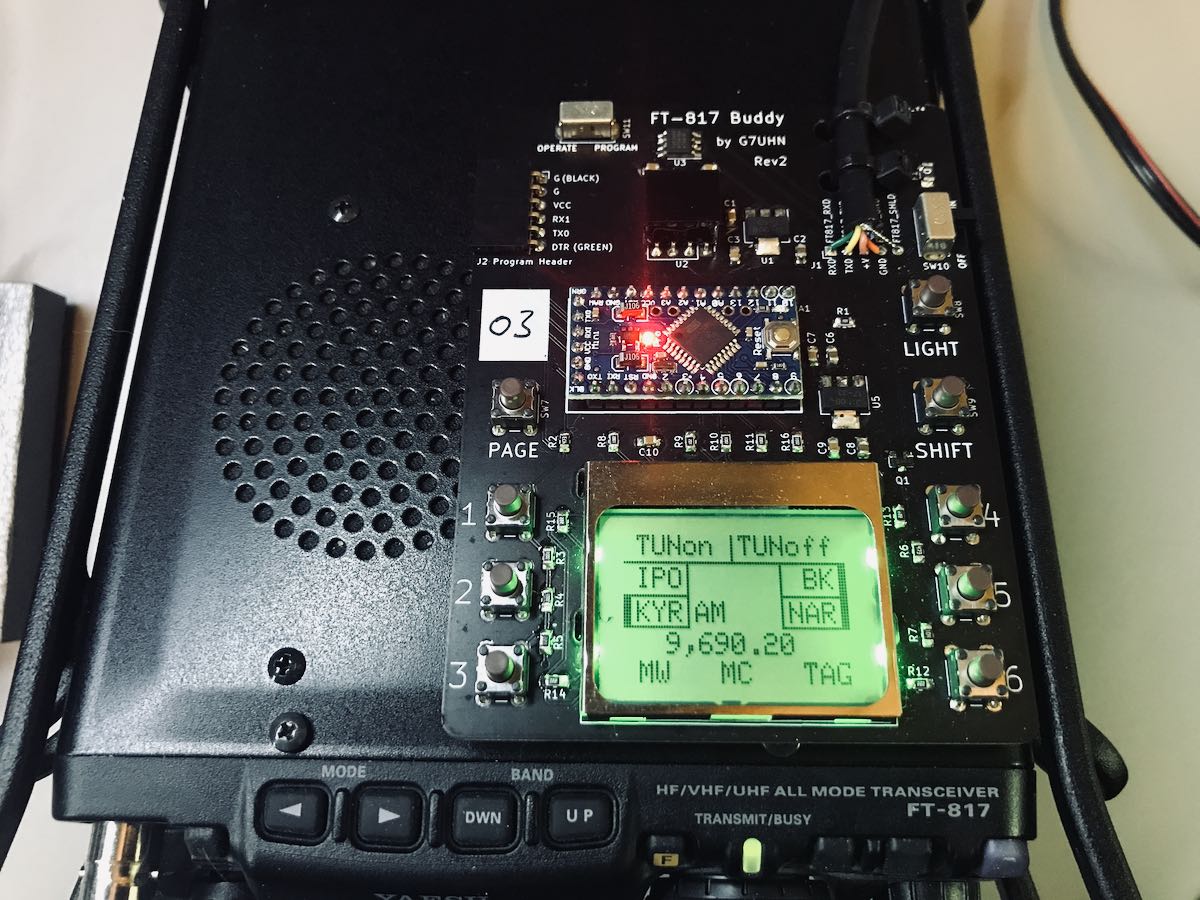
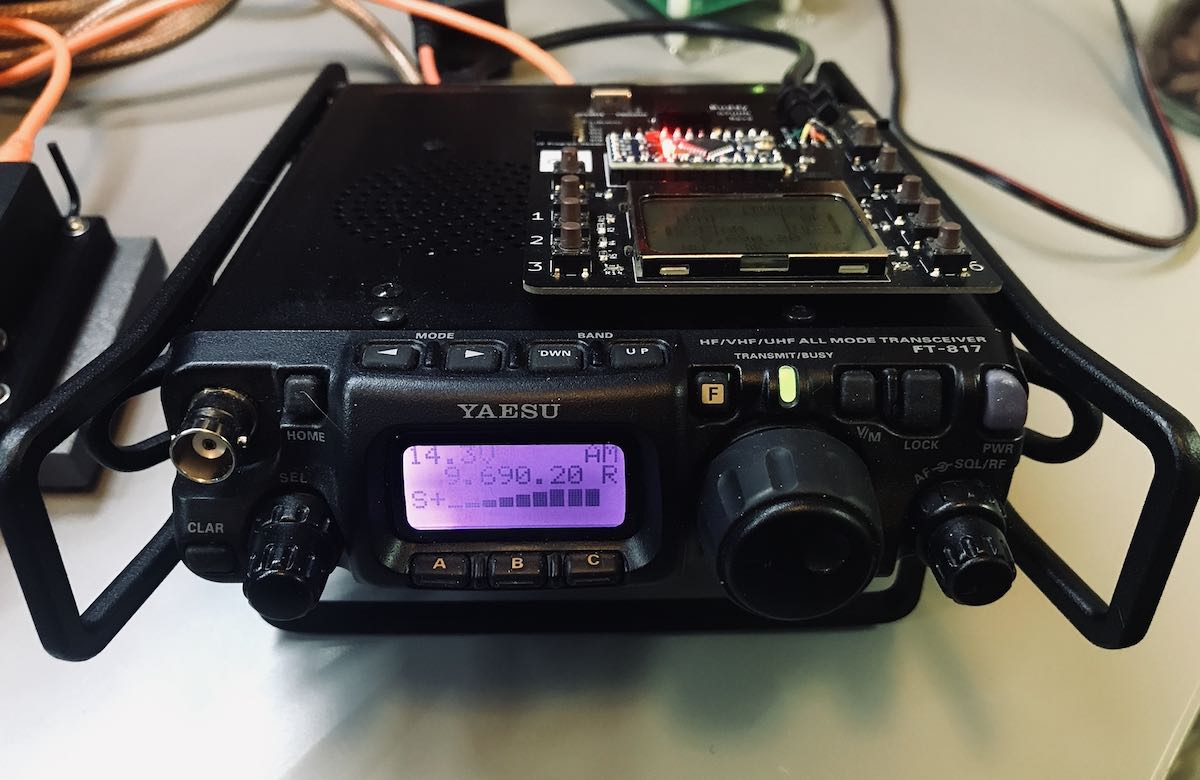
Last August, SWLing Post contributor, Andy (G7UHN), shared his homebrew project with us: a genius companion control display for the venerable Yaesu FT-817 general coverage QRP transceiver.

Andy’s article caused me (yes, I blame him) to wax nostalgic about the popular FT-817 transceiver. You see, I owned one of the first production models of the FT-817 in 2001 when I lived in the UK.

At the time, there was nothing like it on the market: a very portable and efficient HF, VHF, UHF, multi-mode general coverage QRP transceiver…all for $670 US.

In 2001? Yeah, Yaesu knocked it out of the ballpark!

In fact, they knocked it out of the ballpark so hard, the radio is still in production two decades later and in demand under the model FT-818.

I sold my FT-817 in 2008 to raise funds for the purchase of an Elecraft KX1, if memory serves. My reasoning? The one thing I disliked about my FT-817 was its tiny front-facing display. When combined with the embedded menus and lack of controls, it could get frustrating at home and in the field.

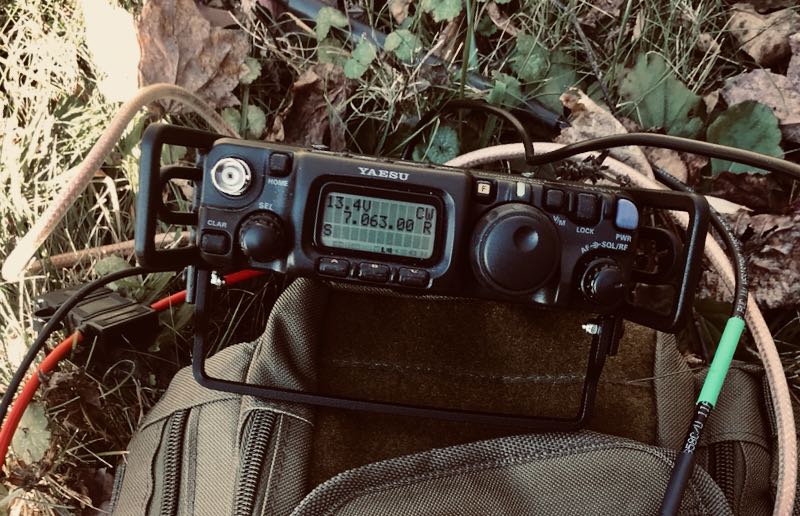
I mentioned in a previous post that I purchased a used FT-817ND from my buddy, Don, in October, 2020. I do blame Andy for this purchase. Indeed, I hereby declare him an FT-817 enabler!

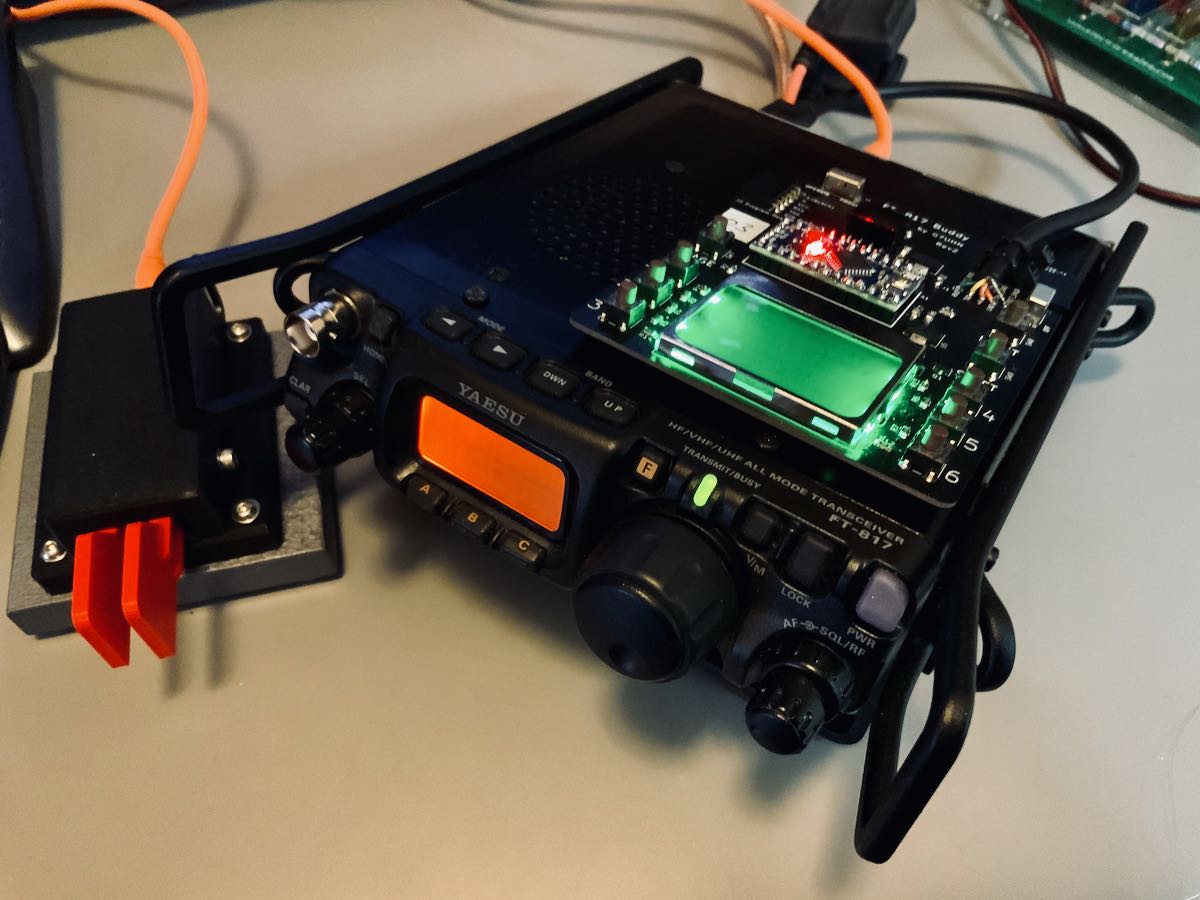
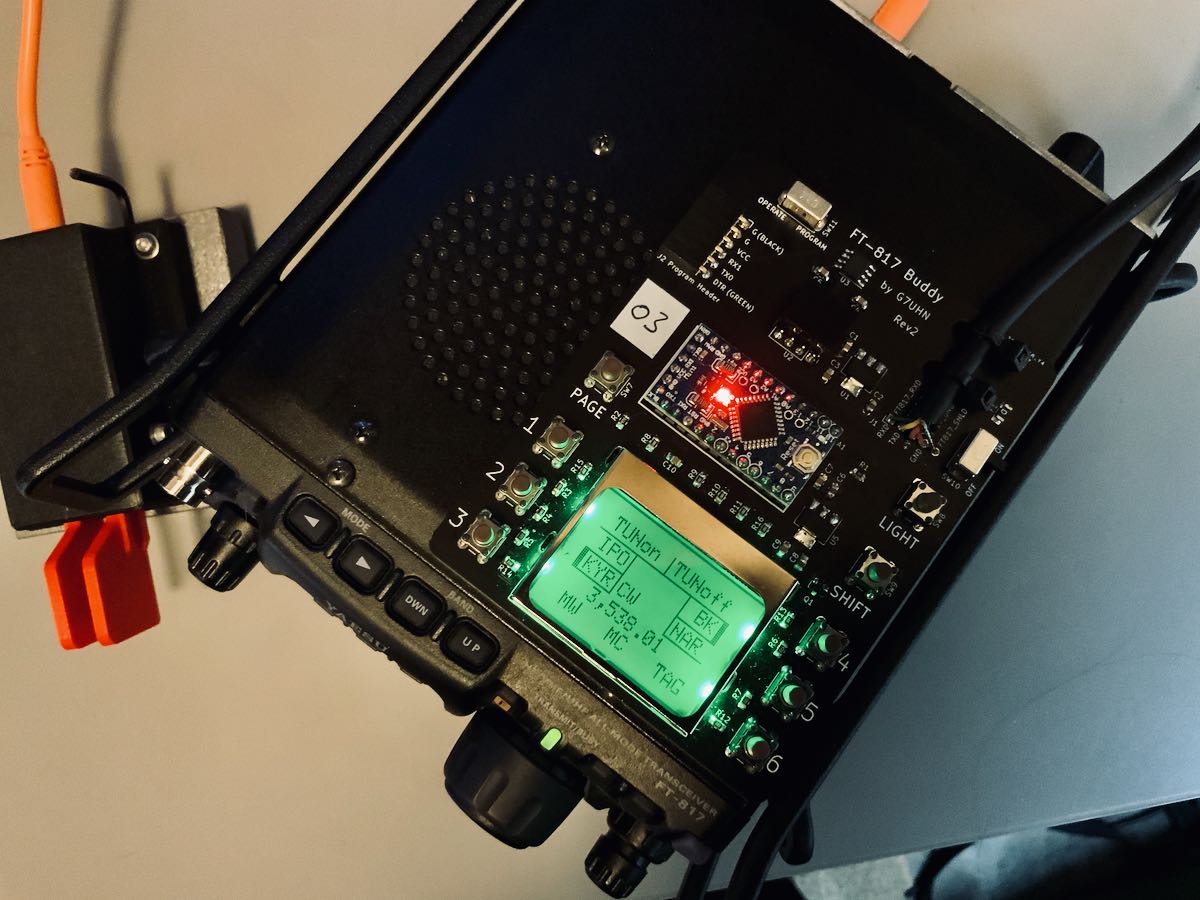
FT-817 Buddy board

When I told Andy about my ‘817ND purchase, he asked if I’d like to help him test the FT-817 Buddy board versions. How could I refuse?

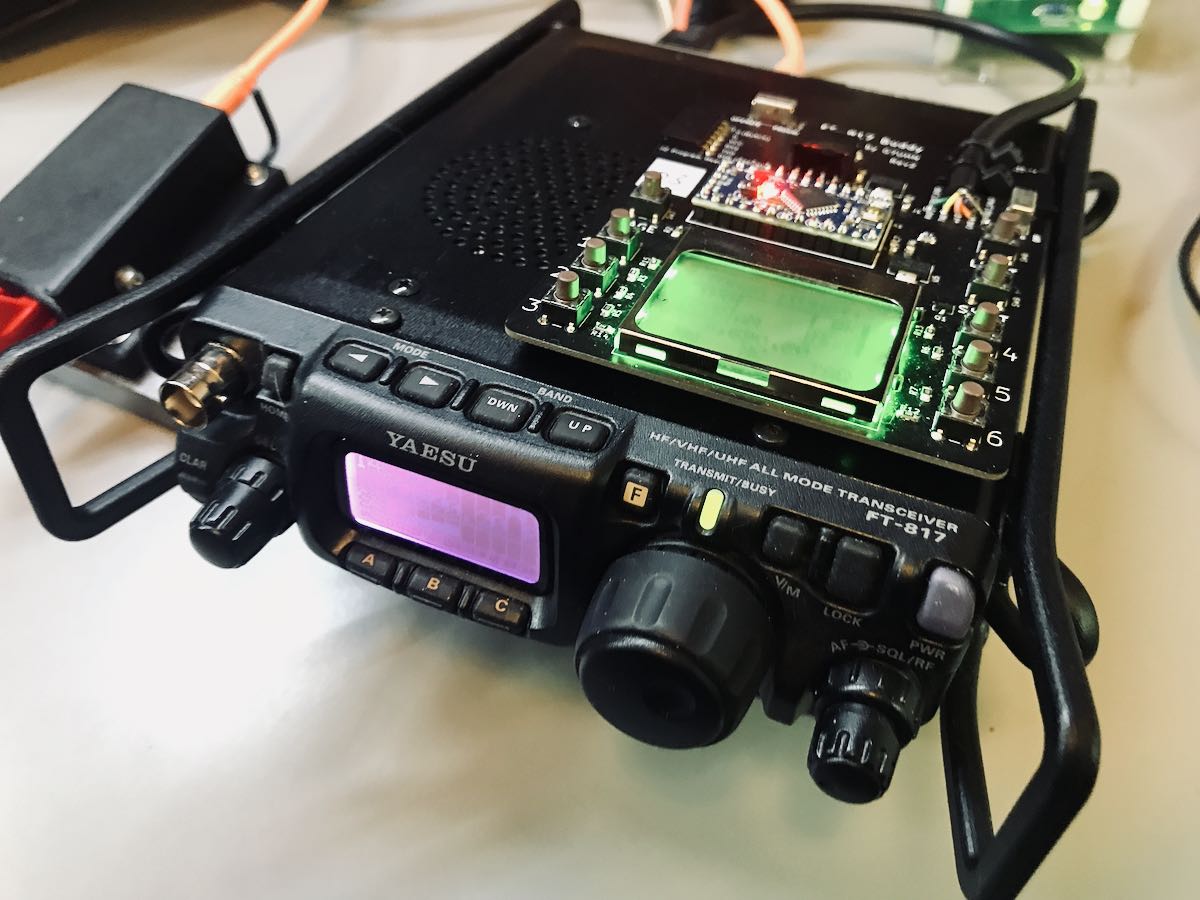
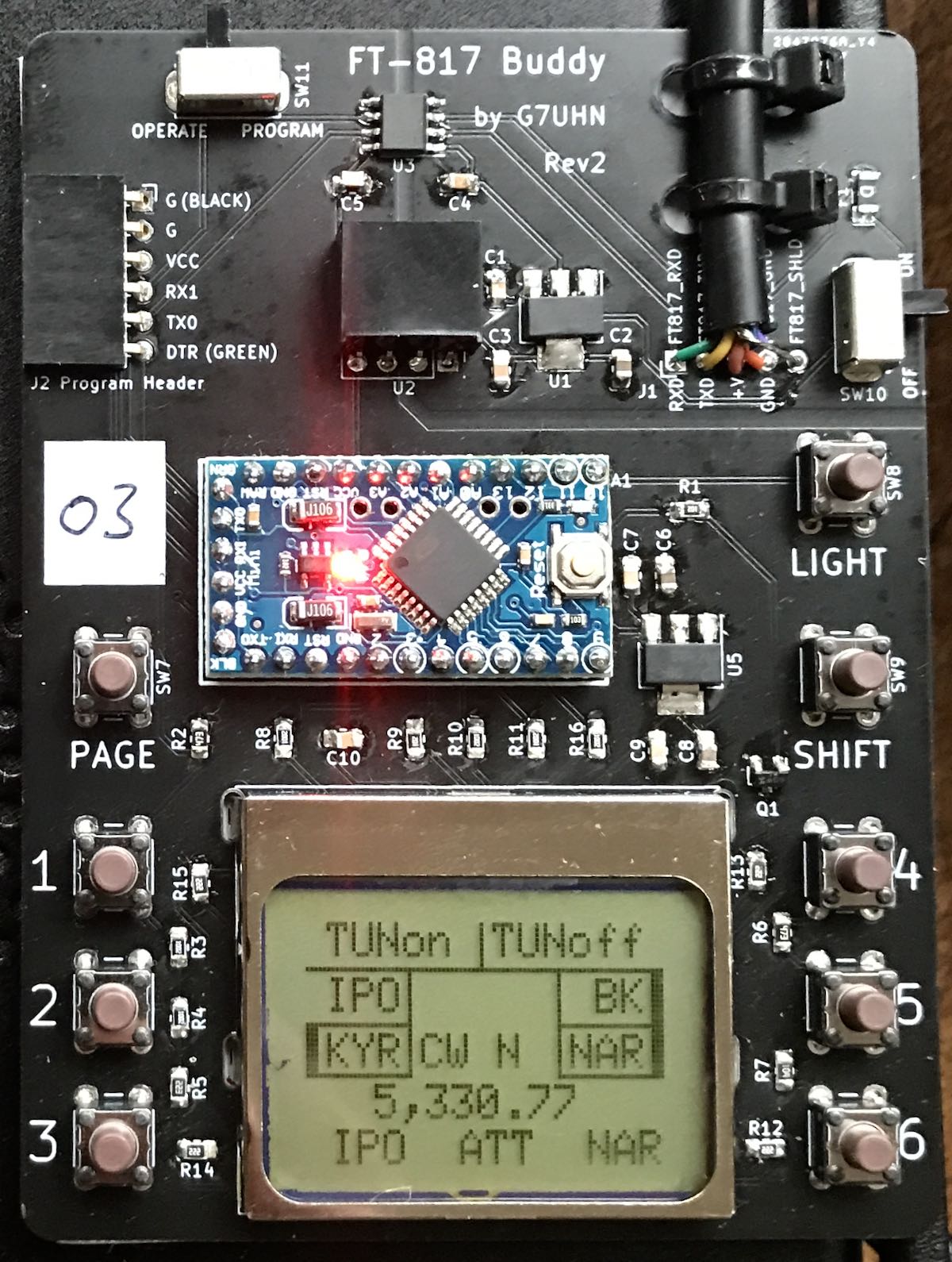
Andy sent me a prototype of his Version 2 Buddy board which arrived in late November. I had to source out a few bits (an Arduino board, Nokia display, and multi-conductor CAT cable). Andy kindly pre-populated all of the SMD components so I only needed to solder the Arduino board and configure/solder the cable. I did take a lot of care preparing and soldering the cable, making sure there was no unintentional short between the voltage and ground conductors.

Overall, I found the construction and programming pretty straight-forward. It helped that Andy did a remote session with me during the programming process (thanks, OM!). Andy is doing an amazing job with the documentation.

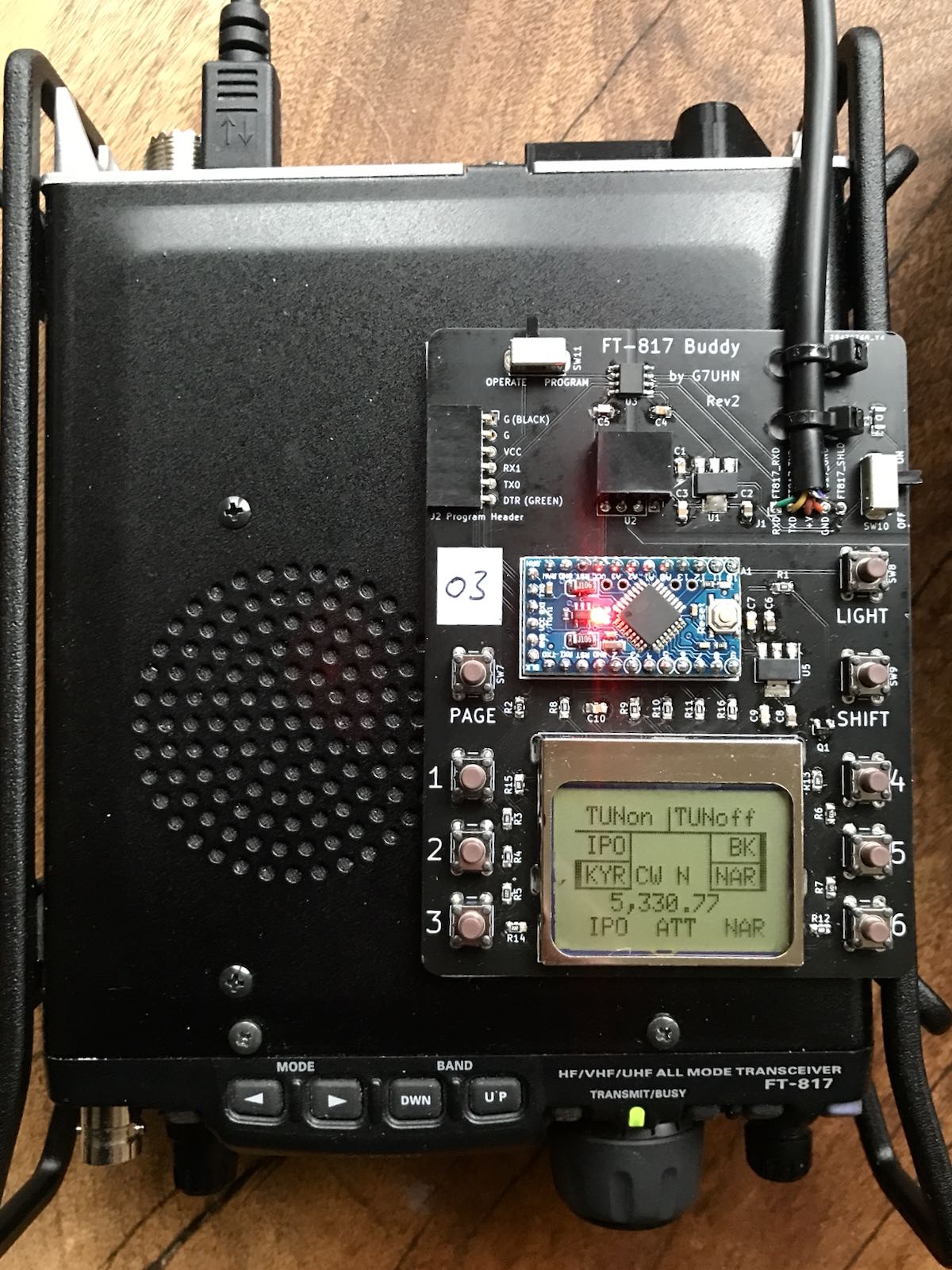
I do love how the board makes it easier to read the frequency and have direct access to important functions without digging through embedded menus. While there’s nothing stopping you from changing the program to suit you, Andy’s done a brilliant job with this since he’s an experienced FT-817 user.

The Nokia display is very well backlit, high contrast, and easy very to read.

“Resistance is futile”

I mentioned on Twitter that, with the backlight on, the FT-817 Buddy makes my ‘817ND look like it was recently assimilated by The Borg.

Don’t tell any Star Trek captains, but I’m good with that.

Andy has a rev3 board in the works and it sports something that will be a game-changer for me in the field: K1EL’s keyer chip!

For more information about the FT-817 Buddy, check out Andy’s website. At time of posting, it’s not available yet, but as Andy says, “it’s nearly there!”

Of course, we’ll keep you updated here as well. Many thanks to Andy for taking this project to the next level. No doubt a lot of FT-817 users will benefit from this brilliant project!

What radio projects and adventures await you in 2021?

This morning, I’m catching up with email and posts as I’ve had less online time these past few days (not a bad thing). I’m also trying to sort out and organize some of the gear in my compact shack/office.

As I do this, I can’t help but think through some of the radio projects that await me in 2021–so I started making a list.

2021 Radio Goals

  • Portable DXing: I hope I’ll be able to travel again in the latter part of 2021 and take my portable SDR pack to capture spectrum recordings in the field. I really miss doing this.
  • Carefully go through my portable radio collection and “thin the herd.” I’ve no intention of letting go of everything, but I’ve a number of small, inexpensive portables I never touch and don’t plan to use for comparisons
  • Purchase a few more cables and a mic to complete my multitrack recording and receiver comparison setup. Massive thanks to my friend, Matt Blaze, who’s helped me through this process.
  • Finally replace that faulty keypad on the Drake SW8! (This might be the first thing I do in the new year.)
  • Antenna Farm improvements and upgrades:

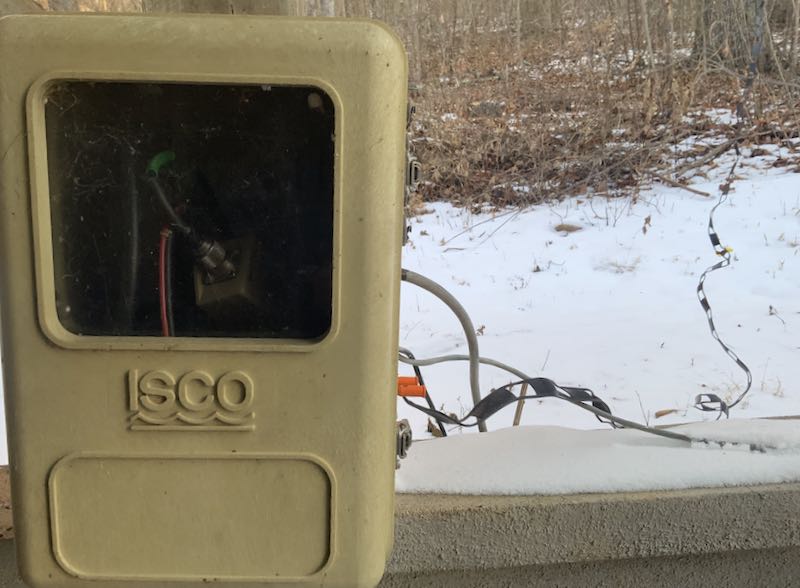
    It’s time for the remote tuner box to get a rennovation!

    • I plan to re-build my remote tuner box (that’s served me so well for a decade–see photo)
    • install all new connectors, components, and change the balun
    • add a remote antenna switching device
    • beef up lightening protection
    • and replace all of the coax feed lines.
    • I also plan to add a home brew 80 meter vertical and possibly a 20M delta loop oriented E/W
  • QRP EME: I still need to sort out a VHF amplifier, antenna, connectors and cables for my QRP EME station. I hope to have the pieces together by mid 2021.
  • Build my QCX+ and QCX Mini transceivers (really looking forward to that!)
  • Continue participating in Parks On The Air (POTA) and write up most field reports on QRPer.com
  • Activate at least ten sites for Summits On The Air (SOTA)
  • Tick off a few more goals from my “Social DX” list

In truth? I’ve more goals than this, but I’m trying to be somewhat realistic. The top priority is investing time in my antenna situation at home. All of the coax lines are aging and I know are no longer up to spec. I see cable and even connectors as long-term consumables and it’s definitely time to reinvest!

How about you? What are your radio goals for 2021?

Also been modding the FT-817ND with a Buddy Board prototype by Andy (G7UHN). Installing version 3 in a few weeks!

Please comment and let us know what you’re plotting and planning! Inquiring minds want to know!

Here’s wishing everyone a happy & healthy New Year!

Thank you for being a part of the SWLing Post community!

Radio Waves: Media Network Returns, Pack Seeks Lasting Control, Airtime on ex-DW relay station, and KCRW Berlin Signs Off

Radio Waves:  Stories Making Waves in the World of Radio

Because I keep my ear to the waves, as well as receive many tips from others who do the same, I find myself privy to radio-related stories that might interest SWLing Post readers.  To that end: Welcome to the SWLing Post’s Radio Waves, a collection of links to interesting stories making waves in the world of radio. Enjoy!

Many thanks to SWLing Post contributors Jonathan Marks, Kim Elliott, and Dennis Dura for the following tips:


Media Network Returns Jan 1st, 2021 (Critical Distance via Vimeo)

Media Network returns for a second series. Premieres here on Vimeo Friday January 1st 2021. In the meantime, how many faces do you recognise?

Trump Appointee Seeks Lasting Control Over Radio Free Europe, Radio Free Asia (NPR)

Michael Pack’s stormy tenure over the federal agency that oversees government-funded broadcasters abroad – including the Voice of America – appears to be coming to a close. Yet President Trump’s appointee has sparked an internal outcry by taking bold steps to try to cement his control over at least two of the networks and to shape the course of their journalism well into the Biden administration.

Pack, the CEO of the U.S. Agency for Global Media, also serves as chairman of the boards of Radio Free Europe/Radio Liberty and Radio Free Asia. Pack and the members of the boards have now added binding contractual agreements intended to ensure that they cannot be removed for the next two years. Pack stocked those boards with conservative activists and Trump administration officials, despite a tradition of bipartisanship.

In other words, although President-elect Joe Biden has already signaled he intends to replace Pack as CEO of the parent agency soon after taking office next month, Pack would maintain a significant degree of control over the networks. Pack and USAGM declined requests for comment.

NPR has reviewed the language of the contracts, which have yet to be signed by the new presidents of the two networks – both of whom were appointed by Pack this month. The Radio Free Europe/Radio Liberty contract was slated to be approved on Wednesday but appears to have been withdrawn from consideration after internal objections and inquiries from Congressional aides, NPR and other media. It is unclear what the future holds for the initiative from Pack.[]

Click here to download the RFE/RFA protest letter.

Sri Lanka to sell airtime on ex-DW relay station to Encompass Digital Media (Economynext)

ECONOMYNEXT – Sri Lanka has agreed to sell airtime on a former Deutsche Welle relay station in Trincomalee in the North East of the island to UK based Encompass Digital Media Services, London.

Germany’s DW built the relay station in Sri Lanka in 1980 for mainly for international shortwave (HF) broadcasting. It also has a medium wave transmitter for South Asia.

The station was given to state-run Sri Lanka Broadcasting Corporation in 2012.

The rise of television and the internet had made international broadcasts more accessible, though SW retains audiences in many countries.

London based Encompass Media has proposed to transmit shortwave and mediumwave programs from the station. It has offered to pay 49,000 dollars and 16,000 dollars a month for the airtime.

The Cabinet of Ministers had approved the proposal in November 2020. (Colombo/Dec29/2020)[]

America’s voice goes silent in Berlin as last US radio station closes (Politico)

BERLIN — American radio is a Berliner no more.

The postwar American presence on Berlin’s airways that began in the summer of 1945 when the city was still digging itself out of the rubble of World War II ended this month as the last U.S. radio station in the German capital ceased operation. For years, the station, known in its final iteration as KCRW Berlin, offered listeners a daily helping of local English-language news and eclectic music.

The idea behind the station was to deliver Berliners a dose of unfiltered Americana and to serve as a transatlantic bridge. Even in an era of podcasts, the offering found a loyal if small audience, from daily commuters to American expats.

“It’s a sad moment embodying the end of a tradition,” Anna Kuchenbecker, a member of KRCW Berlin’s board, said, blaming the shutdown on the pandemic. KCRW Berlin was operated in partnership with a California public radio affiliate with the same call sign. The economic fallout of the coronavirus forced the U.S. station to make steep cuts, including layoffs.

The closure comes at a time of deepening estrangement between the U.S. and Germany following years of Donald Trump’s attacks on Berlin. The longtime allies have recently been at odds across a range of issues, from climate policy and trade to foreign policy.

KCRW Berlin wasn’t eligible to receive any of the billions in broadcast fees the German government collects in order to finance domestic public television and radio. Former station officials say it would have been up to KCRW in California and NPR, which is partly funded by the U.S. government, to save the Berlin operation.

“The pain that we are feeling with KCRW Berlin going away is something that is not necessarily felt in the U.S.,” the station’s program director Soraya Sarhaddi Nelson said.

But even in its home city, the station’s death received little attention; Berlin media barely took notice of KCRW’s shuttering or what it signified, noting the move only in passing.[]


Do you enjoy the SWLing Post?

Please consider supporting us via Patreon or our Coffee Fund!

Your support makes articles like this one possible. Thank you!

Studio Recording: Radio Moscow New Year’s Eve Show with Joe Adamov: January 1, 1980

Shortwave Radio Audio Archive contributor, Tom Gavaras, shared this studio recording of Radio Moscow from January 1, 1980. We posted this recording on the SRAA, but I also wanted to share it here as I’m sure there are readers who might have even heard this show over shortwave live back in the day.

I’m certain anyone familiar with Radio Moscow during the Cold War also remembers the voice of Joe Adamov. Enjoy:

Thank you for sharing this recording, Tom!

Happy New Year!

Radio Waves: A Century of Radio in Germany, Magic of ARISS, and Second Lockdown Special Callsigns in Belgium

Radio Waves:  Stories Making Waves in the World of Radio

Because I keep my ear to the waves, as well as receive many tips from others who do the same, I find myself privy to radio-related stories that might interest SWLing Post readers.  To that end: Welcome to the SWLing Post’s Radio Waves, a collection of links to interesting stories making waves in the world of radio. Enjoy!

Many thanks to SWLing Post contributors Paul, Dennis Dura, Wilbur Forcier, and the Southgate ARC for the following tips:


How radio became a cult in its early years in Germany (DW)

A century ago, the age of radio began in Germany. Cultural broadcasts made radio popular before the Nazis appropriated it for their propaganda.

On December 22, 1920, the first radio broadcast in Germany hit the airwaves. “Attention, attention — this is Königs Wusterhausen on radio wave 2700.” This was how a Christmas concert by the employees of the German Reichspost was announced. Featuring a clarinet, reed organ, string instruments and piano, they played in the broadcasting building of the city of Königs Wusterhausen.

Modest sound quality

Transmission quality was poor: static and crackling accompanied the musical performance. Only official agents of the German Reichspost could listen to this transmission since in accordance with the Treaty of Versailles, private citizens in Germany were forbidden from listening to radio signals.

Society on the move

Nonetheless, radio in Germany was born. Society at the time of the Weimar Republic was in transition. Painters were no longer merely depicting the natural worlds — Cubism, Dadaism and abstract art were unearthing new dimensions of the imagination that had no direct reference to reality. Musicians and composers were creating hitherto unheard-of sounds with jazz and twelve-tone techniques joining familiar rhythms and keys. Writers and poets were creating parallel plots and stories. Consumer products were being mass-produced. Aviation was connecting people over thousands of kilometers — and radio was booming.

The first official radio entertainment program in Germany was broadcast on October 29, 1923. The Allies had by then lifted the ban on listening to radio waves. The fact that we even have an acoustic record of it today is due to a coincidence: a few months after it was broadcast, the program was re-enacted and preserved on disc.

Broadcasting with a mission

Meanwhile, inflation was soaring in Germany. Poverty and misery were rampant, especially in the big cities. “Radio was welcomed in Germany like a liberating miracle, especially at a time of intense emotional and economic hardship,” Hans Bredow, considered the “father” of German radio, said at the time.

Like many radio pioneers of the Weimar years, Bredow had lofty ambitions to widen national perspectives in his position as Radio Commissioner to the German Reich’s Postal Minister. This new technology was to signal an end to the age of ignorance and prejudice.

In December 1923, there were a total of 467 listeners. One year later, there were already one million listeners within the Reich’s entire territory. And in 1932, there were more than four million paying radio subscribers — and at least as many non-paying listeners. The daily broadcasting time also increased steadily. In 1923, it was 60 minutes; by 1932, there were already 15 hours of radio programs every day.

Entertainment for the masses

It was the new possibilities of simultaneous acoustic reporting that captivated the “Radioten, ” a derogatory term that was used for radio lovers at the time. An extraordinary media event at that time, the radio achieved its exciting effect through its immediacy and “live” character. And it gave birth to a genre unknown until then: the radio play.

Meanwhile, heated debates abounded about the negative effects of radio on listeners, culture and politics. Many intellectuals and artists distanced themselves from the new medium. Among them was the Austrian composer Arnold Schönberg. “Broadcast media caters to the majority. At any time of the day or night, people are served a feast for the ears without which they apparently can no longer live today. I assert the right of the minority against this delirium for entertainment: one must also be able to broadcast what is necessary, and not only the trivial.”[Continue reading full story at DW…]

Earthlings and astronauts chat away, via ham radio (Phys.org)

The International Space Station cost more than $100 billion. A ham radio set can be had for a few hundred bucks.

Perhaps that explains, in part, the appeal of having one of humankind’s greatest scientific inventions communicate with Earth via technology that’s more than 100 years old. But perhaps there’s a simpler explanation for why astronauts and ham radio operators have been talking, and talking, for years.

NASA astronaut Doug Wheelock was just a few weeks into his six-month mission at the space station when feelings of isolation began to set in.

Wheelock would be separated from loved ones, save for communication via an internet phone, email or social media. At times, the stress and tension of serving as the station’s commander could be intense.

One night, as he looked out a window at the Earth below, he remembered the space station’s ham radio. He figured he’d turn it on—see if anyone was listening.

“Any station, any station, this is the International Space Station,” Wheelock said.

A flood of voices jumbled out of the airwaves.

Astronauts aboard the space station often speak to students via ham radio, which can also be used in emergencies, but those are scheduled appearances. Some, like Wheelock, spend their limited free time making contact with amateur radio operators around the world.

“It allowed me to … just reach out to humanity down there,” said Wheelock, who interacted with many operators, known as “hams,” during that stay at the space station in 2010. “It became my emotional, and a really visceral, connection to the planet.”

The first amateur radio transmission from space dates to 1983, when astronaut Owen Garriott took to the airwaves from the Space Shuttle Columbia. Garriott was a licensed ham who, back on Earth, had used his home equipment in Houston to chat with his father in Oklahoma.

Garriott and fellow astronaut Tony England pushed NASA to allow amateur radio equipment aboard shuttle flights.

“We thought it would be a good encouragement for young people to get interested in science and engineering if they could experience this,” said England, who was the second astronaut to use ham radio in space.[]

Living in space can get lonely. What helps? Talking to random people over ham radio (LA Times)

The International Space Station cost more than $100 billion. A ham radio set can be had for a few hundred bucks.

Perhaps that explains, in part, the appeal of having one of humankind’s greatest scientific inventions communicate with Earth via technology that’s more than 100 years old. But perhaps there’s a simpler explanation for why astronauts and ham radio operators have been talking, and talking, for years.

NASA astronaut Doug Wheelock was just a few weeks into his six-month mission at the space station when feelings of isolation began to set in.

Wheelock would be separated from loved ones, save for communication via an internet phone, email or social media. At times, the stress and tension of serving as the station’s commander could be intense.

One night, as he looked out a window at the Earth below, he remembered the space station’s ham radio. He figured he’d turn it on — see if anyone was listening.

“Any station, any station, this is the International Space Station,” Wheelock said.

A flood of voices jumbled out of the airwaves.

Astronauts aboard the space station often speak to students via ham radio, which can also be used in emergencies, but those are scheduled appearances. Some, like Wheelock, spend their limited free time making contact with amateur radio operators around the world.[]

Special call signs in Belgium during the second lockdown period (Southgate ARC)

Belgian amateurs activate the following special event callsigns to remind everyone of Covid-19 restrictions and express gratefulness to medical personnel:
OS2HOPE, OT5ALIVE, OT4CARE, OR20STAYHOME, OT6SAFE, OP19MSF, OQ5BECLEVER, OR6LIFE, OO4UZLEUVEN and OT2CARE.

Due to the recent stricter COVID-19 measures, many radio amateurs will be forced to spend most of the following weeks at home again. Many are obliged to telework. Teleworking is definitely becoming the new standard for several employees. COVID-19 has accelerated teleworking for almost all companies.

At the request of the Royal Union of Belgian Radio Amateurs (UBA), the BIPT has decided to once again grant permission to apply for customised special call signs. The exceptional conditions apply to special call signs with an encouraging meaning.

These appropriate special call signs may be used at the home address of radio amateurs. The conditions are the same as during the first lockdown in spring.
Radio amateurs are allowed to re-request the special call sign obtained during the first lockdown.

Operation until January 31, 2021.

For QSL information see QRZ.com


Do you enjoy the SWLing Post?

Please consider supporting us via Patreon or our Coffee Fund!

Your support makes articles like this one possible. Thank you!

Looking back at 2020: What radios were in heavy rotation at your home and in the field–?

This morning, I’m looking at the calendar and I see and end in sight for 2020. I think most of us can agree that 2020 will be one for the history books, in large part due to the Covid-19 global pandemic which has had a pretty dramatic affect on many of our lives. It certainly brough my planned travels to a halt. I think many of us are quite happy to show 2020 the door!

As each year comes to a conclusion, I often look back at my radio activities during that year and see how it played out. I especially note the radios I used most heavily throughout the year.

Since I evaluate and test radios, models that are new to the market obviously get a lot of air time. Still, I’m also known to pull radios from the closet and give them some serous air time.

I’m very curious what radios you gave the most air time in 2020?

Here’s my list based on type/application:

Portable shortwave receivers

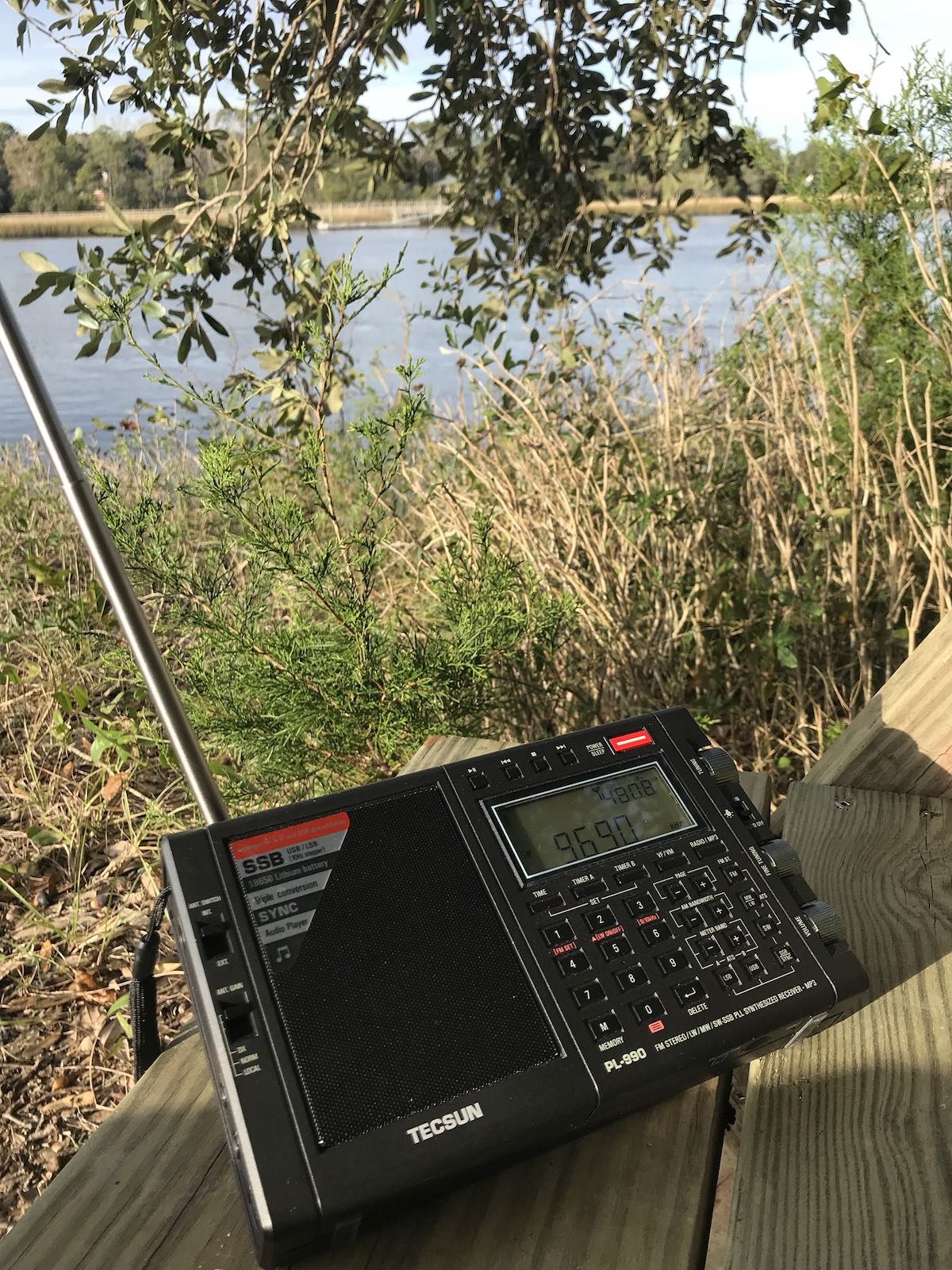
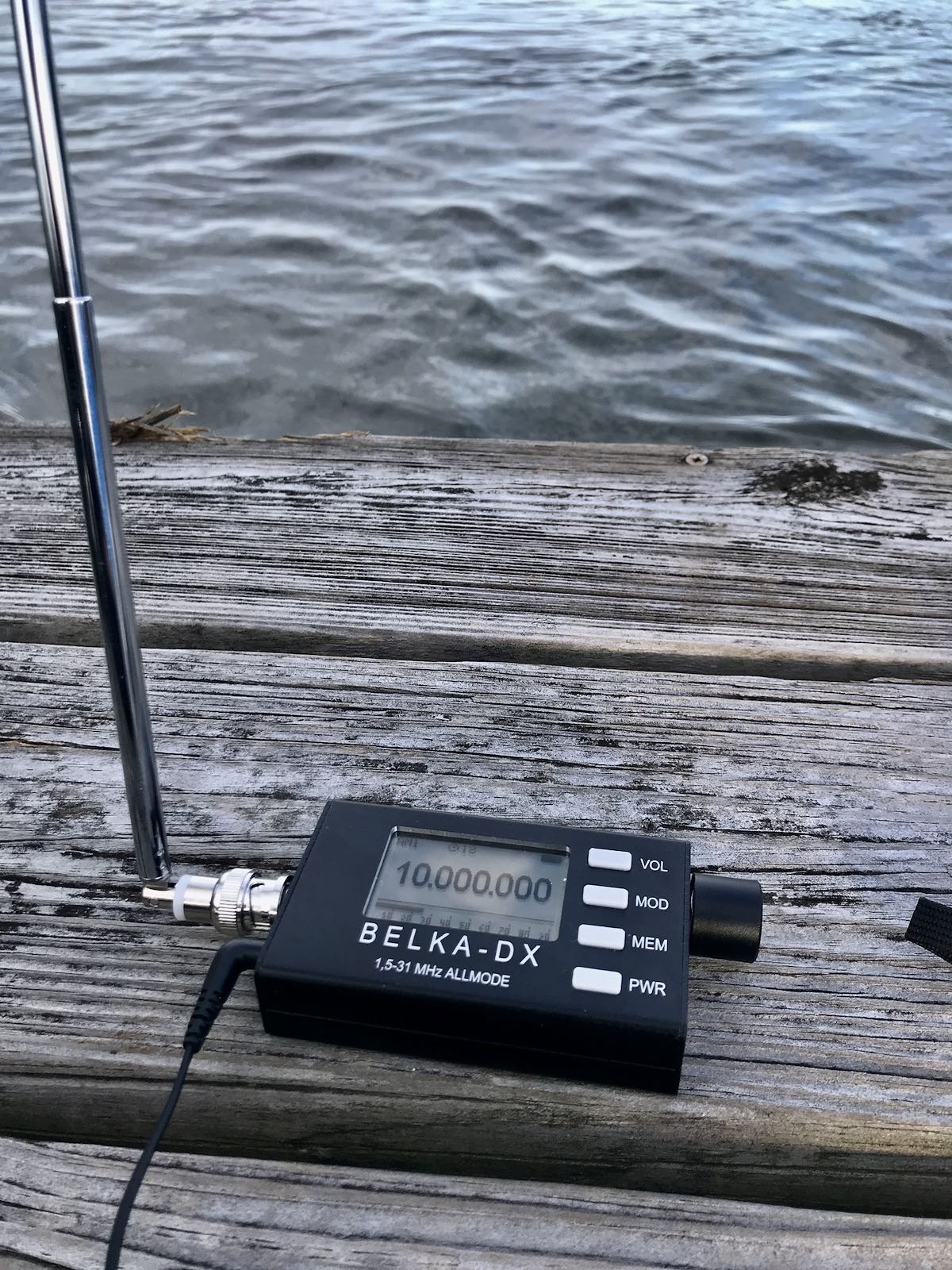
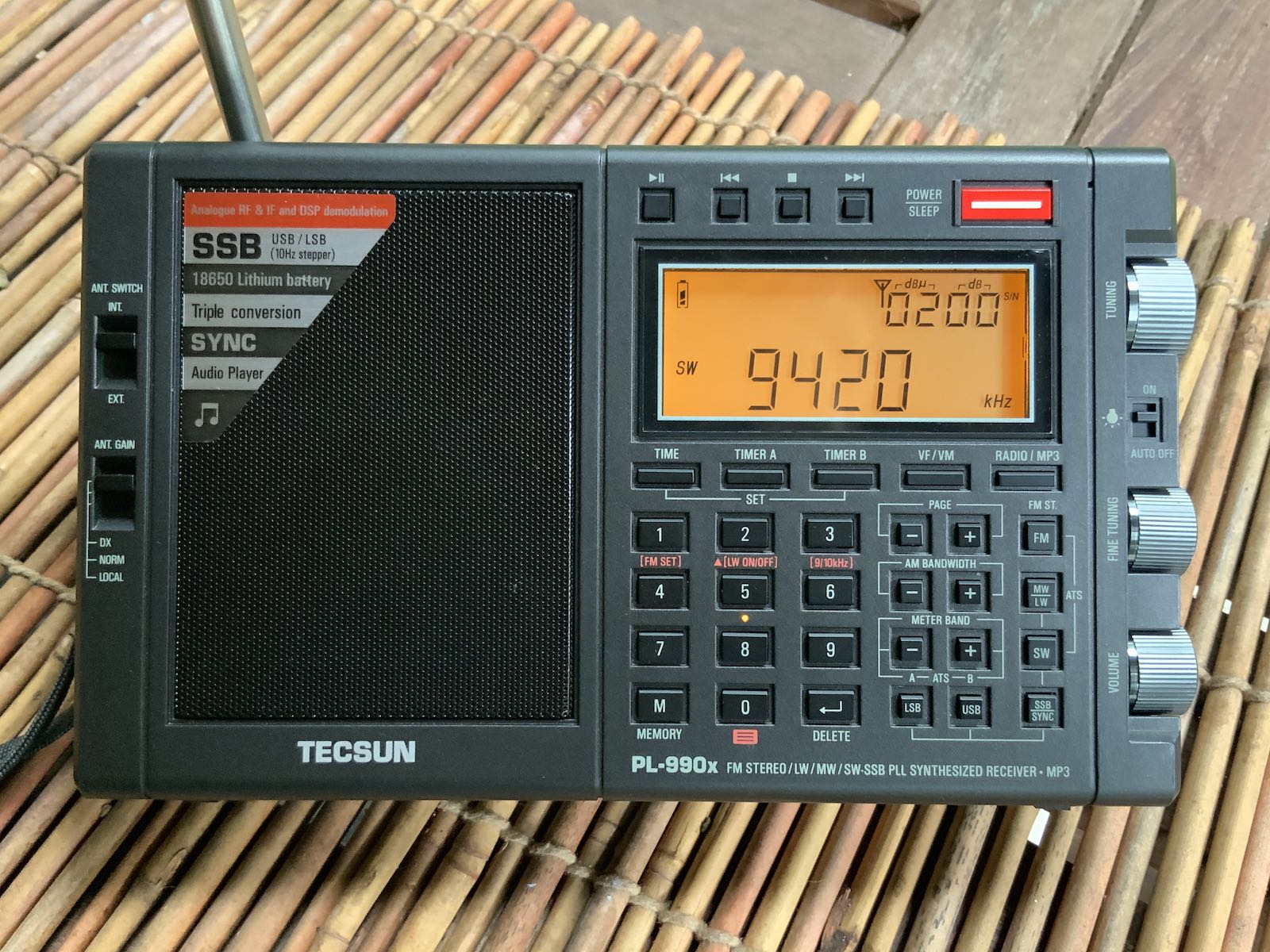
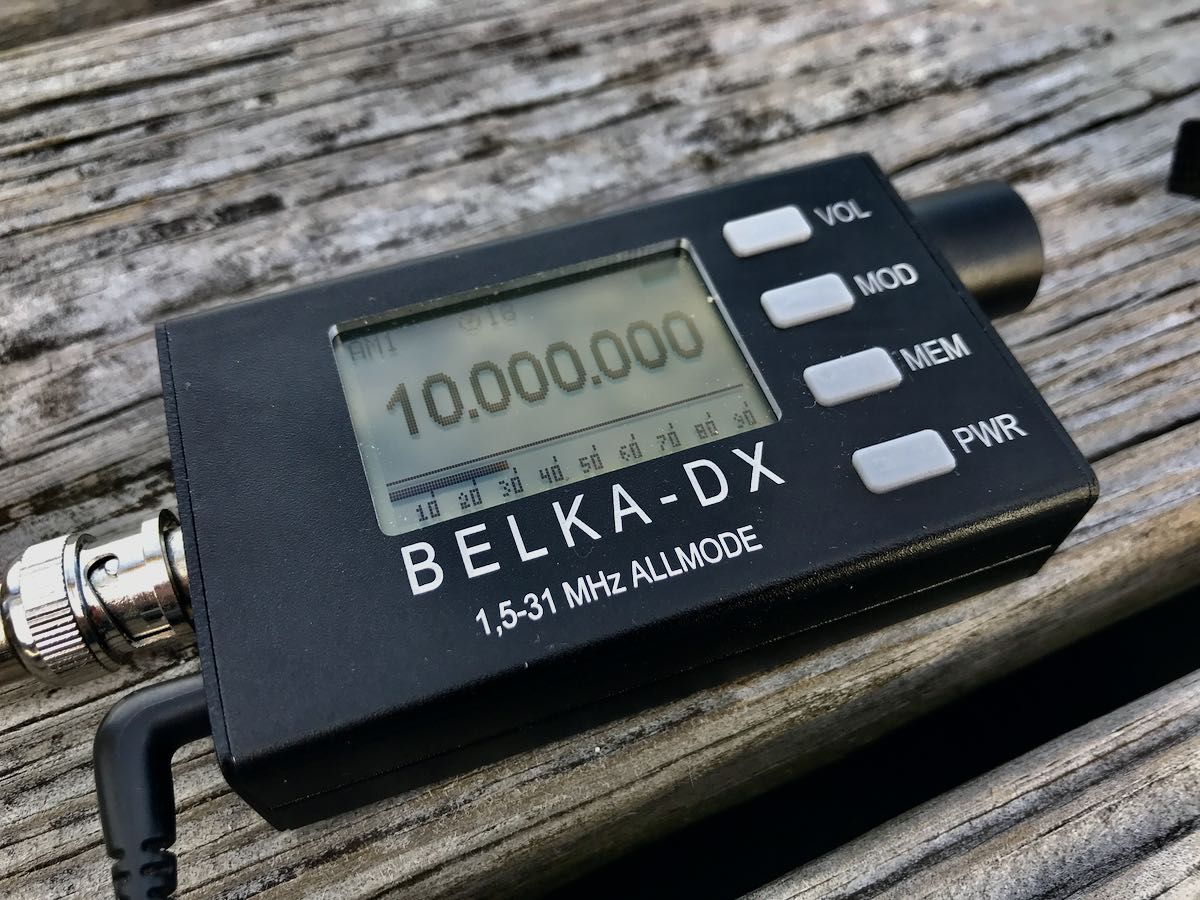
Since they’re new to the market, both the Tecsun PL-990 (above) and Belka DX (below) got a lot of air time.

I do like both radios and even took the pair on vacation recently even though packing space was very limited. I see the Belka DX getting much more air time in the future because 1.) it’s a performer (golly–just check out 13dka’s review of the Belka DSP) and 2.) it’s incredibly compact. The Belka now lives in my EDC bag, so is with me for impromptu listening and DXing sessions.

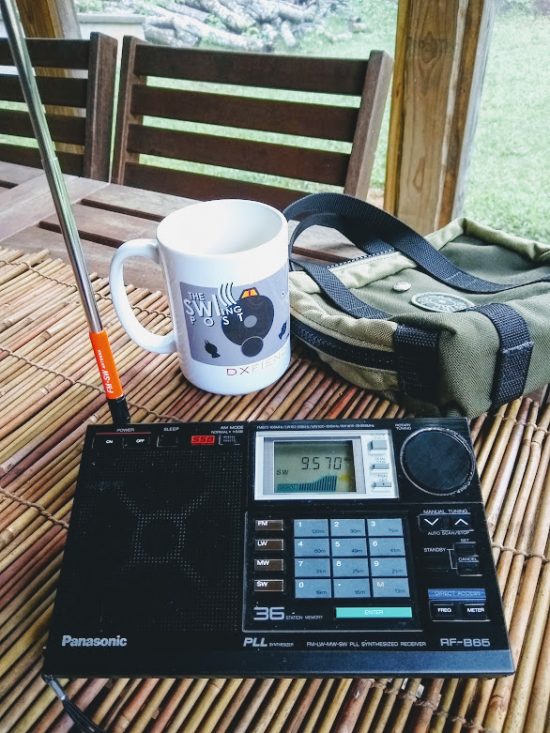
A classic solid-state portable that also got a lot of air time this year was the Panasonic RF-B65. Not only is it a performer, but it has a “cool” factor that’s hard to describe. I love it.

Tabletop portables

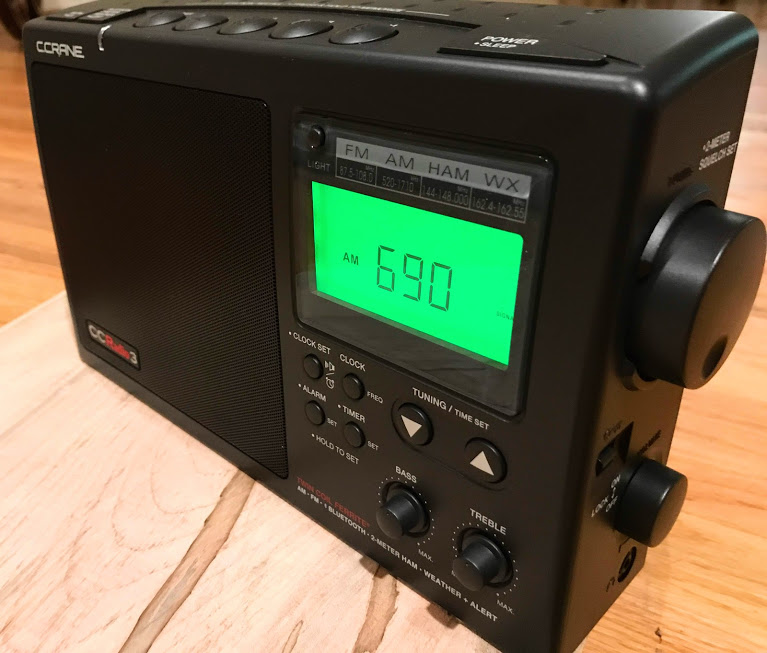
In a sense, the C.Crane CCradio3 got more play time than any of my radios.  It sits in a corner of our living area where we tune to FM, AM and weather radio–90% of the time, though, it’s either in AUX mode playing audio piped from my SiriusXM receiver, or in Bluetooth mode playing from one of our phones, tables, or computers. In October, the prototype CCRadio Solar took over SiriusXM duty brilliantly. I’m guessing the CCRadio3 has easily logged 1,600 hours of play time this year.

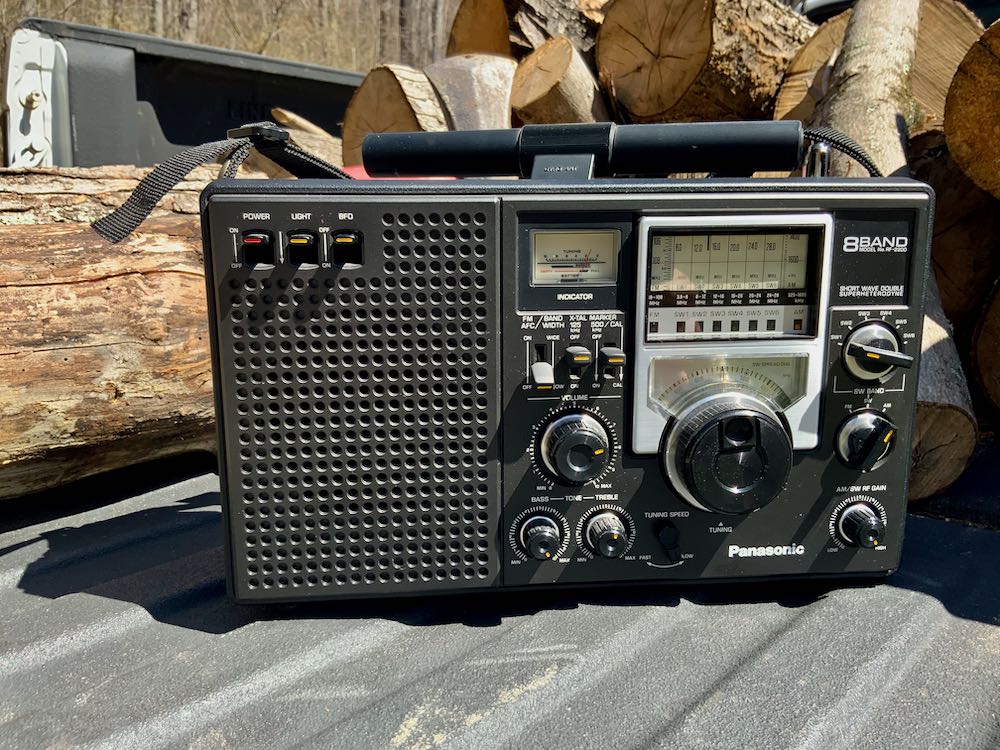
Of course, the Panasonic RF-2200 is one of my all-time favorite vintage solid-state portables, so it got a significant amount of field time.

Software Defined Radios

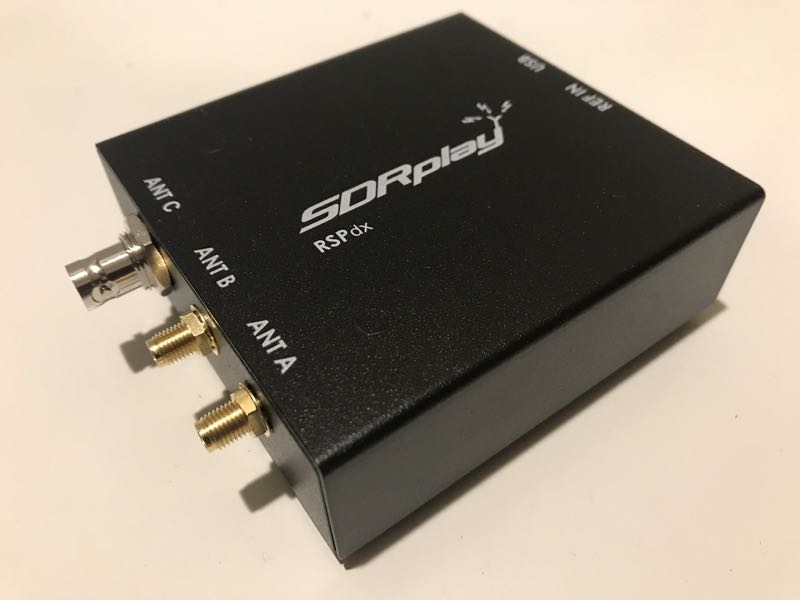
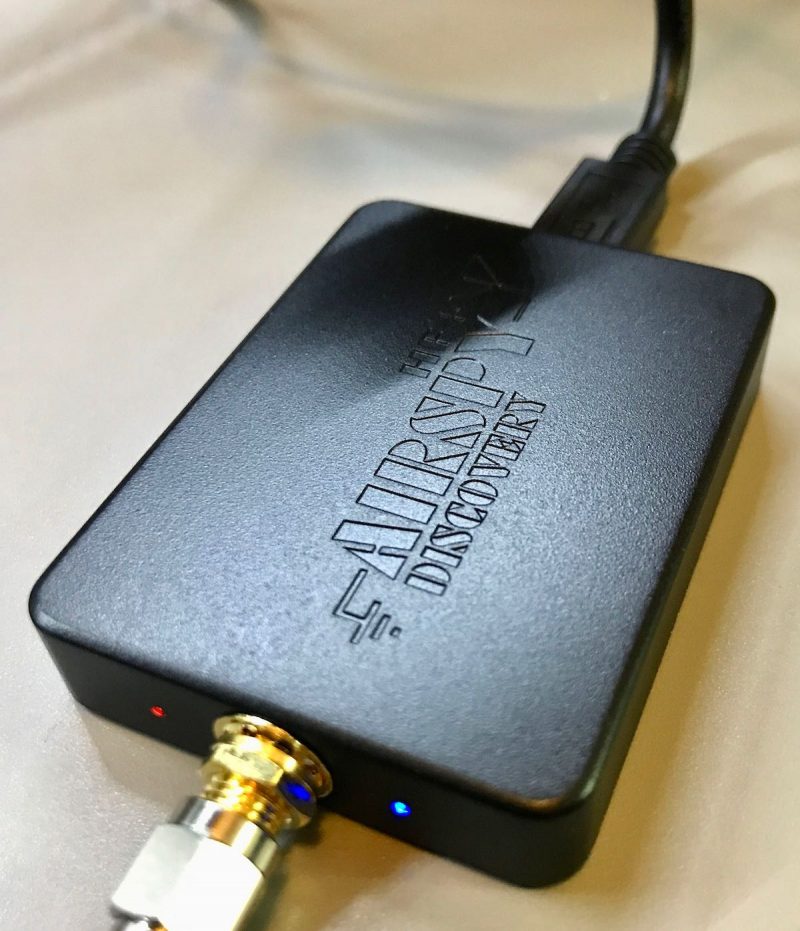
While at home the WinRadio Excalibur still gets a large portion of my SDR time, both the AirSpy HF+ Discovery and SDRplay RSP DX dominated this space in 2020.

The HF+ Discovery was my choice receiver for portable SDR DXing and the RSPdx when I wanted make wide bandwidth recordings and venture above VHF frequencies.

Home transceivers

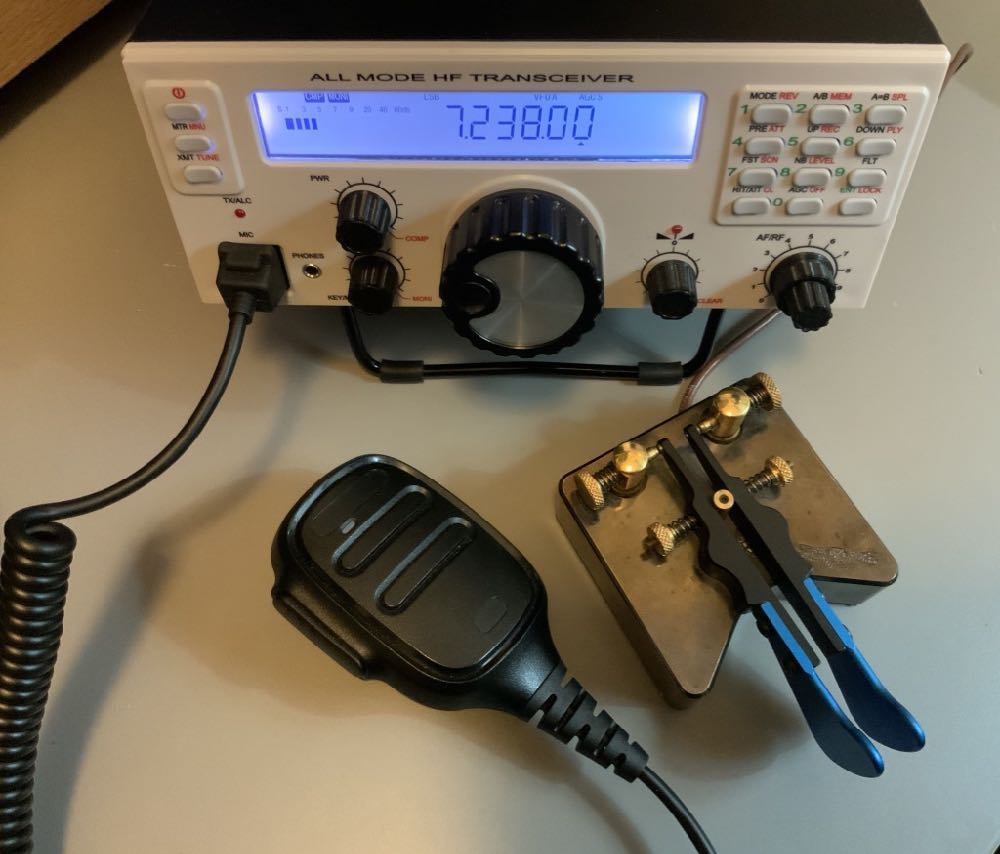
Without a doubt the new Mission RGO One 50 watt HF transceiver got the most air time at home and a great deal of field time as well. It’s such a pleasure to use and is a proper performer to boot!

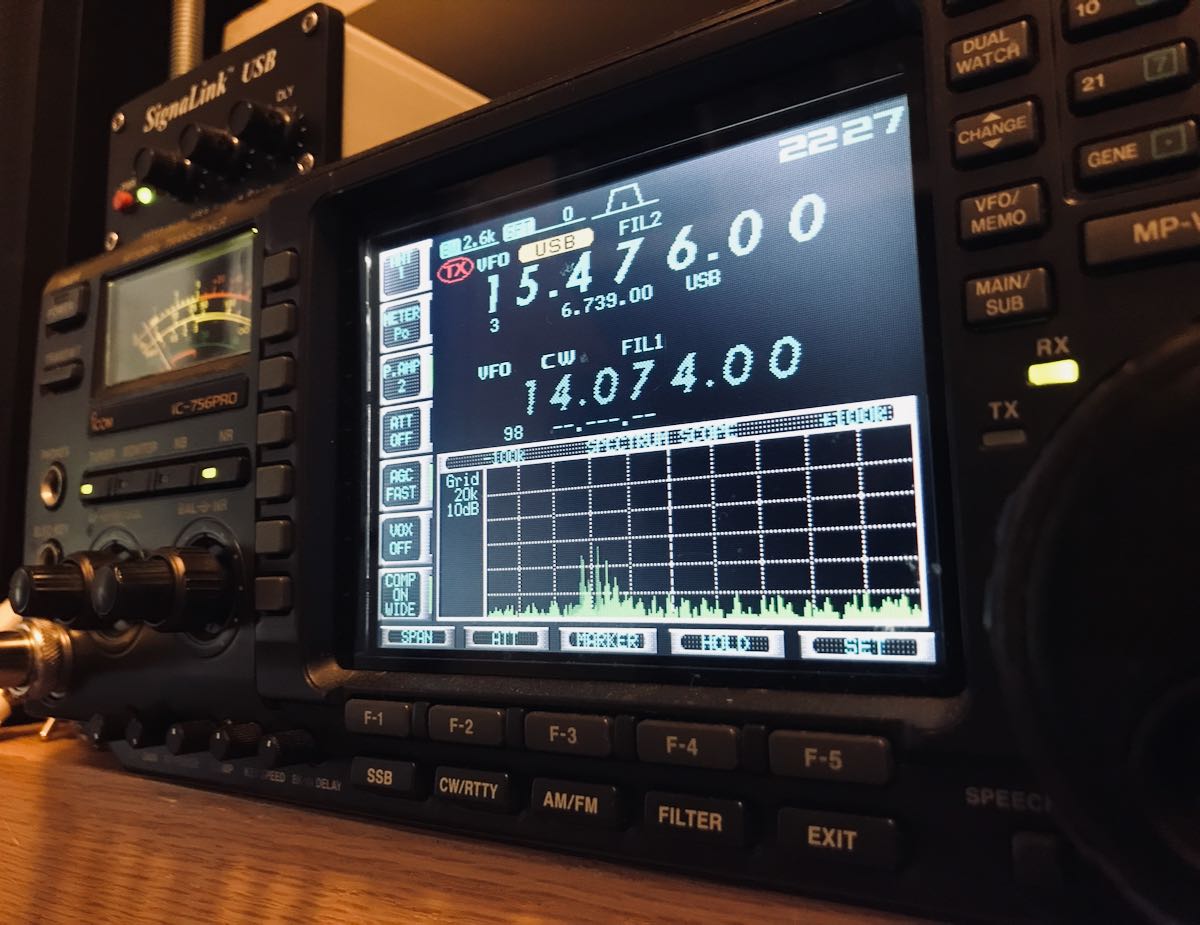
My new-to-me Icom IC-756 Pro, however, has become my always-connected, always-ready-to-pounce home 100W HF transceiver. It now lives above my computer monitor, so within easy reach. Although it’s capable of 100+ watts out, I rarely take it above 10 watts. The 756 Pro has helped me log hundreds of POTA parks and with it, I snagged a “Clean Sweep” and both bonus stations during the annual 13 Colonies event.

Field transceivers

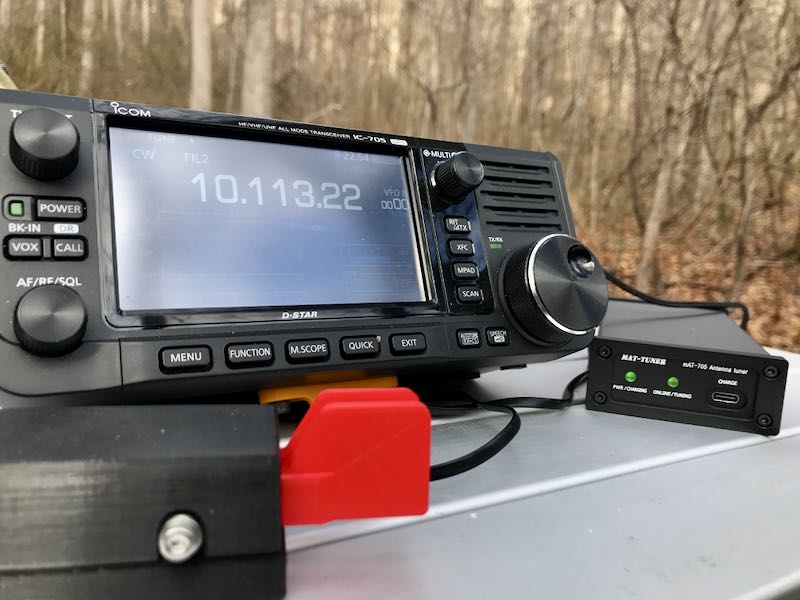
The new Icom IC-705 has become one of my favorite portable transceivers. Not only is it the most full-featured transceiver I’ve ever owned, but it’s also a brillant SWLing broadcast receiver. With built-in audio recording, it’s a fabulous field radio.

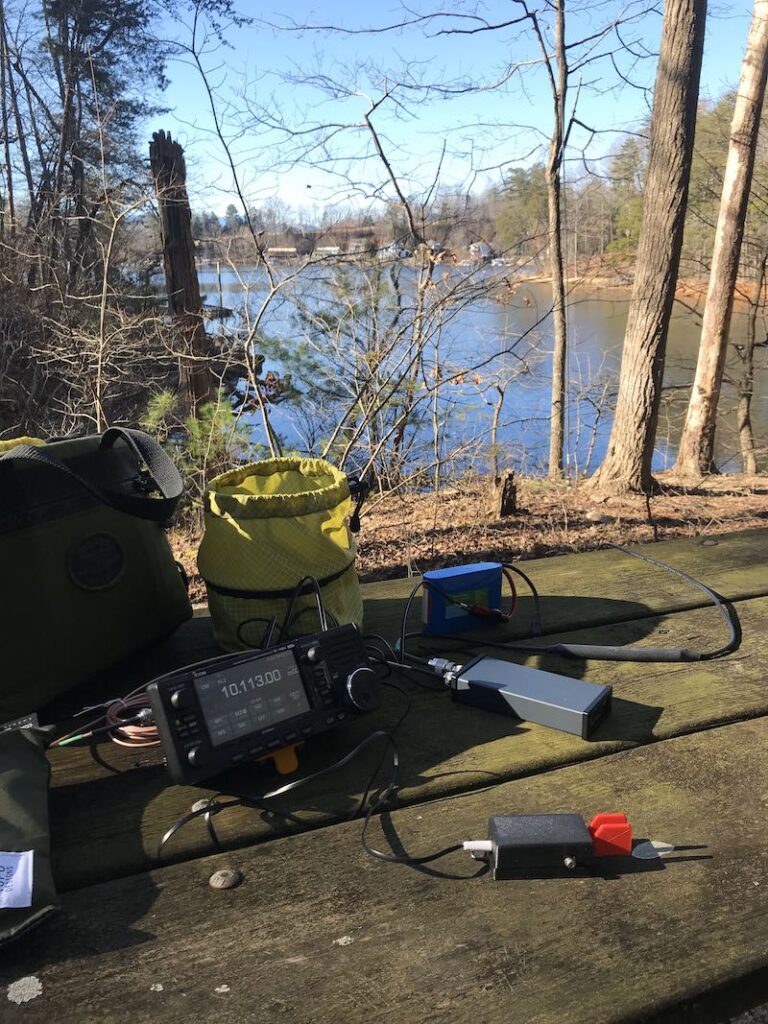
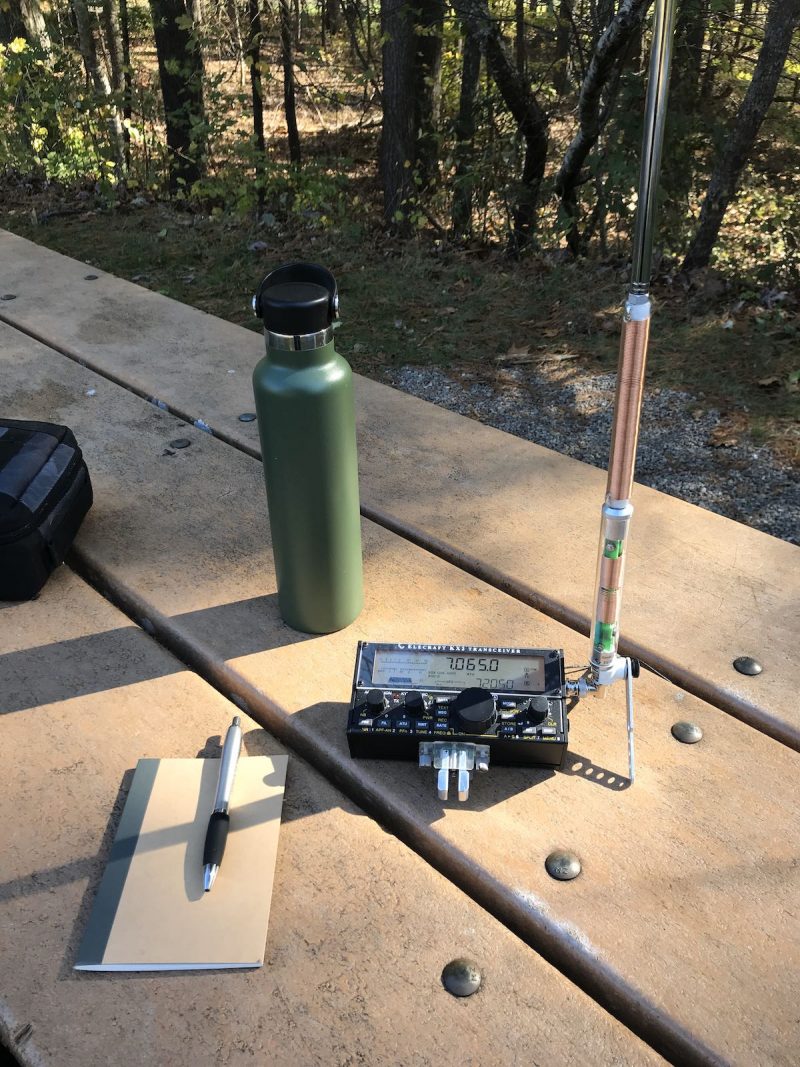
Still, the Elecraft KX2 remains my choice field radio for its portability, versatility and incredibly compact size. This year, in particular, I’ve had a blast pairing the KX2 with the super-portable Elecraft AX1 antenna for quick field activations. I’ve posted a few field reports on QRPer.com and also a real-time video of an impromptu POTA activation with this combo:

How about you?

What radios did use use the most this year and why? Did you purchase a new radio this year? Have you ventured into the closet, dusted off a vintage radio and put it on the air?

Please comment!

“Alfons and the Magic Christmas Tree” read by Clayton Howard on HCJB DX Patry Line in December 1974

Many thanks to SWLing Post contributor, Paul Rawdon, who shares the following:

[This is] a recording of a story featured on HCJB’s DX Party Line hosted by Clayton Howard. As far as I remember it was recorded in December 1974. It’s a short story from SPEEDX about the reception of Tristan Da Cunha and St Helena.

SPEEDX ran from 1971 until a declining membership forced its closure in 1995 archived copies of its monthly bulletin can be found here: https://worldradiohistory.com/Speedx.htm
Happy Christmas.

Wow! What a timely contribution! Thank you, Paul and Merry Christmas!