Category Archives: Shortwave Radio

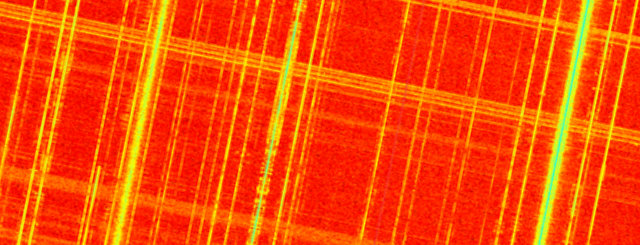
Bitcoin sent over national borders via shortwave radio

(Source: cryptovibes.com via Jesse C.)

Bitcoin Sent Offline from Toronto to Michigan Through Shortwave Radio

The protocol used is identified as JS8Call which enables users to connect a shortwave radio to a computer.

Although the crypto winter seems to have prolonged into 2019, it has not stopped various inventions and developments to take place. In January, a cryptocurrency enthusiast in an unknown location in Eastern Europe paid with bitcoin (via lightning network) to broadcast strange messages from blockstream satellite high up in the sky.

In the most recent case, one user sent bitcoin to another user using shortwave radio. He used a free protocol for the shortwave communications to do the transaction. The protocol used is identified as JS8Call which enables users to connect a shortwave radio to a computer. Once they are connected, they can basically send and receive shortwave-transmitted text messages to other JS8Call users without any special license.

[…]The sender never prepared any signed transaction and then sent it to the recipient for them to broadcast it to the blockchain. On the contrary, he sent his recipient a private key that enabled the recipient to transfer the funds to his wallet using only that private key.[…]

Click here to read the full article.

Thanks for the tip, Jesse!

I must say, this is a fascinating concept and, I suppose, I’m not terribly surprised someone made it happen.  I’m pretty sure this shouldn’t have been done in the amateur radio 40 meter band.

Shortwave Radio Recordings: Voice of Peace from Baghdad – December 29, 1990

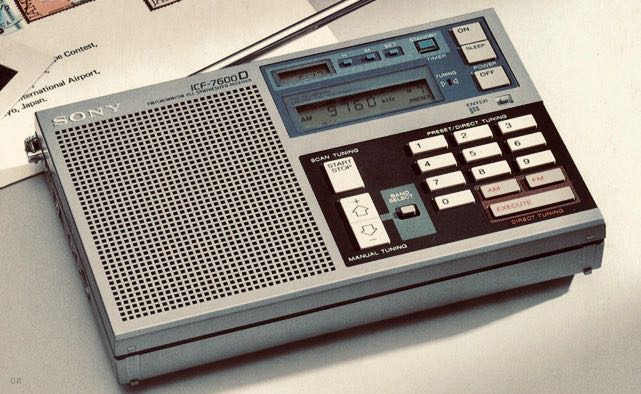
The Sony ICF-7600D (Source: Universal Radio)

Many thanks to SWLing Post and SRAA contributor, Richard Langley, who has recently uploaded an off-air recording of the Voice of Peace to the Shortwave Radio Audio Archive. This is a fascinating recording that I thought I would re-post here on the Post.

Richard notes:

Live, off-air, approximately twenty-minute recording of the Voice of Peace from Baghdad on 29 December 1990 beginning at 21:40 UTC on a shortwave frequency of 11860 kHz. This broadcast originated from a transmitter either in Iraq or Kuwait.

Iraq’s Voice of Peace was established in August 1990 to beam programs to American servicemen stationed in Saudi Arabia during Operation Desert Shield following Iraq’s invasion of Kuwait at the beginning of the month. Programming consisted of music, initially easy-listening music but subsequently changing to a “Top 40” mix, news and commentary in a failed effort to try to demoralize the American troops. Beginning in September 1990, the broadcasts used a female announcer dubbed “Baghdad Betty” by the Americans. Reportedly, Baghdad Betty was replaced by a team of announcers sometime in December 1990. The recording is an example of the news and music programming. It is not known if the female announcer is the famous Baghdad Betty or someone else.

Reception of the broadcast was poor to fair with slight interference and fading. At 21:58 UTC, there is interference splash from WYFR starting up on 11855 kHz. The initial frequency recorded may have been 21675 kHz before switching after a minute or so to 11860 kHz as the radio teletype interference abruptly stops at this point. The recording includes frequent station identifications such as “You are tuned to the Voice of Peace from Baghdad.”

The broadcast was received in Hanwell, New Brunswick, Canada, using a Sony ICF-7600D receiver and supplied wire antenna draped around the listening room.

Click here to download this recording.

Click here to listen to this recording on the Shortwave Radio Audio Archive.


Do you enjoy the SWLing Post?

Please consider supporting us via Patreon or our Coffee Fund!

Your support makes articles like this one possible. Thank you!

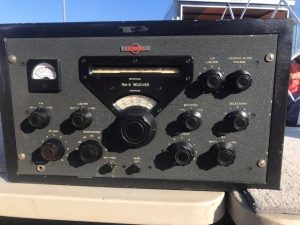
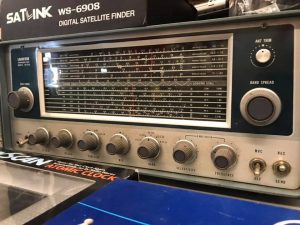
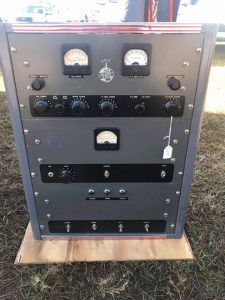
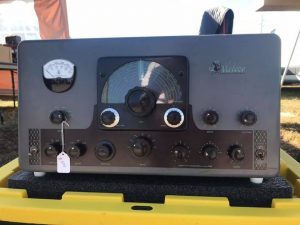
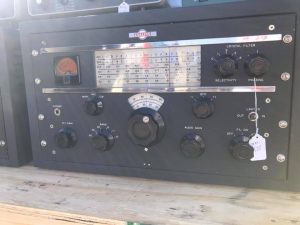
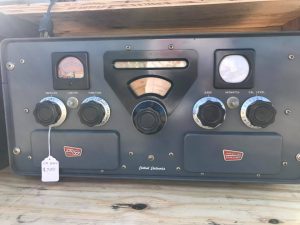
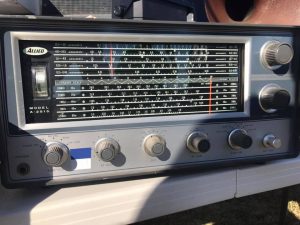
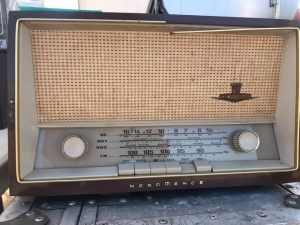
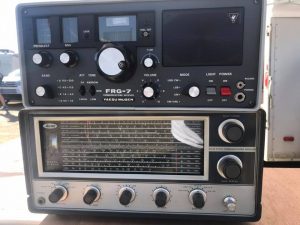
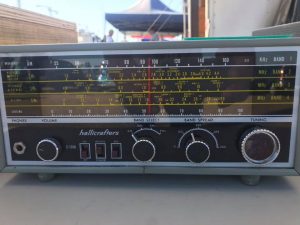
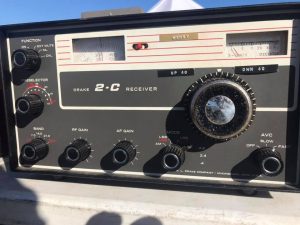
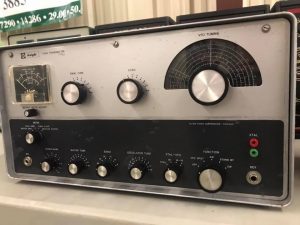
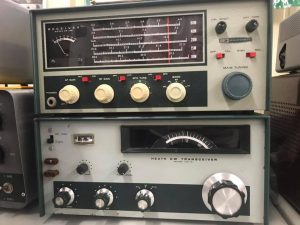
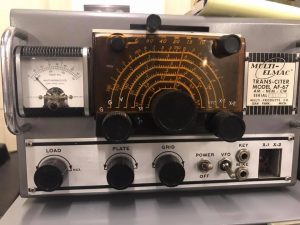
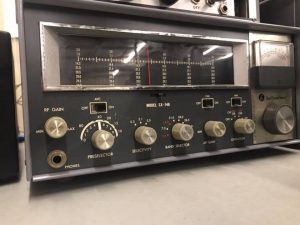
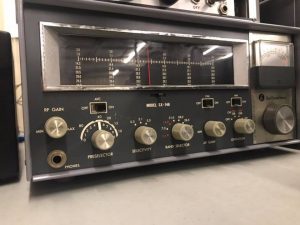
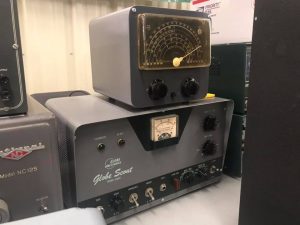
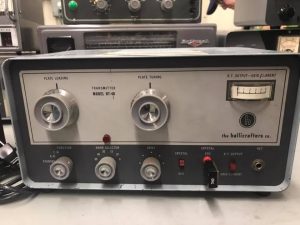
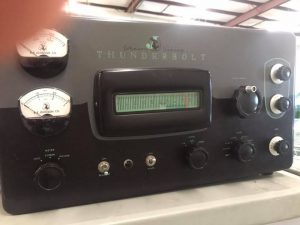
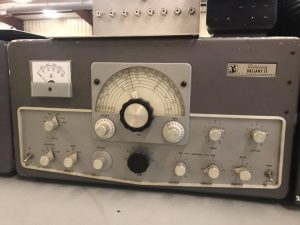
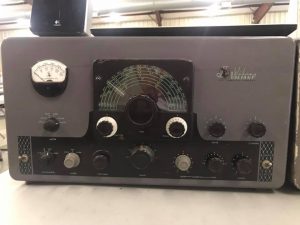
2019 Orlando Hamcation Flea Market Photos

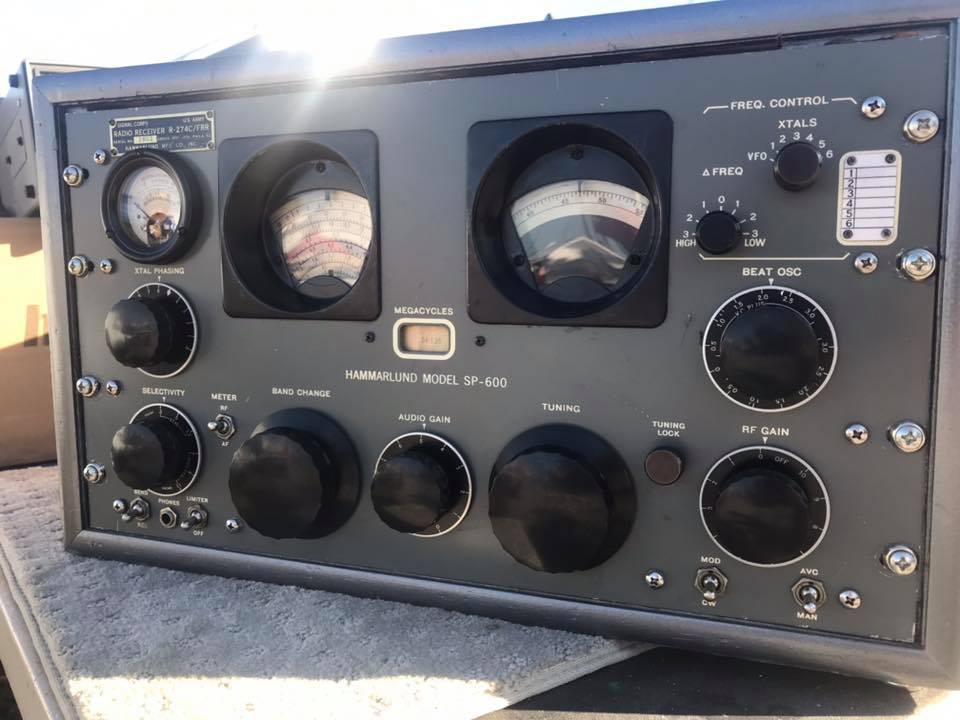
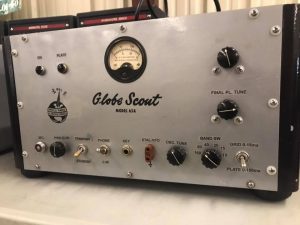
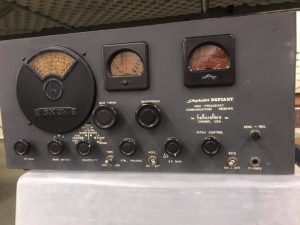
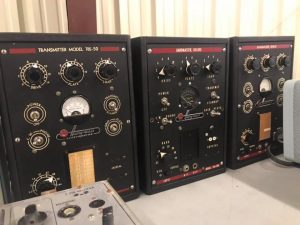
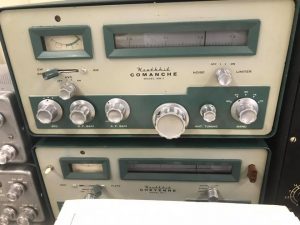
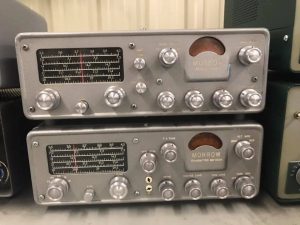
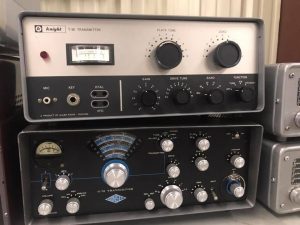
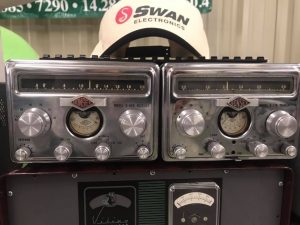
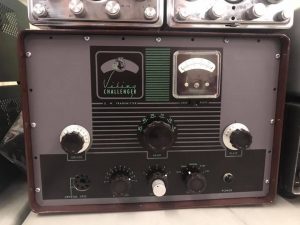
Many thanks to SWLing Post contributor, Rich Nowak, who kindly shares photos from the Orlando Hamcation Flea Market.

Click on each image to enlarge:

What an impressive amount of vintage radios! I’m planning to attend Hamcation next year (2020)–now I know I’ll need to bring my truck to haul back all of the boat anchors! 🙂

Thank you for sharing these, Rich!

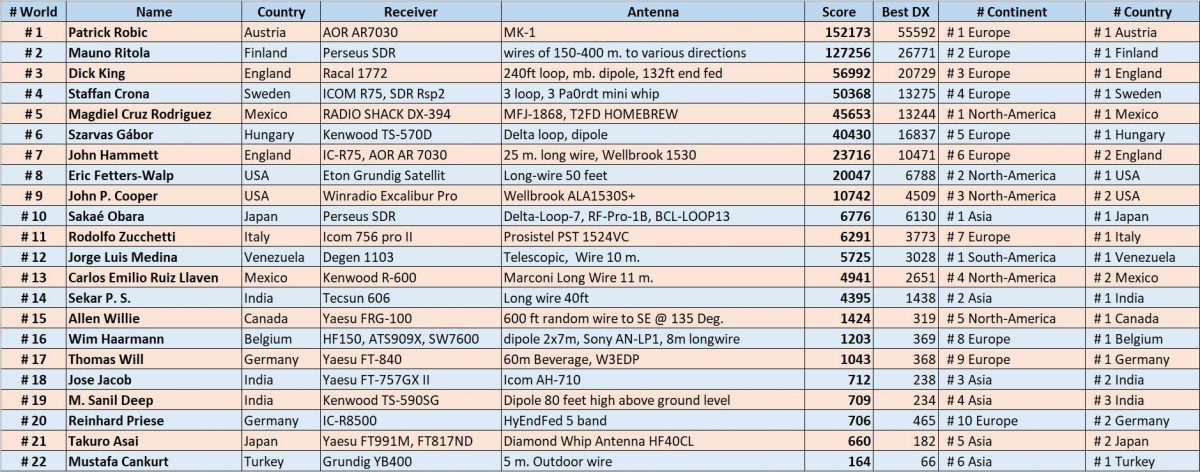
Top 10 DX Of The Year Contest Results!

Many thanks to Istvan Biliczky, from the Top 10 DX Of The Year Contest who shares the following results from the December 2018 contest:

Click to enlarge results sheet.

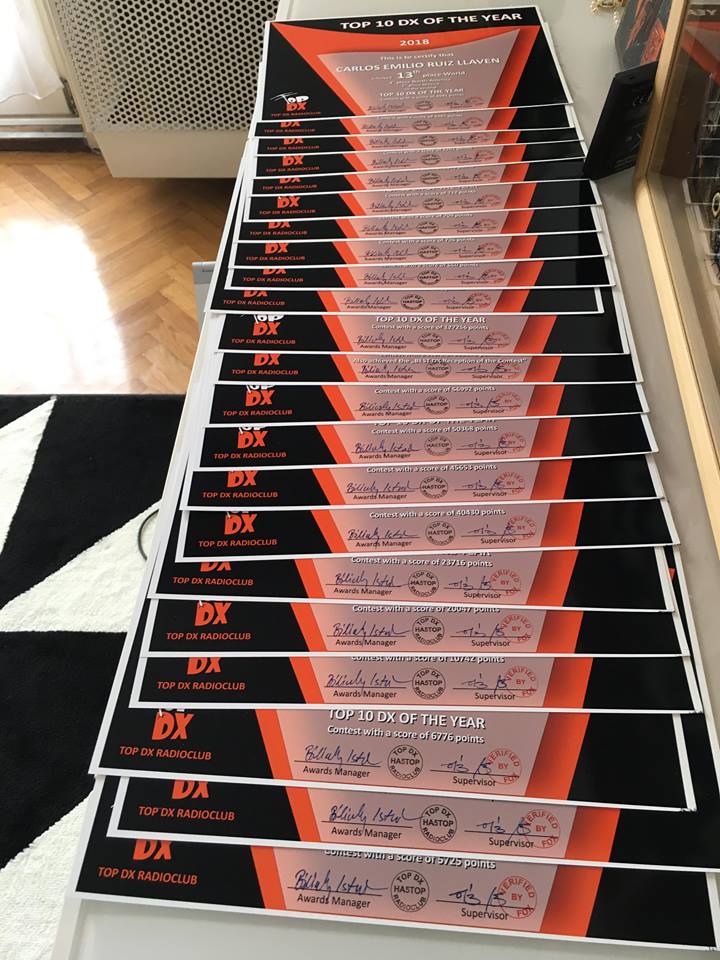
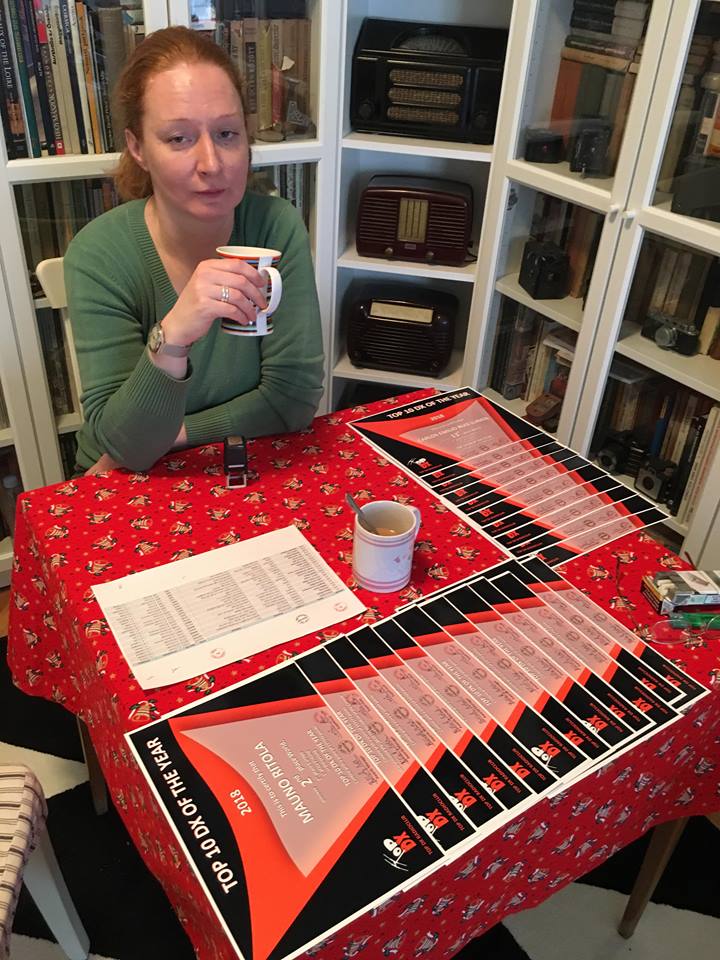
Istvan tells me that the “certificates are printed, verified, t-shirts are done, and all packed, will be sent this week.”

Check these photos:

Brilliant news and congratulations to the many friends and SWLing Post readers I see in the winners circle! Thank you for sharing, Istvan and thanks for hosting this impressive DX contest!

Radio Netherlands film and video footage

Many thanks to Jonathan Marks–former host of RNW’s Media Network and curator of the Media Network Vintage Vault–who kindly shares the following videos from Radio Netherlands.

The first video is from the 1960s and promotes RNW’s move to the Witte Kruislaan building.  The second video highlights the Radio Netherlands Flevo Transmitter Site and also includes a lot of “B roll” material (without audio) that Jonathan commissioned.

Check out the videos and Jonathan’s descriptions below:

The Radio Netherlands film in the 1960’s

Click here to watch on Vimeo.

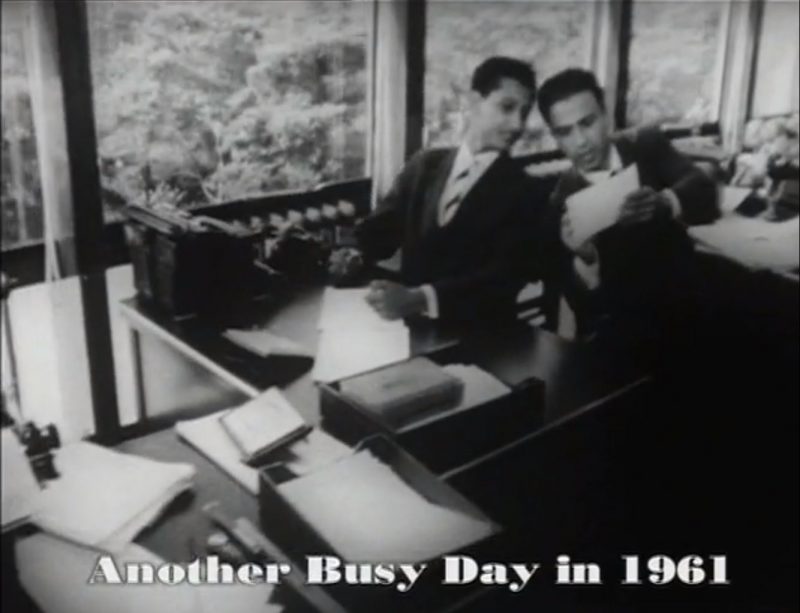
When Radio Netherlands moved into their new building in Witte Kruislaan in 1961, they asked Pete van der Kleut to make a film to help in promotion. He shot it in a couple of days on zero budget and a few rolls of film- it was pure theatre with people in various departments doing all sort of things on cue. Everybody is incredibly busy discussing things, the head of the newsroom is correcting copy before it is broadcast, and the poor guy in the newsroom doesn’t know which phone to answer first. Women play only support roles, tidying up, typing and organizing things, The problem was that until the mid nineties this was the only footage of Radio Netherlands in the national sound archive. And when cuts came that were reported on the NOS Journaal, the same 60’s footage was often repeated – confirming the picture that RNW was stuck in the past. Again, the be fair, the sound has been changed on this version. The original over the top commentary was in Dutch.

Radio Netherlands Flevo Transmitter Site and B roll material

Click here to watch on Vimeo. 

During my time as Programme Director at Radio Netherlands I commissioned various video clips to make sure we had current video material of the building, newsroom, continuity, and documentation. This was just raw footage done one day in July 2001 and 2002. This sequence starts with video from the Flevoland transmitter site when it was fully operational. Transmitters have since been removed and the site is silent.

Thanks so much for sharing these videos, Jonathan! As I’ve mentioned many times before, you’re doing such an amazing service to the community by curating, archiving and sharing all of this RNW media. Thank you.

Check out the Media Network Vintage Vault by clicking here. 

Check out Jonathan’s colleagues at the Radio Netherlands Archives

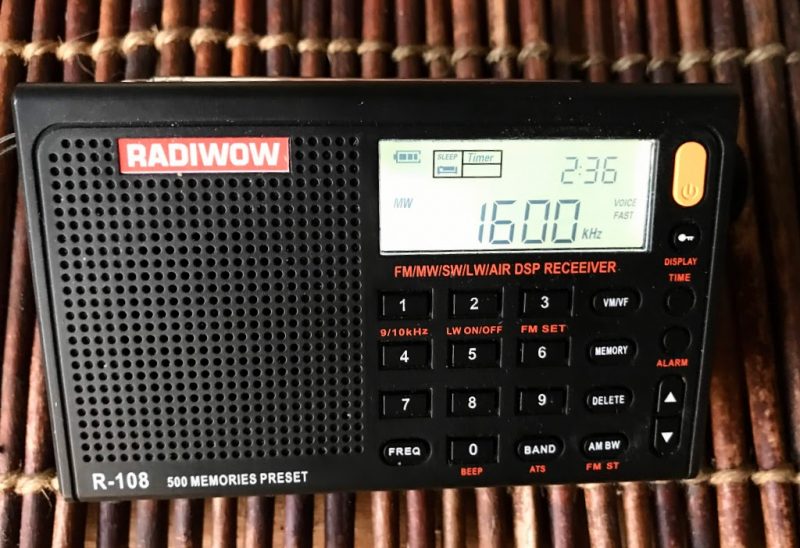
Radiwow R-108: Tracking down mediumwave/AM birdies

As I mentioned in a post yesterday, I’ve been spending time with the Radiwow R-108 in an effort to give it a proper evaluation.

One quirk that has been a little hard to pin down is the occasional DSP birdie on the mediumwave band. [BTW: A “birdie” an unwanted internally-generated noise which, in this case, manifests itself as a variable squeal. Click here to learn more.]

When I first received the R-108, I noticed that each time I turned it on while tuned to the mediumwave (AM broadcast) band, I’d hear a temporary birdie/squeal that would last anywhere from two to seven seconds. After the initial noise, the squeal would go away.

During long (one hour plus) listening sessions, the squeal would sometimes reappear for a few seconds seemingly at random.

Turns out, there’s a pattern that I overlooked.

Yesterday, I turned on the R-108 and a birdie was present on 1600 kHz. Unlike previous listening sessions, the variable squeal was persistent–it didn’t go away after a few seconds. I pulled out my phone and took a quick video (moving quite far away to show that my phone wasn’t the source of noise):

Click here to view on YouTube.

There were two factors I think may have been responsible for the persistent birdie:

  1. The broadcast signal on 1600 kHz was weaker than normal
  2. The R-108 battery was at 50% or less

Perhaps the battery has nothing to do with this, other than it might have had a slight negative impact on the receiver sensitivity?

Still, my observations confirm that when the battery is fully-charged, the birdies are overall less prevalent.

I tuned off of 1600 kHz and the the birdie disappeared. Even on 1590 kHz or 1610 kHz where there were only faint signals, there was no birdie.

I should note here that 1600 kHz is home to my favorite regional AM station, so quite often when I turn on the R-108, it defaults to 1600 kHz (hence the reason the birdie seemed to plague me).

I then tuned down the dial in 10 kHz steps until I noticed another persistent birdie on 1200 kHz:

Click here to view on YouTube.

The birdie on 1200 kHz was fainter than the one on 1600 kHz–perhaps half the intensity.

The pattern seemed way too familiar, so I looked into the SWLing Post archives and discovered that the Sangean ATS-405 also had birdies in the same locations on the MW dial.

Here’s a video of the ATS-405 birdie on 1600 kHz:

Click here to view on YouTube.

Obviously, the ATS-405 and R-108 either share the same DSP chip, or the design/implementation is similar.

I checked the R-108’s entire mediumwave band and discovered one more birdie on 800 kHz, although quite faint:

Click here to view on YouTube.

So far, I haven’t had the time to do a full survey of the shortwave bands to see if the birdie is present on HF as well.

I know that there are a few other R-108 owners out there who took advantage of Radiwow’s special pricing on pre-production models to do initial reviews. Please comment if you have also noticed birdies or any other quirks on your R-108 sample.

Radios: What are your daily drivers?

Many thanks to SWLing Post contributor, John C., who writes:

“Hi Thomas, I love [the SWLing Post] and have been meaning to thank you for all of the amazing reviews. Truly a treasure trove. But as I contemplate my next radio purchase I would like to know what radio you use more than any other. In other words…what’s your daily driver??? Enquiring minds want to know! Thank you. – JC”

Thanks for your question and the kind compliment, John.

Your inquiry is one I get quite a bit, so I hope you don’t mind if I share my response here publicly.

First of all, I should state that I don’t have a single “daily driver.”

Since I evaluate, test, and review radios I spend a lot of time with a variety of new receivers and transceivers.
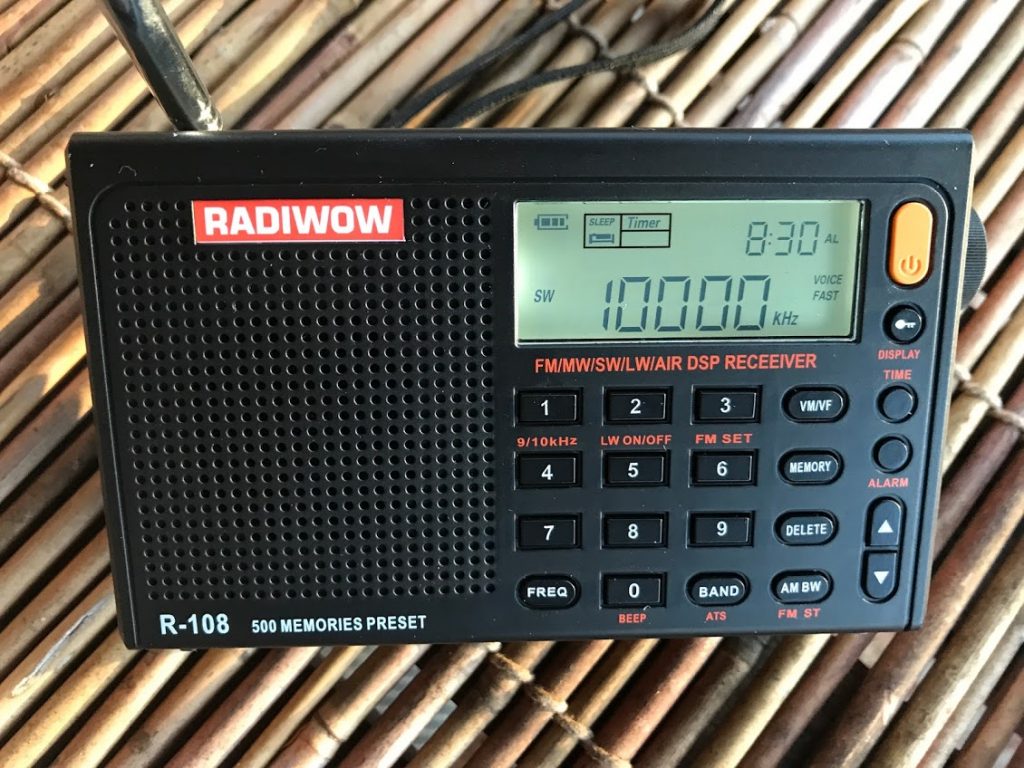
I’m currently evaluating the Radiwow R-108, so it goes with me pretty much everywhere since I like to test receivers in a variety of settings. I’m also packing the Tecsun PL-310ET and the CC Skywave so I have units to compare with the R-108.

My Daily Drivers

Still, there are a number of radios in my life that get heavy use. Here’s my current list based on activity:

For Travel

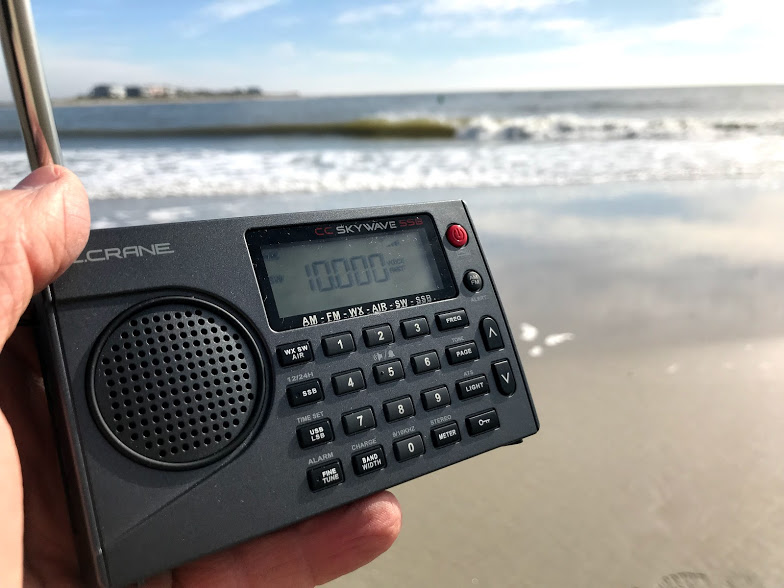
When I travel, I reach for my favorite multi-function ultra-compact shortwave portable. In the past, I would have reached for the Grundig G6, the Sony ICF-SW100, the Tecsun PL-310ET, the Digitech AR-1780, or the C. Crane CC Skywave, Currently, I reach for the C. Crane CC Skywave SSB.
When I travel, I try to pack as lightly as I can–perhaps some would even call me a borderline travel minimalist. For example, when I fly to Philadelphia later this month for the Winter SWL Fest, I will take only one piece of luggage, a “personal carry-on” item: the Tom Bihn Stowaway, a pack the size of a small laptop bag. The Stowaway will contain my iPad, cords/accessories, and all of my clothes and toiletries for about 5 days of travel. As you can imagine, there’s not a lot of spare room in there for radio gear (quite the understatement).

I’ll still have room in my bag for the CC Skywave SSB, though, because the receiver is so compact. In addition, it’s a little “Swiss Army Knife” of a radio which covers the AM/MW, Shortwave, WX, and AIR bands.  It also has SSB mode and uses common AA batteries. The Skywave SSB is a welcome travel companion.

For Portable Shortwave DX

When I head to a park or go on a camping trip with the goal of doing a little weak signal DXing, I reach for a full-featured portable. In the past, I’ve relied heavily on the Tecsun PL-660 or PL-680, the Sony ICF-SW7600GR, and the Tecsun PL-880.
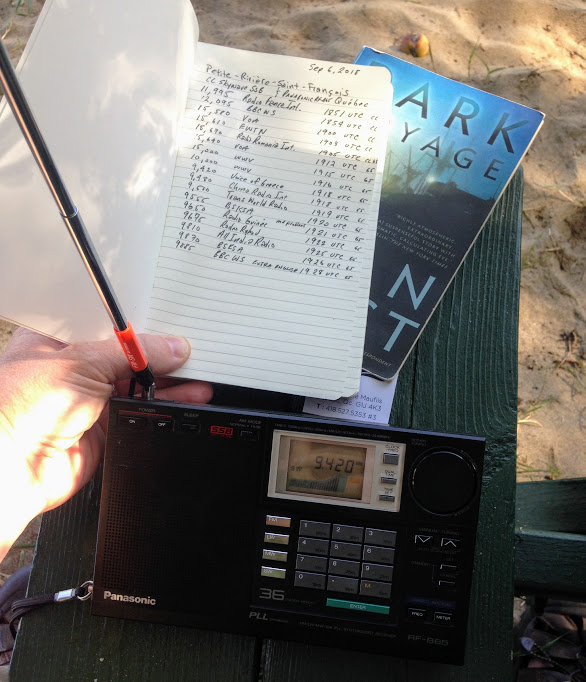
After acquiring the amazing Panasonic RF-B65 last year, it has become my choice full-featured portable. Of course, the RF-65B hasn’t been in production for ages, but thanks to a number of friends/enablers (including Dan Robinson and Troy Riedel) I finally found one for an acceptable price on eBay.

I’ve been incredibly pleased with the RF-B65’s performance and feel like I got a decent deal snagging one in great shape for less than $200. Only a few months prior to my purchase, it was hard to find good units under $300. Click here to check current prices, if interested.

For Morning News and Music

Since my staple morning news source, Radio Australia, went off the air, I spend a lot more time in the mornings listening to Internet radio mainly because I like listening to news sources that no longer, or never have, broadcast on the shortwaves.
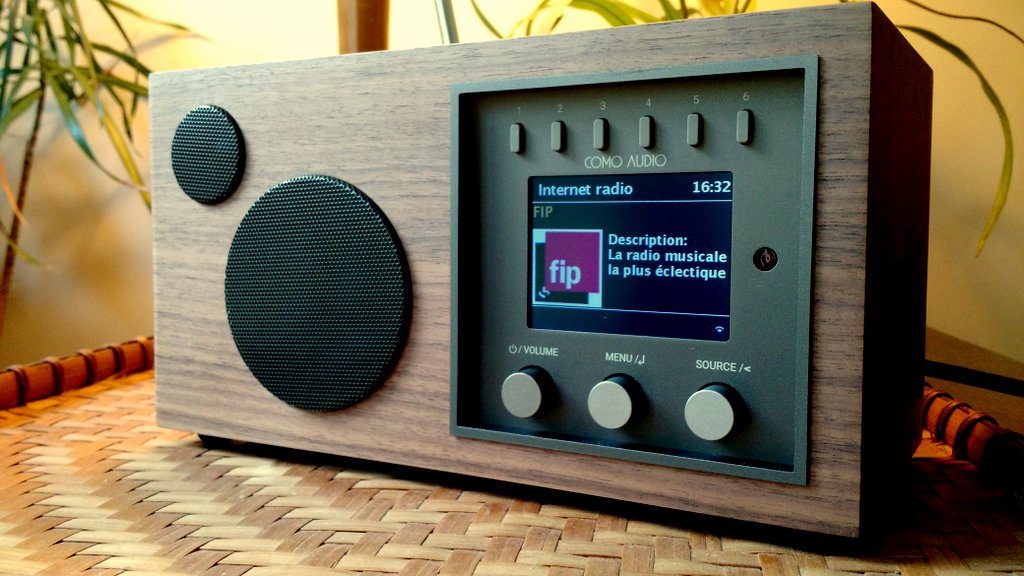
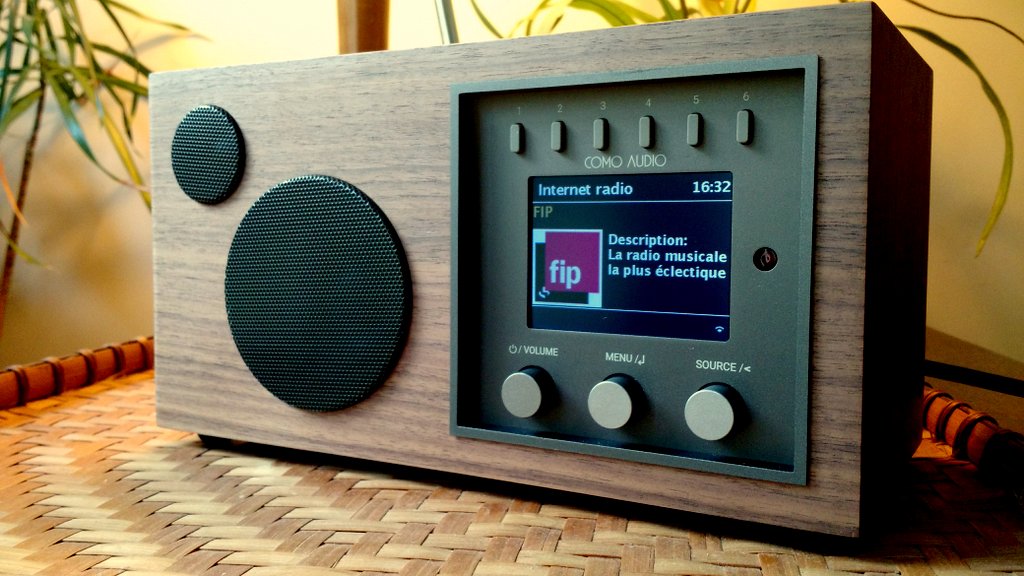
Without a doubt, my favorite WiFi radio is the Como Audio Solo. I use it to listen to the CBC in St. John’s Newfoundland, The UK 1940s Radio Station, RFI MusiqueABC Radio Sydney, and a number of other news and music outlets.

The Como Audio Solo also serves as an audio feed for my SSTran AM Transmitter which then allows me to listen to all of this excellent content on 1570 kHz with vintage tube radios such as my Scott Marine SLR-M, my BC-348-Q, and my Minerva Tropicmaster.

For Mediumwave DXing

Without a doubt, my favorite radio for mediumwave/AM broadcast band DXing is the Panasonic RF-2200.
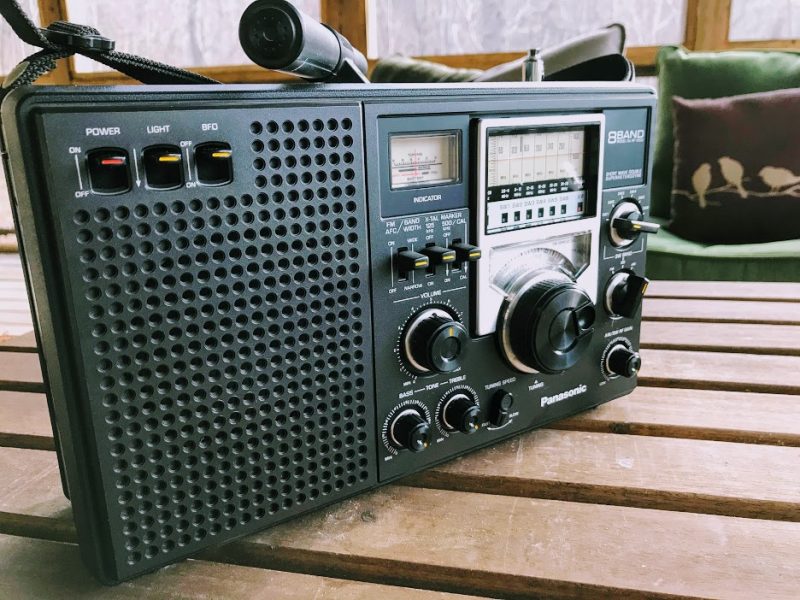
I mentioned in a previous post that my buddy Vlado (N3CZ) recently repaired, cleaned, and calibrated one of my RF-2200s.

Let’s just say that Vlado worked his magic and my RF-2200 now operates and performs like a brand new unit. Seriously. It’s simply unbelievable.
Not only does the Panny ‘2200 provide benchmark MW performance, it’s simply a pleasure to operate. It also produces some of the richest AM audio you’ll ever hear from a portable radio.

Of course, the ‘2200 hasn’t been produced in decades, so you’ll have to search for used ones on eBay, at hamfests, or through your favorite radio classifieds.

And, yes, I still need to finish a Part 2 blog-post about the ‘2200 repair–once I get a few details and photos from Vlado, I’ll post it!

Your Daily Drivers? Please comment!

Keep in mind that my “daily drivers” change quite a bit–the ones listed above are my current favorites and have been for a year or more.

So now that I’ve shared my daily drivers, I hope you will, too!

Is there a particular radio you reach for more than any other?  Please comment and tell us why it’s your favorite!


Do you enjoy the SWLing Post?

Please consider supporting us via Patreon or our Coffee Fund!

Your support makes articles like this one possible. Thank you!